I am an attorney in the Washington DC area, with a Doctor of Law in the US, attended the master program at the National School of Administration of Việt Nam, and graduated from Sài Gòn University Law School. I aso studied philosophy at the School of Letters in Sài Gòn.
.
I have worked as an anti-trust attorney for Federal Trade Commission and a litigator for a fortune-100 telecom company in Washington DC.
I have taught law courses for legal professionals in Việt Nam and still counsel VN government agencies on legal matters.
I have founded and managed businesses for me and my family, both law and non-law.
I have published many articles on national newspapers and radio stations in Việt Nam.
In 1989 I was one of the founding members of US-VN Trade Council, working to re-establish US-VN relationship.
Since the early 90's, I have established and managed VNFORUM and VNBIZ forum on VN-related matters; these forums are the subject of a PhD thesis by Dr. Caroline Valverde at UC-Berkeley and her book Transnationalizing Viet Nam.
I translate poetry and my translation of "A Request at Đồng Lộc Cemetery" is now engraved on a stone memorial at Đồng Lộc National Shrine in VN.
I study and teach the Bible and Buddhism. In 2009 I founded and still manage dotchuoinon.com on positive thinking and two other blogs on Buddhism.
In 2015 a group of friends and I founded website CVD - Conversations on Vietnam Development (cvdvn.net).
I study the art of leadership with many friends who are religious, business and government leaders from many countries.
I have written these books, published by Phu Nu Publishing House in Hanoi:
"Positive Thinking to Change Your Life", in Vietnamese (TƯ DUY TÍCH CỰC Thay Đổi Cuộc Sống) (Oct. 2011)
"10 Core Values for Success" (10 Giá trị cốt lõi của thành công) (Dec. 2013)
"Live a Life Worth Living" (Sống Một Cuộc Đời Đáng Sống) (Oct. 2023)
I practice Jiu Jitsu and Tai Chi for health, and play guitar as a hobby, usually accompanying my wife Trần Lê Túy Phượng, aka singer Linh Phượng.
Thiền gia thường nói sống “ở đây lúc này”, vì sao?
Vì qúa khứ đã qua rồi, có chăng chỉ là ký ức. Và tương lai chưa đến, có chăng chỉ là mơ ước và tính toán.
Sống thật là sống “Ở đây, lúc này.” Lúc này bạn đang ăn, đó là sống thật; đang chơi bóng, đó là sống thật; đang giải bài toán, đó là sống thật. Continue reading Ở đây lúc này – Here and now→
“Tôn tử nói biết mình biết người, trăm trận trăm thắng.” Nhưng nếu bạn thực sự hiểu chính bạn, thì bạn sẽ trăm trận trăm thắng – vì biết mình thì tự nhiên biết người; mình và người có khác nhau gì về tư duy và tính toán đâu.
Biết mình dễ mà khó, khó mà dễ. Nếu bạn dễ nổi giận, dễ nổi điên, đầy tham lam, đầy kiêu căng, thì bạn chẳng thể hiểu bạn, mà luôn nhảy choi choi lên xuống như con yoyo. Continue reading Biết mình – Know thyself→
TP HCM có ước vọng sẽ là Đô thị Toàn cầu. Nếu chúng ta làm việc kiểu ù ù cạc cạc như xưa nay thì dự án đó có thể kéo dài cả mấy mươi năm nữa không biết chừng. Câu hỏi kiên quyết cho chúng ta là làm sao TP HCM có thể trở thành Đô thị Toàn cầu ngay lập tức, ngay bây giờ, không chờ đợi?
Muốn yêu mọi người, trước hết chúng ta phải biết yêu chính mình – người gần gũi mình nhất là chính mình mà mình không biết yêu, thì mình còn biết yêu ai trên đời nữa.
Người ta thường lấy sự khác nhau giữa mọi người làm lý do để ghét nhau, thù hận nhau, xem thường nhau, lạm dụng nhau… Nhưng sự thật là mọi người đều rất giống nhau và khác nhau chỉ một tí ti mà thôi. Chính vì vậy mà khi bạn gặp một người, dù người đó ở bất cứ thành phố nào trên thế giới, hay là bộ lạc nào trong rừng núi Amazon mà cho đến nay vẫn chưa gặp được loài người “văn minh”, thì bạn vẫn biết ngay đó là “người”, chứ không phải con khỉ, con đười ươi, hay là con vật gì đó… Continue reading Yêu mình – Love thy-self→
Nửa ly nước, bạn có thể nói là cạn nửa ly hay nói đầy nửa ly. Cách nào cũng đúng. Chẳng có gì cần phải tranh cãi.
Nếu bạn tư duy rằng nửa ly nước là nửa ly nước vơi thì đó là tư duy tiêu cực. Còn nếu bạn nói nửa ly nước là nửa ly nước đầy thì đó là tư duy tích cực. Continue reading Nửa ly nước – A half glass→
Dựa trên các bảng xếp hạng âm nhạc, lượt nghe YouTube và các bài hát phổ biến tại quán trà/karaoke (2024-2026), dưới đây là 11 bản nhạc Bolero phổ thông và được yêu thích nhất ở Việt Nam hiện nay:
Nắng Chiều (Lê Trọng Nguyễn) – Bài Bolero đầu tiên của Việt Nam
Duyên Phận“ (Như Quỳnh) – Bài hát thường được xem là “quốc ca” Bolero hiện đại.
Đường Tím Bằng Lăng (Thiên Quang/Quỳnh Trang) – Tình khúc buồn kinh điển, rất thịnh hành trên các nền tảng số.
Vùng Lá Me Bay (Như Quỳnh) – Bài hát bất hủ thường xuyên được yêu cầu tại các quán Karaoke.
Quản lý stress hiệu quả bao gồm kết hợp giữa việc giải tỏa tức thì, thói quen sinh hoạt lâu dài và thay đổi tư duy. Phương pháp hiệu quả nhất tùy thuộc vào từng người, nhưng việc xây dựng một thói quen hàng ngày phù hợp với các chiến lược đối phó thiết thực có thể làm giảm đáng kể mức cortisol và cải thiện sức khỏe tổng thể của bạn. Continue reading Làm thế nào để quản lý stress? – How to manage your stress?→
Chúng ta thường nghe nói “tâm trí tự do”, biểu hiện cho trào lưu đang lên của chủ nghĩa tự do cá nhân – ai muốn làm gì thì cứ làm. Trong Phật triết, chúng ta ít khi nghe đến từ tự do, mà chúng ta nghe “giải thoát, giải phóng, liberate/ liberation.”
[TĐH: Đây là Tài liệu lịch sử do các thế hệ em cháu, có thể nói là các thế hệ sau Chiến tranh Việt Nam, nói lên sự trưởng thành của các em, sự di cư của các em đến nhiều nước trên toàn cầu, đặc biệt là ở UK. Dù xa quê hương, các em vẫn luôn luôn trông ngóng, dõi mắt về đất mẹ.]
Dear Brothers and Sisters,
This lyric video is a tribute to the memories, sacrifices, and enduring spirit connected to April 30, 1975.
Through music and words, we remember a generation shaped by loss, resilience, and hope — those who stood, those who fled, and those who carried their homeland in their hearts across oceans and time.
Những thế hệ anh hùng – Di sản Tháng Tư I Children of Heroes – The Legacy of April
Cuộc đời thường nhiều stress, và nhiều lý do để làm ta stressed. Sống khô khan quá thường tạo nên stress và giữ stress trong lòng. Có một chút máu hài có thể làm đời sống bạn dễ hơn, thân thiện hơn, thoải mái hơn, và mạnh khỏe hơn rất nhiều.
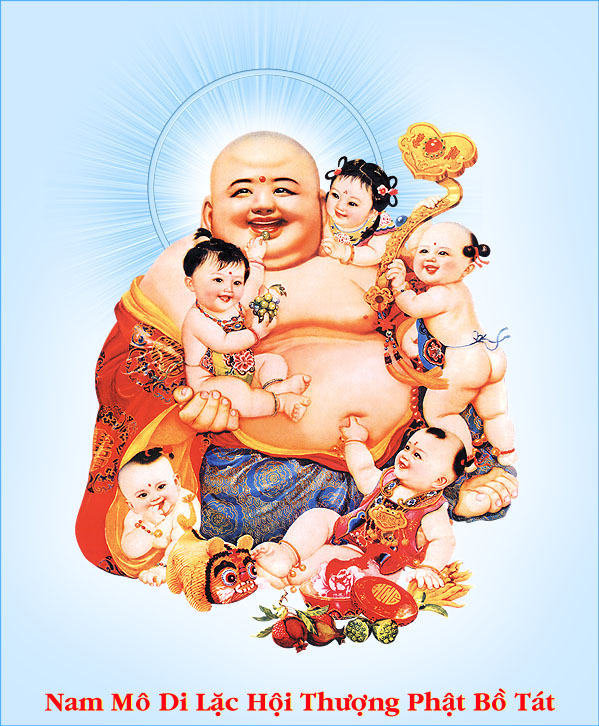
Chúng ta thường thấy tượng “Ông Phật Cười Di Lặc,” người béo tốt, cười toe toét, với 6 thằng giặc nhóc tì (lục tặc: mắt, tai, mũi, lưỡi, thân, ý) đã được Phật Di Lặc thuần hóa, bò chơi trên người Phật.
Ngày nay, đa số bố mẹ hình như gặp khủng hoảng, không biết phải dạy con thế nào. Nếu mình kỷ luật khắt khe với con quá thì sợ bị thiên hạ xem mình là lạc hậu, không quan tâm đến ý muốn của con cái. Cho nên nhiều bố mẹ chẳng có 1 hành vi nào có thể gọi là kỷ luật con. Coi như “con đặt đâu, bố mẹ ngồi đó.”
Và hiển nhiên, mọi người đều có thể tưởng tượng con cái, nhất là trẻ em từ tấm bé cho đến vị thành niên, nếu không được dạy kỷ luật, thì các em lớn lên sẽ không biết tự kỷ luật mình, và người không biết tự kỷ luật mình chắc chắn 100% sẽ thất bại trên đường đời. Continue reading Bố mẹ: Huấn luyện viên quân trường – Parents: Military instructors→
Mea culpa là tiếng Latinh, có nghĩa là “Lỗi tại tôi.” Mea culpa có mặt ở trong “Kinh Cáo Mình” (The Act of Penitence), và đoạn Kinh có từ Mea culpa (Lỗi tại tôi) được viết như sau:
Kinh Cáo Mình
Tôi thú nhận cùng Thiên Chúa toàn năng và cùng anh chị em. Tôi đã phạm tội nhiều trong tư tuởng, lời nói, việc làm và những điều thiếu sót: lỗi tại tôi, lỗi tại tôi, lỗi tại tôi mọi đàng.Continue reading Lỗi tại tôi – Mea culpa→
Ngày nay chúng ta thường nghe từ sơ tâm, như là: “Làm gì thì làm, luôn luôn nhớ giữ vững sơ tâm.” Vậy sơ tâm có nghĩa là gì?
Từ “sơ tâm” có nguồn gốc từ Phật triết. Phật gia thường dùng từ Tâm Nguyên Thủy. “Sơ” có nghĩa là nguyên thủy, đầu tiên (như Trần Thái Tông là sơ tổ của Thiền Trúc Lâm). Continue reading Sơ tâm – Original heart→