Category Archives: Lịch sử

Học và thưởng thức văn hóa thế giới qua Nhạc Xanh trên ĐCN – Learn and enjoy world cultures through Green Music on ĐCN

Chào anh chị em,

Các bạn luôn muốn mở rộng đầu óc để biết về văn hóa và lịch sử của mọi và mỗi quốc gia trên thế giới, vì đó là điều giúp bạn thực sự hiểu biết từng quốc gia và mọi quốc gia của thế giới – rất tốt cho trí tuệ của bạn.

Nếu có những bài viết về văn hóa hay lich sử nước này nước kia thì mình chắc chắn có lẽ chỉ vài chục nhà nghiên cứu trên thế giới đọc vì họ cần đọc. Còn đa số chúng ta và mọi người trên thế giới sẽ không đọc, vì rất tốn thời giờ và rất nhàm chán. Continue reading Học và thưởng thức văn hóa thế giới qua Nhạc Xanh trên ĐCN – Learn and enjoy world cultures through Green Music on ĐCN

How many US soldiers successfully escaped from North Vietnam during the Vietnam War?

QUORA

Profile photo for James Norton

James Norton · Construction Management (1982–present)3y

No American or Allied POWs escaped from North Vietnamese territory 1964 to 1973. Some Allied personnel were able to escape from NLF Viet Cong captivity in South Vietnam from 1963 to 1972. Same with Laos and Cambodia, some personnel escaped from Pathet Lao or Khemer Rouge captivity

Continue reading How many US soldiers successfully escaped from North Vietnam during the Vietnam War?

How many US soldiers successfully escaped from North Vietnam during the Vietnam War?

QUORA

Profile photo for James Norton

James Norton · Construction Management (1982–present)3y

No American or Allied POWs escaped from North Vietnamese territory 1964 to 1973. Some Allied personnel were able to escape from NLF Viet Cong captivity in South Vietnam from 1963 to 1972. Same with Laos and Cambodia, some personnel escaped from Pathet Lao or Khemer Rouge captivity

Continue reading How many US soldiers successfully escaped from North Vietnam during the Vietnam War?

How did the Vietnamese survive in the tunnels they built to evade American troops during the Vietnam War?

QUORA

Profile photo for Nguyen Toan

Nguyen Toan · A history learner. Easy to forget but eager to learn.Updated 1y

How did the Vietnamese survive in the tunnels they built to evade American troops during the Vietnam War?

There is a chapter about Cu Chi Tunnel in this book : Bare Feet, Iron Will Stories from the Other Side of Vietnam’s Battlefield. by James G. Zumwalt.

He came to Vietnam after the war, against Vietnamese but latterly changed his view a little bit. It is worth reading, easy to read from US perspective if you want to research about life in tunnels.

Below are introduction about background and the author via publisher in Amazon.

Continue reading How did the Vietnamese survive in the tunnels they built to evade American troops during the Vietnam War?

Did ancient Vietnam ever have any sort of large empire?

QUORA

Profile photo for Tim Tran

Tim Tran · 

Vietnamese-born Chinese 1y

Some may refer to the kingdom of Xích Quỷ (2879–2524 BCE) established by King Kinh Dương, in which written records described it of this size:

Unfortunately, this is legendary, and not real. There is no evidence of Xích Quỷ’s existence or being this big. At most, the records written centuries later were referring to the Baiyue tribes as a whole. In reality, those tribes never formed a united nation.

Some may refer to the kingdom of Văn Lang (7th cent.–258 BCE) established by Lạc Long Quân, in which written records described it of this size:

Unfortunately, this is also legendary, and not real, with the same basis as Xích Quỷ’s. However, it was plausible that the kingdom of Văn Lang was real, just not this big, and was ruled by the Lạc Việt, of whom China and Vietnam have differing opinions on its location. According to official Vietnamese history, this was its actual size:

Continue reading Did ancient Vietnam ever have any sort of large empire?

During 1979 Sino-Vietnamese conflict why did China decide to withdraw their troops when the road to Hanoi lay open and the city could have fallen to China?

QUORA

Profile photo for Andrew Dang

Interested in the Sino-Vietnamese War of 19794y

Andrew Dang · 

In short answer, during the Sino-Vietnamese War, after suffering a large number of casualties and before the coming of the Vietnamese crack troops, the Chinese People’s Liberation Army (P.L.A) had to withdraw their forces. The “road to Hanoi lay open and the city could have fallen to China” was also a war myth. In fact, all the roads from the border regions to Hanoi were heavily fortified and garrisoned by several main force divisions of the People’s Army of Vietnam (P.A.V.N).

Continue reading During 1979 Sino-Vietnamese conflict why did China decide to withdraw their troops when the road to Hanoi lay open and the city could have fallen to China?

Why did the Viet Cong wear rubber sandals in the jungle during the Vietnam War?

QUORA


The Viet Cong and North Vietnamese forces commonly wore rubber sandals (often called “Ho Chi Minh sandals” or dép lốp) for practical, tactical, economic, and cultural reasons. Key factors:

  • Cost and availability
    • Made from recycled car or truck tire soles, these sandals were extremely cheap to produce and easy to repair or replace in the field.
    • Local cobblers could cut and strap soles quickly using scrap materials, enabling mass distribution without industrial supply lines.
  • Durability and suitability for terrain
    • Thick tire rubber resisted sharp stones, thorns, and rough trails better than many civilian shoes.
    • Rubber tolerates recurrent wet conditions—jungle streams, mud, monsoon rains—without rapid deterioration that leather suffers from.
  • Maintenance and logistics
    • Minimal maintenance required (no polishing, waterproofing); replacements were simple.
    • Lightweight and compact for guerrilla mobility; easier to carry spares than heavy boots.
  • Noise discipline and stealth
    • Thin, flexible soles allowed quieter movement over hard jungle paths and dry leaves compared with rigid-soled boots.
    • Soldiers could move more silently during ambushes, reconnaissance, and tunnel work.
  • Cultural and practical familiarity
    • Many Vietnamese civilians already used similar footwear for daily life; soldiers were accustomed to them from childhood.
    • Sandals dried quickly and were comfortable during long patrols in hot, humid climate.
  • Tactical trade-offs
    • Sandals offered speed, silence, and simplicity but less protection against punctures, snakebite, and extreme rough ground than combat boots.
    • Viet Cong tactics emphasized mobility, concealment, and use of local terrain (trails, rice paddies, tunnels), reducing need for heavy foot protection.

Examples and outcomes

Continue reading Why did the Viet Cong wear rubber sandals in the jungle during the Vietnam War?

Did the South Vietnamese people suffer after the Vietnam War ended?

QUORA

Profile photo for Kien Do

Kien Do · Language Teacher (Retired)Updated Dec 7

Yes. They suffered — big time.

Life in South Vietnam after the Communist takeover in 1975 was marked by political oppression, property confiscation, economic hardship, and deep social upheaval.

There was a popular saying at the time: “If a lamp post could walk, it would flee the country too.”

That’s how bad it was, in a nutshell.

Let me expand — just a little.

Continue reading Did the South Vietnamese people suffer after the Vietnam War ended?

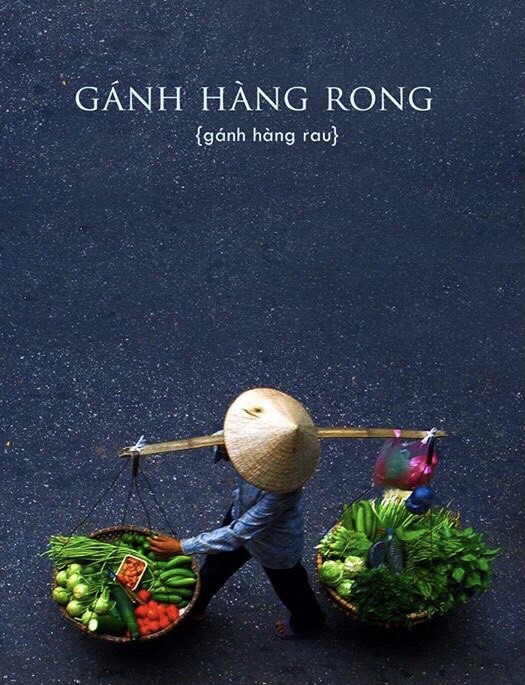
Những gánh hàng rong cuối cùng nơi đô thị – UNESCO công nhận văn hóa bán hàng rong là di sản

Xem toàn toàn bộ video phóng sự tại đây

Gánh hàng rong là nét đẹp văn hóa của người Việt

ticketgo.vn 15/08/2022 Văn hóa nghệ thuật

Bạn đã bao giờ từng mua hàng ở những gánh hàng rong? Bạn đã bao giờ ngẩn ngơ trước màu sắc rực rỡ trên những chiếc xe đạp cũ kỹ len lỏi qua từng con phố nhỏ?

 Nét đẹp của đường phố khi xuất hiện những gánh hàng rong

Gánh hàng rong đã tồn tại ở mảnh đất phố thị từ xa xưa cho đến bây giờ, từ thuở xưa của kinh thành Thăng Long khi người dân thủ đô mưu sinh trên lề đường, trong những khu chợ dân sinh đủ các tầng lớp. Mỗi lần nhắc đến văn hóa hàng rong, người ta đều mặc nhiên xem nó như một điều thân thuộc, một nét đẹp văn hóa đặc sắc của Hà thành.

Continue reading Những gánh hàng rong cuối cùng nơi đô thị – UNESCO công nhận văn hóa bán hàng rong là di sản

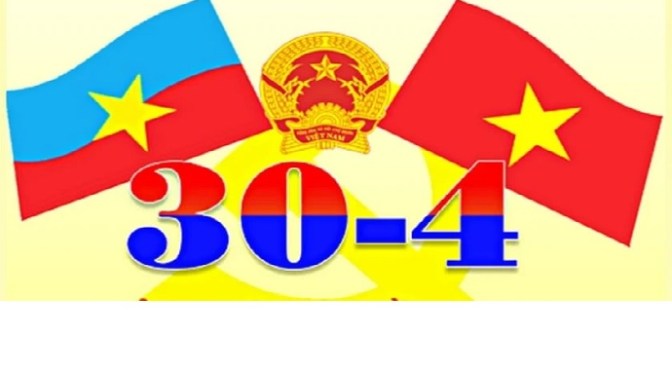
Trong bàn tay Thượng đế ngày 30-4-1975

Sài Gòn, ngày 8-4-1975, 8 giờ 30 sáng.

Trung úy phi công Nguyễn Thành Trung lái máy bay F-5E ném bom Dinh Độc Lập – cơ quan đầu não của chính quyền Việt Nam Cộng hòa – rồi hạ cánh an toàn xuống sân bay Phước Long, đã rơi vào tay Việt Cộng (đã được giải phóng) từ ngày 6-1-1975. Ngày nay Phước Long nằm trong tỉnh Bình Phước.

Không thiệt hại gì đáng kể cho Dinh Độc Lập, nhưng toàn dân miền Nam chấn động và sợ hãi.

Sài Gòn, trưa 26-4-1975.

Người yêu Hòa đến văn phòng ở Sài Gòn chuẩn bị đi Rạch Giá để ký một hợp đồng hải sản mới. Nhưng sếp Mỹ bảo cô ngồi xuống, và nói: “The US Embassy has turned on the red light.” Miền Nam sẽ mất. Miền Bắc sẽ thắng. Công ty phải về Mỹ. Cô sẽ bị nguy hiểm khi miền Bắc vào tiếp thu vì cô làm việc cho công ty Mỹ. Vì vậy, công ty muốn giúp cô và gia đình di tản qua Mỹ với công ty, và đây là chuyến đi một chiều, không trở lại. “You have 36 hours to give me your decision,” sếp nói. Và ông nói tiếp: “There is no more work to do. Go home and talk to your family, and get back to me no later than April 27.”

Continue reading Trong bàn tay Thượng đế ngày 30-4-1975

What happened during the Vietnam War that nobody talks about today?

QUORA

Profile photo for Bob Wilson

Bob Wilson · Former Professional geoscientist 7mo

I think most people are aware of the horrors that happened during the Vietnam war.

But it’s seldom talked about.

Agent Orange was used to kill the jungle, with no attention paid to the effects of people who were soaked in it.

Continue reading What happened during the Vietnam War that nobody talks about today?

How badly were the North Vietnamese defeated during the 1972 Spring Offensive [Mùa hè đỏ lửa]?

Profile photo for Dan McDermott

Dan McDermott · Former Worked in Land Surveying (Retired}7y

The North Vietnamese ( NVA) forces suffered huge losses in men and materiel. The bulk of the ground fighting was carried by the South Vietnamese Army (ARVN) who defended their country ferociously. They still do not receive adequate credit and recognition.

Continue reading How badly were the North Vietnamese defeated during the 1972 Spring Offensive [Mùa hè đỏ lửa]?

Is it true that Northern Vietnamese soldiers were ordered to avoid combats against South Korean soldiers and even run away during the Vietnam War

QUORA

Profile photo for Michael Rohde

Michael Rohde · Former Criminal Defense Investigator (1980–2003)6y

The North Vietnamese Army was a very capable force. The South Koreans in Vietnam, the Marines called them ROKs for Republic of Korea, were known as fierce fighters who also gave no quarter. Many considered their actions war crimes because they could be indiscriminate with their fire power and kill noncombatants.

Continue reading Is it true that Northern Vietnamese soldiers were ordered to avoid combats against South Korean soldiers and even run away during the Vietnam War

Near the end of the Vietnam war, the US had practically won. Viet Cong were surrendering in record numbers, their main forces annihilated and their leaders begging for peace. Why would the US pull out when they had utterly crushed the Vietnamese?

QUORA

Kevin Unruh · 5y

Profile photo for Kevin Unruh

Original Question Near the end of the Vietnam war, the US had practically won. Viet Cong were surrendering in record numbers, their main forces annihilated and their leaders begging for peace. Why would the US pull out when they had utterly crushed the Vietnamese?

Well, first lets edit this for based on the history as the rest of the world knows it.

Question should be: Near the end of the Vietnam war, the US had practically won. Why would the US pull out when they had utterly crushed the Vietnamese?

Ah, that’s better.

Btw, we hadn’t utterly crushed them, but had made life much more intolerable than it had been the previous 7 years of open conflict. Enough so that the North Vietnamese were willing to negotiate an actual end.

Continue reading Near the end of the Vietnam war, the US had practically won. Viet Cong were surrendering in record numbers, their main forces annihilated and their leaders begging for peace. Why would the US pull out when they had utterly crushed the Vietnamese?

Duyên Phận – 11 bản nhạc Bolero phổ thông nhất ở Việt Nam hiện nay

Duyên Phận – Lệ Quyên
Mar 18, 2016

Chào các bạn,

Dựa trên các bảng xếp hạng âm nhạc, lượt nghe YouTube và các bài hát phổ biến tại quán trà/karaoke (2024-2026), dưới đây là 11 bản nhạc Bolero phổ thông và được yêu thích nhất ở Việt Nam hiện nay:

  1. Nắng Chiều (Lê Trọng Nguyễn) – Bài Bolero đầu tiên của Việt Nam
  2. Duyên Phận (Như Quỳnh) – Bài hát thường được xem là “quốc ca” Bolero hiện đại.
  3. Đường Tím Bằng Lăng (Thiên Quang/Quỳnh Trang) – Tình khúc buồn kinh điển, rất thịnh hành trên các nền tảng số.
  4. Vùng Lá Me Bay (Như Quỳnh) – Bài hát bất hủ thường xuyên được yêu cầu tại các quán Karaoke.
  5. Thiệp Hồng Anh Viết Tên Em (Quang Lê/Băng Tâm) – Bài song ca bolero nổi tiếng về chủ đề cưới xin.
  6. Nối Lại Tình Xưa (Như Quỳnh/Mạnh Quỳnh) – Ca khúc song ca mang giai điệu hoài niệm.
  7. Lại Nhớ Người Yêu (Đan Nguyên/Thiên Quang) – Bài hát mang nỗi buồn sâu lắng, giọng ca được ưa chuộng.
  8. Qua Cơn Mê (Hà Thanh Xuân/Nhiều ca sĩ) – Tình khúc vàng với giai điệu nhẹ nhàng, sâu sắc.
  9. Chuyện Chúng Mình (Như Quỳnh) – Bản tình ca lãng mạn được nhiều thế hệ yêu thích.
  10. Đoạn Tái Bút (Trường Vũ) – Giọng ca đặc trưng của Trường Vũ mang lại màu sắc riêng cho nhạc buồn.
  11. Nỗi Buồn Hoa Phượng (Cẩm Ly) – Nhạc Bolero về tuổi học trò mang âm hưởng buồn man mác.

Các bài hát này vẫn giữ vững phong độ phổ biến nhờ giai điệu dễ thuộc, lời ca giản dị và thường xuyên được làm mới bởi các giọng ca Bolero hiện nay. Continue reading Duyên Phận – 11 bản nhạc Bolero phổ thông nhất ở Việt Nam hiện nay