Ngát hương đàm nở

Chào các bạn,

Dưới đây là bài hát Ngát hương đàm nở với giọng ca của ca sĩ Hà Thanh, người được mệnh danh là “Con chim họa mi hót bên bờ vai đức Phật”. Kèm theo đó là các chú thích từ ngữ Phật giáo trong bài hát.

Mời các bạn cùng thưởng thức.

Chúc các bạn ngày vô ưu.

Phạm Thu Hương Continue reading Ngát hương đàm nở

Tu núi về chợ – From the mountain to the market

Chào anh chị em,

Có lẽ các bạn đều có nghe qua về Thập Mục Ngưu Đồ (10 Bức Tranh Trâu) của Thiền tông về luyên tâm và dụng tâm. Mình có viết về Thập Mục Ngưu Đồ trên ĐCN ở đây.

Nói vắn tắt là tu tâm và dụng tâm là hai giai đoạn: (1) Tìm nơi vắng vẻ tu tâm, và (2) tu kha khá rồi thì đi về sống ở chợ để giúp đời giúp người, và cứu đời cứu người. Continue reading Tu núi về chợ – From the mountain to the market

Chính sách khuyến sinh bằng tiền thưởng vẫn khó làm người dân muốn sinh con

“Dân số Việt Nam đã vượt mốc 100 triệu người vào năm 2025, tuy vậy sự sụt giảm mức sinh đi kèm với tuổi thọ tăng đang đẩy nhanh quá trình già hóa” (Trích).

Trước lo ngại về vấn đề già hóa dân số và thiếu hụt lực lượng lao động trong tương lai, VN đang đề ra biện pháp hỗ trợ tài chính và tăng nghỉ thai sản nhằm khuyến khích người dân sinh con. Tuy nhiên, chính sách khuyến sinh sẽ khó đạt hiệu quả khi đang vô tình tạo thêm áp lực sinh con cho phụ nữ và làm tăng định kiến xã hội với những cặp vợ chồng hiếm muộn. Continue reading Chính sách khuyến sinh bằng tiền thưởng vẫn khó làm người dân muốn sinh con

Quan hệ Iran và các nước A Rập: Muôn mối tơ vò

SÁNG ÁNH – 04/05/2026 09:43 GMT+7

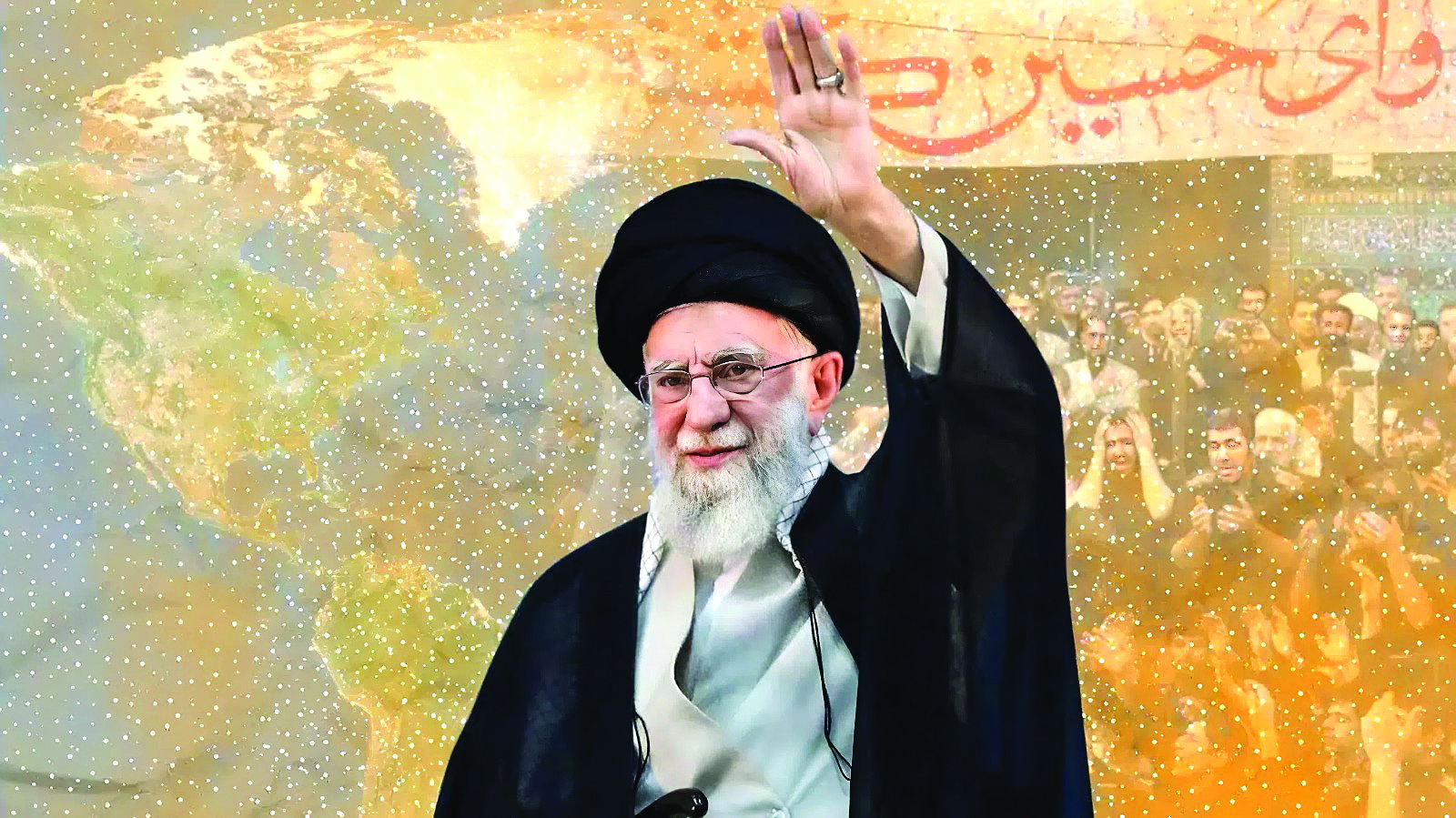
TTCTMối quan hệ giữa Iran và các nước láng giềng của họ ở vùng Vịnh và bán đảo A Rập là tầng tầng lớp lớp các yếu tố văn hóa, lịch sử, và tôn giáo, đã đảo lộn vì những can thiệp của phương Tây trong khoảng 150 năm qua.

a - Ảnh 1.
Ảnh: The Siatsat Daily

Cuộc chiến do Mỹ và Israel phát động chỉ là diễn biến mới nhất trong quá trình đó mà thôi.

Continue reading Quan hệ Iran và các nước A Rập: Muôn mối tơ vò

Why did the Viet Cong wear rubber sandals in the jungle during the Vietnam War?

QUORA


The Viet Cong and North Vietnamese forces commonly wore rubber sandals (often called “Ho Chi Minh sandals” or dép lốp) for practical, tactical, economic, and cultural reasons. Key factors:

  • Cost and availability
    • Made from recycled car or truck tire soles, these sandals were extremely cheap to produce and easy to repair or replace in the field.
    • Local cobblers could cut and strap soles quickly using scrap materials, enabling mass distribution without industrial supply lines.
  • Durability and suitability for terrain
    • Thick tire rubber resisted sharp stones, thorns, and rough trails better than many civilian shoes.
    • Rubber tolerates recurrent wet conditions—jungle streams, mud, monsoon rains—without rapid deterioration that leather suffers from.
  • Maintenance and logistics
    • Minimal maintenance required (no polishing, waterproofing); replacements were simple.
    • Lightweight and compact for guerrilla mobility; easier to carry spares than heavy boots.
  • Noise discipline and stealth
    • Thin, flexible soles allowed quieter movement over hard jungle paths and dry leaves compared with rigid-soled boots.
    • Soldiers could move more silently during ambushes, reconnaissance, and tunnel work.
  • Cultural and practical familiarity
    • Many Vietnamese civilians already used similar footwear for daily life; soldiers were accustomed to them from childhood.
    • Sandals dried quickly and were comfortable during long patrols in hot, humid climate.
  • Tactical trade-offs
    • Sandals offered speed, silence, and simplicity but less protection against punctures, snakebite, and extreme rough ground than combat boots.
    • Viet Cong tactics emphasized mobility, concealment, and use of local terrain (trails, rice paddies, tunnels), reducing need for heavy foot protection.

Examples and outcomes

Continue reading Why did the Viet Cong wear rubber sandals in the jungle during the Vietnam War?