Jesus,
You have been waiting for us for a long time.
So what do you do during that time?
You watch us?
What do you see in us? Continue reading Prayer 47

Jesus,
You have been waiting for us for a long time.
So what do you do during that time?
You watch us?
What do you see in us? Continue reading Prayer 47
Prof. Vo Quy was a remarkable man, a much admired environmentalist, a popular TV host who made science accessible and entertaining. He was a generous and caring human being whose twinkling eyes and modest good humor, and his integrity, positively influenced governments and party leaders, and several generations of Vietnamese citizens. Dr. Quy introduced many foreigners to the rich diversity of Viet Nam’s flora and fauna and instilled in everyone a sense of personal responsibility for the preservation of this fragile environment. He was a determined but temperate leader in the struggle to understand the damage caused by Agent Orange and to seek justice for those affected by its consequences.
Chuck Searcy
ASIA PACIFIC | OBITUARY
Vo Quy, Father of Environmental Conservation in Vietnam, Dies at 87
By MIKE IVES

HONG KONG — In the early 1960s, a young ornithologist successfully persuaded Vietnam’s top leaders, including its founding president, Ho Chi Minh, to designate a tract of land near the capital as the country’s first national park.
Jesus,
How are you today?
How many people have come to you?
How many people have held your hand?
How many people have whispered to you? Continue reading Prayer 46
 |

Dear Reader,
Long-term trends tend to quietly build over decades and then noisily surface as the politics catch up. Such is the case for 2017.
Today we invite you to read our annual forecast, an in-depth look at how long-term trends will impact the world in the next 365 days. The annual forecast is a 20-year tradition at Stratfor, and at the heart of what we hope to give our readers: clarity and context into a world that often seems chaotic, incomprehensible or uncertain.
Giêsu ơi,
Giêsu thích phim này hông?
Em thích phim này.
Em thích những phim kỳ ảo và lãng mạn như phim này.
Em cũng thích cách chị biên kịch người Hàn này xây dựng kịch bản.
Em nghĩ rất có ích cho kế hoạch chuyện cổ tích của mình,
Giêsu nghĩ vậy hông? Continue reading Lời cầu nguyện 45 – Prayer 45

Pro-democracy lawmaker Nathan Law speaks during a rally in Hong Kong. (File photo: AFP)
HONG KONG:- Hong Kong pro-democracy legislator Nathan Law hit out Monday (Jan 9) at “violent attacks” by pro-China protesters at the city’s airport on his return from a political forum in Taiwan.
Chào các bạn,
Đây là bài viết năm 2017 bằng tiếng Anh, giờ mình dịch để chia sẻ lại với các bạn.
Chúc các bạn ngày vui với Giêsu.
PTH
***
Giêsu ơi,
You có muốn làm việc với em không?
Đầu tiên, mình vào dotchuoinon.com để đọc trà đàm và các bài viết.
Rồi, mình xem qua emails.
You có muốn nghe Nhạc xanh không?
Làm việc thôi. Continue reading Lời cầu nguyện 44 – Prayer 44

Japan Times – AP Dec 21, 2016
BEIJING – Taiwan on Wednesday condemned the African island nation of Sao Tome and Principe’s “abrupt” move to break their diplomatic ties, while rival China welcomed the defection of one of the self-governing island’s small number of allies.
Giêsu ơi,
Giêsu nghĩ sao về nền dân chủ ở đất nước chúng em?
Giêsu có nghĩ chế độ đa đảng là tốt cho chúng em?
Em đồng ý là nước em cần dân chủ và chế độ đa đảng,
nhưng không phải bây giờ.

“Young generation of Vietnam, study and follow the moral example of Ho Chi Minh!” – propaganda posters line the streets of Hanoi before and after every big national event. (Photo: Do Khuong Duy
chanelnewsasia_HANOI: For weeks in January, an imposing bright red poster of Uncle Ho in silhouette dominated the streets around the National Convention Centre west of the Vietnamese capital. As the city’s frenetic motorbike traffic whizzed by, the poster’s technicolour trail of faces and flowers called on the young to “study and follow the moral example” of Vietnam’s revolutionary leader, Ho Chi Minh.

Japan Times Dec 28, 2016
PHNOM PENH – Conservation group WWF announced Tuesday that 10 new Irrawaddy dolphin calves were sighted this year in the section of Mekong River that runs through Cambodia, raising hope of saving the species from local extinction.
Jesus,
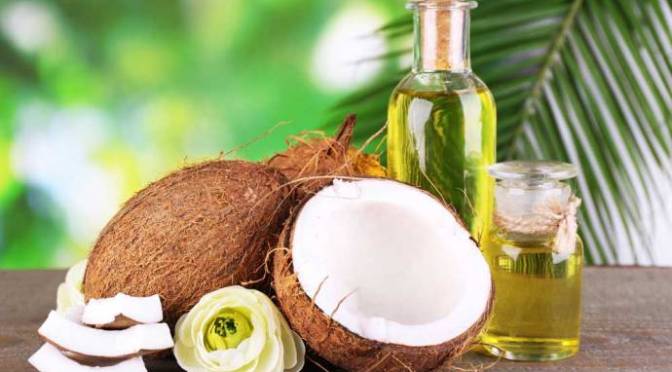
Coconut oil is good for health.
Help us drink it daily.
Help us protect your kingdom.
Thank you.
Amen.
PTH
50 years after the herbicide was used by the U.S. during the Vietnam War, Agent Orange continues to wreak havoc.

By Lucy Ha – December 21, 2016
thediplomat_Some nights, the illuminated oval-shaped building hovering over a thick row of trees keeps Trinh Bui Kokkoris, 48, restless. Each time she looks out of the window from her apartment in Brooklyn Heights, the sight of the U.S. District Court reminds Trinh of the lawsuit she and her husband lost more than a decade ago with other Vietnamese victims of Agent Orange.
Giêsu ơi,
Các vấn đề nhân quyền thật khó giải quyết.
Ở đất nước chúng em, chúng em có những vấn đề về
phân biệt giới tính,
tự do báo chí,
tự do hội họp,
tự do ngôn luận,
quyền sở hữu tài sản,
nhân quyền trong hệ thống tư pháp hình sự,
nhân quyền của đồng bào dân tộc thiểu số.
… Continue reading Lời cầu nguyện 41 – Prayer 41
Asia Foundation – January 4, 2017
In 2016, Asia was rocked by major events that tested the region’s perseverance and proved its strength. While many countries in the region proved to be economically resilient and politically stable, others were challenged by shifting alliances and leadership change, including the passing of a beloved monarch, and threats of regional security and resource shortfalls. To find out just what to expect in 2017, I asked Asia Foundation experts to share what they view will be the pivotal issue in their respective countries this year. Here are perspectives from 18 countries. — In Asia editor, Alma Freeman

Protesters march in Cambodia’s capital, Phnom Penh. Photo/Véronique Salze-Lozac’h