July 9, 2010 – Vienna Airport
Continue reading Spy swap – Mỹ và Nga trao đổi tù nhân gián điệp

July 9, 2010 – Vienna Airport
Continue reading Spy swap – Mỹ và Nga trao đổi tù nhân gián điệp
By Martha Ann Overland / Ho Chi Minh City

For much of the past year, residents of a village in Vietnam’s southern Ca Mau province heard a child screaming in terror in a nearby house, but no one alerted the authorities. As 14-year-old Nguyen Hoang Anh was being branded with hot irons, had solvents poured in his wounds and had his teeth pulled out with pliers, those who heard him ignored his cries. Neighbors feared the couple that employed the boy on their shrimp farm might retaliate against them if they notified officials. Others, knowing police rarely interfere in domestic issues, did not know whom to call.
Continue reading Child-Abuse Case Reveals Vietnam’s Lax Social Services
Mike Ives
12 July 2010

Vietnam has announced ambitious plans to develop a nuclear power industry, with the aim of having eight nuclear reactors up and running by 2030.
According to the official Vietnamese newspaper Thanh Nien officials announced last month (22 June) that the reactors would be located in five central provinces, and would generate 15,000 megawatts of power — enough to meet ten per cent of the country’s power demand.
The first reactor at the first plant, in Ninh Thuan province, will be operational by 2020, according to the plans, putting Vietnam on track to be the first country in South-East Asia to use nuclear power.
Oxford Analytica, 03.15.10, 06:00 AM EDT


From French to anti-communist to communist, each regime has put its imprint on street names. Take Saigon — oops, Ho Chi Minh City — where nearly all 60 French-named streets have been renamed.
 A historic photo, from the early 1900s, of the Rue Catinat, which later became the Tu Do (Freedom) Street, and still later Dong Khoi (Uprising) Street. Believed to have been taken between 1900-1910Credit: Collection Philippe Chaplain – Fédération Nationale du Patrimoine] *** [] (Collection Philippe, Federation Nationale / July 4, 2010) A historic photo, from the early 1900s, of the Rue Catinat, which later became the Tu Do (Freedom) Street, and still later Dong Khoi (Uprising) Street. Believed to have been taken between 1900-1910Credit: Collection Philippe Chaplain – Fédération Nationale du Patrimoine] *** [] (Collection Philippe, Federation Nationale / July 4, 2010) |
By Mark Magnier, Los Angeles Times July 5, 2010
Literature lovers who come looking for Rue Catinat in this city once known as Saigon better hope they happen upon a Francophile octogenarian.
The street, made famous in Graham Greene’s “The Quiet American,” hasn’t been called that in more than half a century. These days, it’s called Dong Khoi (Uprising) Street. (And before that, it was called Freedom Street. But more about that later.)

HANOI, Vietnam – An acupuncturist who claims she can detect a man’s virginity based on a small dot on the ear has become a minor celebrity in Vietnam, where she is credited with helping to free three convicted rapists from prison.
Traditional medicine practitioner Pham Thi Hong started lobbying for the men’s release, pleading their case all the way to the president, because she believes all three men are virgins and therefore could not be guilty of rape.
“They all had small red spots on the back of their ears,” said Hong, 54. “The spots should have disappeared if they had had sex. My many years of experience told me that these men did not have sex before.”
Continue reading ‘Virginity test’ helps free 3 in Vietnam rape case
By Jason Folkmanis
July 1 (Bloomberg) — Vietnam’s economic growth accelerated in the second quarter as revived bank lending helped boost manufacturing and consumer spending.
Continue reading Vietnam GDP Growth Quickens to 6.4% on Bank Lending
500 Greatest Songs of All Times
California Dreamin’ là bài hát do John Phillips và vợ là Michelle Phillips viết, và đầu tiên do Barry McGuire hát và ghi âm. Nhưng phải đợi khi ban The Mamas and the Papas, là ban nhạc hát phụ họa cho Bary McGuire trong phiên bản ghi âm trước, ghi âm lại năm 1965 thì bài hát mới thành nổi tiếng.
Ban nhạc The Mamas and The Papas gồm các thành viên như: John Phillips (nhạc sĩ sáng tác bài này, qua đời năm 2005), Denny Doherty (qua đời năm 2007), Michelle Phililips (vợ của John), Cass Elliot, Scott McKenzie, Jill Gibson. Ban nhạc này nổi lên vào năm 1966 với thành công vang dội của California Dreamin’ khi nó lọt vào top 10. Ca khúc này được phát hành lần đầu tiên vào tháng 11, năm 1965 và được báo nhạc Rolling Stone xếp hạng thứ 89 trong 500 Bài hát hay nhất trong mọi thời đại.
Qua tiếng hát của The Mamas and The Papas của thập niên 60, ca khúc kinh  điển California Dreamin’ đã trở thành nhạc phẩm thịnh hành được nhiều người yêu chuộng. Vào giữa thập niên 90, nhạc phẩm California Dreamin’ lần nữa được dùng làm ca khúc chính trong phim “Chungking Express”, một trong 100 cuốn phim được tuần báo Time của Mỹ chấm là hay nhất. Trong phim này, đạo diễn Wong Kar Wai đã mượn nhạc phẩm này để nói lên ước mơ về vùng trời xa xăm của cô bồi bàn trong một tiệm ăn nhỏ ở Hong Kong.
Continue reading California Dreaming – California mộng mơ
| Young volunteers promote gender equality in Dong Xuan Market in Ha Noi. Viet Nam is drafting two national programmes to promote gender equality and social development. — VNA/VNS Photo Duong Ngoc |
HA NOI — In an effort to promote gender equality in Viet Nam, the country is creating a national strategy in order to eliminate gender discrimination.A 10-year national project on gender equality and a five-year national programme, which would encourage women to contribute to the development of the family, community and entire society, are being drafted.
Both projects have been discussed at a number of conferences and workshops held by the Ministry of Labour, Invalids and Social Affairs (MoLISA), with the participation of domestic and international experts and relevant organisations.
500 Greatest Songs of All Times
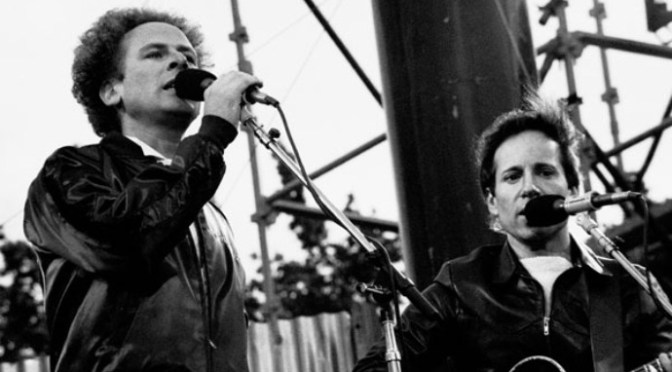
The Sound of Silence được Paul simon viết trong vài tháng năm 1963-1964 và ban song ca Paul Simon & Garfunkel ghi âm năm 1964. Nhưng bài hát không được ai quan tâm. Trong năm 1965 một số kên radio ở Boston và Florida bắt đầu chơi bàn này nhiều. Giám đốc sản xuất đĩa nhạc là Tom Wilson vì vậy quyết định chỉnh lại bài ghi âm bằng cách đắp lên đó một số dòng nhạc cụ điện tử và remix các tracks nhạc. Wilson làm mà không cho Simon và Garfunkel biết. Đĩa đơn cho bài hát được phát hành tháng 9/1965.
Bài hát lên ngày hạng 1 trên Billboard Hot 100. Simon và Garfunkel làm thêm một đĩa nhạc mới lấy tên Sounds of Silence để dùng sự thành công của bài hát. Bài hát lên đầu bảng tại nhiều nước khác sau đó, như Úc, Áo, Tây Đức, Nhật và Hà Lan. Vì thường được xem là rock dân ca kinh điển, bài hát được đưa vào National Recording Registry của Thư viện Quốc hội Mỹ vì “quan trọng về văn hóa, lịch sử, và nghệ thuật” năm 2013, cùng với album Sounds of Silence.
Báo nhạc Rolling Stone xếp The Sound of Silence hạng 157 trong 500 Bài hát hay nhất trong mọi thời đại.
Continue reading The Sound of Silence – Âm thanh của im lặng – Simon & Garfunkel
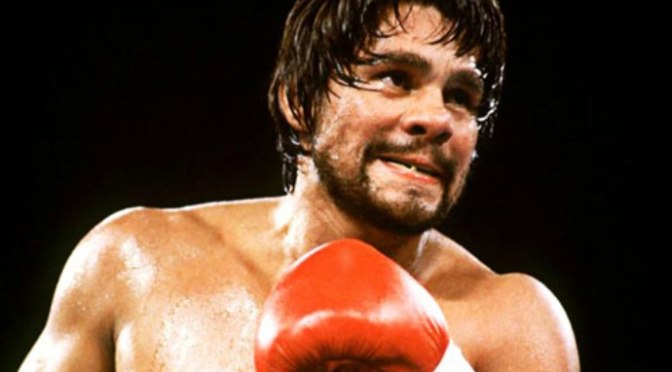
The Boxer là bài hát của bộ đôi simon & Garfundkel trong album thứ 5 của họ, Bridge over Troubled Water (1970). Bản The Boxer được phát hành trước album, tháng 3/1969, như là bài hát chính của albumn ra sau. Bài này có ảnh hưởng dân ca và rock nhẹ, thay đổi giữa lời than của nhân vật kể chuyện và vài nét phát họa về một nhân vật thứ ba – người võ sĩ, nói về nghèo khổ và cô đơn. Continue reading The Boxer – Người võ sĩ
500 Greatest Songs of All Times
Bridge over Troubled Water là bài hát của Paul Simon và được bộ đôi Simon & Garfunkel ghi âm và phát hành năm 1970 trong album thứ 5 và là album cuối của bộ đôi có cùng tên Bridge over Troubled Water. Bài hát và album thắng 4 giải Grammy tại Grammy thứ 13 năm 1971 gồm: Đĩa của năm (Record of the Year), Hòa âm hay nhất (Best Arrangement), Bài hát đương thời hay nhất (Best Contemporary Song), Kỹ thuật ghi âm tốt nhất (Best Engineered Recording).
Bridge over Troubled Water trở thành bài hát chữ ký (signature song) của Simon & Garfunkel. Lên hạng nhất trên Billboard Hot 100 sáu tuần liền, và cũng lên đầu bảng ở Anh, Canada, Pháp, và New Zealand. Bài hát cũng lên top five trong 8 nước khác. Bài hát là một trong những bài được trình diễn nhiều nhất trong thế kỷ 20 với hơn 50 nghệ sĩ ghi âm, trong đó có Elvis Presley và Aretha Franklin.
Báo nhạc Rolling Stone xếp Bridge over Troubled Water hạng 48 trong 500 Bản nhạc hay nhất trong mọi thời đại.
Continue reading Bridge over Troubled Water – Chiếc cầu bắc ngang nước siết

Ngọn lửa mà chúng ta quay mặt vào mạnh đến nỗi
Có thể đốt cháy vụ mùa rơm của cả trăm người hợp lý.
Quốc vương của Trước-Vĩnh-Cữu cho chúng ta chiếc quan tài chứa đau đớn của tình yêu làm quà tặng;
Vì vậy chúng ta đã quay buồn khổ của chúng ta về phía căn chòi rách nát của khách du hành mà chúng ta gọi là “thế giới”.
Từ nay trở đi tôi sẽ không dành cánh cửa nào trong tim tôi mở cho tình yêu về các sinh linh đẹp đẽ;
Tôi đã quay lưng và đóng dấu triện của đôi môi thánh trên cánh cửa nhà này.
Bây giờ là lúc quay lưng lại với ảo tưởng dưới lớp áo đã vá bao lần của chúng ta.
Nền tảng của sự nghiệp chúng ta là sự thông minh có thể nhìn xuyên thấu tất cả những trò chơi này.
Chúng ta đã quay mặt về phía viên ngọc trai nằm trên thềm đại dương.
Vậy thì tại sao chúng ta lại lo lắng chiếc thuyền cũ kỹ chòng chành này có đi tiếp hay không?
Chúng ta quay về phía người trí thức và gọi họ là ký sinh trùng của lý lẽ;
Cám ơn Chúa, họ như là những người tình thật không lòng tin không con tim.
Những người Hồi giáo Sufi đã chấp nhận một huyễn ảo, và Hafez cũng chẳng khác.
Đích điểm của chúng ta cách xa tầm với biết bao, và ý chí của chúng ta yếu ớt biết bao!
(TĐH dịch)
by Hafiz (1320 – 1389)
(English version by Rober Bly
Original Language: Persian/Farsi)
We have turned the face of our dawn studies toward the drunkard’s road.
The harvest of our prayers we’ve turned toward the granary of the ecstatic soul.
The fire toward which we have turned our face is so intense
It would set fire to the straw harvest of a hundred reasonable men.
The Sultan of Pre-Eternity gave us the casket of love’s grief as a gift;
Therefore we have turned our sorrow toward this dilapidated traveller’s cabin that we call “the world.”
From now on I will leave no doors in my heart open for love of beautiful creatures;
I have turned and set the seal of divine lips on the door of this house.
It’s time to turn away from make-believe under our robes patched so many times.
The foundation for our work is an intelligence that sees through all these games.
We have turned our face to the pearl lying on the ocean floor.
So why then should we worry if this wobbly old boat keeps going or not?
We turn to the intellectuals and call them parasites of reason;
Thank God they are like true lovers faithless and without heart.
The Sufis have settled for a fantasy, and Hafez is no different.
How far out of reach our goals, and how weak our wills are!
Khwaja Abdullah Ansari (Sheikh Ansari Jabir ibn ‘Abdullah al-Ansari, còn gọi là Ansari of Herat) sinh năm 1006 ở Herat, miền tây Afghanistan.
Khwaja Abdullah Ansari mất ở Herat năm 1088, và nơi chôn cất ông vẫn là nơi để hàng nghìn giáo dân hồi giáo Sufis hành hương hàng năm.
Từ Không tôi đến
Và dựng lều trong Rừng Hiện hữu Vật thể
Tôi đi qua các vương quốc kim loại và cây cỏ,
Rồi khí cụ trí óc của tôi mang tôi vào vương quốc thú vật;
Đã đến đó, tôi lại vượt qua nó;
Rồi bên trong lớp vỏ trong suốt thủy tinh của quả tim người
Tôi nuôi nấng giọt tự ngã trong Viên Ngọc Trai,
Và cùng với người thiện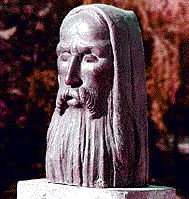
Lòng vòng trong Nhà Nguyện,
Và đã thể nghiệm điều đó, tôi vượt qua nó;
Rồi tôi chọn con đường đến với Ngài,
Và trở thành nô lệ tại cổng Ngài;
Rồi cách chia biến mất
Và tôi trở thành thẩm thấu vào Ngài.
TĐH dịch
Ghi chú: Chữ “Không” trong câu đầu là từ Phật giáo, dùng để dịch từ “the un-manifest” của Hồi giáo ở đây.
From the un-manifest I came,
And pitched my tent, in the Forest of Material existence.
I passed through mineral and vegetable kingdoms,
Then my mental equipment carried me into the animal kingdom;
Having reached there I crossed beyond it;
Then in the crystal clear shell of human heart
I nursed the drop of self in a Pearl,
And in association with good men
Wandered round the Prayer House,
And having experienced that, crossed beyond it;
Then I took the road that leads to Him,
And became a slave at His gate;
Then the duality disappeared
And I became absorbed in Him.
Khwaja Abdullah Ansari
Hôm nay chúng ta trở lại với Words and Their Stories ( Những Câu Chuyện về Từ ngữ) với link cho phần Nghe, của VOA.
Bài hôm nay có tựa đề I Feel Very Blue của tác giả Warren Scheer. Đọc tựa đề các bạn sẽ thấy nội dung câu chuyện xoay quanh các thành ngữ thông dụng về màu sắc
Bài dịch do bạn Lê Vĩnh Thanh, một cây dịch tuổi học trò, đã từng dịch một số truyện song ngữ và một bài về Word and Their Stories trên ĐCN. Cảm nhận về từ ngữ Tiếng Anh trong ngữ cảnh, khả năng đọc hiểu nhạy và cách dịch của Vĩnh Thanh khá gãy gọn và chính xác.
Mời các bạn đọc- vui học thành ngữ cũng như trau đồi kỹ năng nghe Tiếng Anh.
Các bạn vào link này để down load phần nghe
Huỳnh Huệ giới thiệu
.
TÔI ĐANG THẤY RẤT BUỒN
Mỗi dân tộc có một cách nói riêng, những đặc ngữ của riêng họ. Nhiều thành ngữ thông dụng của người Mỹ dựa trên màu sắc.
 Màu đỏ là một màu nóng. Người Mỹ dùng nó để thể hiện sức nóng. Họ có thể nói họ đang nóng tiết/ nóng phừng phừng lên vì một chuyện bất công nào đó. Khi họ nóng tiết nghĩa là họ đang rất tức giận vì chuyện gì đó. Loài ớt nhỏ, cay được dùng trong nhiều món ăn Mêhicô thì gọi là ớt đỏ (red hots) vì màu và vị cay mạnh của chúng. Nhạc chơi nhanh và to đuợc nhiều người rất ưa thích. Họ có thể nói nhạc đó “ red hot”, đặc biệt là loại nhạc Jazz. Dixieland.
Màu hồng là một loại màu nhạt hơn của màu đỏ. Ngưòi ta hay nói họ đang tươi hồng khi họ khỏe. Thành ngữ này được sử dụng đầu tiên bởi ngưòi Mỹ đầu thế kỉ 20. Có thể nó bắt nguồn từ việc em bé sinh ra hồng hào cho thấy rằng chúng đang khỏe.
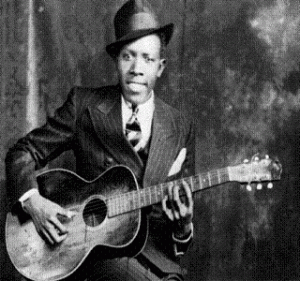
Xanh dương là một màu mát. Loại nhạc blues truyền thống ở Mỹ thì đối lập với nhạc red hot đỏ. Nhạc blue chậm, buồn và có hồn. Duke Ellington và ban nhạc của ông thu âm một bài hát nổi tiếng-Mood Indigo-về một màu xanh trầm, màu chàm. Trong lời bài hát có câu: “Bạn chưa biết buồn chừng nào mà bạn chưa từng trải qua cảm giác xanh Indigo đó”. Khi ai đó đang xanh blue thì nghĩa là họ đang rất buồn.
Màu xanh lá là màu tự nhiên của cỏ cây. Nhưng không tự nhiên đối với người. Một người mà bị đau bụng thì có thể nói cô ấy hơi xanh tái. Một hành khách trên thuyền bị say sóng thì trông xanh mét mặt mày.
Đôi khi ngưòi ta buồn vì không có một thứ gì đó tốt bằng bạn mình, như một chiếc xe mới chạy nhanh. Người đó có thể nói rằng anh ta xanh lên vì ghen tị. Một vài ngưòi ghen tị vì một người bạn có nhiều tiền hay giấy xanh. Tờ đô-la được gọi là giấy xanh vì mặt sau nó có màu xanh.
Màu đen rất hay đựơc sử dụng trong diễn đạt. Người ta tả một ngày mà mọi việc đều xui xẻo là một ngày đen tối. Một ngày mà có một thảm họa xảy ra thì được nhớ đến là một ngày đen tối. Bây giờ một danh sách đen là bất hợp pháp. Nhưng có một thời các ông chủ từ chối thuê những ngưòi trên danh sách đen vì họ thuộc những hội kín.
Ở một vài trường hợp, màu sắc thể hiện một tình huống. Một giảm điện/ tối nâu là một thành ngữ thể hiện sự giảm cường độ điện. Giảm địên xảy ra khi có quá nhiều nhu cầu về điện. Hệ thống điện không còn đủ khả năng để cung cấp điện cho toàn khu vực. Tối đen rất phổ biến thời Thế Chiến II. Các sĩ quan đã cho tắt hết điện trong thành phố để làm cho máy bay địch khó phát hiện mục tiêu trong đêm tối.
Lê Vĩnh Thanh
Lớp 10 CA Nguyễn Du BMT
I FEEL VERY BLUE
Every people has its own way of saying things, its own special expressions. Many everyday American expressions are based on colors.
Red is a hot color. Americans often use it to express heat. They may say they are red hot about something unfair. When they are red hot they are very angry about something. The small hot tasting peppers found in many Mexican foods are called red hots for their color and their fiery taste. Fast loud music is popular with many people. They may say the music is red hot, especially the kind called Dixieland jazz.
Pink is a lighter kind of red. People sometimes say they are in the pink when they are in good health. The expression was first used in America at the beginning of the twentieth century. It probably comes from the fact that many babies are born with a nice pink color that shows that they are in good health.

Blue is a cool color. The traditional blues music in the United States is the opposite of red hot music. Blues is slow, sad and soulful. Duke Ellington and his orchestra recorded a famous song – Mood Indigo – about the deep blue color, indigo. In the words of the song: “You ain’t been blue till you’ve had that Mood Indigo.” Someone who is blue is very sad.
The color green is natural for trees and grass. But it is an unnatural color for humans. A person who has a sick feeling stomach may say she feels a little green. A passenger on a boat who is feeling very sick from high waves may look very green.
Sometimes a person may be upset because he does not have something as nice as a friend has, like a fast new car. That person may say he is green with envy. Some people are green with envy because a friend has more dollars or greenbacks. Dollars are called greenbacks because that is the color of the back side of the paper money.
The color black is used often in expressions. People describe a day in which everything goes wrong as a black day. The date of a major tragedy is remembered as a black day. A blacklist is illegal now. But at one time, some businesses refused to employ people who were on a blacklist for belonging to unpopular organizations.
In some cases, colors describe a situation. A brown out is an expression for a reduction in electric power. Brown outs happen when there is too much demand for electricity. The electric system is unable to offer all the power needed in an area. Black outs were common during World War Two. Officials would order all lights in a city turned off to make it difficult for enemy planes to find a target in the dark of night.
~Warren Scheer


 Đọt Chuối Non