
Chào các bạn,
Hôm nay, mình muốn chia sẻ với các bạn câu chuyện giữa Judas và Chúa Giêsu. Đây là câu chuyện về tình yêu và lòng trung thành của Chúa Giêsu dành cho tất cả chúng ta, kể cả những người phản bội Chúa, như Judas.
Judas Iscariot là một trong số mười hai môn đệ của Chúa Giêsu. Chúa Giêsu nhận Judas là môn đệ vì Chúa Cha đã kéo Judas đến với Chúa. Vì chẳng ai đến với Chúa Giêsu được nếu Chúa Cha không kéo người ấy (John 6:44). Trong số mười hai môn đệ, Judas là người giữ túi tiền. Tuy nhiên, Judas lại là một tên trộm vì hay trộm tiền trong túi để dùng riêng (John 12:6).
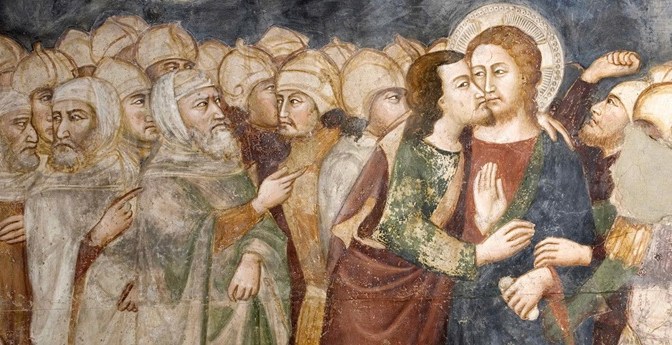
Judas cũng lên kế hoạch nộp Chúa cho các thầy tế lễ cả và nhận ba mươi đồng bạc từ họ ( Matthew 26:15). Judas phản bội Chúa Giêsu bằng cách hôn Chúa. Nụ hôn là dấu hiệu để quân lính của các lãnh đạo Do Thái bắt Chúa. Sự kiện này xảy ra trong vườn Gethsemane sau Bữa Ăn Tối Cuối Cùng. (Matthew 26:47-50; Mark 14:43-45; Luke 22:47-53).
Sau khi biết Chúa Giêsu phải chết trên thập giá, Judas cảm thấy ân hận vì đã phản bội người vô tội. Judas trả lại tiền cho các thầy tế lễ cả, rồi treo cổ tự tử. Các thầy tế lễ đã dùng tiền này để mua một cánh đồng chôn cất người lạ. Cánh đồng này được gọi là “Cánh đồng máu” vì được mua bằng tiền máu. (Matthew 27:1-10).
Rõ ràng thì Chúa Giêsu biết trước Judas sẽ phản bội Chúa, nhưng Chúa không tức giận và ngăn cản Judas. Vì Chúa Giêsu tin vào kế hoạch của Chúa Cha dành cho Chúa. Chúa Giêsu biết mọi điều về Judas. Judas làm điều tội lỗi với Chúa Giêsu và các môn đệ khác vì Judas yếu đuối và dễ bị cám dỗ. Vì vậy, Chúa Jesus không kết tội Judas.
Khi bị bắt, Chúa Giêsu nói với Judas, “Này bạn, bạn đến đây làm gì thì cứ làm đi” (Matthew 26:50). Điều này cho thấy, Chúa Giêsu vẫn coi Judas là bạn và sẵn sàng chết vì người bạn này. Chúa Giêsu bày tỏ tình yêu vô điều kiện của Chúa cho Judas tội lỗi thông qua cái chết, như Chúa nói trong John 15:13: “Không có tình thương nào cao cả hơn tình thương của người đã hy sinh tính mạng vì bạn hữu của mình.”
Trên thực tế, nếu một người chúng ta tin yêu đột nhiên phản bội ta, ta thường bị sốc và đau buồn. Ta tự hỏi tại sao người này lại xử tệ với ta? Chúng ta phản ứng như vậy vì chúng ta vẫn chưa hiểu lòng trung thành thực sự nghĩa là gì. Lòng trung thành nghĩa là dù người thân yêu hay bạn bè có rời bỏ và phản bội ta, thì ta vẫn yêu và trung thành với những người ấy. Như Chúa Giêsu luôn yêu và trung thành với Judas.
Tất nhiên, khi mọi người đều quay lưng và rời bỏ ta, ta có thể rơi vào trạng thái cô đơn cùng cực. Ta cảm giác như không ai đứng bên ta nữa. Thế nhưng, ta thực sự vẫn có một người bạn trung tín bên cạnh. Đó là Chúa Giêsu. Vì Chúa Giêsu luôn yêu thương và không bao giờ phản bội một ai.
Câu chuyện giữa Judas và Chúa Giêsu cho chúng ta thấy yêu thương và trung thành luôn ở trong tim Chúa Giêsu. Dù mọi người phản bội Chúa Giêsu, thì Chúa vẫn luôn trung thành và yêu họ cho đến cùng. Đây là điều Chúa Giêsu muốn chúng ta biết và tin vào lòng trung tín của Chúa.
Chúc chúng ta luôn yêu thương và trung thành với Chúa Giêsu và mọi người.
In Christ,
An An
o0o
Story between Judas and Jesus
Dear Brothers and Sisters,
Today, I would like to share with you the story between Judas and Jesus. This story is about Jesus’ love and faithfulness to all of us, including those who betray Him, like Judas.
Judas Iscariot was one of the twelve disciples of Jesus. Jesus accepted Judas as His disciple because the Father drew Judas to Him. As no one can come to Jesus unless the Father draws them (John 6:44). Among the Twelve, Judas was the keeper of the moneybag. However, He was a thief, because He frequently stole money from the bag for personal use (John 12:6).
Judas also made a plan to deliver Jesus to the chief priests and received thirty pieces of silver from them (Matthew 26:15). Judas betrayed Jesus by kissing him. The kiss was a signal for the soldiers from the Jewish leaders to arrest Jesus. The event happened in the Garden of Gethsemane after the Last Supper. (Matthew 26:47-50; Mark 14:43-45; Luke 22:47-53).
After knowing Jesus had to die on the cross, Judas felt remorse for betraying an innocent person. He returned the money to the chief priests, then He committed suicide by hanging. The priests used the money to buy a field to bury foreigners. The field was called the Field of Blood as it had been bought with blood money. (Matthew 27:1-10).
Obviously, Jesus knew Judas would betray him in advance, but He didn’t get angry and prevent Judas. Because Jesus believed in the Father’s plan for Him. Jesus knew everything about Judas. Judas did sinful things to Jesus and other disciples as He was weak and easy to be tempted. That’s why Jesus didn’t condemn Judas.
When Jesus was arrested, He said to Judas, “Do what you came for, friend” (Matthew 26:50). This shows that Jesus still considered Judas a friend and was ready to die for this friend. Jesus expressed His unconditional love for sinful Judas through His death, as He said in John 15:13, “Greater love has no one than this: to lay down one’s life for one’s friends.”
In reality, if someone we trust and love suddenly betrays us, we are often shocked and sorrowful. We wonder why this person treats us badly? We react like that because we still don’t understand what loyalty truly means. Loyalty means no matter whether our loved ones or friends leave and betray us, we still love and are loyal to those people. Like Jesus always loved and was faithful to Judas.
Of course, when everyone turns his/her back and leaves us, we might fall into the state of extreme loneliness. We feel like no one stands by us anymore. Yet we actually still have a faithful friend beside us. That is Jesus. As Jesus always loves and never betrays anyone.
The story between Judas and Jesus shows us that love and loyalty are always Jesus’ heart in. Though people betray Jesus, He is always loyal and loves them to the end. This is what Jesus wants us to know and believe in His faithfulness.
May we always love and be loyal to Jesus and everyone.
In Christ,
An An

