
Chia sẻ | FaceBookTwitter Email Copy LinkInterested003/09/2020 12:32 GMT+7
In recent years both Hanoi and HCM City have undergone rapid development, with many skyscrapers, immense boulevards, and impressive public works taking shape.
Let’s take a look at the amazing architectural feats of the nation’s two largest cities:
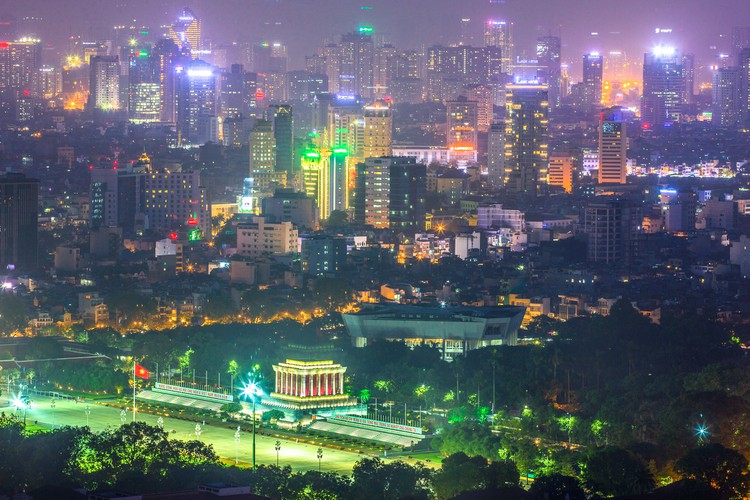
Ba Dinh Square, the country’s largest square, is located on Hung Vuong street directly in front of the Ho Chi Minh Mausoleum. The site is the place where President Ho Chi Minh proclaimed the Declaration of Independence on September 2, 1945, therefore marking the start of the Democratic Republic of Vietnam.
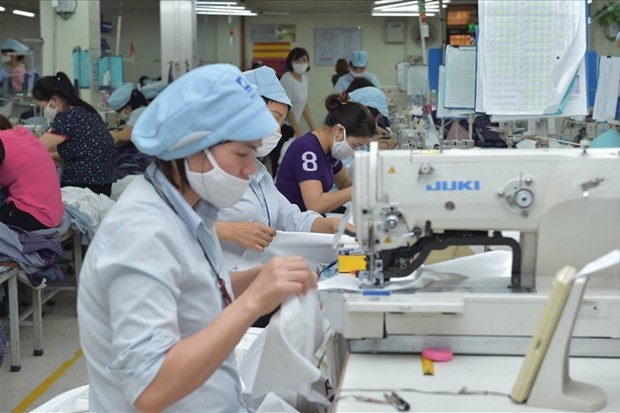
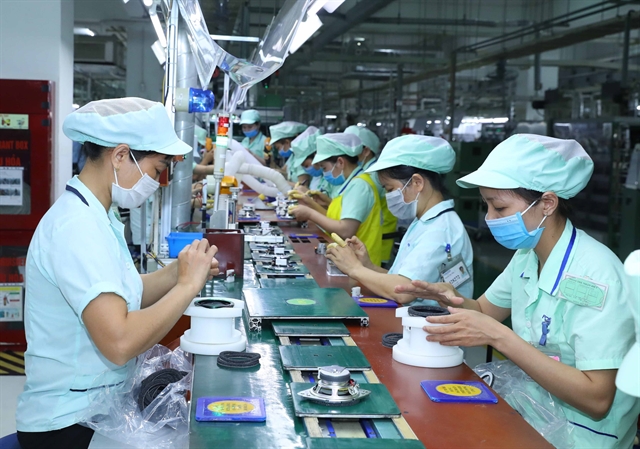 Workers of Foster Electric Vietnam Co Ltd on a production line. The total import-export value of the whole country in June reached US$43.28 billion, up 15.8 per cent over May. — VNA/VNS Photo Thống Nhất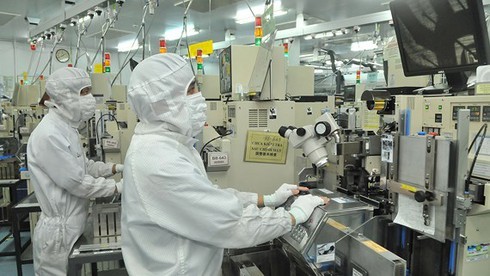

 |
|

 Pandemic-hit Indian exporters, especially in labour-intensive sectors, are expecting their fortune to plummet further, as key competitor Vietnam has clinched a free trade agreement (FTA) with the EU.
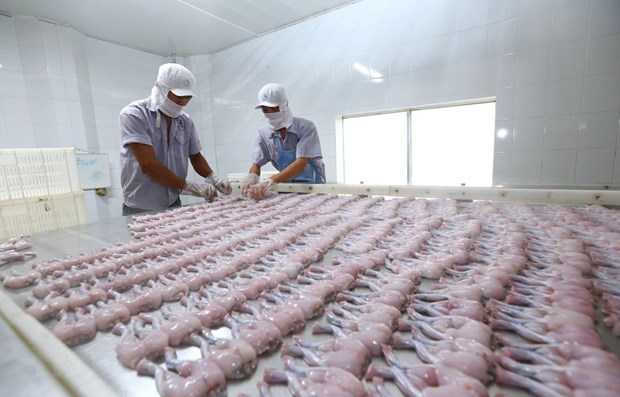
The pact will raise competition between the Asian rivals for the lucrative EU market in a range of products such as garments, footwear, marine products, plastics, rubber, leather and coffee (See the chart). Importantly, Vietnam will get duty-free access to the EU for 71% of its goods from day one and 99% after seven years but Indian supplies will continue to attract up to 9.6% duty (the maximum, among the products from labour-intensive sectors, is on garments).
Pandemic-hit Indian exporters, especially in labour-intensive sectors, are expecting their fortune to plummet further, as key competitor Vietnam has clinched a free trade agreement (FTA) with the EU.
The pact will raise competition between the Asian rivals for the lucrative EU market in a range of products such as garments, footwear, marine products, plastics, rubber, leather and coffee (See the chart). Importantly, Vietnam will get duty-free access to the EU for 71% of its goods from day one and 99% after seven years but Indian supplies will continue to attract up to 9.6% duty (the maximum, among the products from labour-intensive sectors, is on garments).
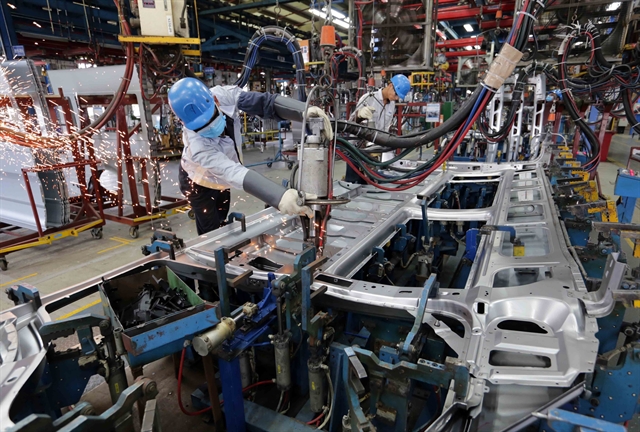
 A man works at an assembly line of Vinfast Auto factory in Hai Phong city, Vietnam, June 14, 2019. (Reuters file photo)
Vietnam’s economy unexpectedly grew in the second quarter, though at the slowest pace in at least a decade, as exports slumped because of the coronavirus pandemic.
Gross domestic product rose 0.36% from a year earlier, compared with a revised 3.68% in the first quarter, the General Statistics Office said Monday in Hanoi. The median estimate in a Bloomberg survey of economists was for GDP to shrink 0.9%.
Vietnam’s export-reliant economy is taking a knock as the virus disrupts global supply chains and hurts demand, but is still likely to be one of the better performers in Southeast Asia this year.
A man works at an assembly line of Vinfast Auto factory in Hai Phong city, Vietnam, June 14, 2019. (Reuters file photo)
Vietnam’s economy unexpectedly grew in the second quarter, though at the slowest pace in at least a decade, as exports slumped because of the coronavirus pandemic.
Gross domestic product rose 0.36% from a year earlier, compared with a revised 3.68% in the first quarter, the General Statistics Office said Monday in Hanoi. The median estimate in a Bloomberg survey of economists was for GDP to shrink 0.9%.
Vietnam’s export-reliant economy is taking a knock as the virus disrupts global supply chains and hurts demand, but is still likely to be one of the better performers in Southeast Asia this year.
 Cảnh buôn bán trên một con phố Hà Nội khi về đêm. Ảnh: CNN Travel

 Fifteen Vietnamese banks have recently been named in The Asian Bankers’ AB500 ranking and survey of Asia Pacific’s strongest banks.
The banks include Vietcombank, BIDV, VietinBank and Techcombank, as well as MB, LienVietPostBank, ACB and VPBank, in addition to HDBank, TP Bank, SHB, VIB, SeABank, Sacombank and PVcomBank.
Fifteen Vietnamese banks have recently been named in The Asian Bankers’ AB500 ranking and survey of Asia Pacific’s strongest banks.
The banks include Vietcombank, BIDV, VietinBank and Techcombank, as well as MB, LienVietPostBank, ACB and VPBank, in addition to HDBank, TP Bank, SHB, VIB, SeABank, Sacombank and PVcomBank.


