Chào các bạn,
Jurij 7 tuổi và Karina 6 tuổi, làm các giám khảo há hốc mồm, và toàn khán giả và giám khảo đứng dậy vỗ tay ngưỡng mộ khi các em xong màn trình diễn.
Màn này sẽ làm các bạn vui cả tuần.
Mến ,
Hoành

Chào các bạn,
Jurij 7 tuổi và Karina 6 tuổi, làm các giám khảo há hốc mồm, và toàn khán giả và giám khảo đứng dậy vỗ tay ngưỡng mộ khi các em xong màn trình diễn.
Màn này sẽ làm các bạn vui cả tuần.
Mến ,
Hoành
Hi everyone.
China has just arrested 12 more fishermen from Quảng Ngãi province.

Obviously China is sending a very clear message that it does not tolerate Vietnam’s assigning Hoang Sa as a district of Quang Nam. That is understandable.
But the Vietnamese people now may have less problem with China than with our own government, who appears to act like a chicken.
I am afraid that standing up to foreign aggression is not an exclusive activity of the government. I understand that a lot of good diplomacy needs to be spent for this kind of work. But this government needs to do something worthy of a government, in addition to honeytalk with an aggressor. Do all honey talks as you want, but the world also want to see that we, the nation, have muscles.
Or the people of this nation will have take the matter into their own hands (including me with my own hands), dealing with China directly, and treating the government as irrelevant.
You guys have a very short time to show the people that you are doing something worthy of a government.
Great day!
Hoanh
Chào các bạn,
Có lẽ đức tính được người đời ca tụng nhiều nhất là tính kiên nhẫn. Cato the Elder nói, “Kiên nhẫn là đức tính lớn nhất trong mọi đức tính.” Issac Newton nói, “Nếu tôi có được khám phá giá trị nào, đó là nhờ chú y’ kiên nhẫn hơn là bất kỳ tài năng nào tôi có.” Vậy, kiên nhẫn là gì và làm sao ta có được kiên nhẫn?
Từ kiên nhẫn (patience) có nhiều nghĩa hơi khác nhau tùy theo từng ngữ cảnh. Khi thì nó có nghĩa kiên trì, không bỏ cuộc; khi thì không quá nóng lòng chờ kết quả, cứ bình tĩnh chờ thời gian đến; khi thì có nghĩa nhẫn nhục chịu đựng khó khăn. Tùy theo y’ nghĩa khác nhau, chúng ta có luyện tập kiên nhẫn khác nhau.

1. Kiên nhẫn là biết thời gian tính. Đây là vấn đề timing. Đây là kiên nhẫn người ta nói đến thường nhất, thực tế nhất, và cần ít công phu nhất.
Bất cứ điều gì trên đời cũng cần thời gian. Nếu nấu cơm cần 20 phút để cơm chín, thì ta không thể tăng lửa cao gấp 5 lần và 4 phút sau thì xong nồi cơm… cháy. Kiên nhẫn là biết thời gian đòi hỏi cho một vấn đề, chờ thời gian đó đến. Đây thuần túy là kiến thức và kinh nghiệm.
Mỗi vấn đề, mỗi công việc, đều có những chu trình riêng và những mốc thời gian cho chu trình. Người hiểu vấn đề thì kiên nhẫn đợi thời gian, làm việc theo chu trình thời gian. Người không hiểu thì bồn chồn nóng nảy “Tại sao chưa thấy gì?” và làm thêm điều gì đó chưa nên làm, vì vậy mà hỏng chuyện. Cho nên, việc gì chưa biết chưa rành, thì học người có kinh nghiệm hơn chỉ lại.
Chú sư tử rình mồi, biết là dòng suối này thường có nai đến uống nước, cho nên cứ kiên nhẫn nằm trong bụi rậm, hết trưa đến chiều đến tối, hôm nay chưa có, ngày mai cũng phải có. Căn bản thời gian tính này mà còn không biết, và không hành động theo thời gian, thì nhất định là phải đói.
2. Kiên nhẫn là kiên trì cho đến lúc thành công. Đây là mức cao hơn của kiên nhẫn, và là yếu tố số một của thành công trong các dự án. Nếu ta có một mục đích, và mắt ta không rời mục đích đó, cứ gắng công đi đến mục đích dù mưa gió bão bùng hay động đất, thì ta sẽ đến mục đích một ngày nào đó. Đây thuần túy là vấn đề y’ chí. Chúng ta đã nói đến vấn đề này trong bài Kiên trì—Yếu tố số một của thành công.
Kiên trì ở đây, ngoài yếu tố “đi hoài cũng tới đích”, nó còn hàm y’ nghị lực chiến thắng 3 lọai tiêu cực trên đường đi—tiêu cực từ chính mình, tiêu cực từ hoàn cảnh, và tiêu cực từ người khác.
.
Tiêu cực từ chính mình còn là ngượng ngùng, ngại ngùng, không dám đứng dậy nổi bật lên, chỉ muốn chìm vào đám đông cho thoải mái, cho nên không dám làm điều gì vượt trội.
Muốn tự tin vào chính mình thì chỉ phải lăn vào chiến trận để biết là mình thực ra cũng không tồi. Như học trò học võ, cách duy nhất để tự tin là ra sân đấu. Mấy hôm đầu ăn đòn hơi nhiều, mấy hôm sau ăn đòn ít hơn, và lại thấy mình cũng cho đối phương ăn được vài đòn. Thế là có tự tin.
Nếu cứ để sợ hãi trong lòng mình níu mình lại, không cho mình vào chiến trận, không cho mình ăn đòn, thì mình sẽ sợ hãi và thiếu tự tin cả đời.
.
Thành công không lệ thuộc vào cái yếu của mình, mà chỉ lệ thuộc vào cái mạnh của mình. Ví dụ: Giải vô địch toán không biết nhà mình nghèo hay giàu, mà chỉ biết cái đầu mình giỏi toán đến mức nào. Vậy thì, đừng nói nhà tôi nghèo, mà hãy nói tôi có cái đầu nhậy toán. Giải vật tay không biết bạn bị mất một chân, mà chỉ biết bạn có cánh tay vô địch. Vậy thì đừng nói tôi mất một chân, hãy nói tôi có cánh tay lực lưỡng.
Đổ lỗi cho những yếu kém của hoàn cảnh là suy nghĩ thiếu luận lý. “Thành công của bạn không biết đến các điểm yếu của bạn, và chỉ biết chiều theo sức mạnh của bạn.” Vậy thì, đừng nói đến các điểm yếu của hoàn cảnh của mình. Hãy chú tâm đến những điểm mạnh của mình mà phát triển.
.

3. Kiên nhẫn là nhẫn nhục, nhẫn nhịn. Đây là ý nghĩa cao nhất của kiên nhẫn. Đây không còn là thành công trong vài dự án, và là hoàn toàn làm chủ tâm mình, làm chủ đời mình, thành công cho cả đời mình. Đây là nhẫn nhục mà ta đã nói trong bài Một sự nhịn là chín sự lành, là khiêm tốn và không còn cái tôi, là mẹ đẻ của tất cả các kỹ năng sống khác, mà ta đã nói trong bài Những kỹ năng sống, và Làm thế nào để khiêm tốn.
Khi không còn “cái tôi” thì ta khiêm tốn, ta nhẫn nhục, ta kiên nhẫn… ta làm chủ tâm mình. Ta có thể có được những kỹ năng sống khác một cách tự nhiên.
Trong đa số các khóa học về tư duy tích cực trên thị trường ngày nay, chúng ta chỉ học được đến điểm thứ nhất và thứ 2 trên đây. Tuy nhiên, điểm thứ 3 này mới là nền tảng sâu nhất của tư duy tích cực.
Chúc các bạn một ngày vui.
Mến,
Hoành
© copyright TDH, 2009
www.dotchuoinnon.com
Permission for non-commercial use
Hi everyone,
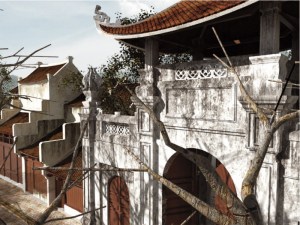
Probably you have heard about the proposal to have 36 New Streets for Hanoi, as the counterpart for 36 old streets of Hà Nội 36 Phố Phường.
The new proposal is to use the names of 36 capitals of the world to name 36 new streets of Hanoi, and to have reciprocals from those 36 capitals to put Chùa Một Cột in them.
How do you feel about this proposal?
Before answering, you may want to read other people’s opinions in these articles:
http://www.tienphong.vn/Tianyon/Index.aspx?ArticleID=167999&ChannelID=2
Have a great day!
Hoanh
Chào các bạn,
Hôm qua chúng ta nói về khiêm tốn như là mẹ của các kỹ năng sống khác. Hôm nay, chúng ta đến câu hỏi tiếp theo tự nhiên: Làm sao để chúng ta có được đức khiêm tốn?

Hỏi được câu này tức là chúng ta cũng thừa biết là không dễ dầu gì để khiêm tốn,vì hầu như toàn hệ thống giáo dục và văn hóa của thế giới chỉ nhắm đến làm phồng “cái tôi”—ca tụng người số một, ca tụng người nhiều tiền, ca tụng người có thế lực, ca tụng người thành công… Từ nhỏ đến lớn ta sống với đủ mọi giải thưởng—hoa hậu, học giỏi nhất, chạy nhanh nhất, xí nghiệp đầu tiên, người đầu tiên… Bố mẹ thầy cô, tất cả mọi người chung quanh, đều dạy ta từ tấm bé là phải cố để thành công, để chiến thắng, để “có danh gì với núi sông”, để trở thành ông này bà nọ… Chẳng ai, dạy là lớn lên hãy sống một cuộc đời không tên không tuổi, không ai biết mình là ai…
Thế thì khiêm tốn sao được?
Vì nhu cầu kinh tế xã hội thực tế, cũng như vì khuyến khích chúng ta phấn đấu chiến thắng hoàn cảnh khó khăn, chúng ta chỉ cho nhau tự tin, và hầu như trong tự tin có sẵn mầm tự cao đâu đó—tự tin và tự cao chỉ cách nhau một sợi chỉ, và tất cả chúng đều bước qua sợi chỉ đó. Cho nên, muốn khiêm tốn không phải là chuyện dễ. Nếu ta đủ can đảm để nói “Tôi khiêm tốn” thì trong câu nói đó đã có mùi không khiêm tốn rồi.
Sau đây chúng ta nghiên cứu một số phương thức quen thuộc dùng để tự huấn luyện tính khiêm tốn:
1. Những cái căn bản nhất ta có đều không do ta mà có. Nếu ta có được cái đầu thông minh, học đâu biết đó, tính đâu đúng đó, thì cái đầu đó không do ta mà có. Cũng không phải từ bố mẹ tạo ra, bởi vì bố mẹ chẳng có quyền năng gì vào việc đó cả. Ta có thể nói đó là may rủi, hay là trời cho, nhưng điều chắc chắn là ta chẳng có công cán gì trong việc có được cái đầu thông minh cả (dù là có một tí công trong việc mài dũa nó tốt hơn một tí). Vậy thì, hãy khiêm tốn cảm ơn ông trời hay cảm ơn “may rủi”, thay vì kiêu căng. Có được giọng ca tốt cũng thế, thân hình đẹp cũng thế… Vốn liếng trời cho, mình chẳng có công cán gì hết, thì đừng tự cao, mà hãy khiêm tốn cảm ơn.

2. Bất kỳ cái gì mình có, trong Sự Thật, chẳng quí hơn cái người khác có tí nào. Chẳng qua là vì hệ thống kinh tế (bất toàn) của con người bóp méo mà thôi. Giọng ca mang triệu đô la, chẳng có ly’ do gì mà qúy hơn khả năng còng lưng 10 tiếng một ngày trên cánh đồng, hay khả năng đánh một đôi giày bóng lưỡng trên hè phố. Chẳng qua là trong hệ thống kinh tế tiền nong của ta, mọi người thích mua CDs nhiều, cho nên ca sĩ giàu hơn thế thôi. Chẳng ly’ do gì mà người ca sĩ có thể xem mình cao hơn người nông dân hay em bé đánh giày (trừ khi người ca sĩ không biết suy nghĩ).
Hệ thống kinh tế chính trị xã hội bất tòan của con người bóp méo mọi giá trị trên đời. Ta đừng để các bóp méo đó lừa lọc mình. Những cái gì người khác đang có, trong Sự Thật, trước khi các giá trị bị xã hội bóp méo, có giá trị ngang hàng với những cái mình có.
3. Tất cả những gì mình có, có thể mất ngay trong một sớm một chiều. Nhà cháy một buổi, Thương mãi sụp rất nhanh trong một lúc khủng hoảng. Tình yêu thì khỏi nói, có thể bye-bye nhanh hơn hỏa tiễn. Cái đầu thông thái có thể mất đi trong một tích tắc đụng xe. Sức khỏe (là nền tảng của mọi sản nghiệp khác) có thể mất đi chỉ vì một cơn bệnh nan y. Cho nên, nói theo kiểu Mỹ là “Don’t be so hung up about them.” (Đừng treo dính cái đầu vào mọi thứ đó!).
4. Nhìn vào bức tranh tổng thể, mình chỉ là một dấu chấm tí ti. So với lịch sử hàng triệu triệu năm của con người thì cuộc đời 60 hay 100 năm của mình chỉ là 1 dấu chấm tí ti. So với lịch sử vô thủy vô chung của vũ trụ, thì cuộc đời mình chưa đến một dấu chấm tí tí.
So với 8 tỉ người của trái đất mình chỉ là một chấm. So với tòan thể loài người từ cổ chí kim, mình chưa là một chấm.
So với trái đất mình chỉ là một chấm. So với thái dương hệ, trái đất chỉ là một chấm. So với Ngân Hà, thái dương hệ chỉ là một chấm. Cho với “vũ trụ đã biết”, Ngân Hà chỉ là một chấm. So với “vũ trụ chưa biết” thì có lẽ “vũ trụ đã biết” chỉ là một chấm. Thế thì, “Don’t be so hung up about yourself.”
Chỉ cần một tí suy tư như thế cũng đủ để cho ta thấy ta chẳng có ly’ do gì mà kiêu căng và không khiêm tốn.

Nhưng dù là ta chẳng là cái gì cả như thế, ta cũng vẫn có ly’ do để tự tin và hạnh phúc vì:
• Nói theo Phật gia, thì ta với vũ trụ bao la vô tận vô thủy vô chung đó là một–không có ta thì không có vũ trụ đó. Cũng như, mỗi chúng ta ta chỉ là một con số nhỏ xíu trong “quốc dân” 80 triệu nguời của nước ta. Nhưng mỗi chúng ta vẫn rất có y’ nghĩa bởi vì nếu không có mỗi chúng ta thì không có quốc dân.
• Nói theo truyền thống Moses (Do thái giáo, Thiên chúa giáo, Hồi giáo) và các truyền thống tâm linh khác, thì con người được Thượng đế tạo nên, là con của thượng đế, cho nên dù là rất nhỏ bé, vẫn có một y’ nghĩa lớn trong toàn thể tạo vật.
Đây là những cái nhìn rất quân bình, một mặt cho chúng ta thấy cái nhỏ bé của mình, để mình có thể khiêm tốn, một mặt cho mình thấy vai trò tích cực của mình trong việc tạo dựng toàn thể và, do đó, trong việc tiếp tục làm cho toàn thể tốt đẹp hơn.
Dù sao đi nữa thì khiêm tốn là một kỹ năng đòi hỏi ta suy tư sâu sắc và, quan trọng nhất là, thực hành hàng ngày cho đến khi ta thuần thục, và sau đó tiếp tục như là một phần tự nhiên trong máu của mình. Tuy nhiên, “thực hành” ở đây phần lớn là “thực hành” ở trong tâm, trong cái nhìn của ta về người khác, vật khác. Thực hành trong tâm sẽ khiến ta thực hành ra ngoài đúng cách, tùy theo những điều kiện đặc biệt của mỗi sự việc bên ngoài.
Chúc các bạn một ngày vui.
Mến,
Hoành
© copyright TDH, 2009
www.dotchuoinnon.com
Permission for non-commercial use
Hi everyone,
Below is a thanks note from Lê Phan Hiên Vy to an unnamed English teacher who is also a ĐCN admin. It is so mysterious that it took me hours to analyze, test, and cross out each name–Loan Subaru, Thùy Dương, Hiển and even me–to finally come up with the most plausible choice–chị Huệ. I am confident that this is the right name, after such a vigorous screening process. 🙂
Everyone can just chip in with Hiên Vy. Thanks, Hiên Vy.
Hoanh
.
For my big teacher

Today is not Teacher’s or Women’s day. But I choose this day to express my feeling about a very important person that changed my life: My big English teacher.
I must admit that I was very afraid of you in the early days when I was first studied in your class (I have to use passive voice because to study in your class is not a simple thing in some way). You were so strict with us that whenever we went to the class, we were very “stressful”. But thanks to your strictness, my friends and I were more and more good at English and we now realise our dream: we all passed and win our place in our university. And you must be very happy to hear this: I am one of three candidates who get highest mark in Faculty of Business Administration in my university!
For me, to meet you is my luck, and my destiny. I was not a good English student but after three years being taught by you, I archived many things that I had never thought I could do that just only one time in my life. Though what I gained were not as good as what your other excellent students did, I am always very proud of them and my biggest pride is being your student. You not only teach me knowledge, but also lessons of dream and belief. You showed me that if I believe in myself, I can do everything. You lit my dream up and made me believe in myself, and it can be said that my feeling for you are so strong that the word “love” can not describe them.
I am now a bird with my wings spreading fully in my blue sky, but I will never forget my nest, where I learned every thing from you to flap my wings and fly higher and higher. I will be far away from you but my heart is always near you, as long as you think that I am besides you.
I wish you health and luck to go on teaching other little birds so that they can win their own success just like I do. I did, I do and I will always try my best to become a successful person. I believe each of my success is a gift for you, and I promise that you will receive more gifts in the future. Believe in me.
Your little student,
Lê Phan Viên Hy
PS: I may not have good words to express what I want to say but my feeling is from the bottom of my heart. And I believe you can feel it.
Nếu đọc về các kỹ năng sống, kỹ năng làm cho mình vui vẻ hạnh phúc, kỹ năng đắc nhân tâm, kỹ năng tăng hiệu năng công việc, kỹ năng ngoại giao, rồi đến các kỹ năng làm việc quản ly’ dự án, quản lý nhân viên, … thì có lẽ chúng ta sẽ ngợp thở hầu như có quá nhiều điều để học, và hầu như không nhớ hết để học. Đó là chưa kể mỗi thầy nói một đường. Rốt cuộc học trò như lạc vào mê hồn trận, không biết đường nào mà mò.

Cuộc sống như thế là quá khó khăn và phức tạp. Phải có cách nào giản dị hóa cuộc đời. Hơn nữa, học cả một đám rừng như thế thì cơ hội đi lạc cao hơn là cơ hội hiểu biết. Nguyên cả một rừng nhạc thì cũng chỉ 7 nốt chính, cộng 5 nốt thăng giáng, là 12 nốt. Người học nhạc là học 12 nốt rồi tự biến hóa chúng thành nhạc, chứ không ai phải học cả rừng nhạc của nhân loại. Học vẽ cũng thế, tổng cộng là 3 mầu chính, vàng xanh đỏ và 2 màu trắng đen, vài quy luật về quân bằng, và bối cảnh, vậy thôi. Từ đó mà biến hóa ra hình ảnh gì là do sức sáng tạo của người nghệ sĩ.
Khi chúng ta học chỉ một vài điều căn bản, rồi từ đó tập biến hóa, đó là học đúng đường. Khi chúng ta phải học hàng trăm công thức ứng xử cho cả hàng chục trường hợp khác nhau, là chúng ta đã bắt đầu học như vẹt. Học vẹt thì không thể hiểu được, và có áp dụng thì cũng không thể áp dụng nó như hạng thầy.
Thế thì, về cuộc sống, đâu là vài nguyên lý, từ đó chúng ta có thể biến hóa sáng tạo?
Tất cả những điều quan trọng nhất cho đời sống đều được dạy ở cấp tiểu học và ta đã học hết hồi tiểu học. Ví dụ: Toán thì cộng trừ nhân chia, phân số, căn bản hình học, căn bản toán đố. Bao nhiêu đó là đủ sống cả đời cho 98 phần trăm dân số, kể cả luật sư, nhà văn, nhà báo… Chỉ hai phần trăm còn lại có nghề chuyên môn đòi hỏi biết nhiều hơn thế. Viết văn cũng thế, học xong tiểu học là biết viết đúng chính tả, viết câu rõ ràng, làm luận có 3 phần một bài. Cao hơn thì cũng chỉ như thế mà thành thạo hơn mà thôi.
Căn bản kỹ năng sống ta cũng đã học hết thời tiểu học: Khiêm tốn, lễ độ, biết ơn, yêu người nghèo khổ, đoàn kết, đùm bọc lẫn nhau, thờ cha kính mẹ, yêu anh em, yêu bạn bè, thành thật, không trộm cắp gian tham, không giết người, không hút sách … Có cần gì để học thêm nữa? Ta tìm đọc hết sách này đến sách kia, chẳng qua là vì ta không chịu thuần thục các căn bản này, rồi cứ nghĩ là mình cần thêm.
Và nếu nghiên cứu kỹ hơn một tí, tất cả các nguyên ly’ căn bản tiểu học kể trên lại có thể thu vào một nguyên ly’ duy nhất—khiêm tốn. Nếu ta khiêm tốn thực sự, khiêm tốn sẽ đẻ ra mọi đức hạnh và kỹ năng khác.

* Nếu bạn khiêm tốn, bạn vào bất cứ nơi nào trên thế giới và chào hỏi bất cứ cách nào người ta cũng thương bạn, dù là bạn chào không đúng kiểu của dân vùng đó, và cách chào của bạn có thể làm người ta buồn cười. Nhưng người ta có thể thấy được bạn là người khiêm tốn dịu dàng, vì người thực sự khiêm tốn ai gặp cũng biết. Bạn không cần học đù kiểu bắt tay và chào hỏi, bạn vẫn thành công trong ngoại giao. Và nếu bạn học thêm đủ cách bắt tay và chào hỏi, thì bạn sẽ biến chúng thành kỹ năng tự nhiên thành thục của riêng bạn, mà không cần phải tốn công nhiều.
* Nếu bạn khiêm tốn, đương nhiên là bạn biết lắng nghe.
* Nếu bạn khiêm tốn, đương nhiên là bạn biết nhỏ nhẹ khi nói chuyện hoặc tranh luận.
* Nếu bạn khiêm tốn, đương nhiên là bạn chiến đấu tốt, vì bạn không khinh địch, và cũng không khinh thường giám khảo hay bồi thẩm đoàn.
* Nếu bạn khiêm tốn, đương nhiên là bạn phân tích giỏi và học giỏi, vì bạn sẽ không ngần ngại hỏi bất kỳ người nào, bất kỳ nơi nào, để học hỏi thêm bất kỳ điều gì mình chưa biết.
* Nếu bạn khiêm tốn, bạn sẽ rất giỏi, vì bạn luôn luôn biết được điều gì mình chưa biết, và không lừa thiên hạ và tự lừa mình là mình đã biết.
* Nếu bạn khiêm tốn, đương nhiên là bạn kính trọng suy nghĩ của người khác, cho nên bạn ít thành kiến và ít tranh cãi, và hòa giải tốt với mọi người.
* Nếu bạn khiêm tốn, đương nhiên bạn sẽ thành thật, vì chẳng có lý do nào để nói dối để làm tốt cho mình.
* Nếu bạn khiêm tốn, đương nhiên là bạn biết tri ân và biết cách tỏ lòng tri ân, và vì vậy là rất giỏi ngoại giao.
* Nếu bạn khiêm tốn, đương nhiên là bạn can đảm, vì chẳng sợ mất gì, từ danh tiếng, địa vị, đến quyền lợi.
* Nếu bạn khiêm tốn, đương nhiên là bạn lãnh đạo giỏi, vì mọi người dưới trướng đều yêu bạn, và bạn nghe được lời nói của tất cả mọi người để biến sự thông thái của tất cả mọi người thành thông thái của mình.
* Nếu bạn khiêm tốn, đương nhiên là ngọai giao giỏi, vì đi đâu ai cũng yêu.
* Nếu bạn khiêm tốn, thì bạn sẽ có ít stress và vui vẻ nhiều, vì chẳng có ai và điều gì có thể làm bạn bị đụng chạm căng thẳng.
Chúng ta có thể kể ra rất nhiều. Chỉ một tính “khiêm tốn” nếu ta thực sự thuần thục nó thì ta có đủ mọi đức tính và kỹ năng sống khác. Và khi học các kỹ năng khác, ta cũng tiếp thụ tự nhiên rất nhanh mà không lẫn lộn.
Cũng chính vì thế mà các trường phái tâm linh lớn của thế giới đều lấy khiêm tốn làm gốc—đó chính là “vô ngã” (không có cái tôi) của nhà Phật, hay “giao phó tất cả đời mình vào tay Thượng đế” (total submission) trong truyền thống Moses (Do thái giáo, Thiên chúa giáo, và Hồi giáo).
Đó cũng chính là ly’ do tại sao khi nói đến tư duy tích cực ở đây, chúng ta không muốn nói nhiều đến hàng trăm công thức, mà chỉ muốn nhấn mạnh vào một vài điểm—khiêm tốn, thành thật, yêu đời, yêu người, yêu mình.
Thực ra nếu ta khiêm tốn thực sự, đương nhiên ta sẽ đạt được những thứ còn lại: Thành thật, yêu mình, yêu người, yêu đời. Nhưng nếu bạn hơi lo lắng rằng chỉ có một điều thì quá ít, bạn có thể nhớ 5 kỹ năng căn bản này: “Khiêm tốn, thành thật, yêu mình, yêu người, yêu đời.” Các kỹ năng căn bản này sẽ đẻ ra tất cả các kỹ năng sống khác, ngoại trừ một vài kỹ năng về kỹ thuật nghề nghiệp, trong đời.
Chúc các bạn một ngày vui.
Mến,
Hoành
© copyright TDH, 2009
www.dotchuoinnon.com
Permission for non-commercial use
Chào các bạn,
Năm 1995 mình và bà xã lên thăm Buôn Ma Thuột và đuợc chị Linh Nga Niêk Dam, lúc đó là đang dạy âm nhạc và làm việc tại đài phát thanh Buôn Ma Thuột, đưa đi chơi, ca hát với một nhóm bạn của chị. Và chị Linh Nga giới thiệu cho mình và Phượng nhạc Êđê và giọng ca Ymoan.

Phản ứng đầu tiên của mình với nhạc Êđê là sức mạnh và mức văn minh của nó. Dĩ nhiên là chị Linh Nga đã nói trước với mình, “Anh sẽ ngạc nhiên khi nghe nhạc Êđê. Như là nhạc rock.” Nghe xong một vài bản trong máy cassette của chị mình thấy quá hứng khởi. Mình nói với chị Linh Nga, “Nhạc này mà sang Mỹ trình diễn như nhạc rock tân thời, thì dân Mỹ phải mê.” Mình còn đề nghị với chị Linh Nga là viết lời tiếng Anh cho các ca sĩ Êđê hát, để xuất cảng văn hóa sang Mỹ. Nhạc Êđê mạnh và rất chỏi nhịp. Đó là đặc điểm của nhạc rock tân thời, khác với nhạc cổ điển vào nhịp rất đều đặn. Continue reading Người hát rong của rừng núi Tây Nguyên–Y Moan

Hi everyone,
Archbishop Vincent Nichols said MySpace and Facebook led young people to seek “transient” friendships, with quantity becoming more important than quality.
He said society was losing some of its ability to build communities through inter-personal communication, as the result of excessive use of texts and e-mails rather than face-to-face meetings or telephone conversations.
He said skills such as reading a person’s mood and body language were in decline, and that exclusive use of electronic information had a “dehumanising” effect on community life.
Do you agree with that?
Have a great day!
Hoanh
Chào các bạn,
“Chính sách mở cửa (open door policy)” hàm y’ chính sách lãnh đạo trong đó người lãnh đạo để cửa văn phòng của mình mở, để tất cả mọi nhân viên lớn bé đều có thể gặp mình bất kỳ lúc nào một cách dễ dàng. Dĩ nhiên, là trên thực tế lãnh đạo rất bận rộn, không phải lúc nào bước vào phòng là có thể nói chuyện ngay được. Nhưng hàm y’ của chính sách rất rõ: Anh gặp tôi lúc nào cũng được, cũng như là vào phòng bạn của anh thôi.

Đó là chính sách dựa trên căn bản tình bạn và bình đẳng. Chính sách này có cũng đã lâu nhưng chỉ thực sự phát triển mạnh khoảng hai thập niên nay, với sự bùng nổ của cuộc cách mạng thông tin. Email cho phép các đại công ty rút gọn sơ đồ tổ chức (organization chart) thực sự thành hai hàng: Hàng đầu là tổng giám đốc, hàng thứ hai là tất cả mọi người còn lại. Tổng giám đốc ngày nay có thể nói chuyện trực tiếp với toàn thể nhân viên qua emai mà không cần phải rải lời nói từ trên đỉnh kim tự tháp, xuống nhiều bậc cấp, trước khi xuống đến hàng nhân viên cuối cùng như khi xưa. Điều này làm gia tăng khả năng truyển thông và hiểu biết giữa mọi người trong công ty, và tránh hiểu lầm gây ra do truyền thông qua quá nhiều cấp trung gian.
Đây là chiều hướng phát triển kỹ năng lãnh đạo, quản ly’, và tổ chức, của thế giới, đã bắt đầu từ cuộc chiến dành độc lập và hiến pháp Mỹ 1776, rồi cách mạng dân quyền của Pháp năm 1789, trong đó y’ niệm bình đẳng và dân chủ là nền tảng triết lý sâu xa, và là kim chỉ nam cho tất cả các ly’ thuyết quản ly’—từ chính trị, đến kinh tế, thương mãi, phát triển công đồng– từ đó đến nay. Và với phát triển tin học, mà ta thể chưa mường tượng hết được, thì ta có thể tin rằng tiện nghi về truyền thông sẽ giúp thế giới khám phá thêm nhiều hình thức quản ly’ bình đẳng và dân chủ hơn cả những gì ta có thể thấy ngày nay.
Điều này đặt Việt Nam chúng ta trong một vị thế phải tự điều chỉnh rất khó khăn. Chúng ta có hai trở ngại rất căn bản trong thực hành y’ niệm bình đẳng.
1. Trên cơ cấu xã hội, chúng ta là một xã hội rất giai cấp trong tư tưởng: Ông versus thằng, quan v. dân, nhà nước v. dân, ông chủ v. cu li… Người Việt chúng ta khi nói đến các từ này là hiểu ngay ta muốn nói gì, Nhưng so với người Mỹ chẳng hạn, Mỹ không có cách để dịch “ông v. thằng”. Ta có thể dùng hai từ nào đó để dịch, ví dụ, Mister v. Boy, nhưng chẳng ai có thể hiểu được hai từ đó là gì cả, trừ phi ta tốn mấy phút giải thích lòng vòng cho thiên hạ hiểu ta muốn ám chỉ hai giai cấp được kính trọng và bị khinh rẻ trong xã hội Việt Nam, mà ở Mỹ thì hoàn toàn không có y’ niệm đó để hiểu.
Nhà nước v. dân cũng vậy. Dịch ra tiếng Anh là government v. citizens thì chẳng ai có thể nghĩ ra nó có hệ cấp như bố với con ở Việt Nam ta. Còn nếu nói “đảng ta v. ta” thì hệ cấp đó còn nhân thêm vài mươi lần. Các bạn cứ tự nhiên tìm từ để điền vào chỗ trống.

2. Tuy nhiên đó vẫn là chuyện nhỏ, vì vấn đề cơ cấu xã hội còn có gốc rễ sâu xa từ trong văn hóa—cách xưng hô cùa người Việt. Trong ngôn ngữ Việt chẳng có từ nào thực sự thay thế trọn vẹn I và you trong tiếng Anh, je and tu/vous trong tiếng Pháp, và ngộ và lị trong tiếng Hoa cả.
* Cách xưng hô chính của người Việt là hệ cấp gia đình: chú cháu, cô cháu, em anh v.v… Thực sự đây là cách xưng hô rất hay và mình rất thích, vì làm cho người cả nước xưng hô với nhau như người cùng một nhà. Đúng là một mẹ trăm con, và tình thân của người cùng nòi giống thật là khắng khít.
Nhưng cũng cách xưng hô hệ cấp đó gây ra nhiều hệ cấp xã hội và khó khăn trong giao tiếp, nhất là trong các tranh luận chính trị kinh tế cần bình đẳng. Trước hết, người Việt khi mới quen chưa biết tuổi tác nhau, thường rất lọng cọng khó khăn khi nói chuyện. Kiểu nói trống không, không có chủ từ trong câu văn như, “À, sẽ đêm cái đó đên ngày mai” nghe rất tức cười.
Và trong các tranh luận, người nhỏ hơn, trong cách xưng hô truyền thống, không thể nào có tranh luận bình đẳng với người lớn tuổi hơn một tí, trừ phi anh chàng trẻ tuổi muốn mọi nguời gọi là “hỗn.”
Tất cả mọi sinh viên du học mình đã gặp (và mình chưa được hân hạnh gặp người ngoại lệ) đều nói với mình là các bạn thoải mái khi tranh luận bằng tiếng Anh hơn tiếng Việt, dĩ nhiên là vì I với you thì rất bình dẳng.

• Ngoài cách xưng hô gia đình, trong một số các ngành nghề, sự xưng hô được đặt ra để xây dựng một hệ cấp rất rõ ràng.
Ví dụ: Trong nhà thờ, người ta gọi linh mục là cha xưng con, kể cả khi vị linh mục dưới 30 tuổi và người “con” 65 tuổi. Điều này nghe không được. Ở các nước Âu Mỹ, từ “Father” coi như là một chức danh, khi nói chuyện thì người ta dùng I và you, chứ không như ở nước ta chỉ thuần túy cha/con, kể cả khi “cha” đáng tuổi con cháu của “con.” Đây là vấn đề lớn cho sự phát triển dân chủ trong giáo hội (và dĩ nhiên là trong quốc gia, vì giáo hội là một phần của quốc gia). Đó là chưa kể nó có vẻ không phù hợp với văn hóa Việt Nam—người nhỏ tuổi thì phải tự xưng là con/cháu và gọi người lớn tuổi hơn là cô/dì/chú/bác.
Trong các tôn giáo khác thì cũng thế, “thầy và con” tạo ra một hệ cấp xuyên tuổi tác và không bình đẳng, và không phù hợp văn hóa Việt.
(Trong học đường, thầy/cô và em thì được vì trong đa số trường hợp, thầy/cô lớn tuổi hơn các em rất nhiều).
* Thực sự là chúng ta khó có giải pháp cho vấn đề này, vì nó là văn hóa. Nhưng chúng ta cần phải quan tâm đến các vấn đề này vì hệ cấp là đương nhiên không bình đẳng, mà không bình đẳng là phản dân chủ, mà phản dân chủ là sẽ làm cho nước ta phát triển dân chủ chậm chạp và khó khăn.
Theo mình nghĩ chúng ta, nhất là những người ở “cấp” cao, cần xung phong tìm những cách xưng hô càng giảm hệ cấp càng tốt, để mang đến bình đẳng càng nhiều càng tốt trong cách giao tiếp của ta. Thực sự là nhiều người ở “cấp” cao chỉ muốn bảo vệ “cấp” như vậy, vì quyền lợi riêng của mình.
• Ngôn ngữ hệ cấp gia đình làm cho chúng ta đoàn kết, dù là đôi khi gặp lúng túng. Và thay đổi ngôn ngữ thì không phải dễ dàng, gần như là không thể. Vậy thì, trong quản ly’ chúng ta phải biết thông minh để mang văn hoá của mình vào quản ly’.
Trở lại, vấn đề quản ly’ với chính sách mở cửa. Ở Âu Mỹ, mở cửa là bình đẳng. Ở nước ta, chính sách mở cửa dĩ nhiên là đem thêm rất nhiều bình đẳng. Nhưng, đây là điểm quan trọng, dù là có mở cửa thì chúng ta vẫn còn hệ cấp trong cách xưng hô gia đình. Vậy thì hãy mang khái niệm gia đình đó vào quản ly’.
Nghĩa là, cấp trên phải tự động hiểu vấn đề của người cấp dưới, không cần phải đợi người ta bước vào phòng mình. Người Âu Mỹ hay nói, “Bạn phải cho tôi biết bạn muốn gì, nếu không tôi không biết.” Ở nước ta, người là chú, là cô, là anh, thì PHẢI biết cháu/em muốn gì mà không cần cháu/em phải nói. Nguời nhỏ rất ngại gặp người lớn để tranh luận hay đòi hỏi điều gì. Nghĩa là nhiệm vụ phải nhậy cảm, phải tự tìm hiểu, phải tự hỏi chuyện, nằm trong tay của cấp lãnh đạo. Không thể cứ mở cửa để đó rồi đợi nhân viên bước vào là xem như xong. Người lớn thì phải lo cho người nhỏ, mà không cần người nhỏ phải hỏi. Anh lo cho em mà không đợi em phải hỏi. Đây là đặc điềm của cư xử và xưng hô gia đình trong văn hóa Việt, khác với quản ly’ kiểu mỗi người phải tự tranh đấu cho quyền lợi của mình trong văn hóa Âu Mỹ.
Bình đẳng của người Việt, trong thực tế quản ly’, phải là bình đẳng kiểu này: “Anh và em bình đẳng như anh và em.”
Rất nhiều ly’ thuyết chính trị, kinh tế, thương mãi của Âu Mỹ rất hay. Nhưng khi muốn áp dụng vào xã hội ta, ta phải hiểu rõ đủ để làm một vài điều chỉnh chỗ này chỗ kia cho phù hợp.
Chúc các bạn một ngày vui.
Mến,
Hoành
© copyright TDH, 2009
www.dotchuoinnon.com
Permission for non-commercial use
Chào các bạn,
Nhạc Flamenco của Tây Ban Nha có một sắc thái rất đặc biệt, từ âm thanh đến phong cách trình diễn. Nói đến Flamenco là nói đến guitar, hát và vũ. Nó có vẻ như là một loại nhạc để người ta đàn, hát và vũ quanh khóm lửa, như là nhạc của những người Gypsy lang thang.
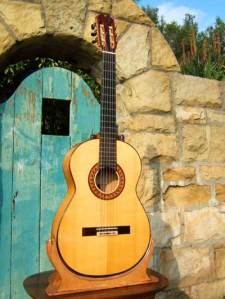
Nhạc Flamenco, về melodie thường đi từ cao xuống thấp và xuống từ từ từng nốt một, la sol fa mi…, có âm hưởng nhac Ả Rập. Trên thực tế, vũ Flamenco có một phần nào múa bụng của người Ả Rập. Cách đánh đàn guitar cũng thoải mái hơn nhạc cổ điển, hòa âm giản dị, dùng vận tốc, và nhịp điệu rõ ràng để vũ.
Ngoài cây guitar, người ta dùng tay hay chân để tạo nhịp, hầu như chẳng cần nhạc cụ nào khác. Đây đúng là nhạc cho những cách đồng hay những đường phố.
Dưới đây chúng ta có một số video vũ Flamenco.
_ Video đầu tiên do Ramon Ruiz chơi guitar và Anita la Maltesa vũ. Cả hai dạy Flamenco ở Luân Đôn.
_ Video 2, Maria Pages trình diễn Fire Dance. Đây là vũ Flamenco, nhưng trình diễn trong chương trình Riverdance, là vũ đoàn Ireland nỗi tiếng. Và Fire Dance là tên Riverdance đặt cho màn vũ này, chứ không phải tên của một vũ điệu.
— Video 3, Joaquín Cortés, nam vũ công nỗi tiếng nhất của Tây Ban Nha ngày nay.
— Video 4, Joanquín Cortés và nữ tài tử Jennifer Lopez.
Mời các bạn thưởng thức cuối tuần. 🙂
Flamenco song, dance and guitar. Guitar by Ramon Ruiz, dance by Anita la Maltesa. London based artists and teachers.
.
Maria Pages – Firedance (from Riverdance)
.
Joaquin Cortes — flamenco II
.
JENNIFER LOPEZ và JOAQUIN CORTES
Chào các bạn,
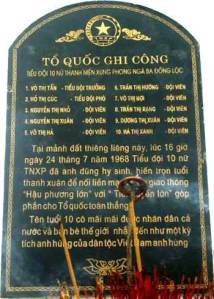
Dưới đây là bài bài báo nhà thơ Vương Trọng vừa viết về bài thơ Lời Thỉnh Cầu ở Nghĩa Trang Đồng Lộc, mà anh viết năm 1995, khắc lên bia xi-măng năm 2002, mình dịch ra Anh ngữ năm 2005 (biên tập lại năm 2008), và khắc song ngữ lên bia đá tại Nghĩa Trang Đồng Lộc tháng 1 năm 2009.
Mình thăm Đồng Lộc tháng 5 năm 1995, trên một chuyến về thăm quê hương cụ Hồ tại Nghệ An, với một số Việt Kiều khác, do anh Nguyễn Ngọc Trân, trưởng Ban Việt Kiều Trung Ương tổ chức. Trên đường anh Trân cho xe ghé vào Đồng Lộc. Lúc đó mình hoàn toàn chẳng biết Đồng Lộc là gì cả.
Ấn tượng đầu tiên của mình là, đó là một vùng rất nghèo khổ, xác xơ, nóng đổ lửa… và nó làm cho mình có cảm giác buồn buồn vì cái nghèo của quê hương và cái khổ của dân quê. Mình vẫn luôn luôn như thế từ hồi 16, 17 tuổi.
Vào đến nơi, thấy mười ngôi mộ xi măng khiêm tốn nằm trên một ngọn đồi với vài bóng cây lưa thưa, giữa một vùng đồng khô cỏ cháy. Rồi từ từ hiểu chuyện, nhìn hố bom nơi các cô hy sinh, nhận biết rằmg các cô này cở tuổi mình hay có người chỉ sinh trước một hai năm, nhưng cuộc đời có quá nhiều khác biệt… làm cho mình thật là nhức nhối. Lúc đó mình “try to be connected” với các cô bằng cách nhờ anh Trân chụp một tấm ảnh mình ngồi bên cạnh một ngôi mộ. Tấm ảnh này có đăng trong báo Quê Hương (của Ban VKTW) sau chuyến đi đó.
Vì các cô trẻ mãi không già, cho nên mình luôn luôn có cảm tưởng các cô này là những người em gái bất hạnh của mình. Vì vậy, mình không quên các cô được những tháng năm sau đó. Hơn 10 năm sau, khi đọc nhật ký Đặng Thùy Trâm lần đầu, ý tưởng đầu tiên đến trong đầu mình là 10 cô gái Đồng Lộc.
Đến năm 2005, 10 năm sau khi anh Vương Trọng viết bài thơ và 3 năm sau khi nó được khắc vào bia xi măng, chị Diệu Ánh (admin của VNBIZ forum) trong một chuyến du hành trên quốc lộ Trường Sơn, ghé qua Đồng Lộc, thấy bài thơ, chụp và gởi cho mình. Mình dịch ngay ra tiếng Anh và post trên VNBIZ. Đây là bài thơ duy nhất mà mình ứa nước mắt rất nhiều lần trong khi dịch.
Đến đầu năm 2008 chị Diệu Ánh gặp chị Minh Lý, phóng viên Hà Tĩnh nhưng hiện sống ở Vũng Tàu, chị Minh Lý biết anh Vương Trọng. Thế là mình chỉnh sửa lại bài thơ một tí nữa rồi nhờ chị Diệu Ánh và Minh Lý chuyển đến anh Vương Trọng. Anh Vương Trọng nói chuyện với anh Thế Ban, sở Văn Hóa Thể Thao Hà Tĩnh. Sở quyết định khắc cả bài nguyên thủy lẫn bài dịch vào bia đá, thay bia xi măng đã hao mòn quá nhiều. Tháng giêng 2009, bia đá hoàn thành.
Mình đã viết một bài hồi tháng ba năm nay (2009) về bài thơ này để chia sẻ với các bạn. Hôm nay chúng ta nghe câu chuyện từ phía anh Vương Trọng. Bài này của anh Vương Trọng đã đăng trên Văn Nghệ Công An ngày 20 tháng 7 năm 2009.
Cám ơn anh Vương Trọng. Chúc các bạn một ngày vui.
Mến,
Hoành
.
Bài thơ song ngữ ở Nghĩa Trang Đồng Lộc
Từ khi Ngã ba Đồng Lộc trở thành khu di tích lịch sử của Thanh niên xung phong cả nước, khách tìm đến nơi này mỗi ngày một đông, đặc biệt là tầng lớp thanh niên, học sinh, sinh viên. Có người nói rằng, chỉ cần đến nơi này một lần, bài học về giáo dục truyền thống tự nhiên thấm vào người, và lớp trẻ có điều kiện để nhận thức được cái giá của độc lập, tự do.
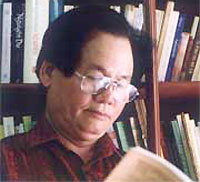
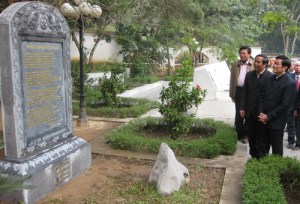
Gần đây có nhiều bạn trẻ sau khi viếng thăm Ngã ba Đồng Lộc, ra Hà Nội có tìm gặp tôi để trò chuyện. Có người tôi quen biết từ trước, nhưng cũng có kẻ tôi mới được gặp lần đầu. Nguyên nhân là vì một bài thơ của tôi đã được khắc đá và dựng lên ở nghĩa trang này. Hơn nữa, bài thơ đó lại được dịch ra tiếng Anh, khắc trên tấm bia đá cao 2,5 mét, rộng 1 mét, mặt này là bài thơ Lời thỉnh cầu ở nghĩa trang Đồng Lộc của tôi, mặt kia là bản dịch của ông Trần Đình Hoành, một Việt kiều ở Mỹ. Bởi vậy tôi muốn có đôi lời tâm sự với bạn đọc về chuyện này.

Mùa hè năm 1995, lần đầu tôi đến thăm nghĩa trang Mười cô gái Ngã ba Đồng Lộc. Mặc dù mười cô gái đã hy sinh trước đó 27 năm trời, thế nhưng khi đứng lặng trước hố bom đã giết các cô, khi thắp hương lần lượt cắm lên mười nấm mộ, cũng như khi chứng kiến những kỷ vật các cô để lại…, tôi tự nhủ phải viết một cái gì đấy để giải tỏa nỗi xúc động. Bút ký, tuỳ bút cũng có thể chuyển tải được cảm xúc này, nhưng vì trong đoàn còn có nhà văn Xuân Thiều, nhà văn Nam Hà, nên tôi nghĩ nên “nhường” văn xuôi cho hai vị cao niên này. Bởi thế trước mắt tôi chỉ còn một cửa hẹp là thơ.
Nhưng thơ về Đồng Lộc cũng không phải dễ, vì trước đó đã có nhiều người viết rồi, có bài khá nổi tiếng như của nhà thơ Huy Cận. Thế thì mình phải viết thế nào để không bị chìm lấp bởi những bài đã có. Sự hy sinh cùng một lúc của mười cô gái trẻ khi đang san lấp hố bom làm mọi người cảm động, nên khi nào trên mười ngôi mộ cũng có thật nhiều hương khói. Khi cắm những nén hương đang cháy lên mộ các cô, tôi tự hỏi, nếu mười cô gái hiển linh, họ sẽ nghĩ thế nào?

Qua tài liệu thu thập được, tôi biết số người hy sinh ở ngã ba này thật nhiều, riêng Trung đoàn phòng không 210 đã có 112 liệt sĩ đã hy sinh khi bảo vệ mảnh đất này. Thế mà họ không có bia mộ để thắp hương, bởi thịt xương họ đã hoà trộn vào đất. Thế là cái ý tưởng dùng lời mười cô gái trò chuyện với các đoàn khách thăm viếng được nẩy sinh, và tôi thấy thuận lợi khi muốn chở ý tưởng: mọi chính sách, chế độ đối với những người đã hy sinh, nghĩ cho cùng là vì những người đang sống. Bởi vậy, xây dựng cho cuộc sống ấm no, hạnh phúc cũng là một cách thể hiện sự biết ơn đối với các liệt sỹ đã hy sinh.
Bài thơ có bốn khổ thì ba khổ đầu là lời mười liệt sĩ nhắc người đến nghĩa trang nên nhớ thắp hương cho những liệt sĩ mà thân xác đã tan trong đất, khuyên các em nhỏ nên trồng cây, các bạn cùng trang lứa cố gắng sản xuất. Còn các cô chỉ ước có vài cây bồ kết…

Bài thơ tôi viết và in lần đầu vào năm 1995, đến năm 1998 lại xuất hiện trong tuyển tập thơ về Đồng Lộc. Điều đáng nói là tập thơ này đã đến tay anh Nguyễn Tiến Tuẫn, là một trong ba anh hùng ở Đồng Lộc, thời mà mười cô gái hy sinh, anh đang phụ trách đơn vị Cảnh sát giao thông ở trọng điểm ác liệt này. Anh bảo rằng, anh bị bài thơ ám ảnh, và tự đặt cho mình phải làm một việc gì đó để giải toả sự ám ảnh này. Việc anh làm là lên huyện Hương Sơn tìm hai cây bồ kết con để đáp ứng lời thỉnh cầu của mười cô gái: ” Thỉnh cầu đất cằn cỗi nghĩa trang/ Cho mọc dậy vài cây bồ kết/ Hương chia đều trong hư ảo khói nhang”. Hai cây bồ kết anh trồng rất cẩn thận, hố đào to, phân tro nhiều nên tốt rất nhanh.
Bốn năm sau, năm 2002 thì hai cây bồ kết đã cao tới ba, bốn thước; cây lớn vào mùa thu đã nở hoa. Một lần trở lại thăm nghĩa trang đúng lúc gặp một đoàn khách, biết anh là người đã trồng hai cây bồ kết này, mọi người rất cảm phục và hỏi anh từ ý nghĩ nào mà làm được việc hết sức độc đáo và tuyệt vời này? Anh trả lời là từ cảm xúc một bài thơ, thế là họ hỏi anh có nhớ bài thơ đó không. Anh nói rằng bài thơ đó anh đã thuộc, nhưng không quen đọc thơ trước đám đông, anh hứa với họ là nếu lần sau quay lại thì thế nào cũng được đọc bài thơ đó ở đây. Mọi người nghe, kể cả người giới thiệu khu di tích, ai cũng nghĩ anh nói thế cho qua chuyện, ai ngờ anh bắt đầu ý định khắc bài thơ ấy lên đá. Điều trước tiên là phải liên hệ với Tỉnh đoàn Hà Tĩnh, đơn vị phụ trách khu di tích này. Nghe anh trình bày ý định khắc đá bài thơ đó, mọi người tán thành và coi đây là một việc làm văn hoá. Thế là chiều ngày 14 tháng 8 năm 2002, bia đá cỡ 80cm . 40cm với bài thơ 25 câu chia thành bốn khổ, được khắc sâu và tô màu sơn vàng rất dễ đọc đã dựng lên cạnh hai cây bồ kết bên nghĩa trang Mười cô gái Ngã ba Đồng Lộc.

Mấy năm năm nay, nhiều tờ báo đã đăng bài về chuyện này, và có nhiều bài đã gây xúc động người đọc. Ông Trịnh Xuân Tòng là cán bộ giảng dạy trường đại học Cần Thơ, đã nghỉ hưu; sau khi đọc bài báo của Ngô Vĩnh Bình nói về chuyện bài thơ và hai cây bồ kết, ông đã bỏ công mấy tuần liền để vẽ một bức tranh cỡ lớn với nhan đề : Múa dưới trăng, nỗi vui mừng khi có cây bồ kết . Trong bức tranh, ông đã vẽ mười cô gái liệt sĩ ở ngã ba Đồng Lộc, khi trăng lên đã cùng nhau nhảy múa, năm cô leo lên cây, năm cô múa trên đất. Trong bức tranh lớn đó, ông trích bốn câu thơ làm đề từ:
Ngày bom vùi, tóc tai bết đất
Nằm xuống mộ rồi, mái đầu chưa gội được
Thỉnh cầu đất cằn cỗi nghĩa trang
Cho mọc dậy vài cây bồ kết…
Đặc biệt hơn, ông còn viết một bức thư cảm động Gửi mười em gái ngã ba Đồng Lộc. Bức tranh và bức thư này, báo QĐND đã giới thiệu trong số đặc biệt ra ngày 22- 12- 2002.
Gần đây tôi có dịp trở lại Đồng Lộc. Khác hẳn với quang cảnh tôi đã chứng kiến năm 1995, bây giờ ở khu di tích Đồng Lộc, đường sá rộng rãi, nhà cửa xây dựng khang trang, và đặc biệt cây cối quanh vùng tươi xanh như một vùng du lịch sinh thái. Không còn những vạt “cỏ may khâu nặng ống quần” khách đến thăm, không còn đồi Trọ Voi trọc lóc, lở lói. Nhiều cảnh tôi nhắc đến trong bài thơ đã lạc hậu so với bây giờ.

Đồng chí giới thiệu khu di tích hướng dẫn đoàn chúng tôi đi thắp hương trên từng nấm mộ và đốt những quả bồ kết khô. Mấy năm nay, nhiều đoàn khách đến thăm khu di tích này thường đem theo những chùm quả bồ kết khô để đốt sau khi thắp nhang. Người đầu tiên đốt bồ kết ở đây là nhà văn Nguyễn Thế Tường, quê Quảng Bình, công tác tại Tuần báo Văn nghệ. Tháng 10 năm 2002, anh Tường gặp tôi ở Tuần báo Văn nghệ, khi anh sắp vào nghĩa trang Đồng Lộc, anh hỏi tôi có nhắn gì không. Tôi nói rằng, hai cây bồ kết mới ra hoa nhưng chưa có quả, tôi muốn nhờ anh mua hộ tôi một chùm bồ kết, vào đó đốt để viếng mười cô gái. Anh đã làm thế, và ngạc nhiên, khi vừa đốt mấy quả bồ kết thì bát hương lớn bỗng hoá, cháy bùng lên, làm mọi người ngạc nhiên và anh gọi điện cho tôi ngay. Ngẫu nhiên hay tâm linh? Anh bảo rằng mọi người có mặt hôm đó, kể cả những người quản lý khu di tích, không ai nghĩ là ngẫu nhiên.
Tôi tới bia đá khắc bài thơ của mình thì thấy có nhiều em sinh viên đang xúm xuýt mở sổ chép thơ. Biết tôi là tác giả, nhiều em xin chụp ảnh lưu niệm và hỏi chuyện quanh bài thơ. Bằng vi tính, nét chữ khắc đẹp, chỉ tiếc cắt khổ phần đầu không thật chính xác, vì bài thơ của tôi gồm bốn khổ, khổ đầu sáu câu chứ không phải bốn câu như đã khắc.

Sau đó không lâu, trong đoàn Việt kiều Mỹ về nước đến viếng nghĩa trang Đồng Lộc, có ông Trần Đình Hoành, một luật sư nhưng ham mê văn học, người đã từng dịch nhiều bài thơ của các nhà thơ Việt Nam ra tiếng Anh, xuất bản ở Mỹ. Ông xúc động khi đọc bài thơ “Lời thỉnh cầu ở nghĩa trang Đồng Lộc” và muốn truyền sự xúc động đó cho du khách nước ngoài nên đã dịch bài thơ này. Giám đốc sở Văn hoá và Du lịch Hà Tĩnh là nhà văn Đức Ban, người rất hiểu tác dụng của thơ văn vào cuộc sống, đã cho bài thơ và bản dịch đó hiển hiện lên bia đá như các bạn đã thấy vào sáng 17 tháng giêng năm 2009.
Nhân đây tôi chép lại bản tiếng Việt và tiếng Anh đã khắc trên hai mặt bia đó.
Lời thỉnh cầu ở nghĩa trang Đồng Lộc
– Mười bát nhang, hương cắm thế đủ rồi
Còn hương nữa hãy dành phần cho đất
Ngã xuống nơi này đâu chỉ có chúng tôi
Bao xương máu mới làm nên Đồng Lộc
Lòng tưởng nhớ xin chia đều khắp
Như cỏ trong thung, như nắng trên đồi.
– Hoa cỏ may khâu nặng ống quần, kìa
Ơi các em tuổi quàng khăn đỏ
Bên bia mộ xếp hàng nghiêm trang quá
Thương các chị lắm phải không, thì hãy quay về
Tìm cây non trồng lên đồi Trọ Voi và bao vùng đất trống
Các chị nằm còn khát bóng cây che.
– Hai mươi bảy năm qua, chúng tôi không thêm một tuổi nào
Ba lần chuyển chỗ nằm, lại trở về Đồng Lộc
Thương chúng tôi, các bạn ơi, đừng khóc
Về bón chăm cho lúa được mùa hơn
Bữa ăn cuối cùng, mười chị em không có gạo
Nắm mì luộc chia nhau rồi vác cuốc ra đường.
– Cần gì ư ? Lời ai hỏi trong chiều
Tất cả chưa có chồng và chưa ngỏ lời yêu
Ngày bom vùi tóc tai bết đất
Nằm xuống mộ rồi, mái đầu chưa gội được
Thỉnh cầu đất cằn cỗi nghĩa trang
Cho mọc dậy vài cây bồ kết
Hương chia đều trong hư ảo khói nhang.
Đồng Lộc, 5 – 7- 1995
Vương Trọng
.
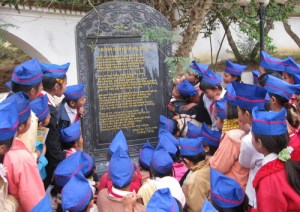
A Request at Dong Loc Cemetery
That’s enough for ten bowls
The rest of incense, let’s save for others
We’re not the sole fallen ones
So much blood and bone was spent for Dong Loc
Memories, let’s spread evenly
Like grass in the valley, sunlight on the hill.
Look! Tongue-grass buds cling to the pants!
O you red-scarfed children standing straight by the tombs
You love us so much, don’t you?
Then, go home, find little plants
Plant them on Tro Voi Hill and on these bare lands
We’re so thirsty longing for some tree shades!
Twenty-seven years have passed, we haven’t grown a day
Three times changing bed, we’re now back in Dong Loc
Friends, if you love us, don’t cry!
Go back and tend the rice for better harvest
The last meal we ten had no rice
Just a handful of cassava, then out with hoes we went.
Our needs? One afternoon someone has asked
We’re not yet married and haven’t got a chance to love
When the bomb buried us all, our hair was enmeshed in dust
Lying here in these tombs, we haven’t got a chance to wash our hair
We ask that on the parched ground of this cemetery
Someone would grow some carob trees
That spread fragrance evenly in the ethereal incense smoke…
Dong Loc July 5, 1995
VUONG TRONG
Translated by TRAN DINH HOANH
( A Vietnamese Resident in The USA)

Hi everyone,
Hanoi and Saigon are on high alert about H1N1 flu. Is your routine disrupted? Are you wearing a mask at work or school? Is there some story, some thought, to share about all this?
Have a nice weekend. 🙂
Hoanh
Chào các bạn,
Mỗi khi mình cùng đường, xuống tinh thần đến độ tuyệt vọng, không còn biết phải làm gì, thì mình hay lấy đoạn văn ngắn này ra đọc. Và khi một người bạn nào của mình có chuyện không vui, mình gởi đoạn văn này đến bạn.

Đoạn văn này, lúc bình thường thì đọc nghe rất tầm thường, chẳng có gì là đặc sắc cả. Nhưng khi mình rất buồn , khi mình tuyệt vọng, khi mình không còn biết phải làm gì cả, mang nó ra đọc, thì nó sống dậy như một hơi thở ấm, luồn qua được những kẻ hở li ti trên vách núi, vào tận đáy hang sâu, vào tận đáy quả tim lạc lõng trống vắng của mình. Thật là lạ lùng.
Trong Thánh kinh, Chúa Giêsu có một bài giảng dài rất nổi tiếng, giảng cho mấy ngàn người nghe trên đồi cao, gọi là Bài giảng trên đồi cao (The sermon on the mount). Đoạn văn ngắn này là đoạn mở đầu của Bài giảng trên đồi cao, và có tên là Beatitudes (Hạnh Phúc Thật).
Hôm nay mình dịch và post bài Beatitudes ở đây, đặc biệt cho Sesame và Leo Pretty, và các bạn đang nhiều đau khổ trong lòng. Bởi vì mình không biết có gì hay hơn để gởi gấm.
Chúc các bạn môt ngày an bình.
Mến,
Hoành
.

Hạnh Phúc Thật
Phúc cho người nghèo khổ trong tâm linh
vì nước thiên đàng là của họ.
Phúc cho người than khóc,
vì họ sẽ được an ủi.
Phúc cho người khiêm nhu
vì họ sẽ thừa hưởng trái đất.
Phúc cho người đói khát sự công chính
vì họ sẽ no đủ.
Phúc cho người nhiều thương xót
vì họ sẽ được xót thương.
Phúc cho người có trái tim tinh khiết
vì họ sẽ thấy Thượng đế.
Phúc cho người xây dựng hòa bình
vì họ sẽ được gọi là con Thượng đế.
Phúc cho người bị bách hại khi làm điều công chính
vì nước thiên đàng là của họ.
.

Beatitudes
Blessed are the poor in spirit,
for theirs is the kingdom of heaven.
Blessed are those who mourn,
for they will be comforted.
Blessed are the meek,
for they will inherit the earth.
Blessed are those who hunger and thirst for righteousness,
for they will be filled.
Blessed are the merciful,
for they will be shown mercy.
Blessed are the pure in heart,
for they will see God.
Blessed are the peacemakers,
for they will be called sons of God.
Blessed are those who are persecuted because of righteousness,
for theirs is the kingdom of heaven.
Chào các bạn,
Khmer rock là một phối hợp hấp dẫn giữa âm thanh và nhạc cụ truyền thống của Khmer với âm thanh, nhịp điệu, và khí cụ tân thời. Theo Saraj Cuddon của BBC thì Khmer rock là phối hợp giữa nhạc rock Mỹ và nhạc cụ Khmer thời thập niên 1960’s khi quân đội Mỹ có mặt ở Kampuchia trong thời chiến tranh. Loại nhạc này phát triển được 10 năm, đến thời Khmer đỏ (1975-1979) thì nó bị tận diệt cùng với các nhạc sĩ và ca sĩ thời đó. Ngày nay có sống lại với đầy đủ sắc thái riêng.
Bên cạnh các ban nhạc rock ở Kampuchia, tại Los Angeles (California, Mỹ) có ban nhạc Dengue Fever mang Khmer Rock đến khán giả quốc tế.
Tháng 11 năm 2006, trong vòng đi Á châu của mình, mình có ghé qua Kampuchia (và Sài Gòn & Hà Nội). Thăm bảo tàng viện diệt chủng Pol Pot, thực sự là buồn. Các bạn à, cái tâm con người mong manh lắm, từ thiên thần ta thành ác quỉ chỉ một bước, và có thể là chỉ trong phút giây. Cho nên ta phải canh giữ tâm mình kỹ lưỡng, như người chăn trâu trong thập nhị ngưu đồ.
Xem các videos Khmer rock ngày nay, chúng ta có thể cảm nhận được lòng tự hào của các anh em Khmer của chúng ta. Dưới đây, hai videos đầu là của Dengue Fever ở Los Angeles, hai video sau là của hai nhóm rock ở Kampuchia.
Mời các bạn thưởng thức.
Hoành
.
Dengue Fever — Seeing hands
.
Dengue Fever — Sleeping Walking Through The Mekong
.
Moatanak Pheap Chea Khmer – Rock Zone
.
Youvetioun khmer – Rock Group

