Bằng Cách Nào Cho Đi Thay Đổi Mọi Điều?
Hãy cho và bạn sẽ nhận
Give and you shall receive.
Hãy yêu đời rồi đời sẽ yêu bạn. Hãy yêu người và sẽ được người yêu
Love life and life will love you back. Love people and they will love you back.
( Arthur Rubinstein)

Chúng ta thường nghĩ rằng thành công của chúng ta phụ thuộc vào mức độ tập trung vào bản thân ta. Nhưng điều này không đúng.
Mọi người thành công đều biết rằng bạn thành công vì bạn đã cho đi bao nhiêu giá trị cho người khác.
Tuy nhiên, chúng ta thường quên điều này. Hạnh phúc của chúng ta cũng có được theo cách này. Khi tôi quá chú tâm vào mục tiêu của tôi, cảm xúc của tôi, và ước muốn của tôi, tôi bắt đầu cảm thấy buồn chán. Khi tôi chỉ tập trung vào mình, thật dễ nghĩ rằng mọi cái là về tôi, cái tôi che lấp tất cả. Nhưng sự việc không phải vậy. Và khi tôi quá chú tâm vào mình, tôi bắt đầu trở nên dễ bị tổn thương bởi những người khác. Tôi nghĩ rằng người ta làm những việc tôi không thích là vì tôi, trong khi họ thực sự đang làm những việc đó vì chính họ.
Hãy nghĩ xem cảm giác buồn chán phải chăng sẽ thường xảy ra và thật dễ dàng khi bạn cảm thấy mình quá quan trọng?
Đó cũng là cách khiến ta nên hướng sự chú ý sang người khác, và chú tâm đến việc cho, thay vì nhận. Bạn thường nghĩ rằng bạn cứ cho đi mãi mà không bao giờ được nhận. Nhưng điều ngược lại thì đúng hoàn toàn, vậy nên bạn nên cho nhiều đến mức bạn khơi dậy ước muốn nơi người khác muốn cho lại bạn . 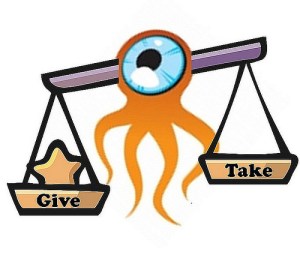
Cho Thế Nào Có Tác Dụng?
+ Cách tốt nhất thú vị là hãy quan tâm đến người khác.
+ Bạn thu nhận nhiều năng lượng vật lý hơn bằng cách đốt năng lượng khi tập thể dục.
+ Cách để được yêu là biến mình thành đáng yêu
Khi bạn tìm hiểu người khác, những người khác có lẽ cũng muốn hiểu biết bạn .
Bằng cách bạn giúp người khác, những người khác có thể muốn giúp bạn.
Thực thú vị về việc làm thế nào theo trực giác chúng ta biết được những điều này, ý nghĩa của việc cho, nhưng bằng cách nào đó cái tôi của chúng ta cản trở việc thực hiện. Sự tự cho mình quan trọng khiến chúng ta nghĩ rằng chúng ta cần nhận để chứng tỏ ý nghĩa của sự cho. Điều này chính ra là bạn đi tìm cái đúng sai hơn là hạnh phúc. Như thế có xứng đáng không?
Tôi cho rằng người cho trước có nhiều quyền lực hơn. Nếu không, sẽ mất bao lâu để người kia bắt đầu cho, nếu như muốn cho. Đợi những người khác cho giống như đợi ai đó cho cái mình muốn. Tại sao không thử hỏi và và tìm hiểu xem điều gì sẽ xảy ra.
Cho Đi Chính Mình
Khi bạn cho mà không mong chờ gì đáp lại, bạn đã thành bậc thầy của nghệ thuật cho. Phải chăng những người thành công nhất là những người trao tặng cho những người khác giá trị lớn nhất?
Quan niệm về Cho của Khalil Gilbran trong bài về Sự Cho thật tuyệt vời:
“Đem cho chính bản thân, ấy mới thực là cho”
“Có những kẻ cho với niềm vui, và niềm vui ấy là phần thưởng của họ”
“Cho khi được hỏi xin thì quý, nhưng tốt hơn nên cho chẳng đợi xin, cho qua cảm thông“
Vì thế câu hỏi là : Làm thế nào bạn có thể cho đi nhiều hơn chính bản thân mình.
Tôi tin rằng bạn sẽ thấy, như tôi đã thấy, rằng bạn là người thành công nhất khi bạn làm điều gì thực sự tốt đẹp, hay khi bạn đang làm điều đó một cách thích thú say mê ( và không phải rằng những thứ đó không quan trọng). Bạn thành công nhất khi bạn đang phụng sự người khác.
Sau đây là một vài đề nghị về những cách đơn giản mà hiệu quả bạn có thể cho những người quanh bạn hôm nay:
+ Bỏ đi những chuẩn mực bạn ấn định và dự kiến cho người yêu/ chồng / vợ và gia đình bạn. Thay vì mong chờ họ cư xử với bạn theo cách nào đó, nghĩ xem làm thế nào bạn có thể cho họ thấy họ thực sự có ý nghĩa biết bao với bạn.

+ Cho thái độ ứng xử của bạn:
Đây là một trong những cách thực sự ấn tượng bạn có thể “cho” người khác. Thái độ và năng lượng tích cực của bạn có sức mạnh và hiệu quả lạ thường với những người quanh bạn. Bóng tối, khi có ánh sáng đến, trở thành sáng rực. Cùng cách ấy, năng lượng yếu, tan hòa, khi năng lượng mạnh đến gần. Hãy giúp trung hòa nguồn năng lượng yếu của người khác bằng cách cho họ nguồn năng lượng tích cực mạnh hơn của bạn.
+ Cho sự quan tâm :
Bất cứ khi nào bạn gặp một ai đó, hãy nói một câu chúc lành thầm lặng hay gửi cho họ một thiện ý, một suy nghĩ tích cực, thay vì phê phán họ.
+ Thể hiện lòng biết ơn:
Viết một bức thư ngắn hay vài dòng ghi lại bày tỏ cho ai đó biết họ có ý nghĩa dường nào với bạn và những lý do bạn yêu họ.Kết quả của việc này sẽ có tác dụng thực đáng kinh ngạc với người nhận. 
+ Ngỏ ý giúp đỡ:
Nếu không có thể làm gì đặc biệt cho một người khác, hãy để cho họ biết rằng nếu họ thấy có cách nào bạn có thể giúp đỡ, bạn muốn họ nói cho bạn biết.
Những thứ này dường như nhỏ bé, nhưng tôi nghĩ thế giới được thay đổi bởi số nhiều những ý tưởng nho nhỏ. Các cuộc cách mạng khởi đầu bằng những hành động nho nhỏ ấy.
Vì thế bây giờ những gì tôi muốn hỏi bạn là: Tôi có thể giúp bạn bằng cách nào? Xin hãy cho tôi biết nhé.
Theo How Giving Changes Everything
Jonathan Mead