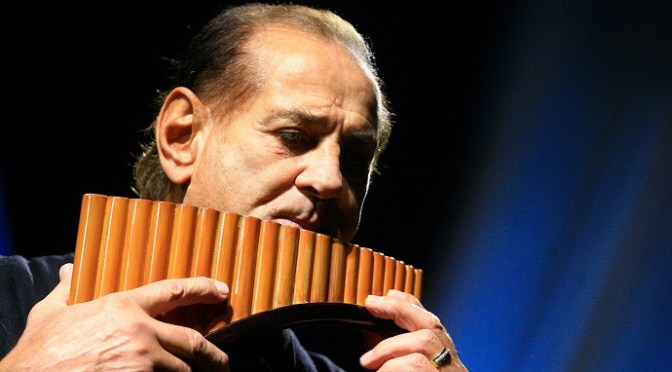
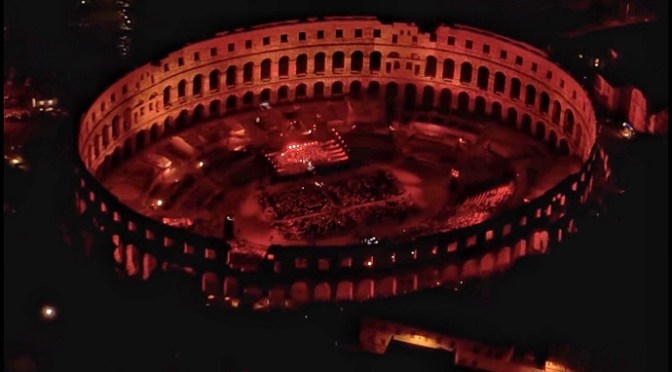
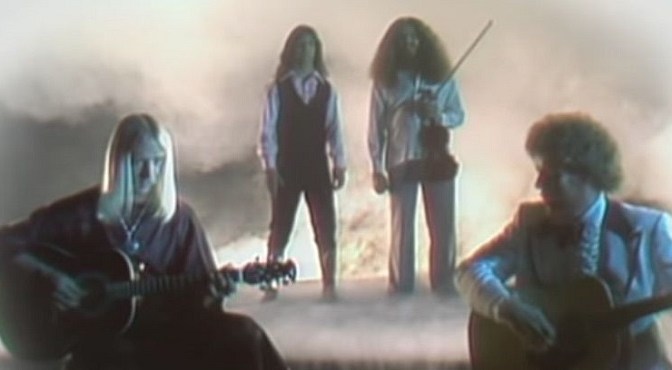
El Cóndor Pasa (pronounced [el ˈkondoɾ pasa], Spanish for “The Condor Passes”) is an orchestral musical piece from the zarzuela El Cóndor Pasa by the Peruvian composer Daniel Alomía Robles, written in 1913 and based on traditional Andean music, specifically folk music from Peru.
Since then, it has been estimated that around the world, more than 4000 versions of the melody have been produced, along with 300 sets of lyrics. In 2004, Peru declared this song as part of the national cultural heritage. This song is now considered the second national anthem of Peru. (wikipedia)Continue reading El Cóndor Pasa of Gheorghe Zamfir→
Vài hôm nay mình đụng vài bản Concierto de Aranjuez, thấy hay quá trời nên gửi các bạn cùng nghe cho vui. Bản mình thích hơn cả là bản của Paco de Lucia. Anh Hoành có giới thiệu chi tiết về Paco de Lucia, mời các bạn cùng thưởng thức.
I’ve just listened to Hauser and Friends Concert. Very well. So I’m happy to share with you.
I listened to some of Hauser’s clips before, Hauser played very well, but until last night his music touched my heart. I thought about the death of the person I love. My heart was broken. And at the same time, my heart was at peace because Mary, the mother of Jesus, was with me. I know that I should live better – loving God and loving people more.
Bài kinh như Bát Nhã Tâm Kinh có khả năng làm dịu trái tim bạn một cách lạ thường, dù bạn có hiểu bài kinh hay không. Thường thì, những lúc buồn quá là những lúc bạn có thể hiểu bài kinh hơn cả.
Bát Nhã Tâm Kinh là lời dạy cốt lõi thiêng liêng về trí tuệ tối hậu đưa chúng ta vượt sông vô minh để đến bờ giác ngộ (trích Tiểu luận về Bát Nhã Tâm Kinh, nguyên tác Anh ngữ – Trần Đình Hoành, Việt dịch: Diệu Tâm, Trần Đình Hoành).
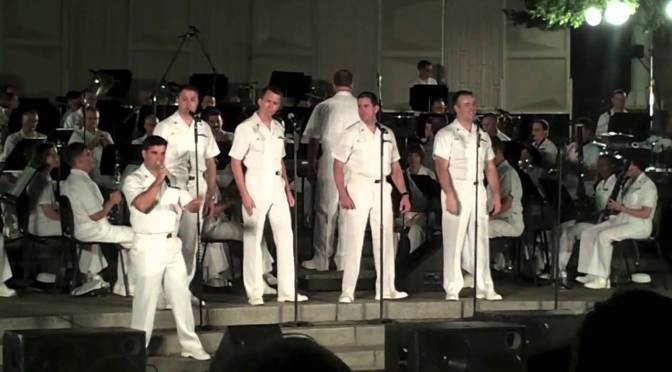
Bài này của Ban nhạc Hải Quân Mỹ tặng riêng cho những anh hùng y tế chiến đấu với COVID-19.
Reach Out (I’ll Be There): Lamont Dozier, Brian Holland, and Eddie Holland.
Ain’t No Mountain High Enough: Nickolas Ashford and Valerie Simpson.
Featuring Musician 1st Class Cory Parker and Chief Musician Shana Sullivan.
To the medical professionals and all others on the front lines, we thank you for YOUR service!
Chú Đại Bi, hay Đại Bi Tâm Đà La Ni (Maha Karunika citta Dharani), là bài chú minh họa công đức của Đức Quán Tự Tại Bồ Tát (Avalokiteśvara Bodhisatva).
Bài chú này còn có các tên gọi là: Thiên Thủ Thiên Nhãn Quán Thế Âm Đại Bi Tâm Đà La Ni, Quảng Đại Viên Mãn Vô Ngại Đại Bi Tâm Đà La Ni, Thiên Thủ Thiên Nhãn Quán Tự Tại Bồ Tát Quảng Đại Viên Mãn Vô Ngại Đại Bi Tâm Đà La Ni, Thanh Cảnh Đà La Ni…
Theo kinh Đại Bi Tâm Đà La Ni, bài chú này được Bồ tát Quán Thế Âm đọc trước một cuộc tập họp của các Phật, bồ tát, các thần và vương. Cũng như câu Om Mani Padme Hum rất phổ biến ngày nay, Đại Bi chú là chân ngôn phổ biến cùng với phật Quán Thế Âm ở Đông Á, bài chú này thường được dùng để bảo vệ hoặc để làm thanh tịnh.
Dưới đây là các bản nhạc Niệm Bụt và Bồ Tát do sư ông Thích Nhất Hạnh cùng tăng thân quốc tế Làng mai thực hiện.
Làng Mai là một trung tâm thiền tập tọa lạc tại miền Tây Nam nước Pháp được hình thành vào đầu năm 1982. Làng Mai tiếng Anh là Plum Tree Village, gọi tắt là Plum Village. Tên chữ của Làng Mai là Đạo Tràng Mai Thôn. Continue reading Niệm Bụt và Bồ Tát→
Đây là xe hủ tiếu đặc biệt, đặc biệt vì xe bán mì rất ngon và đặc biệt vì lịch sử văn hóa của xe.
Xe có tuổi đời ít nhất 60 năm. Gọi là ít nhất vì khi người chủ hiện tại mua nó, nó đã là xe cũ. Là xe 60 tuổi (ít nhất), họa tiết trên kính và cấu trúc xe rất đẹp. Tất cả khung kính, hình vẽ trên kính, bánh xe… đều là sản phẩm nguyên thủy của gần 100 năm về trước. Kể cả tên xe cho đến ngày nay vẫn còn rất hợp thời – tên “Thời Đại” – cũng là tên nguyên thủy gần 100 năm về trước. Continue reading Góc Sài Gòn (1) – Xe hủ tiếu Thời Đại→
Mantra nghĩa là “câu chú”. “Chú” có nghĩa là “thần chú’, tức là một câu nói tự nó có quyền lực khi người ta nói ra. Trên phương diện khoa học, các âm thanh của một câu chú hay bài chú có khả năng làm cho hệ thần kinh của con người trở thành tĩnh lặng.
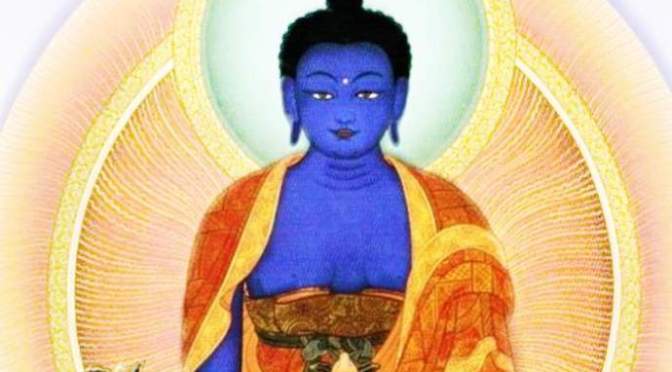
Dưới đây là câu chú của Phật Dược Sư, một vị Phật chữa lành trong Phật giáo Đại thừa, có nước da xanh dương. Ngài được mô tả như một bác sĩ chữa đau khổ bằng cách sử dụng thuốc trong giáo lý của Ngài.
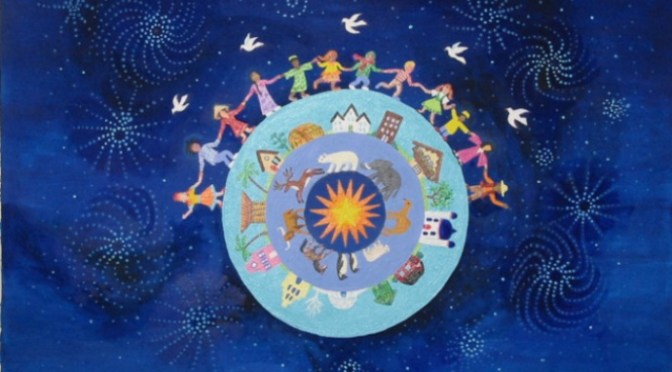
Chúng ta khác nhau như ngày với đêm
Chúng ta giống nhau theo nhiều cách khác nhau
Và đó là sự thật, chỉ cần nhìn mình và bạn
Mình có thể thay đổi cách mình là
Sức mạnh đang sống trong tim mình
Mình có thể là bất kỳ điều gì mình muốn
Nếu than đá có thể hóa thành kim cương
Và hạt cát có thể hóa thành ngọc trai
Nếu sâu bướm có thể hóa thành bươm bướm
Thì tình yêu có thể chuyển hóa thế giới
Ô, tình yêu có thể chuyển hóa thế giới
– Đi ba ngày thôi rồi về. Không về học nữa thì anh cưới em.
Đó là khung cảnh một buổi chiều thứ Bảy, tháng Mười năm 2016, tại bến xe khách thành phố Yên Bái.
Lù Thị Chang học lớp 9 một trường nội trú ở Yên Bái. Tan học sau buổi trưa, cô rủ người bạn Giàng Thị Dung ra quốc lộ bắt xe. Người bạn trai quen trên Facebook được một tháng hẹn gặp đi uống nước. Trước lúc rời phòng trọ, cô gái đứng ngắm mình trong gương, chọn bộ quần áo đẹp nhất, và thoa thêm một chút son màu hồng. Đây là lần đầu tiên cô gặp “người ấy”.