Nhandan Friday, 2019-02-15 12:54:44

In the early days of spring, it is the season of leaves changing.
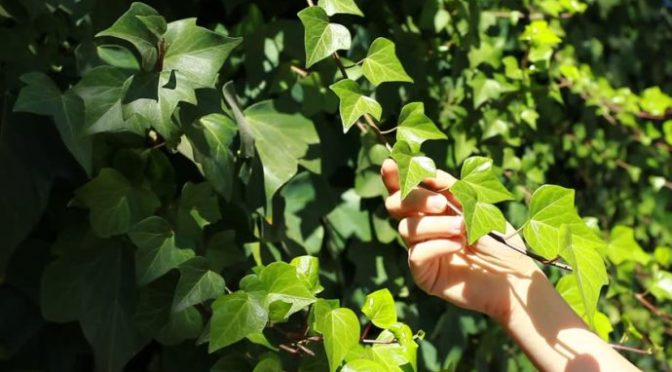
NDO – In the early days of spring, Hanoi features a romantic beauty, when the yellow and red colours of the leaves are dyed brilliantly in a familiar corner. The rows of Bang lang (Giant Crape-myrtle) tree, Loc vung (Barringtonia acutangula) trees are changing the colour. In the background of the blue sky, each of the yellow leaves, the red leaves, sway lightly in the wind.
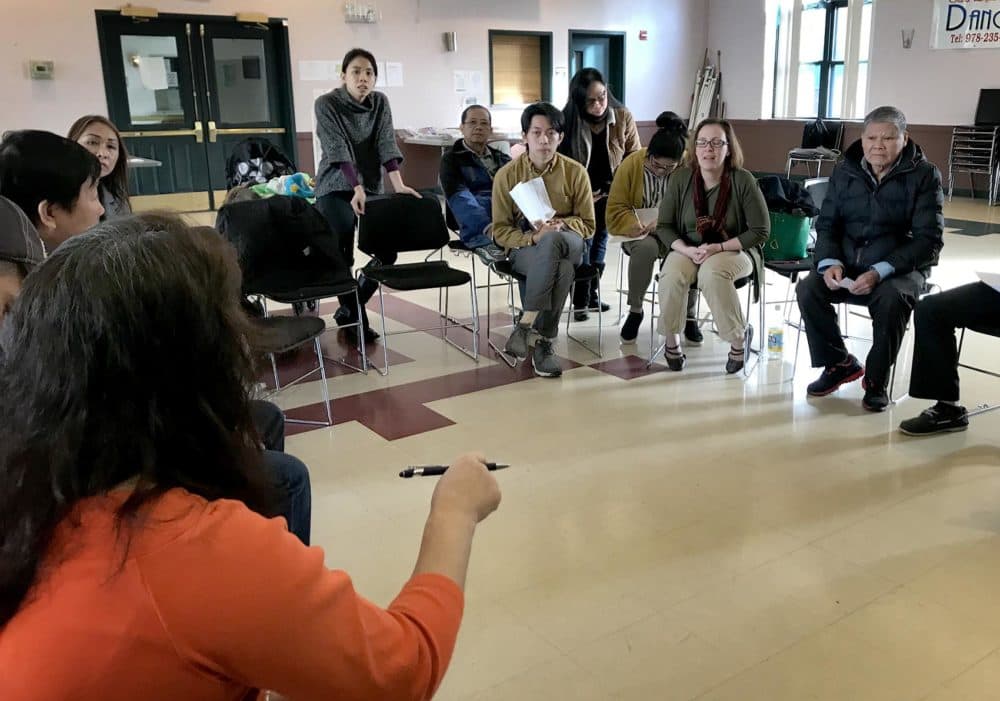 Vietnamese immigrants attend a public forum at VietAid in Dorchester to learn more about changes to immigration policies under President Trump. (Shannon Dooling/WBUR)
 North Korean leader Kim Jong Un, left, and President Donald Trump shake hands on Sentosa Island in Singapore on June 12, 2018.