Tag Archives: Môi trường

Germany supplies equipment to monitor Mekong River dam impact

By Viet Anh   September 16, 2020 | 10:02 am GMT+7 vnexpressGermany supplies equipment to monitor Mekong River dam impactsThe Xayaburi dam in the lower Mekong River in Laos. Photo by CK Power/Handout via AFP.

Germany has provided equipment to the Mekong River Commission to monitor the environmental impacts of two mainstream dams on the lower reaches of the Mekong River.

The equipment, worth around $600,000, meant to help monitor the impacts of Laos’s Xayaburi and Don Sahong dams, was handed over on Tuesday as part of the German government’s support for the MRC’s Joint Environment Monitoring of Mekong Mainstream Hydropower Projects (JEM) program, which is now in the pilot stage.

Continue reading on CVD >>

Rare snakebirds spotted in southern Vietnamese province

Friday, November 15, 2019, 16:05 GMT+7 Tuổi Trẻ

Rare snakebirds spotted in southern Vietnamese province
A snakebird at Buu Long Tourist Area in the southern Vietnamese province of Dong Nai. Photo: A Loc / Tuoi Tre

A large flock of rare snakebirds was recently discovered at a tourist site in the southern Vietnamese province of Dong Nai.

The birds have been nesting on the islets dotting Long An Lake in the Buu Long Tourist Area, according to Le Viet Dung, deputy head of the provincial forest protection department.

Continue reading on CVD >>

How to transform systems: The World Resources Institute Q&A with Andrew Steer

Mongabay.com

Deforestation for palm oil production in Sumatra, Indonesia. Photo by Rhett A. Butler.

Deforestation for palm oil production in Sumatra, Indonesia. Photo by Rhett A. Butler.

  • Between the pandemic, rising food insecurity and poverty, and catastrophic disasters like wildfires, storms and droughts, 2020 was a year of challenges that prompted widespread calls for systemic change in how we interact with one another, with other species, and with the environment. Bringing about such changes will require transforming how we produce food and energy, how we move from one place to another, and how we define economic growth.
  • But it’s a lot easier to talk about transforming systems than to actually do it. Because real change is hard, we’re more likely to slip back into old habits and return to business as usual than embrace paradigm shifts.
  • Recognizing this limitation, World Resources Institute (WRI), a Washington, D.C.-based organization that operates in 60 countries, works across sectors by creating tools that increase transparency, create a common understanding, and provide data and analysis that enable action.
  • WRI’s development of these platforms and tools has grown by leaps and bounds since the early 2010s when Andrew Steer joined the organization as president and CEO from the World Bank. Steer spoke with Mongabay during a December 2020 interview.

Continue reading on CVD >> 

Người đàn ông Sài Gòn thương dòng kênh, tình nguyện vớt rác mỗi ngày

VNN – 13/01/2021    04:26 GMT+7

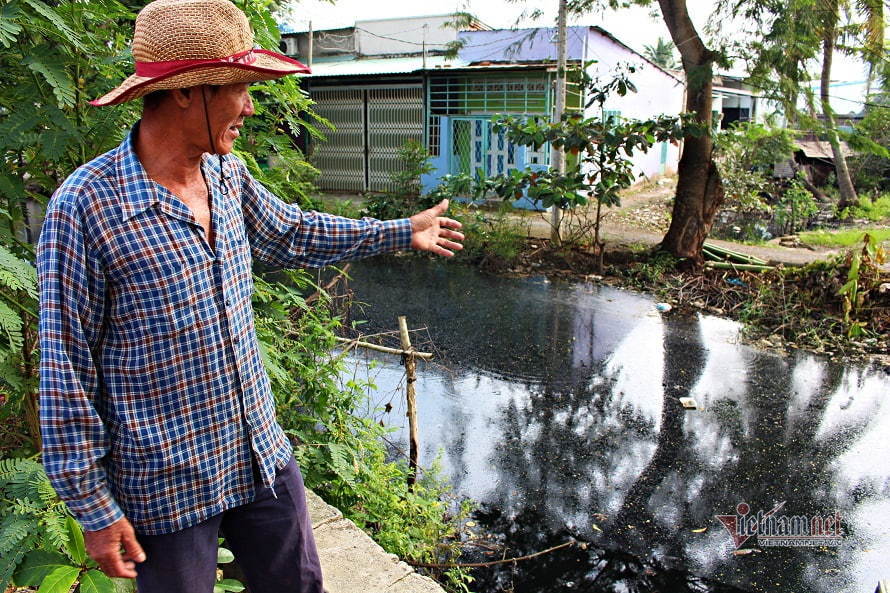
Thấy ông lở loét da thịt vì trầm mình dưới dòng nước đen ngòm để vớt rác, nhiều người bảo ông ‘khùng’, làm chuyện không đâu. Thế nhưng ông mặc kệ.

Người đàn ông Sài Gòn thương dòng kênh, tình nguyện vớt rác mỗi ngày

Mỗi sáng, ông Cường đều ra rạch Ông Đồ chèo ghe đi vớt rác.

Continue reading Người đàn ông Sài Gòn thương dòng kênh, tình nguyện vớt rác mỗi ngày

From macaques to crabs, wildlife faces threat from face masks

12 Jan 2021 11:50AM(Updated: 12 Jan 2021 11:58AM) CNA

KUALA LUMPUR: Masks that helped save lives during the COVID-19 pandemic are proving a deadly hazard for wildlife, with birds and marine creatures ensnared in the staggering number of discarded facial coverings littering animal habitats.

Single-use surgical masks have been found scattered around pavements, waterways and beaches worldwide since countries began mandating their use in public places to slow the pandemic’s spread.

Continue reading on CVD >>

What are Vietnam’s options for dealing with plastic waste?

By Viet Anh    January 5, 2021 | 11:54 am GMT+7 vnexpressWhat are Vietnam's options for dealing with plastic waste?Plastic waste at a private collecting site in Go Vap District, HCMC, August 2019. Photo by VnExpress/Thanh Nguyen.Vietnam should set up legal framework for recycling plastic waste, reduce plastic use and find new materials to replace non-recyclable plastics, according to experts.

Đọc tiếp trên CVD >>

Đông Nam Á đối phó với bãi đổ rác khi Trung Quốc thực thi lệnh cấm nhập khẩu rác thải

English: Southeast Asia braces for trash dump as China enacts waste import ban

Southeast Asia braces for trash dump as China enacts waste import ban |  Nestia

Kể từ ngày 1/1/2021, Trung Quốc  sẽ  không còn chấp nhận chất thải đến từ nước khác, đối với Việt Nam, Thái Lan và Indonesia có thể sẽ cảm thấy đây là gánh nặng từ chính sách mới

Mặc dù ba quốc gia này đã thực hiện nhiều biện pháp để đối phó với rác thải nhưng do còn nhiều tham nhũng, và các chính sách yếu có thể khiến các quốc gia bị chôn vùi trong rác

Trung Quốc, quốc gia đã từng là vua cứu cánh của thế giới, đang đóng cửa đối với tất cả các hoạt động nhập khẩu chất thải trong ngày đầu tiên của năm mới. Thông báo gần đây đã gây ra sự lo lắng tương tự đối với các nước xuất khẩu rác thải vào năm 2018, khi Trung Quốc ban hành chính sách “Chiến dịch thanh kiếm toàn quốc” đó là cấm nhập khẩu 24 loại rác thải rắn, bao gồm cả rác thải nhựa.

Đọc tiếp trên CVD >>

How Vietnam came to embrace a new vision of the Mekong Delta’s future

Analysis by David Brown on 24 December 2020

  • Vietnam’s investments in the Mekong Delta helped turn the nation into a top rice exporter and, subsequently, a manufacturing powerhouse.
  • Today, however, the “rice first” policy has become unsustainable, as climate change threatens the fertile Mekong Delta region in Vietnam’s south.
  • In recent years, policymakers have grappled over how to gird the country’s most important agricultural region against the effects of rising seas and upstream dam building.
  • This article is the first in a two-part series on the future of Vietnam’s Mekong Delta.
The Mekong River, a mega-biodiverse river that supports the lives and livelihoods of over 60 million people, is the site of over 100 planned dams. The river is already suffering major negative environmental and social impacts due to dams. Photo credit: VisualHunt.com

Continue reading on CVD >>

More critically endangered Red River turtles discovered in Hanoi

By Vo Hai   December 19, 2020 | 12:03 pm GMT+7 vnexpressMore critically endangered Red River turtles discovered in HanoiThe rare Rafetus swinhoei, or Hoan Kiem (Sword Lake) turtle, spotted at Dong Mo Lake in Hanoi. Photo courtesy of the Asian Turtle Program.Tests have confirmed that the turtle recently discovered in Hanoi’s Dong Mo Lake is a rare Hoan Kiem turtle, authorities announced on Friday.

Ta Van Son, director of the city Fisheries Department, said a group of its researchers at Dong Mo Lake spotted the turtle on October 22.

Scientists weighed, measured and took samples for genetic testing and released the animal back in the lake.

Experts from the Vietnam Academy of Science and Technology and Vietnam National University Hanoi analyzed its DNA and concluded it belongs to the species Rafetus swinhoei.

Continue reading on CVD >>

Southeast Asia braces for trash dump as China enacts waste import ban

SCMP

  • On January 1, China will no longer be accepting waste from other countries, with Vietnam, Thailand and Indonesia likely to feel the brunt of the new policy
  • Although the three countries have taken steps to deal with mounting trash, corruption and weak policies could doom them to remain buried in refuse
A river canal in Ho Chi Minh City choked by mostly plastic waste. Photo: Sen Nguyen

A river canal in Ho Chi Minh City choked by mostly plastic waste. Photo: Sen Nguyen

Continue reading on CVD >>

Endangered crane absent from Vietnam’s Ramsar site

Red-crowned cranes at the Anlung Pring Sarus Crane Sanctuary, Cambodia in 2015. Photo by Nguyen Cong Toai
Red-crowned cranes at Anlung Pring Sarus Crane Sanctuary, Cambodia, 2015. Photo by Nguyen Cong Toai.

By Hoang Nam   December 15, 2020 | 08:00 pm GMT+7 VnExpress

Losing their natural habitat and food source, red-crowned cranes no longer call a national park in Vietnam’s Mekong Delta home.

For three decades, Tram Chim National Park in the reed fields of Dong Thap Muoi in Dong Thap Province has been famous as a natural habitat for the large East Asian red-crowned crane, among the rarest in the world and classified “endangered” on the International Union for Conservation of Nature Red List of Threatened Species.

The cranes usually descend on the park from December to May, southern Vietnam’s dry season, to forage and mate prior to the onset of rainy, flood-prone weather.

But in recent years, the story has changed.

Continue reading on CVD >>

Bài học cao su

  • QUỐC NAM – BÁ DŨNG – CÔNG ĐÔNG
  • TTCT – 10.11.2020, 13:36

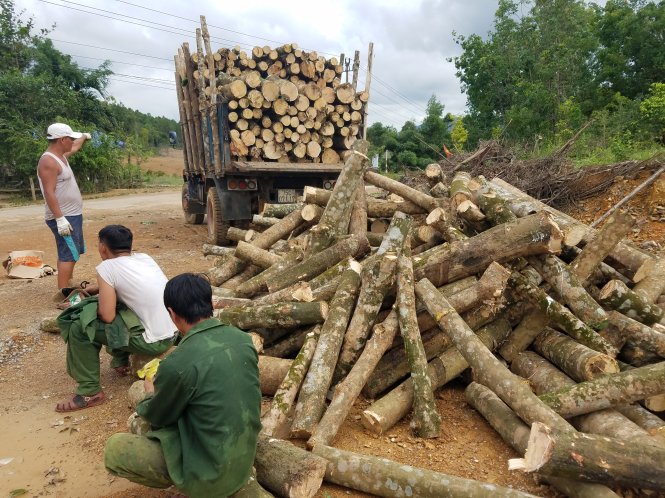
Một thời khắp các tỉnh miền Trung và Tây Nguyên ầm ầm chặt rừng để trồng cao su. Loài cây cho ra những hạt mủ từng được ví là “vàng trắng” này giúp nhiều địa phương đổi thay bộ mặt, nhưng cái giá phải trả cũng không hề nhỏ.

Bài học cao su

Phá bỏ cao su ồ ạt

Sau những trận bão, giấc mơ vàng trắng từ cây cao su tại Quảng Bình đã dần tắt. Chỉ trong 7 năm, tổng diện tích trồng cao su của tỉnh này đã giảm từ hơn 18.000ha xuống gần một nửa, chuyển qua những cây trồng khác mang lại hiệu quả kinh tế cao hơn. Câu chuyện y hệt cũng diễn ra tại tỉnh Quảng Nam.

Đọc tiếp trên CVD >>

Tâm Tuệ – Nguyên nhân ‘đích danh’ khiến miền Trung lũ lụt lịch sử và cái giá phải trả?

mekong-cuulong

Các chuyên gia khí tượng cho biết miền Trung mưa triền miên trong những ngày qua dẫn tới lũ lịch sử là do tác động của nhiều hình thái thời tiết nguy hiểm. Tuy nhiên, có nhiều phân tích cho rằng thiên tai tại Việt Nam hiên nay và những năm gần đây với tình hình ngày càng trầm trọng là do phá rừng và làm thủy điện.

Vào 13 giờ chiều 21/10, bão số 8 còn cách quần đảo Hoàng Sa khoảng 560 km về phía đông.

Đến 19 giờ ngày 23/10, tâm bão cách quần đảo Hoàng Sa khoảng 110km về phía Đông Bắc. Sức gió mạnh nhất vùng gần tâm bão mạnh cấp 11-12 (tức 100-135km/giờ), giật cấp 14.

Đọc tiếp trên CVD >>

Rừng phòng hộ đầu nguồn

 18/11/2020, Thiện Tùng, Mekong-Cuulong

Muốn biết rừng nguyên sinh phòng hộ bị tàn phá thế nào, chư vị cứ gõ: “Nạn phá  rừng” thì Goole đáp ứng ngay. Bài viết nầy tôi có dụng ý góp phần tranh luận về cây tạo nên “Rừng phòng hộ” và “Cây công nghiệp”.

Nhiều chuyên gia thế giới và trong nước nói về tính năng, tác dụng “Rừng phòng  hộ” khá phong phú. Bách khoa toàn thư mở (Wikipedia) rút gọn lại: “Rừng phòng  hộ được sử dung chủ yếu để bảo vệ nguồn nước, bảo vệ đất, chống xói mòn,  chống sa mạc hóa, điều hòa khí hậu, bảo vệ môi trường, môi sinh cho nhiều loại  động thực vật, hạn chế thiên tai, nơi thu hút khách nhàn du…”.

Việt Nam phân ra 2 loại rừng: “Rừng phòng hộ đầu nguồn”(vùng cao) và “Rừng  phòng hộ ven biển”(vùng thấp). Bài viết nầy tôi chỉ nói rừng phòng hộ đầu nguồn.

Đọc tiếp trên CVD >>

How Taiwan uses Buddhist literature for environmental education

The Conversation
01 Dec 2020, 00:39 GMT+10

Climate change is one of the biggest challenges that the world faces. A United Nations report has cautioned that greenhouse gas emissions due to human activity are at a record high, “with no signs of slowing down.” Many nations are recording weather extremes, higher average temperatures and rising seas. Meanwhile, the first wave of increasing numbers of climate refugees points to how a changing environment will reshape human life.

The changes in climate may have been caused by previous and current generations of adults, but it is the future generations that will have to deal with its worst effects. Today’s children will play a critical role in protecting the environment.

Confronting the crisis will require much change – and education is an urgent first step.

Continue reading on CVD >>