Chào các bạn,
Đây là clip nhạc tụng Bát Nhã Tâm Kinh mà mình thích nhất, mời các bạn cùng nghe.
Chúc tất cả chúng ta vượt qua mọi khổ ách, rốt ráo niết bàn. Continue reading Bát Nhã Tâm Kinh (Hán Việt)

Chào các bạn,
Đây là clip nhạc tụng Bát Nhã Tâm Kinh mà mình thích nhất, mời các bạn cùng nghe.
Chúc tất cả chúng ta vượt qua mọi khổ ách, rốt ráo niết bàn. Continue reading Bát Nhã Tâm Kinh (Hán Việt)
Chào các bạn,
Hôm nay nghe bài hát này (Thích Nhuận Thanh hát) mình nhớ đến một bài mình viết (dưới đây), mình xúc động. Mời các bạn cùng nghe.
Chúc các bạn một ngày vui vẻ và mát mẻ. Continue reading Sám nguyện
Chào các bạn,
Salniņa là điệu vũ dân gian Latvia do vũ đoàn Vektors và ban nhạc Auli cùng thực hiện.
Vũ đoàn dân gian Vektors của Đại học Kỹ thuật Riga là một trong những vũ đoàn hàng đầu ở Latvia. Vũ đoàn có hơn 60 vũ công nhiệt huyết và 3 lãnh đạo là chuyên gia vũ dân gian Latvia. Continue reading Salniņa – vũ dân gian Latvia
Chào các bạn,
Kinh Pháp Hoa, hay Kinh Diệu Pháp Liên Hoa (Kinh Pháp Vi diệu của Hoa sen), là Kinh được anh Hoành giảng nhiều lần trong Đọt Chuối Non, như:
– “Phật thích nâng các bạn lên. Vào nhiều kiếp trước khi là Phật, Phật Thích Ca đã có lúc là Bồ tát Thường Bất Khinh – luôn không khinh ai. Gặp người nào, già trẻ lớn bé giàu nghèo, Bồ tát thường chắp tay xá và nói: “Chào Ngài, Ngài sẽ là Phật.” (Thiếu tự tin? Quên đi, TĐH) (Kinh Pháp Hoa, phẩm 20 Bồ tát Thường Bất Khinh). Continue reading Đêm tụng Kinh Pháp Hoa
Chào các bạn,
Ode to Joy (Khải hoàn ca) là bài ca chính thức của Liên minh châu Âu năm 1972. Đây là một bài ode được nhà thơ và nhà sử học người Đức Friedrich Schiller viết vào năm 1785. Đến năm 1824, bài ode này được nhạc sĩ người Đức Beethoven phổ nhạc trong chương thứ tư và cũng là chương cuối của bản giao hưởng số 9 của ông. Đến năm 1907, bản giao hưởng số 9 này được mục sư người Mỹ Henry van Dyke viết lời thánh ca và đặt tên là Joyful, joyful, we adore Thee. Continue reading Ode to Joy – bài nhạc của Liên minh châu Âu
Chào các bạn,
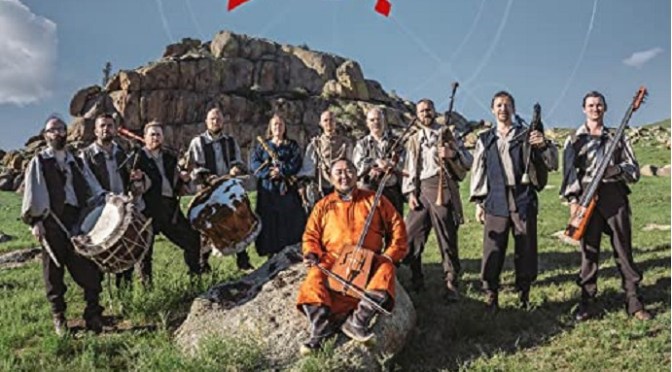
Dưới đây là sự kết hợp giữa hát cổ họng đến từ Mông Cổ với tiếng kèn túi và trống đến từ Latvia. Tên clip là Hunnu Guren.
Nghệ thuật hát cổ họng Tuvan, hay Khoomei, hay Hooliin Chor (tiếng Mông Cổ nghĩa là ‘hòa âm cuống họng’), hay nghệ thuật hát cổ họng Mông Cổ là một biến thể đặc biệt của nghệ thuật hát bội âm (overtone, là những âm có cao hơn âm cơ bản thấp) của người Mông Cổ, Nội Mông, Tuva và Siberia (các nước Đông Bắc Á). Tức là hát 2 âm thấp cao cùng một lúc, như là 2 ca sĩ. Các âm thấp cao thường có những tần số có thể cộng hưởng nhau, tạo thành hòa âm của các nốt cộng hưởng. Continue reading Hunnu Guren
Chào các bạn,
Camille và Kennerly Kitt là hai nhạc công đàn hạc điện/acoustic và là diễn viên sinh đôi người Mỹ. Nghệ danh của họ là Đàn hạc Sinh đôi – Harp Twins và Sinh đôi nhà Kitt – Kitt Twins.
Mời các bạn thưởng thức vài clips của chị em sinh đôi chơi đàn hạc này, đặc biệt là clip đầu tiên hai chị em cùng chơi một cây đàn với điệu nhạc mạnh và cá tính.
Chúc các bạn một ngày vui. Continue reading 2 Girls 1 Harp
Chào các bạn,
Ozoliņi là bài hát dân gian Latvia. Bài hát ca ngợi cây sồi – một trong những biểu tượng cơ bắp trong văn hóa dân gian Latvia. Trong ngày hạ chí (Jāņi), đàn ông (đặc biệt là những người tên là Jāni) sẽ đội vương miện làm từ lá sồi. Lời bài hát nói về cây sồi vĩ đại, mạnh mẽ và quyền lực đến thế nào.
Chào cả nhà,
Sau thời gian tạm ngưng trong thời cách ly COVID-19, ban nhạc ĐCN hôm nay (Chủ nhật 7/19/2020) tập lại lai rai. Chia sẻ với các bạn 3 clips mới thu trong buổi tập, với 3 bản Over & Over, El Condor Pasa và Ngồi hát ca bềnh bồng, với ca sĩ Thu Hằng và các nhạc sĩ Thu Hương (trống), Quỳnh Linh (keyboard), Hướng Phương (guitar), Di Dân (bass).
Mời các bạn
PTH
Over and Over
Đây là bài hát của ca sĩ Hy lạp Nana Mouskuri, nổi tiếng thập niên 1970s khắp thế giới.
I never dared to reach for the moon
I never thought I’d know heaven so soon
I couldn’t hope to say how I feel
The joy in my heart no words can reveal Continue reading Ban nhạc ĐCN – Over & Over, El Condor Pasa, Ngồi hát ca bềnh bồng
Chào các bạn,
Отава Ё (tiếng Nga), nghĩa là aftergrass, cỏ mọc sau vụ mùa đầu tiên đã bị cắt hoặc giữa các gốc cây sau khi thu hoạch.
Отава Ё là ban nhạc rock dân gian Nga đến từ Saint Petersburg (thành phố lớn thứ nhì ở Nga và cũng là cố đô của Đế quốc Nga). Ban nhạc được thành lập năm 2003.
Mình thích các clips của Отава Ё. Âm nhạc vui nhộn, hình ảnh đồng quê và tinh thần phóng khoáng. Continue reading Отава Ё
Chào các bạn,
Hồi nhỏ nghe sách vở nói “Bulgaria là xứ sở hoa hồng”, mình hình dung Bulgaria là xứ sở ở tuốt nơi nào xa xôi lắm, chẳng biết nơi nào, chắc ở đâu đó vùng núi đồi hoang vu lạnh lẽo chỉ có hoa hồng ở Bắc Âu. Hôm nay tình cờ nghe các clips từ Bulgaria, được thấy các chị Bulgaria trong bộ váy dân tộc rất đẹp hát lên những giai điệu du dương, và được thấy vị trí Bulgaria trên bản đồ thế giới, mình cảm thấy rất vui và thấy gần gũi với Bulgaria hơn. Continue reading Những giọng ca vũ hòa từ Bulgaria
Chào các bạn,
Mời các bạn cùng thưởng thức bài hát Và ta đã thấy mặt trời, sáng tác của nhạc sĩ Nguyễn Cường, với giọng ca của chị Siu Black và H’Zina Bya.
Chị Siu Black (sinh năm 1967), người Ba Na, sinh tại làng Plei Tơnghia, Kon Tum. Chị Siu Black quá nổi tiếng. Mấy năm gần đây chị rời ca hát nên bây giờ được nghe lại giọng hát của chị, mình rất vui. Continue reading Và ta đã thấy mặt trời
Chào các bạn,
Hãy để mặt trời luôn chiếu sáng (tiếng Nga: Пусть всегда будет солнце!) là bài hát thiếu nhi tiếng Nga. Bài hát được sáng tác năm 1962, Arkady Ostrovsky sáng tác nhạc và phần lời do Lev Ivanovich Oshanin viết. Nhà văn Nga Korney Ivanovich Chukovsky sau này đã viết trong một cuốn sách rằng nội dung chính của bài hát là 4 câu (mà về sau là phần điệp khúc của bài), được sáng tác vào năm 1928 bởi một cậu bé 4 tuổi. (Wikipedia) Continue reading Hãy để mặt trời luôn chiếu sáng
Chào các bạn,
Đây là các bài hát và nhạc truyền thống của các đảo Hy Lạp. Mình thấy rất hay nên giới thiệu với các bạn. Nhạc có âm hưởng nhạc Hồi giáo và nhạc Ả-rập vì Hy Lạp nằm cạnh khối Ả-rập.
Continue reading Các bài hát và nhạc truyền thống của các đảo Hy Lạp
Que Sera Sera
Khi mình chỉ là cô bé
Mình hỏi mẹ: “Con sẽ làm gì?
Con sẽ xinh chứ? Con sẽ giàu chứ?”
Đây là điều mẹ nói với mình
Que Sera Sera
Điều sẽ là, sẽ là
Tương lai chúng ta không thể thấy
Que Sera Sera
Điều sẽ là, sẽ là Continue reading Que Sera Sera