
Dịch sang tiếng Việt: PhạmThu Hương & Trần Đình Hoành

Dịch sang tiếng Việt: PhạmThu Hương & Trần Đình Hoành
Countries began to reshape global health governance but left themselves room to change course
World Health Organization (WHO) logo, United Nations headquarters, Geneva, Switzerland. REUTERS/Denis Balibouse/File Photo
by David P. Fidler June 3, 2022 thinkglobalhealth.org
The annual meeting of the World Health Assembly (WHA) concluded on May 28. At the gathering, member states of the World Health Organization (WHO) made many decisions, some of which stood out as potential turning points for global health. The WHA did not ignore COVID-19, but member states primarily grappled with challenges that the pandemic created and that must be addressed beyond COVID-19. However, member states demonstrated as much caution as resolution in some of the most prominent decisions taken. This wariness creates uncertainty about the importance of these decisions as the WHO labors to put global health governance on more solid post-pandemic footing.
Continue reading The World Health Assembly Takes Steps Toward Global Health Reforms |
June 4, the anniversary of the 1989 Tiananmen Square massacre—in which People’s Liberation Army (PLA) forces killed hundreds and perhaps thousands of protesters as well as crushing demonstrations across the country—is a fraught moment in China. In Hong Kong, the public once freely memorialized the massacre. This year, authorities again used the national security law passed in 2020 to block gatherings; six people were arrested.
In mainland China, the anniversary claimed an unexpected victim: e-commerce influencer Li Jiaqi, widely known as the “Lipstick Brother” or “Lipstick King.” During a livestream on June 3, Li was presented with a cake that resembled a tank. Censors promptly pulled the show offline, and it hasn’t returned, with Li’s team citing “technical difficulties.” Early June is a prime time for online shopping ahead of June 18, China’s second-biggest day for online sales. But Li’s name now returns blank results on search platforms, even on e-commerce sites.
Continue reading Censors silence popular influencer around Tiananmen Square Massacre anniversary
500 Greatest Songs of All Times
Chào các bạn,
Ca khúc được Giorgio Moroder và Deborah Harry sáng tác; ban nhạc người Mỹ Blondie trình diễn; Moroder sản xuất; phát hành vào tháng 2/1980; thuộc thể loại nhạc lắc-vũ (dance-rock) và làn sóng mới (new wave).
Báo nhạc Rolling Stone xếp Gọi em hạng 289 trong 500 bài hát hay nhất mọi thời đại. Continue reading Gọi em
Chào các bạn,
Làm việc với chất lượng tốt nhất là một thói quen chủ quan – bạn có thói quen làm việc với chất lượng tốt nhất – nhưng đồng thời chất lượng cũng là một đòi hỏi khách quan của thị trường khi sản phẩm bạn cạnh tranh với các sản phẩm cùng loại trên thị trường. Có nghĩa là chất lượng của sản phẩm của bạn là một kết hợp chất lượng làm việc chủ quan của bạn và chuẩn chất lượng khách quan của các sản phẩm đang cạnh tranh trên thị trường. Nhưng đương nhiên là sản phẩm của bạn thành hình chính vẫn là nhờ thói quen làm việc với chất lượng cao nhất có thể của bạn. Continue reading Tự thắng

Transparency Int’l – 01 April 2016
If there was one common challenge to unite the Asia Pacific region, it would be corruption. From campaign pledges to media coverage to civil society forums, corruption dominates discussion. Yet despite all this talk, there’s little sign of action. Between Australia’s slipping scores and North Korea’s predictably disastrous performance, the 2015 index shows no significant improvement. Has Asia Pacific stalled in its efforts to fight corruption?
This year’s poor results demand that leaders revisit the genuineness of their efforts and propel the region beyond stagnation.
The public desire for change is huge. In India, Sri Lanka and elsewhere, we’ve seen a host of governments coming to power on anti-corruption platforms. As corruption continues to dominate media coverage across and beyond the region, increasing interest in the issue has sparked a raft of new research into both public and private sector corruption.
So why this picture of zero progress? Despite boastful efforts on petty corruption, Malaysia’s 1MBD scandal brought the crux of the challenge into sharp focus: is political leadership genuinely committed to fighting corruption throughout society? The Malaysian prime minister’s inability to answer questions on the US$700 million that made its way into his personal bank account is only the tip of the iceberg.
In India and Sri Lanka leaders are falling short of their bold promises, while governments in Bangladesh and Cambodia are exacerbating corruption by clamping down on civil society. In Afghanistan and Pakistan a failure to tackle corruption is feeding ongoing vicious conflicts, while China’s prosecutorial approach isn’t bringing sustainable remedy to the menace. This inability to tackle root causes holds true across the region – witness, for example, Australia’s dwindling score in recent years.
Malaysia’s 1MBD scandal brought the challenge into sharp focus: is political leadership genuinely committed to fighting corruption throughout society?
Reversing corruption is clearly not solely down to governments, but they’re the ones with the largest role and the power to create enabling environments for others. This year’s poor results demand that leaders revisit the genuineness of their efforts and propel the region beyond stagnation. They must fulfil promises, and ensure efforts aren’t undermined in practice. Anti-corruption commissions are a prime example here: while their creation across the region is commendable, ongoing political interference and inadequate resources has meant many are unable to fulfil their mandate. This has to be addressed.
VNN – Update: February, 20/2022 – 09:02|
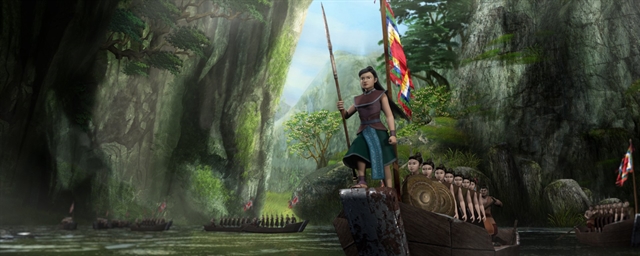
A scene in historical animation Nữ Tướng Mê Linh (The Heroines). Photo courtesy of the Việt Nam Cartoon Company
By Lương Thu Hương
Though 2021 posed a year of challenges due to the COVID-19 pandemic, the nation’s animation industry went from strength to strength, receiving an abundance of awards and millions of hits on YouTube.
Việt Nam Cartoon Studio (the Việt Nam Cartoon Joint Stock Company) last year completed its production plan, having 16 films approved by the Cinema Department under the culture ministry for distribution.
The films produced by the company were diverse, rich in forms of expression and contained many unique features.
Continue reading New era of Vietnamese cartoons wins young hearts
500 Greatest Songs of All Times
Chào các bạn,
Morrissey đã trộm lời bài Bây giờ là bao giờ? từ cuốn tiểu thuyết của George Eliot, nhưng tay ghita Marr lại trích từ nguồn khác: ban nhạc “Derek and the Dominos.” Morrissey và Marr đều là thành viên của ban nhạc Smiths và đều là người sáng tác bài hát này. Morrissey nói, “Tôi muốn đoạn mở đầu mạnh gần giống bài Layla, để khi chơi trong câu lạc bộ hay quán rượu, ai cũng biết đó là bài gì.” Layla là bản nhạc tình do ban Derek and the Dominos trình diễn, đã rất nổi tiếng lúc đó. Continue reading Bây giờ là bao giờ?
Chào các bạn,
Thông tin, kiến thức và trí tuệ là các từ mình dùng cho information, knowlwedge và wisdom. Ngày trước các từ này hay được dùng lẫn lộn và thay cho nhau, nhưng những năm vừa qua sự khác biệt giữa ba từ càng ngày càng lớn và càng rõ ràng, cho nên chúng ta cần nắm vững chúng để hiểu điều gì đang xảy ra cho đầu óc của chúng ta.
Information, thông tin, là sự kiện căn bản nhất. Một sự kiện gì đó đến, đi vào đầu bạn, đó là thông tin. Một người cho bạn biết một người khác vừa bị bệnh, đó là thông tin. Một mảnh dữ kiện nhỏ đi vào đầu mình. Thông tin tự chính nó thường chẳng tạo ra hiểu biết gì nhiều về câu chuyện phía sau thông tin.
Nhiều mảnh thông tin nữa đến sẽ làm cho chúng ta thêm nhiều dữ kiện. Như là bạn đó uống ly nước có chất gì độc hại trong đó, và có người thân đưa vào bệnh viện cấp cứu. Các dữ kiện mới như thế sẽ từ từ cho chúng ta hiểu được câu chuyện (narrative) của bạn này.
Từ từ có nhiều thông tin khác về ly nước và những người ra vô nhà cậu kia, đưa ra nhiều câu hỏi về câu chuyện. Như là ai ra vô nhà đó, ly nước đó ai để đó, ai có thể đến gần nó, chất độc hại trong đó là gì, ai có thể bỏ chất đó vào ly nước… Các thông tin mới này có thể đưa thêm ánh sáng cũng như thêm nhiều câu hỏi cho câu chuyện. Và câu chuyện bắt đầu trở thành rối rắm: Đây là một vụ ám sát? Nếu vậy thì ai chủ mưu ám sát? Ai hành động ám sát? Đây là ám sát thật hay chính cậu bệnh nhân dàn cảnh? Nếu dàn cảnh thì dàn cảnh làm gì?… Thế là vụ việc trở thành 3, 4 câu chuyện có thể, với vài ba lý thuyết khác nhau. Nghĩa là các thông tin đã cho chúng ta vài ba câu chuyện khác nhau, chuyện nào cũng có lý một chút, nhưng chẳng chuyện nào đầy đủ 100% để mọi người đều có thể kết luận: “Đây là câu chuyện đúng, còn các câu chuyện kia là sai.” Và đây là tình trạng cúa cái mà chúng ta gọi là kiến thức (knowledge) ngày nay.
Kiến thức (knowledge) ngày nay thường là những câu chuyện (narrative) chủ quan mà người ta tổng hợp từ các thông tin (information) người ta nhận được. Và mỗi câu chuyện như thế được một nhóm người đưa ra như là “sự thật”, nhưng thật sự có nhiều phiên bản “sự thật” khác nhau của cùng một vụ việc – “sự thật” là gì còn tùy vào bạn nói chuyện với ai.
Nghĩa là kiến thức ngày nay chẳng thực sự là kiến thức mà chỉ là những câu chuyện chủ quan kết hợp thông tin một cách chủ quan, kết luận chủ quan, và được đẩy ra ngoài (trên Internet) thành một kiến thức. Kiến thức đó chẳng là sự thật và do đó chẳng thật là kiến thức.
Nhưng tại sao có tình trạng này?
Điều chính là vì thông tin đi quá nhanh, và người ta không thể chỉ chuyển thông tin rời rạc vô nghĩa lý mà cần cho thông tin có nghĩa, bằng kết hợp thông tin thành câu chuyện tức thì. Nhu cầu vận tốc của người viết/nói lẫn người đọc ép người ta có những câu chuyện rất nhanh, dù chẳng đúng. Và khi câu chuyện được đưa ra, nó thường được chấp nhận như là một sự thật, dù nó có thể chẳng thật chút nào.
Dĩ nhiên, khi một vụ việc có nhiều phiên bản chuyện khác nhau, thì có tranh chấp giữa những phiên bản và giữa những người ủng hộ những phiên bản khác nhau. Cái gọi là kiến thức (knowledge), chẳng những không là kiến thức mà còn là đầu mối của mọi tranh cãi và chia rẽ. Và đa số mọi người bị lạc vào vòng lẩn quẩn – thông tin, phiên bản, và tranh chấp tư duy – vì áp lực biết nhanh biết nhiều mà Internet tạo ra.
Đương nhiên là chỉ có một phiên bản của câu chuyện là đúng nhất và có thể gọi là sự thật (truth). Sự thật (truth) đó là trí tuệ, thông thái (wisdom).
Nhưng vấn đề là wisdom thường rất hiếm, vì chẳng ai làm công việc tìm ra nó. Mọi người chạy theo một phiên bản knowledge, cho rằng mình đúng, người khác sai. Và hết chuyện. Vì còn phải chạy theo một mớ chuyện khác, mỗi chuyện với vài phiên bản khác nhau như thế. Và đó là một thế giới nhiễu thông tin, nhiễu kiến thức, chạy lòng vòng lẩn quẩn, mà chẳng hề có được wisdom (thông thái, trí tuệ).
Đương nhiên cách giải quyết vẫn đề là chậm lại, kiên nhẫn tìm hiểu vấn đề kỹ càng hơn. Nhưng bạn chẳng thể chậm lại và kiên nhẫn nếu bạn đang đứng giữa dòng chảy cả chục vấn đề chảy qua mỗi giây, bạn chẳng thể giữ một vấn đề trong đầu và để hàng nghìn vấn đề vuột mất trong một ngày.
Nói chung, chúng ta đang là nạn nhân của dòng chảy hỗn loạn của thông tin, mất kiến thức, và lạc phương hướng.
Và đó là chúng ta chưa thêm một yếu tố lớn vào vấn đề. Đó là, rất nhiều người dùng thông tin để làm cho mình nổi tiếng, để đẩy tiếng nói của mình theo ý mình muốn, vì lý do chính trị hay kinh doanh, hay chỉ là để nổi tiếng. Những người này không cần sự thật, chỉ cần đẩy đủ thứ tin vịt giật gân để nổi tiếng.
Thế giới tạo ra computer và con người đã thành nạn nhân của computer, vì chưa biết cách vận hành hiệu quả với computer.
Thế thì làm sao chúng ta có được wisdom?
1. Đương nhiên là muốn biết sự thật thì phải kiên nhẫn tìm ra sự thật. Trong một thế giới hỗn loạn chạy theo vận tốc, nếu bạn muốn tìm sự thật thì bạn vẫn phải kiên nhẫn, chậm lại và tìm hiểu cho đến lúc bạn thỏa mãn đã có thông tin đầy đủ để kết luận.
2. Còn nhiều vụ việc khác bạn không thể tập trung vào như thế, thì hãy chấp nhận các phiên bản của một việc tạm thời như chỉ là một phiên bản, mà chưa là sự thật. Ít ra trong rất nhiều trường hợp, bạn sẽ đúng với thái độ đó.
3. Nhạy cảm với thông tin. Nếu bạn thường quan tâm đến thông tin đúng sai, có thông tin gì cũng suy nghĩ một chút trước khi chuyển đi đâu, thì bạn sẽ càng ngày càng nhạy cảm với thông tin, và sẽ cảm thấy thông tin nào đáng tin và thông tin nào không đáng tin, để mà chọn lọc thông tin ngay tức thì, khi vừa mới gặp thông tin. Điều này giúp cho bạn loại rác ra khỏi đầu ngay từ đầu, và do đó có nhiều thời gian hơn để làm việc với sự thật
Các bạn, thông tin (information), phiên bản câu chuyện (narative) và sự thật (truth) là 3 thứ hoàn toàn khác nhau.
Phiên bản câu chuyện (narative) ngày nay thường bị đưa ra là kiến thức (knowledge) hay wisdom (thông thái, trí tuệ). Nhưng thực sự đó chỉ là phiên bản chủ quan của vụ việc.
Sự thật (truth) mới là wisdom (thông thái, trí tuệ) và luôn khó nắm dù ở thời đại nào. Truth ngày xưa là wisdom và cũng là knowledge. Ngày xưa, truth, knowledge và wisdom là một. Ngày nay, knowledge chẳng là truth và chẳng là wisdom, mà chỉ là một phiên bản.
Truth đòi hỏi kiên nhẫn, suy nghĩ và thành thật. Nếu bạn không muốn nói sai cho bạn bè và các em của bạn nghe, thì đó là động lực thành thật, giúp bạn kiên nhẫn thêm để tìm sự thật và không xả thêm rác vào dòng thông tin.
Chúc mọi chúng ta đều thông thái.
Mến,
Hoành
© copyright 2022
Trần Đình Hoành
Permitted for non-commercial use
www.dotchuoinon.com
When and why people pay bribes or use personal connections

Illustration by Meel Tamphanon
transparency – 24 November 2020
Across Asia, the use of personal connections to get ahead is a common practice.
In addition to paying bribes for the services they need, people use their family or social contacts to skip the line or gain quicker and better access to schools and hospitals, and “speed up” government paperwork such as driver’s licenses or birth certificates..
How much you can increase the speed and quality of your service often depends on how much you can pay or who you know.
In the Global Corruption Barometer — Asia, we asked people about how and why they paid bribes or used personal connections when accessing public services across Asia.
Published: June 8, 2022 2.58pm BST The Conversation
The authors do not work for, consult, own shares in or receive funding from any company or organisation that would benefit from this article, and have disclosed no relevant affiliations beyond their academic appointment.
University of the Witwatersrand provides support as a hosting partner of The Conversation AFRICA.
 We believe in the free flow of information
Narrative frames are fundamental to unifying ideologies. They frame what is possible and impossible, which ideas can be accepted and which must be rejected. In her book, Digital Democracy, Analogue Politics, storyteller and political analyst Nanjala Nyabola examines the framing of the Fourth Industrial Revolution narrative in this light.
Continue reading The Fourth Industrial Revolution: a seductive idea requiring critical engagement500 Greatest Songs of All Times
Chào các bạn,
Gordy Stevenson, người cho Martha Reeves công việc đầu tiên là làm thư ký cho anh ấy, đã thăm dò nhóm Vandellas bằng bài hát này sau khi bài bị Kim Weston – bạn đồng hành Motown (và là bà Stevenson tương lai) từ chối. Bộ ba đồng ý thu âm Vũ trên phố như là một bản thu thử với nhạc nền được chính các tác giả hát. “Khi Martha bắt đầu vào bài,” Stevenson nói, “vậy là xong cuộc nói chuyện!” Continue reading Vũ trên phố
Chào các bạn,
Nếu các bạn quan tâm vào trí tuệ con người, quan sát mọi người, các bạn sẽ nhận ra là mỗi người, đa số người, thường chỉ là một mảnh vụn của tri thức. Nói vắn tắt là các vị người thì rành computer, người thì rành y học, người thì rành kinh tế… Mỗi người là một chuyên gia trong một ngành nghề. Nhưng ngoài nghề nghiệp của họ thì đa số người ngày nay lớ ngớ lẩn ngẩn về tất cả mọi điều khác. Có nghĩa là họ chẳng thể có một cái nhìn tổng thể chính xác về xã hội quanh họ, vì chẳng hiểu gì khác hơn là công việc hằng ngày. Đó là những mảnh vụn tri thức đi qua cuộc đời. Continue reading Những mảnh vụn tri thức
Kleptocracy in Russia has thrived thanks to the complicity of advanced economies, who are now waking up to its dangers

transparency.org – 04 March 2022
In the wake of Russia’s attack on Ukraine, the international community is scrambling to deter President Vladimir Putin and his cronies – and to help end the military aggression as soon as possible.
Among other measures, European Union member countries, Canada, United Kingdom and the United States have all announced targeted sanctions against Kremlin-linked individuals and businesses – many of whom are suspected of large-scale corruption.
In a kleptocratic system such as today’s Russia, going after the elites can be meaningful. The vast wealth that Russian kleptocrats have amassed – and continue to enjoy – has helped President Putin tighten his grip on power, exert illicit influence over the affairs of other nations and embolden his geopolitical ambitions.
nikkei – Nearly 50 years after Ferdinand Marcos Sr. declared brutal martial law, the Philippines is poised to elect his son. Has history been forgotten?

Nikkei staff writersMay 7, 2022 03:26 JST
NEW YORK — Welcome to Nikkei Asia’s podcast: Asia Stream.
Every week, Asia Stream tracks and analyzes the Indo-Pacific with a mix of expert interviews and original reporting by our correspondents from across the globe.
New episodes are recorded biweekly and available on Apple Podcasts, Spotify and all other major platforms, and on our YouTube channel.
This week, we focus on one of Asia’s most dynamic but flawed democracies: the Philippines. With the election just days away, we get under the hood of the electoral system and investigate the powerful role that dynasties play in the country, with a special focus on Ferdinand Marcos Jr., the front-runner on the cusp of taking power. We then take into account that other essential, if dangerous, tenet of modern Philippine democracy: disinformation, and how it is being used to gain support among the country’s most vulnerable populations.
Continue reading PODCAST – Asia Stream: The Philippine Election — Dynasty and Disinformation


 Đọt Chuối Non