
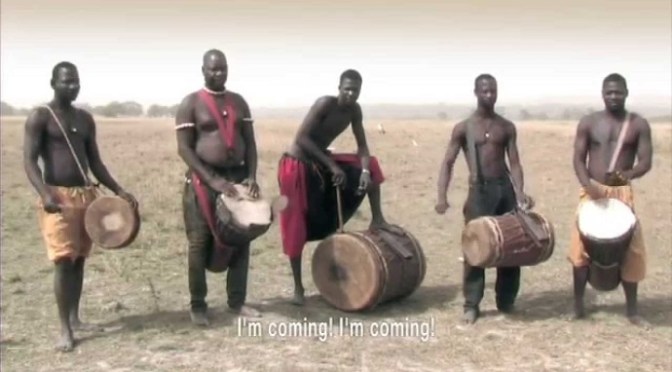
“Foli” is the word used for rhythm by the Malinke tribe in West Africa. But Foli is not only found in Malinke music, but in all parts of their daily lives. Directed by Thomas Roebers, this short film portrays the people of Baro, a small town in eastern-central Guinea, and gives you a glimpse inside their culture of rhythm. As the Malinke man says, “Tous les choses, c’est du rythme.” (“Everything is rhythm.”) What makes this film even more beautiful is the fact that it was edited so as to reflect Malinke rhythms. Continue reading Everything is rhythm
Tag Archives: Văn Hóa
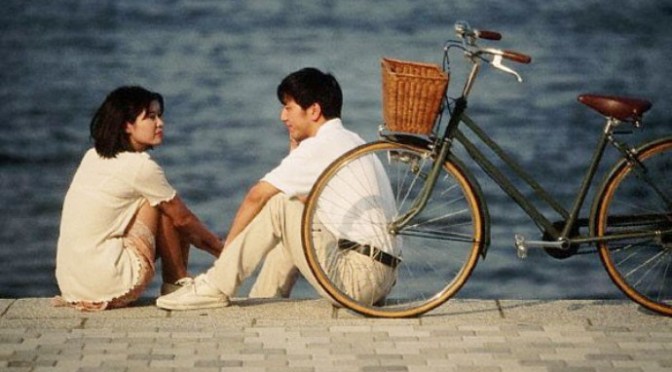
Xe đạp ơi
Dear brothers and sisters,
Below is a memory song, to me and perhaps to many people. I like the song. And I like how chị Phương Thảo sings and plays mandolin. I’m practicing mandolin, so I’ll try to play the song, and perhaps I’ll try to sing the song.
Enjoy and have a nice day. Continue reading Xe đạp ơi
Spring
Dear brothers and sisters,
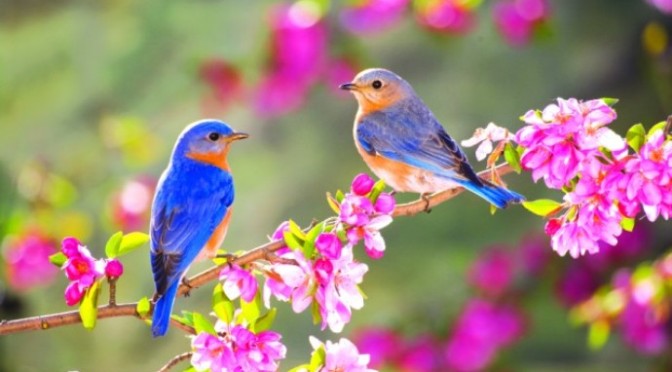
I’ve been waiting for a long time to share with you about this song – Spring of Vivaldi.
Vivaldi had the song list Four seasons: Spring, Summer, Autumn and Winter. The song Winter was the first song I posted. So I waited for summer to come in order to share with you the song Summer. Then I waited for autumn to come in order to talk about the song Autumn. And now is spring, I’m glad to have the opportunity to share the song Spring. Continue reading Spring

Tự do
Chào các bạn,
Dưới đây là đoạn nhạc Tự do trong phim Trái tim dũng cảm (Braveheart, 1995). Phim kể về William Wallace (1270 – 23 tháng 8 năm 1305) là hiệp sĩ và lãnh đạo người Scotland. Ông là người lãnh đạo phong trào nổi dậy trong cuộc Chiến tranh giành độc lập của Scotland. Đây là cuộc chiến người Scotland chống lại vua Edward I (vua Anh) và đánh bại quân Anh trong trận cầu Stirling.
Kèm theo dưới đây là clip tiếng Việt và tiếng Anh về đoạn William Wallace với bài Tự do nổi tiếng. Continue reading Tự do
Tiếng Việt thời LM de Rhodes – tiền gián, bẻ tiền bẻ đũa (phần 21)

Nguyễn Cung Thông[1]
Phần này bàn về cách dùng tiền gián, bẻ tiền bẻ đũa thời LM de Rhodes trong tự điển Việt Bồ La. Đây là tục lệ rất ít tài liệu nào ghi nhận.
Tài liệu tham khảo chính của bài viết này là bốn tác phẩm của LM de Rhodes soạn: (a) cuốn Phép Giảng Tám Ngày (viết tắt là PGTN), (b) Bản Báo Cáo vắn tắt về tiếng An Nam hay Đông Kinh (viết tắt là BBC), (c) Lịch Sử Vương Quốc Đàng Ngoài 1627-1646 và (d) từ điển Annam-Lusitan-Latinh (thường gọi là Việt-Bồ-La, viết tắt là VBL) có thể tra từ điển này trên mạng, như trang này chẳng hạn http://books.google.fr/books?id=uGhkAAAAMAAJ&printsec=frontcover#v=onepage&q&f=false .
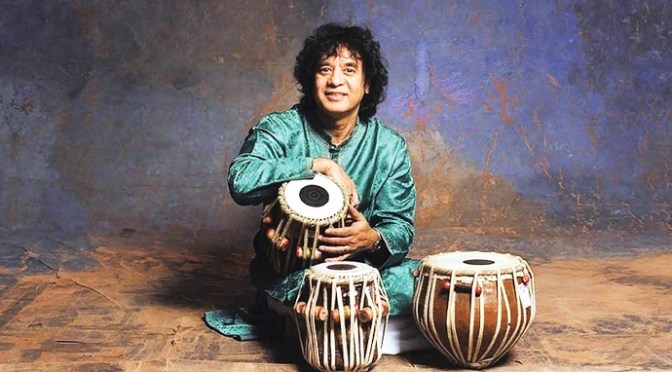
Tabla of Zakir Hussain
Dear brothers and sisters,
Drum is a musical instrument you can learn in a short time. If you know nothing about music but you want to play music, you should learn to play drums.
I’m happy when I can play drums in a short time. Although I need to practice hardly, I’m happy when I can play music. Continue reading Tabla of Zakir Hussain
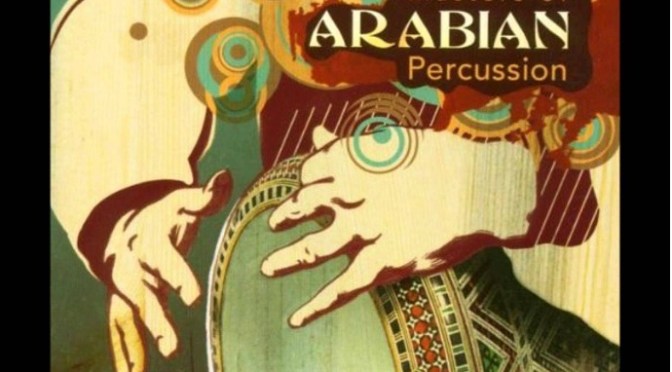
Goblet drum of Amir Sofi
Dear brothers and sisters,
I’m learning to play drums. So I’m interested in all kinds of drum. There are clips about goblet drums.
The goblet drum (also chalice drum, tarabuka, tarabaki, darbuka, derbake, debuka, doumbek, dumbec, dumbeg, dumbelek, tabla, tablah, tableh, toumperleki or zerbaghali) is a single head membranophone with a goblet shaped body used mostly in Egypt, also in parts of the Middle East, North Africa, South Asia, and Eastern Europe. The African djembe-wassolou is also a goblet membranophone. Continue reading Goblet drum of Amir Sofi
Aladdin
Dear brothers and sisters,
Below is a bright and joy clip. I really love classical music like that.
In the clip, I prefer the first song – Arabian nights, perhaps because I like Arabic music.
Enjoy and have a nice day. Continue reading Aladdin
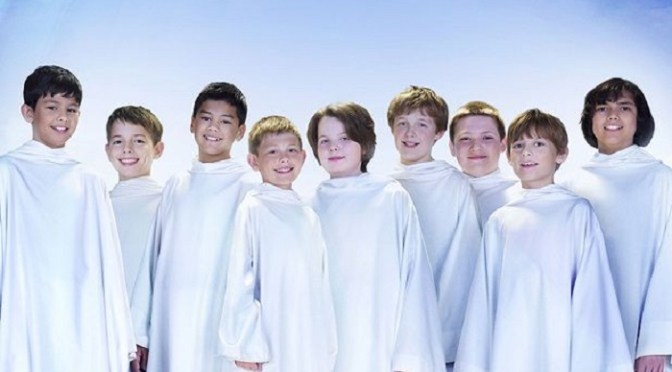
Song of Life
Dear brothers and sisters,
This is my favourite song – Song of Life. Libera choir sing it.
I love the music of the Libera choir, the all-boy English vocal group. Their music calms down my soul.
Enjoy and have a peace day. Continue reading Song of Life
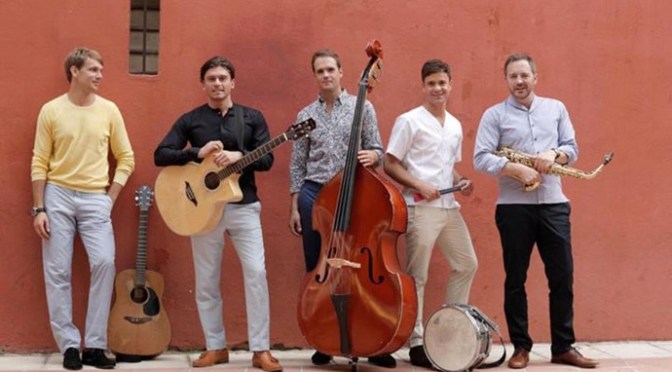
The Gypsy Queens
Dear brothers and sisters,
Enjoy music of The Gypsy Queens.
The Gypsy Queens is a French pop band formed in Nice by Didier Casnati. They play a large repertoire of multi-lingual covers, with a rich vocal style likened to bands such as The Beach Boys or The Beatles. Continue reading The Gypsy Queens
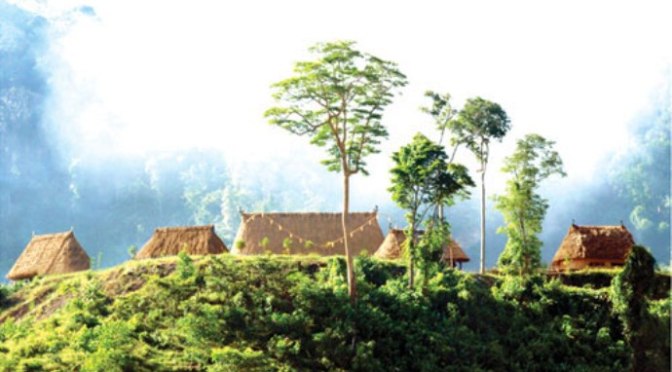
Giấc mơ Chapi
Dear brothers and sisters,
A song of musican Trần Tiến, and singer Y Zak (Ede people). The song sings about chapi, a musical instrument of Raglay people.
Enjoy the song and a clip about chapi.
Have a good day.
PTH
Những khung trời khác
Dear brothers and sisters,
A lovely song. I like the lyric, example:
Thích từng suy nghĩ trong anh về cuộc sống
Từng nơi chốn anh hay ghé lại
Enjoy and have a love day.

Santa Lucia
“Santa Lucia” (Italian: [ˈsanta luˈtʃiːa], Neapolitan: [ˈsandə luˈʃiːə]) is a traditional Neapolitan song. It was translated by Teodoro Cottrau (1827–1879) into Italian and published by the Cottrau firm, as a barcarola, in Naples in 1849. Cottrau translated it from Neapolitan into Italian during the first stage of the Italian unification, the first Neapolitan song to be given Italian lyrics. Its transcriber, who is very often credited as its composer, was the son of the French-born Italian composer and collector of songs Guillaume Louis Cottrau (1797–1847). Various sources credit A. Longo with the music, 1835. Continue reading Santa Lucia

Tu Vuò Fa’ L’Americano
“Tu vuò fà l’americano” (pronounced [ˈtu ˌvwo ˈfa llameriˈkɑːnə]; “You Want to Be American”) is a Neapolitan language song by Italian singer Renato Carosone.
Carosone wrote the song in collaboration with Nicola “Nisa” Salerno in 1956. Combining swing and jazz, it became one of his best-known songs. Commissioned by Ricordi director Rapetti for a radio contest, the music was composed by Carosone in a very short time after reading Nisa’s lyrics; he immediately believed the song would become a great success. Continue reading Tu Vuò Fa’ L’Americano

La Cumpasita
“La cumparsita” (from “comparsa” carnival) is a tango written in 1916 by the Uruguayan musician Gerardo Matos Rodríguez, with lyrics by Pascual Contursi and Enrique Pedro Maroni. It is among the most famous and recognizable tangos of all time. Roberto Firpo, director and pianist of the orchestra that premiered the song, added parts of his tangos “La gaucha Manuela” and “Curda completa” to Matos’ carnival march (“La cumparsita”), resulting in “La cumparsita” as it is currently known. “La cumparsita” was first played in public in the old Café La Giralda in Montevideo. The Tango Museum of Montevideo stands currently on that historic spot. Continue reading La Cumpasita
 Đọt Chuối Non