
Los Angeles Times
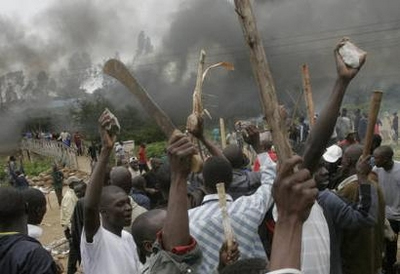
UC Berkeley researchers pull together data on ancient wars, road rage and more, and conclude that violence may increase between now and 2050 because of higher temperatures and extreme rainfall patterns.
August 01, 2013, By Monte Morin
Long before scientists began to study global warming, author Raymond Chandler described the violent effects of dry, “oven-hot” Santa Ana winds gusting through the city of Los Angeles.
Continue reading Violence will rise as climate changes, scientists predict
![[image]](https://i0.wp.com/si.wsj.net/public/resources/images/RV-AL211_TEACHE_DV_20130802162509.jpg) SeongJoon Cho for The Wall Street Journal
SeongJoon Cho for The Wall Street Journal


 Any of you who have ever read “Romance of the Three Kingdoms” will know that Cao Cao is the most suspicious man in the world. Therefore, we have a saying “Overly suspicious like Cao Cao”. I remember when I was little, I extremely disliked Cao Cao when I read this novel, yet I kept thinking to myself: “Perhaps I should never be as suspicious to the point of cruelty as Cao Cao did, but maybe suspicion is something I should learn more about, otherwise how do I survive in this world?” And this question has followed me for many years as I grow up.
  Hi everyone,



 Đọt Chuối Non