Đức nhân

Chào các bạn,

Luận ngữ viết:

I.2 – Hữu tử viết: “Kì vi nhân dã hiếu đễ nhi hiếu phạm thượng giả tiển hĩ. Bất hiếu phạm thượng nhi hiếu tác loạn giả, vị chi hữu dã. Quân tử vụ bản, bản lập nhi đạo sinh. Hiếu đễ dã giả, kì vi nhân chi bản dư”.

Dịch. – Hữu tử nói: “Làm người, có nết hiếu, đễ thì ai dám xúc phạm bề trên. Không thích xúc phạm bề trên mà thích làm loạn thì chưa từng có. Người quân tử chăm chú vào việc gốc, gốc mà vững thì đạo đức sinh ra. Hiếu, đễ là cái gốc của đức nhân đấy chăng? Continue reading Đức nhân

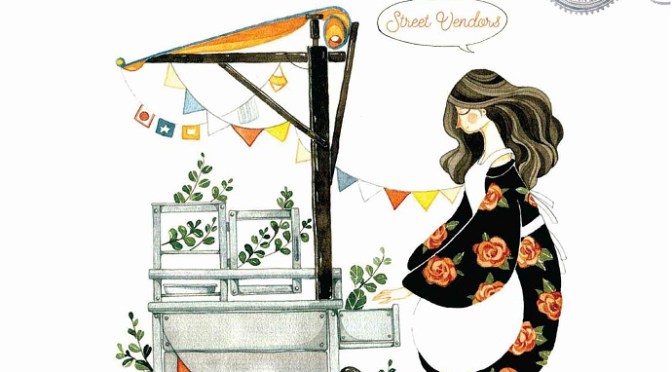
Ms. Bé selling coconut juice

Dear brothers and sisters,

On Thanksgiving 2020, I invited my friends and neighbors to enjoy a party. Among the guests was a woman selling coconut juice at the street where I lived.

She was about 40 years old, no marriage, no children, and usually wore her long hair down to her shoulders. Her store was a sidewalk cart, without a name. Old tables and chairs, people no longer used them, she picked them up to use. Continue reading Ms. Bé selling coconut juice

Israel is quiet on next steps against Iran — and on which partners helped shoot down missiles

Both sides try to claim victory after Iranian aerial attack on Israel, AP explains Videos

BY TIA GOLDENBERG AND JOSEF FEDERMANUpdated 7:20 AM GMT+7, April 15, 2024Share

Follow AP’s live updates on Iran’s attack against Israel.

TEL AVIV, Israel (AP) — Israeli leaders on Sunday credited an international military coalition with helping thwart a direct Iranian attack involving hundreds of drones and missiles, calling the coordinated response a starting point for a “strategic alliance” of regional opposition to Tehran.

Continue reading Israel is quiet on next steps against Iran — and on which partners helped shoot down missiles

Xin nhìn đường thầy

Chào các bạn,

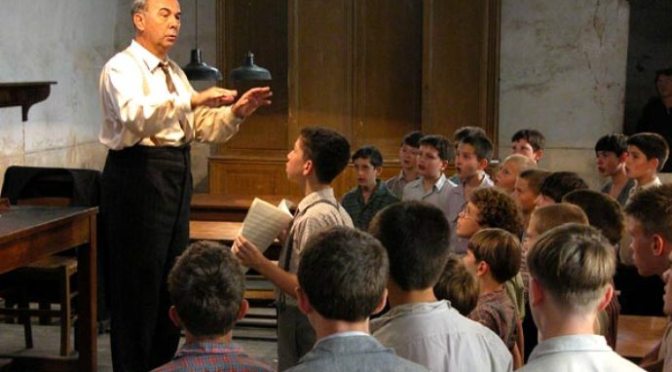
Xin nhìn đường thầy là bài hát trong phim Pháp Dàn đồng ca (Les Choristes – The Chorus) được công chiếu năm 2004.

Phim Dàn đồng ca kể về tuổi thơ của vị nhạc trưởng nổi tiếng. Thuở nhỏ ông nhạc trưởng phải học trường nội trú Đáy Ao, nơi dành cho những học sinh cá biệt. Hiệu trưởng trường Đáy Ao là người thầy tệ với cách giáo dục phản sư phạm. Ngôi trường u ám đến nỗi một học sinh đã nhảy lầu tự tử. Số phận ông nhạc trưởng thay đổi khi thầy giám thị khám phá ra giọng hát tuyệt vời của ông. Thầy giám thị là người đầu tiên mang giấc mơ và hy vọng cho những học sinh tối tăm và tuyệt vọng ở đây, bằng âm nhạc. Và dường như âm nhạc cũng làm thầy hiệu trưởng và cả trường Đáy Ao thay đổi theo hướng tươi sáng hơn. Continue reading Xin nhìn đường thầy

First learn propriety, second learn knowledge

Dear Brothers and Sisters,

We all have known by heart this saying: Tiên học lễ, hậu học văn – First learn propriety, second learn knowledge. This order means propriety is more important than knowledge.

Propriety is the way we treat and deal with each other; knowledge is the academic subjects we normally learn in school. Continue reading First learn propriety, second learn knowledge

Ứng xử với người xăm mình

Chào các bạn,

Nếu ba mẹ không muốn con cái xăm mình thì hãy nói: “Vì ba mẹ là chủ của căn nhà này, ba mẹ có toàn quyền quyết định mọi thứ trong căn nhà này. Thế nên, khi ba mẹ không muốn con xăm mình thì con không được xăm mình. Nếu con muốn xăm mình, hãy dọn ra khỏi nhà.” Continue reading Ứng xử với người xăm mình

The rock

Dear brothers and sisters,

3 Years ago, one time I saw a nice rock at an ntersection by my house in District 1, so I wanted to bring it home.

The rock was quite heavy. It was 15cm high, 20cm long and 12cm wide. So I asked my friend to help carry it. My friend carried it for a few meters then stopped because it was heavy.

A young man drinking coffee nearby ran over to help me get it. He carried it 5 meters then stopped.

A Grab driver saw this. He loaded the rock on his motorbike, took it to my house, and then carried it up the stairs of the apartment building. I handed the Grab driver some money to say “thank you”, but he refused.

So touching.

Share with you.

Have a nice day.

Phạm Thu Hương

South Korea’s opposition parties’ win: What it means

The center-left Democratic Party added to its legislative majority after the recent parliamentary election, which would deal a blow to President Yoon Suk Yeol’s domestic reform agenda and possibly his efforts to improve ties with Japan.

Expert Brief by Sue Mi Terry CFR

Last updated April 11, 2024 9:40 am (EST)

Lee Jae-myung (middle), leader of the main opposition Democratic Party, stands with supporters at a campaign rally in Seoul, South Korea on April 9, 2024.
Lee Jae-myung (middle), leader of the main opposition Democratic Party, stands with supporters at a campaign rally in Seoul, South Korea on April 9, 2024. Kim Soo-hyeon/Reuters

What are the major takeaways from the National Assembly elections in South Korea?

South Koreans went to the polls on April 10 to elect every member of the unicameral National Assembly. To the chagrin of President Yoon Suk Yeol, his conservative People Power Party (PPP) did not secure a majority. PPP lost six seats from 114 to 108 and DPP and allies gained thirty seats from 157 to 187.

Continue reading South Korea’s opposition parties’ win: What it means

Heal the world – Chữa lành thế giới

Dear brothers and sisters,

Our world today is having many conflicts.  There are at least 10 major conflicts.

1. Gaza
2. Wider Middle East War
3. Sudan
4. Ukraine
5. Myanmar
6. Ethiopia
7. The Sahel
8. Haiti
9. Armenia-Azerbaijan
10. U.S.-China Continue reading Heal the world – Chữa lành thế giới

Keeping the peace

Dear Brothers and Sisters,

We all want to keep the peace for ourselves and for the world. But how to keep the peace?

Talking about peace means talking about two or more persons. How can you keep the peace if others harass you, abuse you, harm you, do wrong to you? We have the so-call self defense to fight back – and it means war. Peace usually requires all people involved to agree to keep the peace; if one doesn’t agree, chances are there would be no peace.

Because the difficulties in keeping the peace our Great Master teach us to be tolerance (nhẫn nhục).

Tolerance means forcing yourself to endure and tolerate hardship from others without complaining or fighting back.

Tolerance is one of six virtues of Bodhisattvas in Buddhism: Giving, Keeping the rules, Tolerance, Diligence, Meditation, Wisdom – Bố thí, Trì giới, Nhẫn nhục, Tinh tấn, Thiền định, Trí tuệ).

Jesus expresses tolerance in a very simple and easy-to-understand way: “If anyone slaps you on the right cheek, turn to him the other also.”

That famous sentence, called “turning the other cheek,” is in a longer paragraph:

You have heard that it was said, “An eye for an eye and a tooth for a tooth.” But I say to you, Do not resist the one who is evil. But if anyone slaps you on the right cheek, turn to him the other also. (Matthew 5:38-39)

Why tolerate?

Because it is the only way to keep the peace for your self and for the world.

With compassion,

Hoành

© copyright 2024
Trần Đình Hoành
Permitted for non-commercial use
www.dotchuoinon.com

Sợ người

Chào các bạn,

“Dò sông dò biển dễ dò, mấy ai lấy thước mà đo lòng người.” Thế nên, nhiều người rất sợ người – sợ người dữ dằn, sợ người độc địa, sợ người lừa dối sau lưng, và có lẽ nỗi sợ hơn cả là sợ người thay lòng đổi dạ. Biết bao sách vở và khóa học dạy cách nhìn người và chọn người sao cho đúng. Ai nấy đều ước ao gặp được người tử tế và đối xử tử tế với mình. Nhưng thường thì, có vẻ ước mơ mãi là ước mơ.

Một thế giới như vậy thật là đau khổ.

Vậy, làm sao để tránh đau khổ đó? Làm sao để không sợ người? Continue reading Sợ người

A few seconds in the elevator

Dear brothers and sisters,

I live in a high-rise apartment complex. Today I got into the elevator on the 1st floor and saw 3 little girls and 1 young woman from the basement. All of them I have never met before.

The elevator is 2 meters long, but they stood very close to the door and the floor number board, so it was a bit cramped. After pressing my floor number, I noticed the youngest girl, about 3. She was wearing a short, flowing dress like a princess, so I said, “Wow, you look so beautiful in a princess dress.” The girl looked at me with her wide eyes and said nothing. Her hands grabbed the iron bar surrounding the elevator, then she swung up and down. I glanced at the woman on my right. She was bowing her head and did something with her phone. Continue reading A few seconds in the elevator

CFR – Daily News Brief April 12, 2024

Top of the Agenda

World Depends on ‘Indispensable’ U.S. Leadership, Japanese PM Tells U.S. CongressJapanese Prime Minister Kishida Fumio stressed the global importance (Nikkei) of U.S. leadership and Japan’s increased commitment to helping bear the burden of upholding a rules-based international order in an address to Congress yesterday. The United States is “indispensable,” Kishida said, adding that Japan is fully committed to upholding the same values and thus has transformed from a “reticent ally” to a “strong, committed” one in recent years. 

Kishida’s address to Congress was the first (Bloomberg) by a Japanese leader since 2015 and occurred during a visit where the two nations also held a first-of-its-kind trilateral summit with the Philippines. A joint statement issued after the summit called (Nikkei) the three countries “equal partners and trusted friends,” and pledged to advance a vision of a free and open Indo-Pacific region with more such meetings “for decades to come.” 
Continue reading CFR – Daily News Brief April 12, 2024

Việt Nam Quê hương Ngạo nghễ – Nguyễn Đức Quang


Chào các bạn,

Đây là bài hát vì lý do gì đó làm cho mình rất xúc động trong thời gian này – lời nhạc nói đến lịch sử vừa bi thảm vừa hùng cường của quê hương chúng ta. Nghe vừa buồn muốn khóc, vừa tuôn lên dũng khí vùn vụt như một anh hùng.

Tác giả, anh Nguyễn Đức Quang, là một trong những người sáng lập phong trào du ca Việt Nam ở miền Nam cuối thập niên 1960s đầu thập niên 70s.

Du ca là nhạc sinh viên, do thanh niên sinh viên sáng tác. “Du” là đi, có ý là nhạc trên đường đi khắp quê hương, không phải nhạc phòng trà hay sân khấu.

Đây là nhạc tích cực, ngược hẳn với nhạc phản chiến bi thảm của Trịnh Công Sơn, và cả hai loại nhạc này đều được sinh viên miền Nam thời đó ưa chuộng.

Nhạc sĩ Nguyễn Đức Quang (1944 – 27 tháng 3, 2011) là một nhà báo, đồng thời là một nhạc sĩ. Anh sinh năm 1944 ở Sơn Tây, Bắc Việt. Năm 1954 khi Việt Nam bị chia đôi thì anh theo gia đình di cư vào Nam, định cư ở Đà Lạt. Anh nhập học và tốt nghiệp Trường Đại Học Đà Lạt – Phân Khoa Chính Trị Kinh Doanh.

Continue reading Việt Nam Quê hương Ngạo nghễ – Nguyễn Đức Quang