TTCT – Cao nguyên Thanh – Tạng là nơi bắt nguồn của 10 hệ thống sông quan trọng bậc nhất trong khu vực Nam và Đông Nam châu Á, trong đó có sông Mekong. Và vấn đề bảo vệ nguồn nước từ vùng đất này hiện phụ thuộc vào quốc gia đang quản lý nó, Trung Quốc.
Những công trình nắn dòng chảy thô bạo của Trung Quốc sẽ ảnh hưởng rất nhiều đến nguồn nước ở các nước hạ lưu-washingtontimes.com
TTCT – Từ ngày 8 đến 10-1 vừa qua, hội thảo “Nghiên cứu Việt Nam dưới tầm nhìn học thuật liên ngành” – do Viện Nghiên cứu Việt Nam thuộc Bộ Giáo dục Trung Quốc và Học viện Nghiên cứu lịch sử văn hóa và du lịch, đều đặt tại ĐH Sư phạm Quảng Tây, đồng tổ chức – đã diễn ra tại Quế Lâm.
“Lấy điều du học hỏi thuê,
Túi đàn cặp sách đề huề dọn sang”
(Truyện Kiều, Nguyễn Du)
Hơn 60 học giả, chuyên gia từ các ĐH và viện nghiên cứu khắp Trung Quốc đã tham dự, thảo luận chủ yếu về chủ đề quan hệ Trung – Việt trong lịch sử và hiện tại. Hội thảo này nằm trong hạng mục học thuật quốc gia phục vụ đại dự án chiến lược “Nhất đới nhất lộ”, cũng là tiểu kết cho một kế hoạch mang tính bước ngoặt được khởi động từ đầu năm 2019.
Bìa tạp chí Việt Nam nghiên cứu số 1. Ảnh: amazon.com
TTCT – Bằng việc tháo mác “thao túng tiền tệ” với Việt Nam, Bộ Tài chính Mỹ đã tạo thời cơ để hai nước gỡ những nút thắt về vấn đề thương mại.
Trong báo cáo cập nhật tháng 4-2021 gửi Quốc hội Mỹ ngày 16-4, Bộ Tài chính nước này đã rút tên Việt Nam và Thụy Sĩ khỏi danh sách quốc gia “thao túng tiền tệ”, sau khi đánh giá không đủ căn cứ xác định Việt Nam và Thụy Sĩ có chính sách tác động lên tỉ giá hối đoái nhằm tạo lợi thế cạnh tranh thương mại quốc tế không công bằng.
Tân Bộ trưởng Tài chính Mỹ Janet Yellen là người có quan điểm cởi mở về thương mại hơn so với chính quyền cũ. Ảnh: ft.com
Key officials engaged in United States relations with Pacific Islands countries discussed expanding presence and engagement in the region from development, military, and congressional policy perspectives. They explained how these moves position the United States to deepen strategic partnership with Pacific Island nations in support of a free, open, and secure Indo-Pacific. Opening comments followed by moderated discussion covered the development trajectories of Pacific Island countries, COVID-19’s impacts on the region, and US-China dynamics.
Thời gian qua, tình trạng phân biệt chủng tộc đối với cộng đồng người gốc châu Á, trong đó có người gốc Việt và công dân Việt Nam tại Hoa Kỳ trong đại dịch Covid-19 ngày càng gia tăng. Đại sứ quán Việt Nam tại Hoa Kỳ đã nhiều lần trao đổi, vận động Chính quyền, Quốc hội liên bang và các tiểu bang của Hoa Kỳ bảo đảm an ninh, an toàn và quyền tiếp cận đầy đủ các dịch vụ về y tế, giáo dục, việc làm cho công dân và cộng đồng người gốc Việt tại Hoa Kỳ.
On March 25, 2021, the U.S. Treasury Department’s Office of Foreign Assets Control (“OFAC”) imposed additional sanctions in response to the ongoing crisis in Myanmar (also called Burma) by designating the country’s two largest military conglomerates: (1) Myanmar Economic Holdings Public Company Limited (“MEHL”) and (2) Myanmar Economic Corporation Limited (“MEC”).
Because Myanmar’s military controls significant segments of the country’s economy, including trading, natural resources, and consumer goods, through these two companies, these designations are the most consequential sanctions measures that the Biden Administration has taken to-date in response to the situation.
The fallout comes after corporate statements about concerns over forced labor in the Xinjiang region resurfaced on Chinese social media following fresh Western sanctions.
March 25, 2021, 9:11 PM +07 / Updated March 26, 2021, 6:04 PM +07By Adela Suliman
Andrew Rhodes wrote this essay while a student at the U.S. Naval War College. It won the Strategic Research Paper category of the 2019 Chairman of the Joint Chiefs of Staff Strategic Essay Competition.
In the early 20th century, the visionary Marine officer Earl “Pete” Ellis compiled remarkable studies of islands in the Western Pacific and considered the practical means for the seizure or defense of advanced bases. A century after Ellis’s work, China presents new strategic and operational challenges to the U.S. position in Asia, and it is time for Washington to develop a coherent strategy, one that will last another 100 years, for the islands of the Western Pacific. It has become common to consider the second island chain as a defining feature of Pacific geography, but when Ellis mastered its geography, he saw not a “chain,” but a “cloud.”
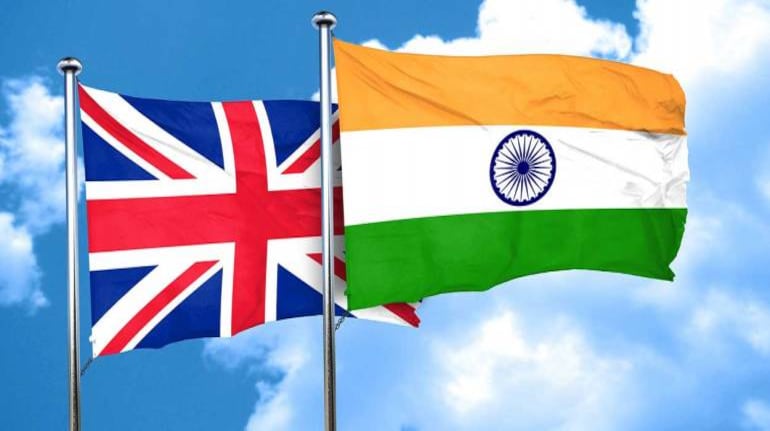
When the United Kingdom (UK) releases the highly anticipated integrated review of its foreign, defence, security and development policy in March, it will mark the first formal iteration of the UK’s Indo-Pacific strategy. This brief explores the dynamics that are driving the UK’s tilt to the Indo-Pacific. It identifies three key drivers that are prompting the shift: a reappraisal of China, the economic fallout of Brexit, and the UK’s close ties with the US. It explores the emerging trends in this churn—across security, trade, development, and diplomatic domains—and highlights the opportunities they afford the India-UK relationship.
By Chuck Searcy February 15, 2021 | 07:40 am GMT+7
Last month, completion of dioxin cleanup on a 5,300-square-meter tract of land at Bien Hoa airport marked a significant milestone.
Officials of both the Vietnamese and U.S. governments could derive satisfaction from knowing that the Agent Orange/dioxin legacy of war is now being addressed, after a troubling post-war history of misinformation and controversy, accusations and doubts.
Not just public officials, but veterans and ordinary citizens of both countries can take pride in looking back over the remarkable transformation that has taken place in the past two decades, from early years of mistrust and recrimination to a positive, working partnership between Vietnam and the U.S. today.
That relationship is now built on mutual trust and respect.
Ngày 12/7 vừa qua, Việt Nam và Hoa Kỳ kỷ niệm 25 năm bình thường hóa quan hệ ngoại giao. Cùng với sự phát triển mạnh mẽ của quan hệ song phương, sự phối hợp giữa hai nước trong việc khắc phục hậu quả CĐHH do Mỹ sử dụng trong chiến tranh ở Việt Nam cũng đã có những bước tiến đáng kể. Đó là kết quả của một quá trình vừa hợp tác vừa đấu tranh giải quyết những vấn đề còn tồn đọng để xây dựng một quan hệ tốt đẹp hơn. Chúng tôi xin điểm lại một số mốc chính của quá trình đó:
Đó là tên cuốn phóng sự ảnh mà giáo sư Nishimura Yoichi người Nhật Bản gửi tặng cho tôi. Cuốn sách dày gần 500 trang được in ba ngôn ngữ Anh, Nhật, Việt với hàng ngàn bức ảnh chân thực ghi lại hậu quả thảm khốc của cuộc chiến tranh hóa học do Mỹ gây ra trong cuộc chiến tranh ở Việt Nam.
Vị giáo sư 75 tuổi này đã từ lâu gắn bó với Việt Nam. Vợ chồng ông đã đến Làng hòa bình Từ Dũ tại Thành phố Hồ Chí Minh và ở đây nhiều năm. Ông đã dùng tiền lương hưu của mình để tặng quà cho những trẻ em khuyết tật bị nhiễm chất độc da cam/dioxin. Ông đã đi khắp dải đất hình chữ S suốt 63 tỉnh, thành để gặp gỡ, thăm hỏi, chia sẻ và ghi lại hàng ngàn bức ảnh chân thật, đời thường, sinh động của những nạn nhân CĐDC khuyết tật.
In an era of geopolitical competition, the West — the U.S.-led countries of the transatlantic alliance and their East Asian allies — lacks a strategy for dealing with its most formidable competitor: the People’s Republic of China (henceforth China). But the Chinese Communist Party (CCP) has a strategy for dealing with the West. It involves a long-term goal of “national rejuvenation”1 — making China the world’s most powerful country by 2050 — implemented with decisive leadership; a clear-eyed appreciation of Western diplomatic, economic, political, and social weaknesses; and effective means of exploiting them. These tactics, best characterized as “sharp power,”2 include censorship and manipulation of the information system, cyber operations, divide-and-rule diplomacy, leverage of trade and investment, and propaganda, plus military bluff and intimidation.
China’s military is going global. In the coming decade, the People’s Liberation Army (PLA) could be well-positioned to influence events and conduct a wide range of missions, including limited warfighting, beyond the Western Pacific. The United States and its close allies, who have enjoyed largely unobstructed access to the world’s oceans for the last three decades, will need to adjust to new military realities as the PLA makes its presence felt in faraway theaters.
This strategy was produced in collaboration with experts from ten leading democracies.
Foreword
Following World War II, the United States and its allies and partners established a rules-based international system. While never perfect, it contributed to decades without great-power war, extraordinary economic growth, and a reduction of world poverty. But this system today faces trials ranging from a global pandemic and climate change to economic disruptions and a revival of great-power competition.