
World Economic and Financial Surveys
Regional Economic Outlook:
Asia and Pacific
Managing Spillovers and Advancing Economic Rebalancing
April 2012
©2012 International Monetary Fund
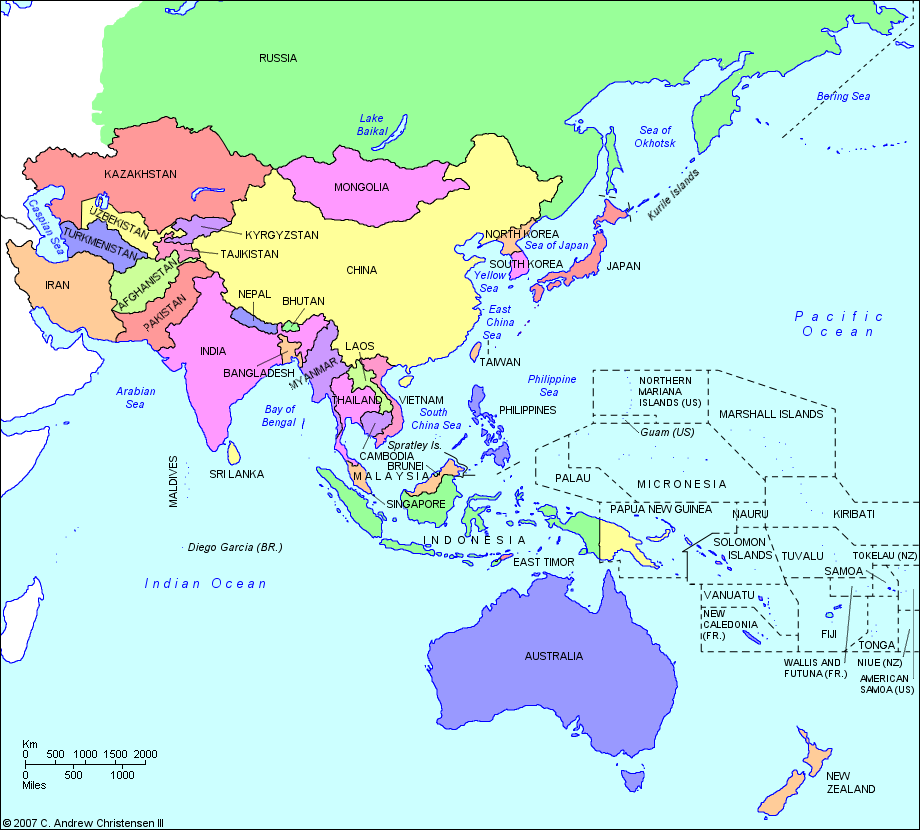
Barring the realization of downside risks to the global economy, growth in the Asia and the Pacific region is expected to gain momentum over the course of 2012, according to this report, and now projected at 6 percent in 2012, rising to about 6½ percent in 2013. Stronger economic and policy fundamentals have helped buffer the region’s economies against the global financial crisis, by limiting adverse financial market spillovers and ameliorating the impact of deleveraging by European banks, but a sharp fall in exports to advanced economies and a reversal of foreign capital flows would have a severe impact on the region. The region’s policymakers now face the difficult task of calibrating the amount of insurance needed to support stable, noninflationary growth. Some Asian and Pacific economies can afford to lengthen the pause in the normalization of their macroeconomic policies that was initiated when the global recovery stalled late in 2011; others may need a faster return to more neutral policy stances. Similarly, the pace of fiscal consolidation should be calibrated to country-specific circumstances. Additional chapters in the report discuss whether China is rebalancing and the particular challenges facing Asian low-income and small island economies.
Continue reading International Monetary Fund: Regional Economic Outlook – Asia and Pacific












 Đọt Chuối Non