June 4, the anniversary of the 1989 Tiananmen Square massacre—in which People’s Liberation Army (PLA) forces killed hundreds and perhaps thousands of protesters as well as crushing demonstrations across the country—is a fraught moment in China. In Hong Kong, the public once freely memorialized the massacre. This year, authorities again used the national security law passed in 2020 to block gatherings; six people were arrested.
In mainland China, the anniversary claimed an unexpected victim: e-commerce influencer Li Jiaqi, widely known as the “Lipstick Brother” or “Lipstick King.” During a livestream on June 3, Li was presented with a cake that resembled a tank. Censors promptly pulled the show offline, and it hasn’t returned, with Li’s team citing “technical difficulties.” Early June is a prime time for online shopping ahead of June 18, China’s second-biggest day for online sales. But Li’s name now returns blank results on search platforms, even on e-commerce sites.
If there was one common challenge to unite the Asia Pacific region, it would be corruption. From campaign pledges to media coverage to civil society forums, corruption dominates discussion. Yet despite all this talk, there’s little sign of action. Between Australia’s slipping scores and North Korea’s predictably disastrous performance, the 2015 index shows no significant improvement. Has Asia Pacific stalled in its efforts to fight corruption?
This year’s poor results demand that leaders revisit the genuineness of their efforts and propel the region beyond stagnation.
The public desire for change is huge. In India, Sri Lanka and elsewhere, we’ve seen a host of governments coming to power on anti-corruption platforms. As corruption continues to dominate media coverage across and beyond the region, increasing interest in the issue has sparked a raft of new research into both public and private sector corruption.
The bad
So why this picture of zero progress? Despite boastful efforts on petty corruption, Malaysia’s 1MBD scandal brought the crux of the challenge into sharp focus: is political leadership genuinely committed to fighting corruption throughout society? The Malaysian prime minister’s inability to answer questions on the US$700 million that made its way into his personal bank account is only the tip of the iceberg.
In India and Sri Lanka leaders are falling short of their bold promises, while governments in Bangladesh and Cambodia are exacerbating corruption by clamping down on civil society. In Afghanistan and Pakistan a failure to tackle corruption is feeding ongoing vicious conflicts, while China’s prosecutorial approach isn’t bringing sustainable remedy to the menace. This inability to tackle root causes holds true across the region – witness, for example, Australia’s dwindling score in recent years.
Malaysia’s 1MBD scandal brought the challenge into sharp focus: is political leadership genuinely committed to fighting corruption throughout society?
Reversing corruption is clearly not solely down to governments, but they’re the ones with the largest role and the power to create enabling environments for others. This year’s poor results demand that leaders revisit the genuineness of their efforts and propel the region beyond stagnation. They must fulfil promises, and ensure efforts aren’t undermined in practice. Anti-corruption commissions are a prime example here: while their creation across the region is commendable, ongoing political interference and inadequate resources has meant many are unable to fulfil their mandate. This has to be addressed.
Across Asia, the use of personal connections to get ahead is a common practice.
In addition to paying bribes for the services they need, people use their family or social contacts to skip the line or gain quicker and better access to schools and hospitals, and “speed up” government paperwork such as driver’s licenses or birth certificates..
How much you can increase the speed and quality of your service often depends on how much you can pay or who you know.
In the Global Corruption Barometer — Asia, we asked people about how and why they paid bribes or used personal connections when accessing public services across Asia.
Hannah J. Dawson, Senior Researcher, Southern Centre for Inequality Studies, University of the Witwatersrand
Disclosure statement
The authors do not work for, consult, own shares in or receive funding from any company or organisation that would benefit from this article, and have disclosed no relevant affiliations beyond their academic appointment.
Republish our articles for free, online or in print, under Creative Commons licence.
Technological innovation can indeed be beneficial for the working class. Photo by JNS/Gamma-Rapho via Getty Images
Narrative frames are fundamental to unifying ideologies. They frame what is possible and impossible, which ideas can be accepted and which must be rejected. In her book, Digital Democracy, Analogue Politics, storyteller and political analyst Nanjala Nyabola examines the framing of the Fourth Industrial Revolution narrative in this light.
Rising prices are hurting wallets across the world. The crisis is particularly bad in Sri Lanka and Turkey, and in Japan, people are facing inflation for the first time in decades.
Nikkei staff writersMay 20, 2022 07:38 JST
NEW YORK — Welcome to Nikkei Asia’s podcast: Asia Stream.
Every episode, Asia Stream tracks and analyzes the Indo-Pacific with a mix of expert interviews and original reporting by our correspondents from across the globe.
Ngây ngất trong men say của trái phiếu doanh nghiệp (TPDN), nhà đầu tư, doanh nghiệp phát hành, doanh nghiệp phân phối lẫn đơn vị tư vấn đều thực hiện những cú bắt tay dưới gầm bàn.
Tàn dư của cú sốc trái phiếu doanh nghiệp Tân Hoàng Minh thật nặng nề. Thị trường trái phiếu khựng lại. Thị trường chứng khoán đỏ lửa. Doanh nghiệp hoang mang. Nhà đầu tư tháo chạy. Chính phủ quan tâm, lo lắng. Quốc hội đặt nhiều câu hỏi chất vấn. Trước sức ép từ nhiều phía, Bộ Tài chính đang tìm cách siết chặt thị trường này, cả cung lẫn cầu. Từ đây, một quả bom khác lớn hơn đang dần được kích hoạt: hiểm họa vỡ nợ chéo. Làm thế nào để kiểm soát rủi ro trái phiếu doanh nghiệp mà vẫn khuyến khích thị trường nợ phát triển đòi hỏi một cuộc cách mạng về cơ chế cho thị trường vốn.
Sugar contraband illicitly brought into Vietnam from Thailand is increasing, adding an additional burden to the country’s struggling sugarcane enterprises:
Cross-border smuggling of sugar into Vietnam is muddying the sector and could support other illicit trafficking and trade. Artwork: Emilie Languedoc for Southeast Asia Globe
On any given day, smugglers pile bags of sugar near the banks of the Mekong River in Cambodia.
After piling it into boats, they then ferry the sweetener into Vietnam’s southwestern provinces, awaited by motorbike drivers who evade custom officials to drop off the commodity at storehouses.
In other cases, smuggling outfits mix the illicit sweetener with sugar produced in Vietnam, or change labels to prevent detection of the bootlegged good. Smugglers have also been known to send Vietnamese packaging to Cambodia to disguise sugar before the contraband is taken across the border.
A Nikkei reporter reflects on a milestone in the country’s path out of pandemic
Roadblocks in Ho Chi Minh City were common in October, but now Vietnam has eliminated almost all COVID restrictions for foreign and domestic travel. (Photo by Lien Hoang)
HO CHI MINH CITY — Last week after a trip to California, I returned to Vietnam with a COVID vaccine certificate, negative PCR test and smartphone tracing app in hand. The green-uniformed immigration officer at the airport asked for none of it. Inside his plexiglass cage, the 20-something officer gestured for me to pull down my mask for a second. I spent less than a minute and zero words at passport control and then was back outside on the balmy, car horn-filled streets of Ho Chi Minh City.
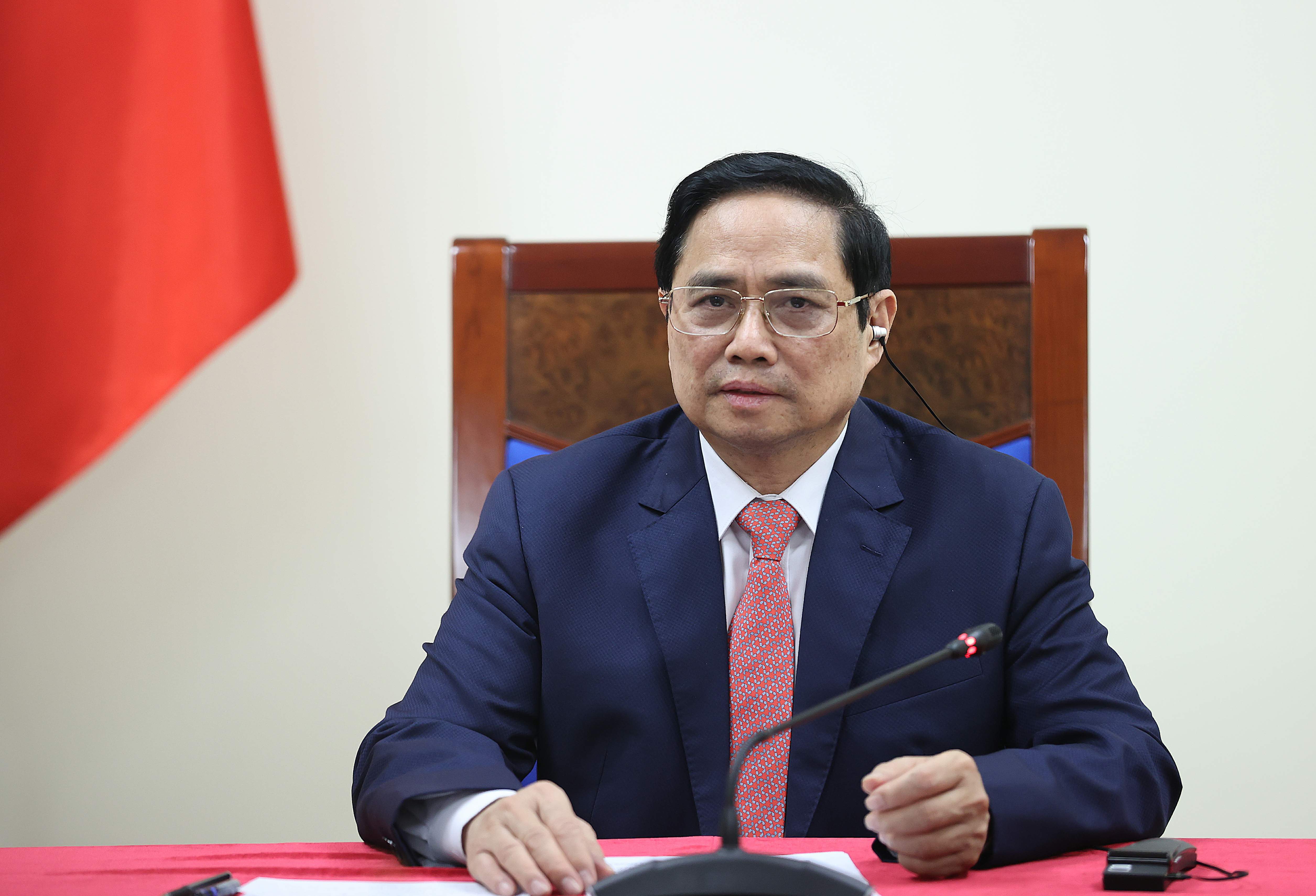
TTO – Chiều 23-5, Thủ tướng Chính phủ Phạm Minh Chính đã tham dự và phát biểu tại lễ công bố khởi động thảo luận về Khuôn khổ kinh tế Ấn Độ Dương – Thái Bình Dương vì thịnh vượng (IPEF).
Theo thông tin từ Bộ Ngoại giao, lễ công bố khởi động thảo luận được tổ chức tại Nhật Bản theo hình thức trực tiếp kết hợp trực tuyến, có sự tham gia của Thủ tướng Nhật Bản Kishida Fumio, Thủ tướng Ấn Độ Narendra Modi, Tổng thống Mỹ Joe Biden,
“Zelenskyy quoted Chaplin’s final speech in “The Great Dictator,” which was released in 1940, in the early days of World War II: “The hate of men will pass, and dictators die, and the power they took from the people will return to the people.”
The 75th Cannes Film Festival kicked off Tuesday with a live satellite video address from Ukrainian President Volodymyr Zelenskyy.
May. 17, 2022, 04:09 PM EDT
President of Ukraine Volodymyr Zelenskyy appears via remote during the opening ceremony of the 75th international film festival, Cannes, southern France, Tuesday, May 17, 2022. (Photo by Vianney Le Caer/Invision/AP)
TTO – Xung quanh việc kỷ luật loạt quan chức Ủy ban Chứng khoán nhà nước, ý kiến của các chuyên gia, đại biểu Quốc hội đều bày tỏ đồng tình, và cho rằng đây chính là cuộc ‘đại phẫu’ rất cần thiết để thị trường chứng khoán phát triển lành mạnh.
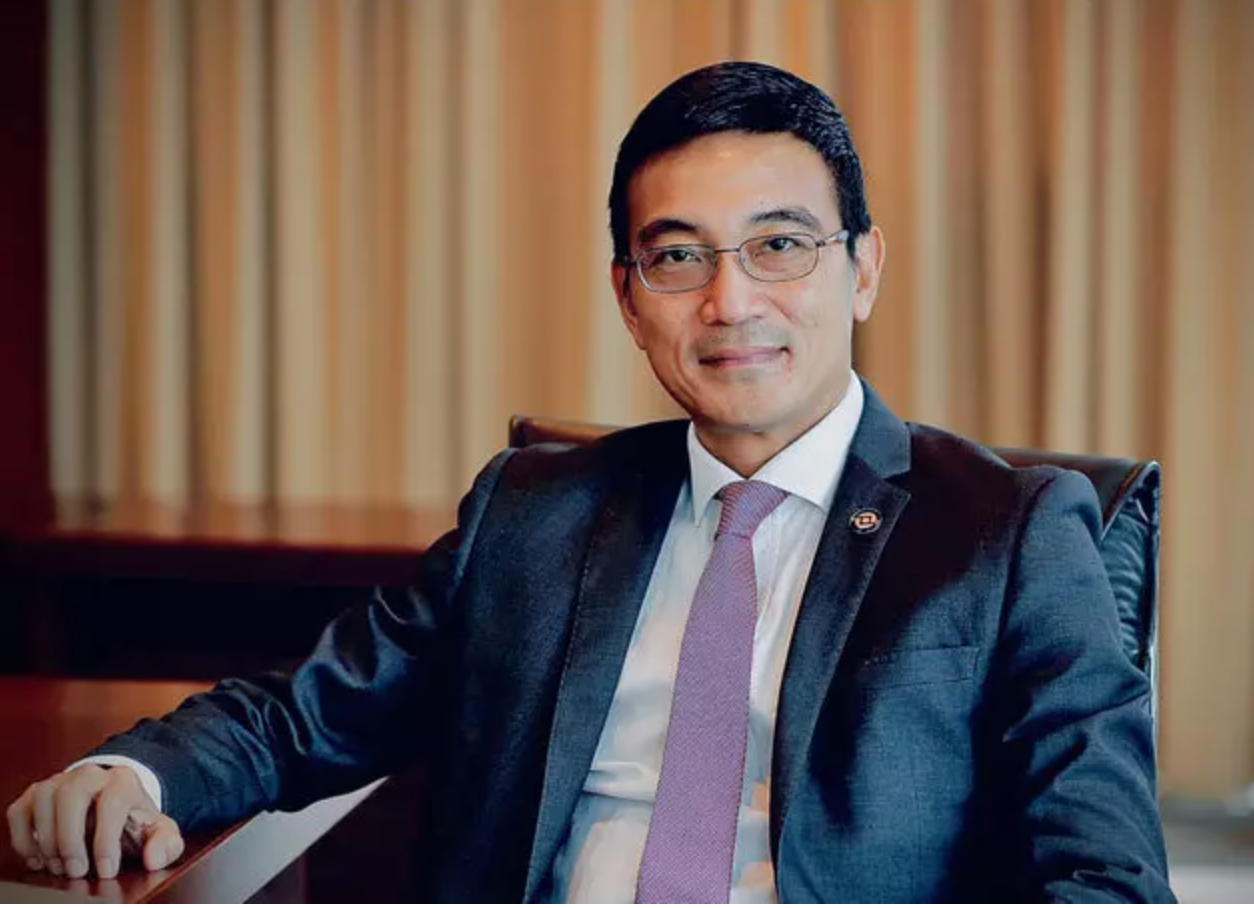
Ông Lê Hải Trà, tổng giám đốc Sở Giao dịch chứng khoán TP.HCM, đã bị khai trừ Đảng – Ảnh: HOSE
Ủy ban Kiểm tra Trung ương đã quyết định khai trừ khỏi Đảng ông Lê Hải Trà, tổng giám đốc Sở Giao dịch chứng khoán TP.HCM (HOSE), và cách tất cả các chức vụ trong Đảng đối với ông Trần Văn Dũng, chủ tịch Ủy ban Chứng khoán nhà nước.
Ngoài ra, Ủy ban Kiểm tra Trung ương còn kỷ luật cảnh cáo các ông: Vũ Bằng, nguyên chủ tịch Ủy ban Chứng khoán nhà nước; Nguyễn Thành Long, bí thư Đảng ủy Sở Giao dịch chứng khoán Hà Nội, chủ tịch hội đồng thành viên Sở Giao dịch chứng khoán Việt Nam; Nguyễn Sơn, bí thư Đảng ủy, chủ tịch hội đồng quản trị Trung tâm Lưu ký chứng khoán Việt Nam.
Trên thị trường cổ phiếu, thị trường chứng khoán phái sinh đã xuất hiện các hiện tượng thao túng giá, làm giá ngày càng tinh vi.
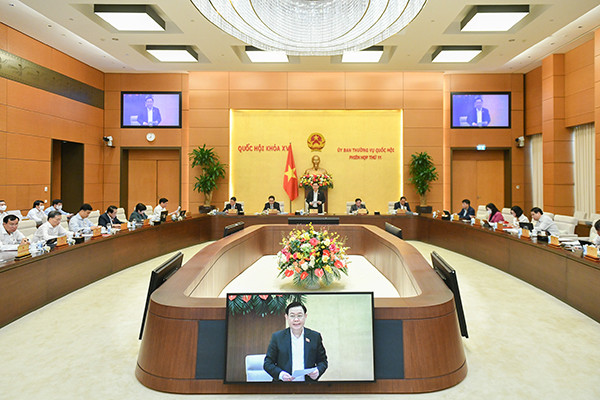
Sáng nay (11/5), Ủy ban Thường vụ Quốc hội họp phiên thứ 11 cho ý kiến về báo cáo đánh giá bổ sung kết quả thực hiện nhiệm vụ phát triển kinh tế – xã hội và ngân sách nhà nước năm 2021; tình hình triển khai thực hiện kế hoạch năm 2022.
Thao túng giá cổ phiếu tác động tiêu cực đến thị trường
Theo báo cáo của Chính phủ, tình hình kinh tế xã hội tháng 4 và 4 tháng đầu năm tiếp tục đạt nhiều kết quả tích cực.
Toàn cảnh phiên họp. Ảnh: Quốc hội
GDP quý I ước tăng 5,03% so với cùng kỳ năm 2021. Lạm phát được kiểm soát, các cân đối lớn được bảo đảm. CPI tháng 4 tăng 2,64% so với cùng kỳ năm trước, thấp nhất cùng kỳ các năm 2017-2022. Tính chung 4 tháng, CPI tăng 2,1%, tương đối thấp so với cùng kỳ các năm 2018-2020.
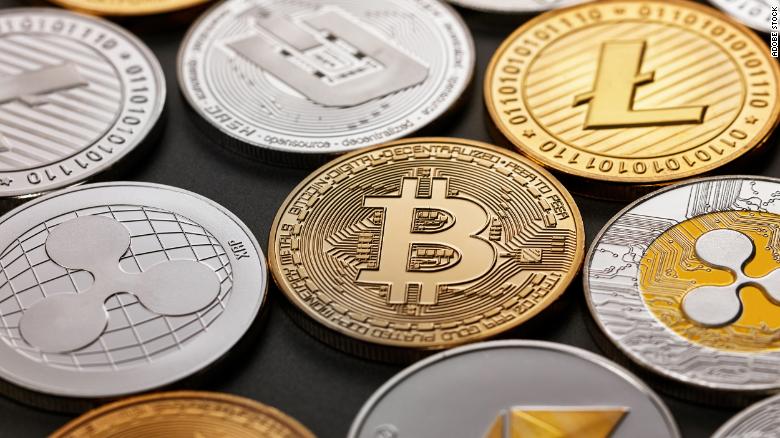
[TĐH: I still can’t understand why the governments of the world still haven’t banned criptocurencies completely. They are a huge threat to the world’s financial stability.]
London (CNN Business)Investors in stocks, bonds and commodities are all on edge right now. But in the market for cryptocurrencies, unease has morphed into full-on panic, catching the attention of regulators in Washington tasked with maintaining financial stability.
What’s happening: As of last Friday, the price of bitcoin had plunged almost 50% from its all-time high as traders — concerned about whether the Federal Reserve’s bid to fight inflation could tip the economy into a recession — dumped riskier investments. >
Good morning. We look at the mental health crisis facing adolescents — and the role of digital technology.
The local Boys and Girls Club in Glasgow, Ky.Annie Flanagan for The New York Times
On the phone, alone
Many measures of adolescent mental health began to deteriorate sometime around 2009. It is true of the number of U.S. high-school students who say they feel persistently sad or hopeless. It’s also true of reported loneliness. And it is true of emergency room visits for self-harm among Americans ages 10 to 19.
This timing is suspicious because internet use among adolescents was also starting to soar during the same period. Apple began selling the iPhone in 2007. Facebook opened itself for general use in late 2006, and one-third of Americans were using it by 2009.
Đúng lúc cuộc chiến chống tham nhũng đang cần một thủ lĩnh phất cờ, Tổng bí thư, Chủ tịch nước Nguyễn Phú Trọng đã xuất hiện, hội tụ đủ trí tuệ anh minh, dũng khí can đảm.
Trong mỗi thời kỳ lịch sử, dân tộc ta đều có những người con ưu tú xuất chúng, được nhân dân tin tưởng, kính trọng, yêu quý. Đó là những bậc hoàng đế, minh quân, lãnh tụ không chỉ có tài cao, tầm nhìn vượt thời đại, có những đóng góp quyết định vào tiến trình thúc đẩy lịch sử phát triển của quốc gia dân tộc, mà còn quy tụ được muôn dân, cố kết được lòng người, trở thành hoa tiêu dẫn đường cho sơn hà xã tắc vượt qua mọi sóng gió, thác ghềnh để tồn tại, vững bước đi lên.
Tổng bí thư, Chủ tịch nước Nguyễn Phú Trọng – người đánh trống lệnh cho cuộc chiến vào “sào huyệt” tham nhũng. Ảnh: Phạm Hải



 We believe in the free flow of information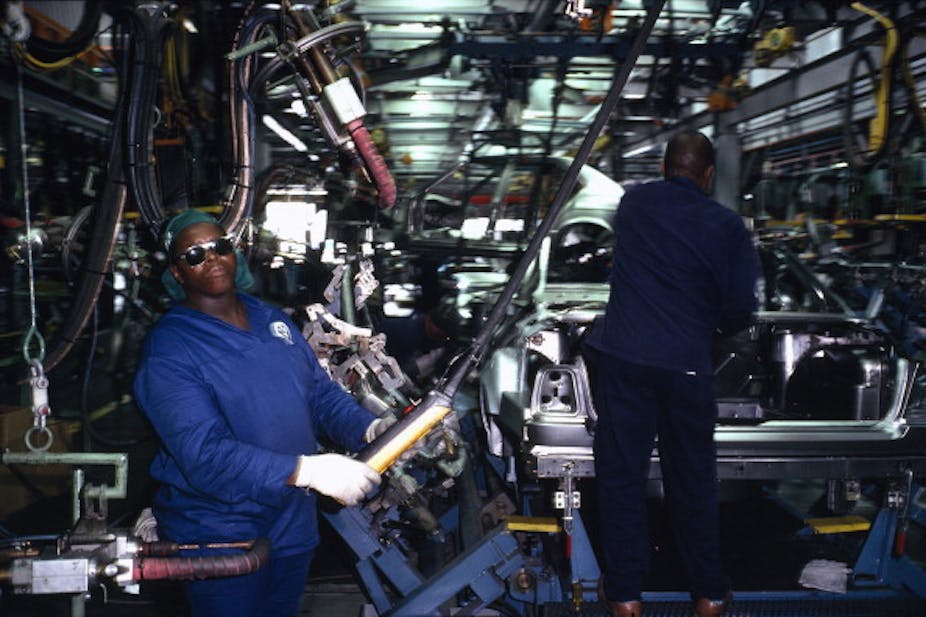




 The local Boys and Girls Club in Glasgow, Ky.Annie Flanagan for The New York Times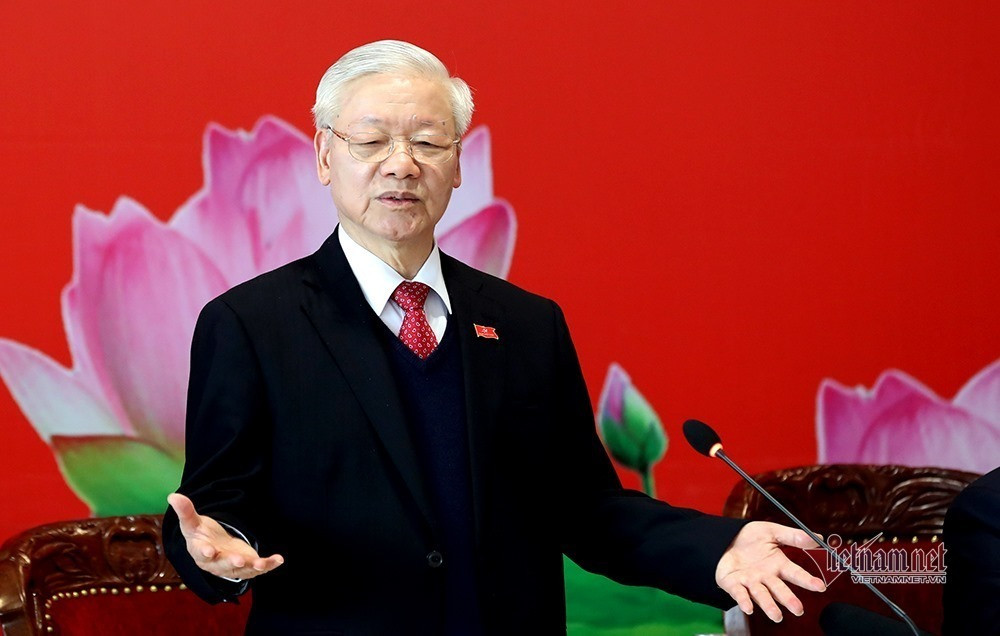
 Đọt Chuối Non