
| Top of the Agenda Putin Replaces Russia’s Top General in Ukraine After Battlefield Setbacks Russia’s highest-ranking military officer, General Valery Gerasimov, was promoted to lead the country’s forces (FT) in Ukraine, replacing General Sergey Surovikin. Since Surovikin was appointed three months ago (CBS), Russia has lost control of the southern town of Kherson and struggled to provide basic equipment to the hundreds of thousands of troops it started conscripting in September. Surovikin has also faced criticism for housing hundreds of troops in a building that was bombed by Ukraine. He will now serve as one of Gerasimov’s deputies. Meanwhile, tensions have reportedly flared between Russia’s military and its Wagner Group of mercenaries over which forces deserve credit for alleged territorial gains in the town of Soledar. An unnamed source told the Financial Times that Surovikin’s demotion could be linked to the Wagner Group’s apparent successes. |
Tag Archives: Thông Tin
Inside China’s crackdown on tattoo culture

CNN
“My behavior encroached on the physical and mental health of minors,” read a court-ordered apology issued by a tattoo artist in China’s Shaanxi province in September. “I am deeply aware of my mistakes,” he added.
The man, who had admitted giving tattoos to 43 minors, became one of the first people charged under a new age restriction law, which came into effect in June. But while many countries enforce similar rules banning young people from getting inked, Chinese state media coverage suggested that protecting minors was as much about ideology as medical welfare.
At the time, tabloid newspaper Global Times argued that tattoos are “driving minors away from establishing socialist core values,” as they can convey “harmful ideas” such as “feudal superstition,” “gang culture” and “overseas culture.”
An op-ed in Beijing Youth Daily meanwhile said that tattoo subculture “clashes” with the mainstream. The legislation, which bans people from even encouraging those aged under 18 to get tattoos, is just the latest move in an expanding crackdown on body art in China.
Continue reading Inside China’s crackdown on tattoo culture
Hmong-American Sheng Thao, mayor-elect of Oakland, California
Oakland’s Next Mayor Highlights Political Rise of Hmong Americans
new york times – Sheng Thao, the daughter of refugees, will become the most prominent Hmong American politician when she leads the California city of 440,000 residents.

Sheng Thao at Joaquin Miller Park in Oakland last month. Carolyn Fong for The New York Times

By Amy Qin – Dec. 28, 2022
Over platters of fried rice, egg rolls and crab rangoon, Sheng Thao took the microphone and asked for support in June from several dozen people gathered at a Hmong restaurant in Wisconsin.
Ms. Thao, 37, was running to become the mayor of Oakland, Calif., but she took a detour to the Upper Midwest because it has some of the nation’s largest communities of Hmong Americans.
When Ms. Thao spoke, Zongcheng Moua, 60, found himself nodding along, never mind that he lived 2,000 miles away from California. Like Ms. Thao’s parents, Mr. Moua landed in a refugee camp in Thailand after fleeing the war in Laos nearly 50 years ago. His siblings, like Ms. Thao’s parents, struggled to adapt to life in the United States after arriving with no money, formal education or language skills.
Continue reading Hmong-American Sheng Thao, mayor-elect of Oakland, California2022 Vietnam poverty and equity assessment – From the last mile to the next mile
world bank – APRIL 28, 202
The poverty and equity agenda is no longer only about raising minimum living standards and tackling chronic poverty; it is also about creating new and sustainable economic pathways for a more aspirational population.
Report download
FULL REPORT (ENG) | OVERVIEW (ENG) | OVERVIEW (VN)
—-
Launch event materials
EVENT POSTER [JPG] | PRESENTATION (ENG) | PRESENTATION (VN)
Main messages
There was significant progress in poverty reduction from 2010-2020, but Last Mile challenges in tackling poverty remain.
Continue reading 2022 Vietnam poverty and equity assessment – From the last mile to the next mile
Vietnam rings in 2023
By Staff reporters DEC. 31, 2022
As the clock struck midnight, crowds across the country burst out in cheers, applauses and exchanged hugs as the fireworks exploded to welcome the new year.
Bangkok, Hanoi, Jakarta (GMT+7)
- 00h10Fireworks explode in Saigon
 Fireworks explode over the Saigon River. Photo by Quynh Tran
 People capture photos of exploding fireworks in HCMC. Photo by Thanh Tung
 A girl sits on her parent’s neck to watch the fireworks. Photo by Thanh Tung
Continue reading Vietnam rings in 2023
A girl sits on her parent’s neck to watch the fireworks. Photo by Thanh Tung
Continue reading Vietnam rings in 2023
2022 in pictures: Vietnam’s post-pandemic year
By VNExpress staff reporters December 29, 2022 | 06:15 am GMT+7
The first year after the pandemic, Vietnamese people have moved forward, overcome and stayed resilient. But challenges still loom.

Deputy PMs Minh and Đam resign from the Party Central Committee
VNN – December, 30/2022 – 18:13
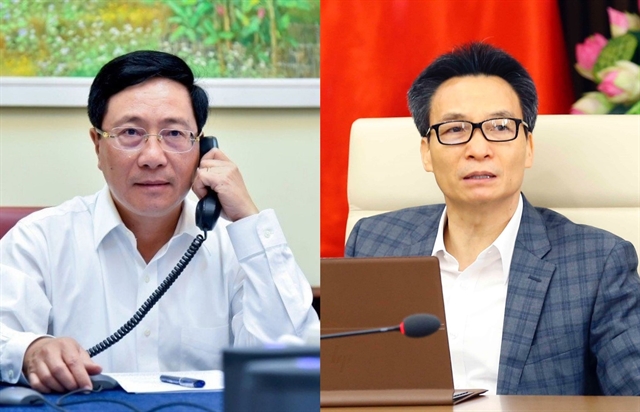 |
| Deputy Prime Ministers Phạm Bình Minh and Vũ Đức Đam (right) are no longer members of the 13th Party Central Committee. VNA/VNS Photos |
HÀ NỘI — Deputy Prime Ministers Phạm Bình Minh and Vũ Đức Đam are no longer members of the 13th Party Central Committee, according to a decision made on Friday.
Phạm Bình Minh’s membership at the Politburo was also removed, according to the decision made at the Central Committee of the Communist Party of Việt Nam’s extraordinary meeting held Friday afternoon.
During the meeting, the Committee also gave opinions on two individuals that the Politburo would recommend to the 15th National Assembly to be approved as deputy prime ministers for the 2021-26 term.
Continue reading Deputy PMs Minh and Đam resign from the Party Central Committee
Transparency International – The week in corruption
16/12/2022: Eye on the ball
For years, controversy has surrounded FIFA’s choice of the 2022 World Cup host. Thanks to new Qatargate revelations, scathing headlines will haunt this year’s World Cup well after the final showdown between Argentina and France this weekend.
Last Friday, allegations emerged that the Qatari government has bribed current and former members of the European Parliament and their staff to tone down criticism in the lead-up to the prestigious tournament and win other favours.
European Parliament’s Bureau met without Eva Kaili, who has been implicated in the Qatargate scandal, on 12 December. Photo: Daina Le Lardic/European Parliament
Belgian authorities have already conducted 20 raids, seized 1.5 million euros in cash and arrested four people – including Eva Kaili, now-former Vice President of the European Parliament. If corruption allegations are true, they would explain why last month Kaili praised Qatar’s progress on labour rights despite well-documented abuses.
Continue reading Transparency International – The week in corruption
Intellectual property in Vietnam: One Little Pig and a Big Bad Lawsuit
December 15, 2022Posted byVietnam BriefingWritten byMark BarnesReading Time:4 minutes

Intellectual property (IP) law reform and enforcement in Vietnam has been at the center of a broad range of trade agreements the country has signed onto. But change has been slow, and enforcement has been lacking. Here’s how a spat between a cartoon wolf and a cartoon pig could change that.
The owners of the UK’s Peppa Pig, EOne, are suing Vietnam’s Sconnect, the owners of popular YouTube cartoon Wolfoo, alleging trademark and copyright infringement. More specifically, EOne is alleging Sconnect created Wolfoo to look and feel like Peppa Pig to imply the two cartoons were connected.
In its complaint, EOne claims that parts of Wolfoo’s audio have been taken directly from episodes of Peppa Pig and that images of Peppa Pig herself appear on items like clocks and watering cans in the background of Wolfoo videos.
This is currently before the courts in the UK.
But the courts have not been EOne’s only means of recourse.
YouTube, for example, took down 2,000 Wolfoo videos from August to October this year for copyright infringement at the request of EOne. This cost Sconnect US$2 million in lost revenue up to October, according to their own estimates.
In response, Sconnect has made overtures to the Vietnamese government looking for support. It has also countersued in Vietnam and has launched a lawsuit in Russia where, earlier in the year, a copyright infringement case brought by EOne was dismissed in response to sanctions imposed over the war in the Ukraine.
Continue reading Intellectual property in Vietnam: One Little Pig and a Big Bad Lawsuit
The VinFast VF8 Is Simply Not Ready for America
The electric-car startup brought me to its Vietnam headquarters to drive its first EV meant for the U.S. market. It was the most bizarre experience of my life.

Photo: Kevin Williams
By Kevin Williams, jalopnik.com
I was in Vietnam to sample the automotive fruits of VinFast; the fast-moving automotive startup had just begun selling electric cars in its home country and was already promising to bring them to the United States. I definitely learned something about VinFast, but it wasn’t exactly what the company wanted me to see.
Continue reading The VinFast VF8 Is Simply Not Ready for AmericaKhai trương văn phòng đại diện Tòa trọng tài thường trực (PCA) tại Hà Nội
Liên Hà 13:02 24/11/2022 Kinh tế đô thị
Kinhtedothi – Văn phòng đại diện Hà Nội là văn phòng thứ năm của PCA được thành lập ngoài trụ sở chính tại Cung điện Hòa Bình, thủ đô La Hay của Hà Lan. TIN LIÊN QUAN
Hà Nội cam kết tạo điều kiện tốt nhất cho Văn phòng đại diện PCA
THÔNG TIN ĐỐI NGOẠI16:00 22/11/2022
Sáng 24/11, Bộ trưởng Ngoại giao Bùi Thanh Sơn cùng Tổng Thư ký Tòa trọng tài thường trực (PCA) Marcin Czepelak đã chính thức khánh thành Văn phòng đại diện của PCA tại Hà Nội với biển tên “Ngôi nhà Hòa bình” tại 48A Trần Phú, Hà Nội.
“Ngôi nhà Hòa bình”
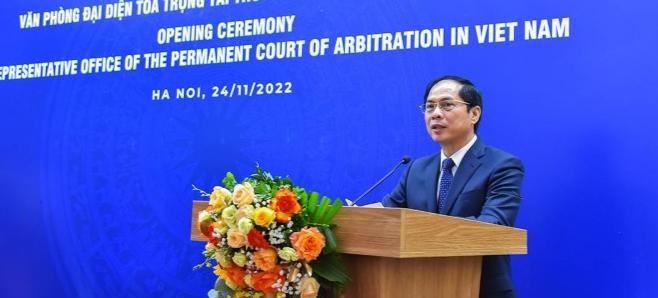
Tại buổi lễ, Bộ trưởng Bùi Thanh Sơn chúc mừng Văn phòng PCA chính thức đi vào hoạt động, hiện thực hóa cam kết của hai bên tại Nghị định thư năm 2021. “Việt Nam đánh giá cao vai trò của PCA là cơ quan giải quyết tranh chấp quốc tế, đã đóng góp hiệu quả và tích cực vào giải quyết tranh chấp giữa các quốc gia và giữa quốc gia với các tổ chức, bảo đảm tuân thủ luật pháp quốc tế, góp phần duy trì hòa bình và an ninh quốc tế,” Bộ trưởng Bùi Thanh Sơn khẳng định.
Continue reading Khai trương văn phòng đại diện Tòa trọng tài thường trực (PCA) tại Hà Nội
Đồng bằng sông Cửu Long: Trước nguy cơ dần biến mất
TS – – Nhung Nguyễn, Võ Kiều Bảo Uyên
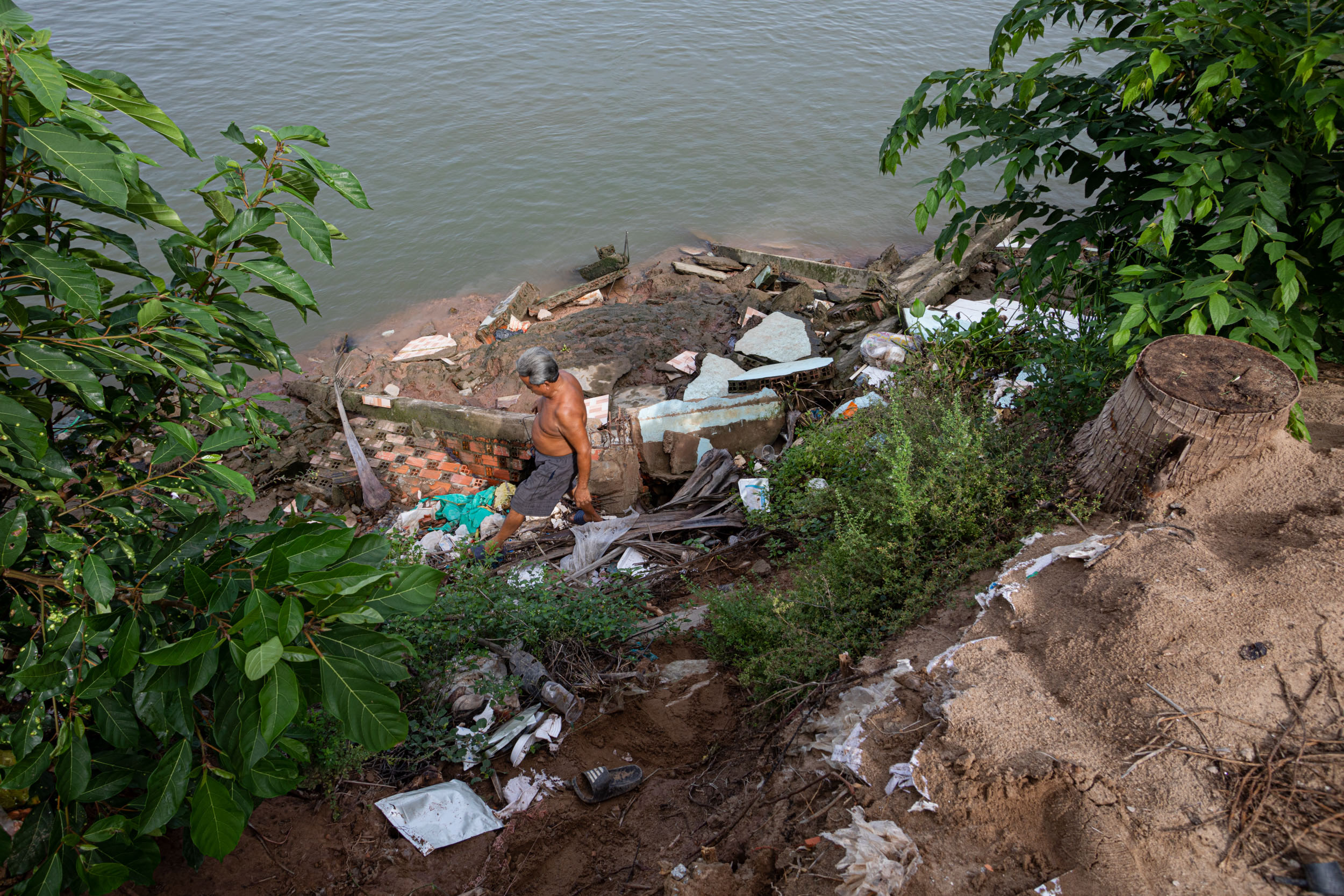
Phải mất hàng nghìn năm, đồng bằng sông Cửu Long mới ra đời. Con người có thể chỉ cần vài thập kỷ để làm nó co rút. Sạt lở chỉ mới là triệu chứng khởi đầu.
Euro Cup 2016, sân vận động Parc des Princes (Pháp) nhuộm nỗi buồn của các cổ động viên Bồ Đào Nha khi cầu thủ của họ liên tục dứt bóng hỏng trước khung thành Áo. Cùng thời khắc ấy, ở một múi giờ khác cách Trung Âu sáu tiếng, nơi cuối dòng Mekong, trận bóng thất vọng của Bồ Đào Nha đã cứu một người đàn ông thoát chết trong gang tấc.
Đêm ấy, ông Trương Phi Hải không ngủ sớm như thường lệ. Người đàn ông 67 tuổi thức bên chiếc tivi, cổ vũ cho Cristiano Ronaldo, cầu thủ ông ái mộ. Phía sau nhà, dòng sông Tiền chảy qua thị xã Hồng Ngự (Đồng Tháp) đang trong con nước ròng, đâu đó vài chiếc sà lan chở cát nổ máy rì rì chạy ngang.
3h sáng, tiếng nước sôi xuất hiện, kéo ông Hải ra khỏi trận đấu. “Nó kêu ục ục. Tui đoán bọn cá lóc trong hồ trước nhà làm bọt bóng”, ông chủ trại cá nhớ lại. Nhưng âm thanh sủi bọt lớn dần, át cả giọng bình luận viên trên tivi. Lo cho đàn cá chỉ còn vài tiếng nữa là đến giờ hẹn bán, ông uể oải đứng lên kiểm tra. Được vài bước, bên tai ông vang tiếng “roạt-rầm”. Và nền đất dưới chân như ai đó bẻ ra, căn nhà tường gạch mái tôn ông vừa bước khỏi bỗng rớt gọn xuống con sông. Tủ, giường, bàn ghế, và cả chiếc tivi đang chiếu hình ảnh Ronaldo cũng trượt vào làn nước.
Trong tích tắc, mảnh sân sau ông Hải đang đứng biến thành một hòn đảo nhỏ giữa dòng nước xoáy đục ngầu. Rồi “hòn đảo” cũng tụt dần. Cú sốc đông cứng chân người đàn ông, ông ngồi thụp xuống, hai tay ôm đầu, phó mặc cho số phận. “Người tôi giống như đi thang máy vậy đó. Ngước mắt lên nhìn, không còn thấy trời, không còn thấy sao. Tôi nghĩ mình chết rồi”, ông Hải rít mẩu thuốc, nhớ lại giây phút sinh tử lúc đó.
Continue reading Đồng bằng sông Cửu Long: Trước nguy cơ dần biến mất
Vietnam arming up to serve in US chip war on China
Asiatimes – Samsung, Intel, Amkor Technology and others pouring billions into Vietnam’s chip industry as China decoupling gathers pace
By PHAN LE And HAI THANH NGUYEN
NOVEMBER 16, 2022

Samsung’s plant in Thai Nguyen Province, northern Vietnam. Photo: Samsung
The CEO of Samsung Electronics met with Vietnamese Prime Minister Pham Minh Chinh and announced a US$850 million investment to manufacture semiconductor components in Thai Nguyen province on August 5, 2022.
The investment will make Vietnam one of only four countries – alongside South Korea, China and the United States – that produce semiconductors for the world’s largest memory chipmaker. Vietnam’s selection over more developed locations speaks volumes about the country’s rising importance in the semiconductor value chain.
Continue reading Vietnam arming up to serve in US chip war on China
COP27: one big breakthrough but ultimately an inadequate response to the climate crisis
Published: November 20, 2022 12.11pm GMT The Conversation
Author
- Matt McDonaldAssociate Professor of International Relations, The University of Queensland
Disclosure statement
Matt McDonald has received funding from the Australian Research Council and the UK’s Economic and Social Research Council
Partners
University of Queensland provides funding as a member of The Conversation AU.
 We believe in the free flow of information
Republish our articles for free, online or in print, under Creative Commons licence.
Republish this article

For 30 years, developing nations have fought to establish an international fund to pay for the “loss and damage” they suffer as a result of climate change. As the COP27 climate summit in Egypt wrapped up over the weekend, they finally succeeded.
While it’s a historic moment, the agreement of loss and damage financing left many details yet to be sorted out. What’s more, many critics have lamented the overall outcome of COP27, saying it falls well short of a sufficient response to the climate crisis. As Alok Sharma, president of COP26 in Glasgow, noted:
Friends, I said in Glasgow that the pulse of 1.5 degrees was weak. Unfortunately it remains on life support.
But annual conferences aren’t the only way to pursue meaningful action on climate change. Mobilisation from activists, market forces and other sources of momentum mean hope isn’t lost.
Continue reading COP27: one big breakthrough but ultimately an inadequate response to the climate crisisBảo vệ dữ liệu cá nhân: Cơ quan nhà nước cần làm gương
TS – – Tống Khánh Linh
Chừng nào vẫn còn khoảng trống chính sách về quyền kiểm soát dữ liệu, chừng đó các cơ quan nhà nước vẫn chưa chú trọng nghĩa vụ – trách nhiệm của mình đối với dữ liệu cá nhân của người dân.
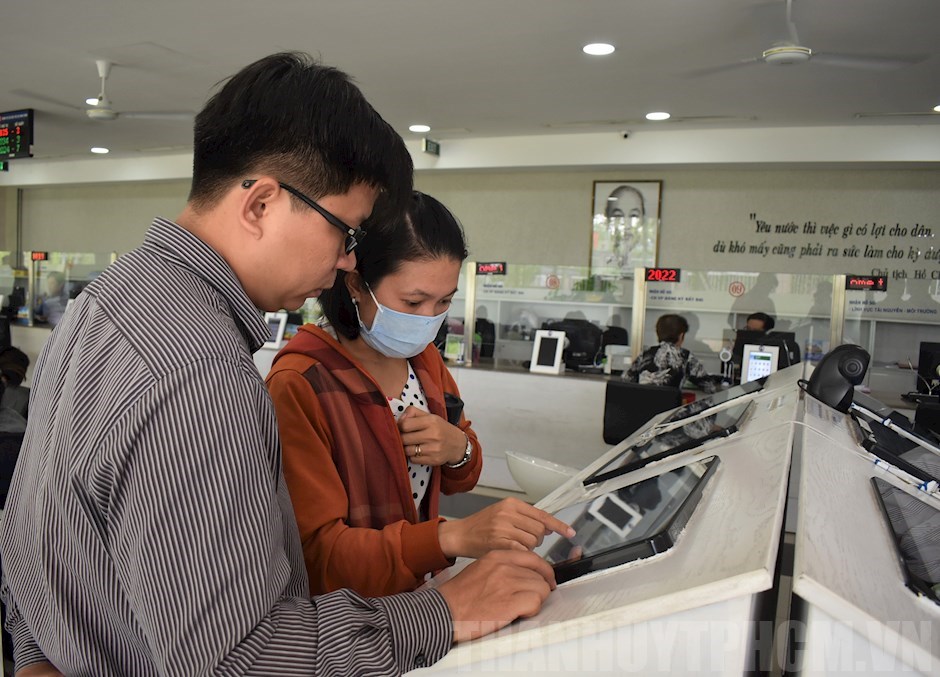
Vào năm 2020, tỉnh Đồng Tháp thông báo rằng có hiện tượng sử dụng không đúng mục đích thông tin cá nhân của người dân phản ánh kiến nghị qua tổng đài 1022 – nơi để người dân phản ánh, góp ý, kiến nghị về hiệu quả dịch vụ công, tiếp cận thông tin, chính sách của tỉnh. Điều này không chỉ ảnh hưởng đến người dân phản ánh, kiến nghị mà còn cả quá trình tương tác với người dân của tỉnh.
Trong khi Chính phủ Việt Nam nỗ lực ngăn ngừa các đơn vị tư nhân lạm dụng khai thác dữ liệu cá nhân thì dường như lại quên nhìn lại chính mình – các đơn vị nhà nước trong việc sử dụng và quản lý các dữ liệu cá nhân của người dân. Continue reading Bảo vệ dữ liệu cá nhân: Cơ quan nhà nước cần làm gương
 Đọt Chuối Non