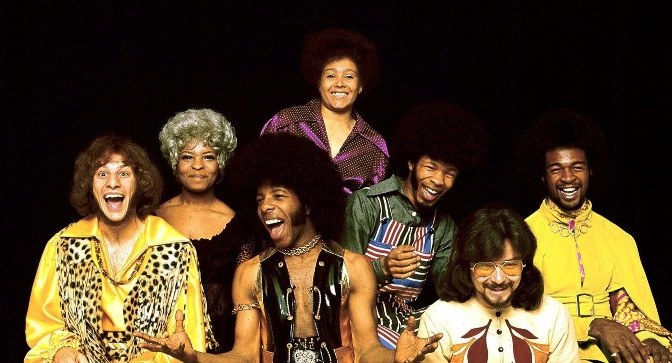
Đây là bài hát được thu âm năm 1969 bởi ban nhạc “Sly và Gia đình Stone”.
Sly và Gia đình Stone là một ban nhạc Mỹ đến từ San Francisco. Hoạt động từ năm 1966 đến năm 1983, ban nhạc đóng vai trò trụ cột trong nền phát triển nhạc funk, soul, rock và psychedelic (nhạc rock say ma túy). Ban nhạc gồm Sly Stone – ca sĩ kiêm nhạc sĩ, nhà sản xuất và nhạc công đa nhạc cụ, cùng một số thành viên gia đình và bạn bè của Sly. Continue reading Cảm ơn (vì cho mình là chính mình lần nữa) – Thank you (falettinme be mice elf agin)→
Probably you have heard “Change yourself to change the world” many times. The question is how many people really practice that.
The world has so many problems and, of course, everyone wants the world to change for the better – less war, less sickness, less poverty, less injustice, less inequality, more health, more safety, more equality, more happiness… We all wish the world to be more like heaven.
Vietnam is grappling with a critical plastic waste crisis. Each year, the country generates 1.8 million tonnes of plastic waste, about one-third of which ends up in the ocean. This constitutes 6 per cent of global marine plastic pollution and makes it the world’s fourth-largest emitter.
Not only does this exacerbate Vietnam’s environmental challenges, but it also casts a shadow over its international reputation as the nation has pledged robust commitments to sustainable dvelopment and the green transition.
TTCT – Tham vọng tiến ra biển của Campuchia đã có người giúp, đó là Trung Quốc, với một dự án cực kỳ tham vọng.
Hôm 17-10, tại thủ đô Phnom Penh của Campuchia, Ủy ban liên bộ Campuchia do Phó thủ tướng Sun Chanthol đứng đầu đã ký kết thỏa thuận với đại diện Tổng công ty Cầu đường Trung Quốc (CRBC) về dự thảo khung xây dựng kênh đào nối ra biển Phù Nam Techo.
Thỏa thuận này sẽ cho phép CRBC tiến hành nghiên cứu chuyên sâu về tất cả các khía cạnh của dự án trong vòng 8 tháng. Dự án kênh đào Phù Nam Techo ước tính sẽ tiêu tốn khoảng 1,7 tỉ USD và mất 4 năm để hoàn thành.
Đây là dự án cơ sở hạ tầng lớn đầu tiên của Campuchia kết nối sông Mekong với đường biển, nhằm mở rộng tiềm năng vận tải biển của đất nước chùa tháp.
Cao tốc Phnom Penh – Sihanouvkville. Ảnh: Twitter
Trước đây, dự án này mang tên Hệ thống giao thông và hậu cần sông Bassac (BRNLS). Tại phiên họp toàn thể lần thứ 6 của Quốc hội Campuchia ngày 19-5-2023, dự án được đặt tên lại là “Kênh đào Phù Nam Techo”.
Đây cũng là tên chính thức của kênh đào đến nay. Ngày 7-6, thủ tướng sắp mãn nhiệm Hun Sen thành lập ủy ban liên bộ nghiên cứu và thực hiện dự án gồm 37 thành viên để xem xét và tư vấn về thủ tục, khung pháp lý và đánh giá hiệu quả kinh tế nhằm thúc đẩy sự phát triển của ngành vận tải đường thủy và đường biển của Campuchia.
Đây là bài hát của ban nhạc rock người Anh Coldplay, phát hành vào ngày 11-11-2002, được sáng tác và trình diễn bởi tất cả thành viên của ban nhạc – gồm ca sĩ và tay piano Chris Martin, tay guitar Jonny Buckland, tay bass Guy Berryman và tay trống Will Champion.
Đây được coi là một trong những bài hát đặc sắc của ban nhạc Coldplay và thường được xếp vào danh sách những bài hát hay nhất thập niên 2000 và mọi thời đại. Continue reading Đồng hồ – Clocks→
Do you realize that almost every parent worries about their children’s learning bad things, especially teens and college-aged children? Why is that?
The answer is obvious: More bad things than good things are being taught out there.
We adults know that. Life really has too many traps for the young. Parents never know what kinds of things their children may get into and be hooked, or how their children will turn out to be in the future. Scary! Raising a kid is a job with a lot of unknown involved. Continue reading Your supervisor→
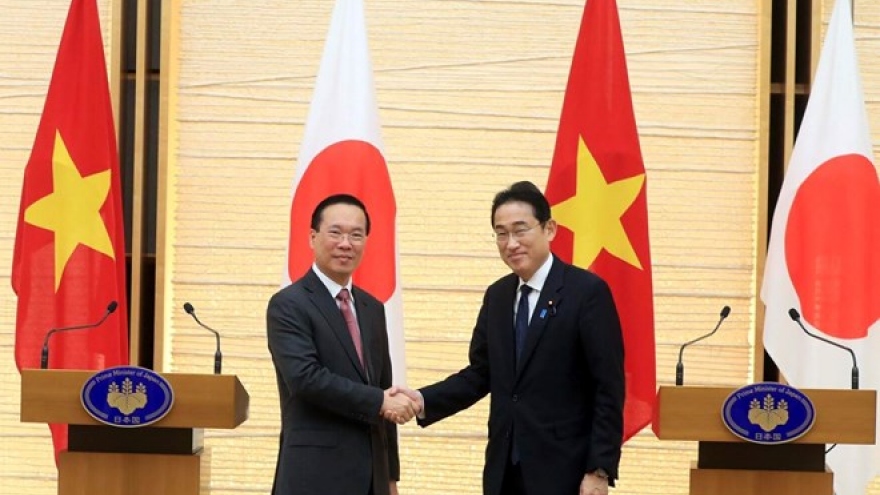
VGP – Below is the Joint Statement on the elevation of their relations to a comprehensive strategic partnership for peace and prosperity in Asia and the world on the occasion of official visit to Japan by President Vo Van Thuong and his spouse.
NOVEMBER 27, 2023 9:57 PM GMT+7
At the invitation of Japan, H.E. Mr. Vo Van Thuong, President of the Socialist Republic of Viet Nam, and Madam Phan Thi Thanh Tam made an official visit to Japan from 27 to 30 November 2023. During the visit, Their Majesties the Emperor and Empress meet with and host a court luncheon in honor of President Vo Van Thuong and Madam. H.E. Mr. KISHIDA Fumio, Prime Minister of Japan, and President Vo Van Thuong attended the ceremony by Guard of Honor, held the summit meeting, attended the joint press conference, and witnessed the signing ceremony of cooperation documents. President Vo Van Thuong also delivered his policy speech at the National Diet of Japan and visited Fukuoka Prefecture.
The visit by President Vo Van Thuong and Madam took place as numerous activities celebrating the 50th anniversary of the diplomatic relations (established on 21 September 1973) were being coordinated between Japan and the Socialist Republic of Viet Nam. Building on the outstanding achievements of the bilateral ties across all areas over the past 50 years, given the great potential for cooperation, with the firm belief in the bright future of the bilateral relations, and with the aim of meeting the demand of the peoples of the two countries, President Vo Van Thuong and Prime Minister Kishida confirmed to adopt the Joint Statement on the Elevation of the Japan-Viet Nam relations to a “Comprehensive Strategic Partnership for Peace and Prosperity in Asia and the World” at the summit meeting on 27 November 2023, thereby affirming both countries’ endeavors to bring the current cooperation between the two countries in all areas to new heights and to further expand it to new fronts.
TTCT – Sự gắn bó của Washington và Tel-Aviv không dừng lại ở mức hữu hảo thông thường, dù Mỹ và Israel thật ra không có hiệp ước cụ thể nào với nhau.
Ảnh: Foreign Policy
Năm 1950, Hoa Kỳ tham chiến tại Cao Ly. Họ dĩ nhiên rủ đồng minh góp quân. 16 nước đã gửi lực lượng tác chiến, 5 nước gửi lực lượng quân y.
Israel non trẻ lúc ấy cũng được mời và thủ tướng Ben Gurion, sau khi suy nghĩ đến bóp nát trái cam, thay vì gửi lính sang, ông gửi tặng… nước cam, vốn là đặc sản của vùng Palestine.
Cho đến nay, Israel chưa hề gửi đi đâu một người lính để giúp Mỹ. Tại Việt Nam, tại cuộc chiến Iraq 1 và 2, tại Afghanistan, có nơi Kazakhstan còn giúp 29 lính hay Iceland gửi đến 2 người, Israel vẫn không là không.
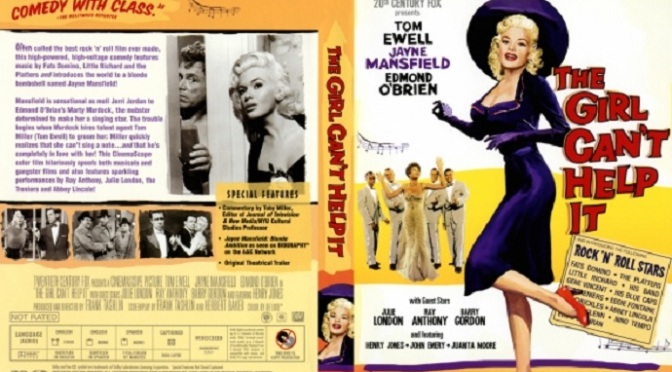
Đây là ca khúc chủ đề của bộ phim cùng tên – The girl can’t help it, có lời và nhạc của nhạc sĩ Bobby Troup. Bài hát được Little Richard trình diễn và được phát hành vào tháng 12-1956.
The Heart Sutra is the short and popular name of Prajñāpāramitā Hṛdaya Sūtra, translated into English as “The Heart of the Perfection of Wisdom” or “The Heart of Prajna Paramita Sutra”. It is the apex of Mahayana Buddhism thought.
Buddhism developed from Theravada (Phật giáo Nguyên thủy) to Mahayana (Phật giáo Đại thừa). Thailand, Myanmar, Sri Lanka, Cambodia and Laos are essentially Theravada. Vietnam, China, Japan, Korea, Hongkong, Singapore, Taiwan, Tibet and Mongolia are essentially Mahayana. Continue reading The Heart Sutra→
What is more impressive is that some EM groups with a population of fewer than 1,000 have had a say in the legislative body.
EM deputies from Cao Bằng Province in their meeting with the president in 2022. — VNA/VNS Photo Thống Nhất
HÀ NỘI — Ethnic minorities’ (EM) representation in the National Assembly (NA) is a fundamental tenet of Việt Nam’s political doctrine; the country has spared no effort in ensuring they are presented from the top.
HÀ NỘI — Infrastructure, planning and a market mechanism were among key issues that must be addressed in order to develop a market for liquefied natural gas (LNG) in Việt Nam, heard participants at a conference on LNG on Wednesday in Hà Nội.
Thị Vải Terminal, an LNG storage facility in the southern province of Bà Rịa-Vũng Tàu. — VNA/VNS Photo
Deputy head of the Electricity and Renewable Energy Department under the Ministry of Industry and Trade (MoIT) Bùi Quốc Hùng said the importation of LNG must follow international trade standards and regulations while Việt Nam is still lacking in many key areas including design, construction, and operation of infrastructure for LNG imports.
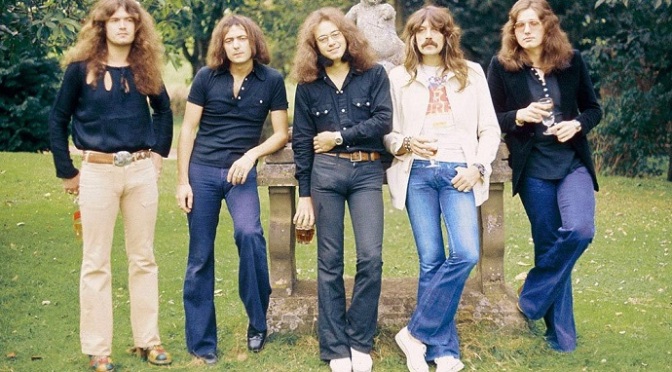
Đây là bài hát của ban nhạc rock người Anh Deep Purple, được phát hành trong album phòng thu Machine Head năm 1972 của họ. Lời bài hát dựa trên những sự kiện có thật, ghi lại vụ hỏa hoạn năm 1971 tại Sòng bạc Montreux, Thụy Sĩ. Đây được coi là bài hát đặc trưng của ban nhạc và chứa một trong những đoạn riff guitar dễ nhận biết nhất trong lịch sử nhạc rock. Continue reading Khói trên mặt nước – Smoke on the water→
The mediation has 10 chapters (10 hội), each chapter is a medium-length poem. Most people, however, only remember the short, four-verse poem that concludes the meditation, at the very end. This concluding poem, though short and simple, embraces the full spirit of Zen.
TTCT – Ở nơi kỹ thuật cắt may hiện đại và kỹ thuật nhuộm chàm cổ xưa gặp nhau.
Tháng 11 này, những người đến xem triển lãm Khói xanh của ba cô gái Sín Chải (Sa Pa) với các nhà thiết kế, học viên tại Trường London College Design & Fashion (LCDF) đã được chứng kiến một sự kết hợp duyên dáng giữa hiện đại và truyền thống trên những sản phẩm có hiệu ứng thị giác và tính ứng dụng cao.
Thế hệ trẻ Mông vùng Tây Bắc đất nước đã tiếp nhận kỹ thuật hiện đại và các nhà thiết kế trẻ đã khám phá những tinh tế tiềm ẩn trong chất liệu vải lanh bản địa, trong kỹ thuật nhuộm chàm, thêu, xe sợi, vẽ sáp ong…
Đằng sau những sản phẩm đó, điều gì đã và đang diễn ra?
Nguyễn Thị Phương Mai và Nguyễn Bình Đức là những người thuộc thế hệ 8X tại Hà Nội, một người là kiến trúc sư, một người làm công nghệ và viết văn.
Nhiều năm trước, trong một lần leo Fansipan, vợ chồng họ gặp anh Vàng A Chư lúc đó đang làm trưởng đội porter dẫn đoàn leo Fansipan. Người thủ lĩnh porter ấy đã gây ấn tượng mạnh đến mức Mai – Đức tìm tới tận nhà Vàng A Chư tại bản Sín Chải, xã San Sả Hồ, Sa Pa.








 Đọt Chuối Non