All posts by Trần Đình Hoành

I am an attorney in the Washington DC area, with a Doctor of Law in the US, attended the master program at the National School of Administration of Việt Nam, and graduated from Sài Gòn University Law School. I aso studied philosophy at the School of Letters in Sài Gòn. . I have worked as an anti-trust attorney for Federal Trade Commission and a litigator for a fortune-100 telecom company in Washington DC. I have taught law courses for legal professionals in Việt Nam and still counsel VN government agencies on legal matters. I have founded and managed businesses for me and my family, both law and non-law. I have published many articles on national newspapers and radio stations in Việt Nam. In 1989 I was one of the founding members of US-VN Trade Council, working to re-establish US-VN relationship. Since the early 90's, I have established and managed VNFORUM and VNBIZ forum on VN-related matters; these forums are the subject of a PhD thesis by Dr. Caroline Valverde at UC-Berkeley and her book Transnationalizing Viet Nam. I translate poetry and my translation of "A Request at Đồng Lộc Cemetery" is now engraved on a stone memorial at Đồng Lộc National Shrine in VN. I study and teach the Bible and Buddhism. In 2009 I founded and still manage dotchuoinon.com on positive thinking and two other blogs on Buddhism. In 2015 a group of friends and I founded website CVD - Conversations on Vietnam Development (cvdvn.net). I study the art of leadership with many friends who are religious, business and government leaders from many countries. I have written these books, published by Phu Nu Publishing House in Hanoi: "Positive Thinking to Change Your Life", in Vietnamese (TƯ DUY TÍCH CỰC Thay Đổi Cuộc Sống) (Oct. 2011) "10 Core Values for Success" (10 Giá trị cốt lõi của thành công) (Dec. 2013) "Live a Life Worth Living" (Sống Một Cuộc Đời Đáng Sống) (Oct. 2023) I practice Jiu Jitsu and Tai Chi for health, and play guitar as a hobby, usually accompanying my wife Trần Lê Túy Phượng, aka singer Linh Phượng.

Tư duy tích cực là Đứng dậy và đi

Wishner_No_On_Quitting
Chào các bạn,

Trong các phản hồi gần đây, có vài phản hồi về bài Đam Mê Tuyệt Vời cho mình thấy một số bạn, chưa hiểu được căn bản của tư duy tích cực. Hôm nay mình viết bài này để hy vọng giúp một vài bạn bớt lẫn lộn.

Tư tuy tích cực có nghĩa là “thái độ và suy nghĩ tích cực”. Vậy thôi. Ngoài ra chẳng có nghĩa gì khác. Tư duy tích cực chẳng ăn nhập gì đến việc nhà bạn giàu hay nghèo, bạn có cơ hội hay không có cơ hội, học lực thấp hay học lực cao, hoàn cảnh gia đình sung túc hay nghèo khổ. Tư duy tích cực có nghĩa là dù bất kỳ nơi nào, thời nào, hoàn cảnh nào ta cũng tích cực. Quan niệm giản dị này vì sao đôi khi lại khó hiểu với vài người thế nhỉ?

Nghèo không phải là cái cớ để tư duy tiêu cực, vì những người trộm cắp nhiều tiền nhất thường là những người có giàu có và quyền lực nhiều nhất trong xã hội.

wecandoit
Cực khổ không phải là l‎y’ do tiêu cực, vì những người tự tử thường là những người có danh tiếng tiền của địa vị.

Bệnh tật không phải là l‎y’ do tiêu cực vì chẳng mấy khi người ta ly dị nhau vì bị bệnh nhưng thường là những cặp khỏe mạnh.

Xã hội bất công không phải là ly’do tiêu cực,vì bất công là ly’‎ do để cố gắng cải thiện xã hội.

Tật nguyền không phải là l‎y’ do tiêu cực vì tật nguyền là cơ hội để nói với khán giả : Đội bóng của tôi chỉ còn 11 người, nhưng tôi vẫn thắng đội địch đủ 12 người.

Chẳng có l‎y’ do gì ở trên đời đủ l‎‎y’ luận để thuyết phục người ta tư duy tiêu cực cả. Người tư duy tích cực bị bỏ vào rừng rậm thì cương quyết đứng dậy lần mò ra, người tiêu cực thì ngồi đó nguyền rủa số phận và bóng tối của rừng già.

Đứng trước một hoàn cảnh khó khăn người ta có hai thái độ: Hoặc là chiến đấu khắc phục hoàn cảnh để vươn lên—đây là tư duy tích cực, hoặc là không muốn vươn lên vì cho rằng mình không thể khắc phục hoàn cảnh—đây là tư duy tiêu cực. Không có tư duy trung cực.

Nhưng khắc phục hoàn cảnh là sao? Người bị bệnh ung thư không khắc phục được bệnh thì sao? Có thể là người này chẳng khắc phục được ung thư, nhưng vẫn có thể là sống những phút cuối cuộc đời vui vẻ tích cực hăng hái, và nhờ đó mà kích đông đựợc bao nhiêu thân nhân bè bạn chung qụanh sống hăng hái vui vẻ. Và khi người ấy chết rồi, gương tích cực của người ấy vẫn còn sống trong thái độ sống của bao nhiều người chung quanh, và biết đâu lại còn lan truyền đến đời con cháu và học trò của họ.
try
Người trong hoàn cảnh cực kỳ khó khăn thì như người leo vách núi thẳng đứng. Mộtgiờ đồng hồ leo được 10m, nhưng thành công hơn người đi bộ trong thành phố đi một giờ được cả 300m.

Khi còn trẻ ông ấy muốn trở thành viện trưởng viện đại học, và học hành làm việc cả đời, cho đến khi chết cũng chẳng được làm viện trưởng, nhưng cũng đã thành giáo sư tốt đào tạo được bao nhiêu nhân tài cho đất nước. Dù là mục tiêu cuối cùng không đạt, nhưng ai dám cho đó là thất bại?

Không có gì thực sự có thể đo lường và đánh giá được tư duy tích cực, ngoại trừ một điều: Đứng dậy và đi, dù đứng không muốn nổi, dù trời giông bão, dù động đất, dù bị đánh ngã gục nhiều lần. Đứng dậy và đi. Đó là tư duy tích cực. Đi được bao xa không thành vấn đề. Có thể là một vòng đi bộ quanh trái đất. Có thể là một nữa vòng. Có thể chỉ là 100 thước trước khi ngã chết. Khoảng cách không quan trọng. Quan trọng là đứng dậy và đi. Và đi được đến đâu thì chưa biết. Nhưng điều chắc chắc là bạn đã không còn ngồi ở điểm đầu tiên và than khóc. Bước ra khỏi chiếc ghế than khóc của mình. Đó là tư duy tích cực.

run-boy-run1
* Tuy nhiên, sau khi đọc lại vài phải hồi hơi lạ của vài bạn, mình có cảm tưởng là có một vấn đề khác các bạn muốn nói, nhưng lại không nói rõ ra, và mình thì lại không thấy được lúc đầu. Mình có cảm tưởng rằng các bạn muốn nói ở Việt Nam có quá nhiều khó khăn, bất thuận lợi, bất công bình, và thiếu cơ hội phát triển, cho nên nếu các bạn đang là du học sinh các bạn vẫn không muốn trở về môi trường khó khăn đó.

Nếu đây đúng là vấn đề trăn trở của các bạn thì mình có thể hiểu được và mình đã từng cố vấn một số sinh viên về vấn đề này. Đây đúng là vấn đề vô cùng nhức nhối, đè rất nặng trong tâm ta. Mình không muốn đề cập đến các vấn đề pháp l‎y’ riêng của mỗi bạn. Mỗi người có một hoàn cảnh khác nhau. Và vì đa số các bạn như em của mình, cho nên mình có thể hiểu tâm sự các bạn rất rõ như một người anh.

Câu trả lời của mình tử trước đến nay vẫn là: Hãy nghe theo tiếng nói của lòng mình. Lắng nghe rồi qu‎yết định hướng lòng mình muốn. Về cũng tốt, ở lại nước ngoài cũng tốt. Sự thực là tâm của mình ở đâu, chứ cơ thể mình ở đâu, chưa chắc đã là quan trọng, nhất là trong thế giới @ ngày nay khi mình gần với người làm việc qua email bên kia địa cầu hơn cả ông hàng xóm sát vách. Nếu tâm mình yêu nước, mình sẽ giúp nước được, dù là mình ở đâu. Trong vòng 20 năm nay mình ở Mỹ, nhưng đã đóng góp vào việc phát triển Việt Nam rất nhiểu.

Nhưng nên làm quyết định cá nhân đó một cách tích cực. Đừng tiêu cực trong tâm trí. Mình quyết định ở đâu là vì nơi đó tốt nhất cho mình vào lúc này (nói một cách tương đối). Nêu mình vui vẻ và phát triển tốt thì mình mới có thể lo lắng cho mọi người, kể cả đất nước của mình tốt được. Lo cho mình vui vẻ thành công là cách tốt nhất để giúp nước giúp đời.

Chỉ cần nhớ rằng, ngoài tình cảm thâm sâu, mình còn nợ đất nước mấy mươi năm nuôi dưỡng, mấy mươi năm quan trọng nhất của đời người. Và nguyện sẽ đền ơn cho đất nước trong cách hay nhất của mình. Khi mình nghĩ được như vậy thì mình sẽ rất hữu ích cho đồng bào của mình dù mình ngồi nơi nào trên thế giới. Và con tim mình sẽ chỉ cho mình làm gì cho đất nước mỗi ngày.

Chúc các bạn một ngày vui.

Mến,

Hoành

© copyright TDH, 2009
www.dotchuoinnon.com
Permission for non-commercial use

Ngôn ngữ của hoa

Chào các bạn,

Người ta thường cho mỗi đóa hoa một ý nghĩa gì đó. Và thường thì hoa là ngôn ngữ đẹp nhất và dễ nhất để nói điều mình muốn nói, nhất là nói với phụ nữ. Mua hoa tặng nàng, không cần phải đợi dịp lễ lạy, và nhất là gửi hoa đến sở làm của nàng, thì không yêu cũng có thể thành yêu, yêu rồi sẽ yêu hơn, đang ghét cũng có thể hết ghét, hay ít ra là ghét ít hơn một tí.

File PPS này giải thích ý nghĩa của nhiều cánh hoa quen thuộc tử Pensée đến Mimosa. Mình có thêm giải thích tiếng Việt, giúp các bạn không biết tiếng Pháp.

Mời các bạn click vào ảnh dưới đây để thựởng thức và download.

Daily English Discussion–Saturday, June 13, 2009

englishchallenge

Hi everyone,

Here are two new articles for discussion over the weekend.
.

Half of foreign workers in Vietnam are illegal: minister

Nearly half of the foreign workers in the country are employed illegally. They enter the country as tourists or to visit relatives and stay on, the labor minister said Thursday.

In remarks made Thursday while taking the floor to answer questions at the ongoing National Assembly (NA)’s session, Nguyen Thi Kim Ngan, Minister of Labor, Invalids, and Social Affairs, said only about 50 percent of foreign workers in Vietnam are licensed to work in the country.

Her observation elicited concerns from NA deputies that the large presence of illegal foreign workers could worsen the unemployment situation in the country.

She noted that the movement of workers among countries is indispensable in the context of international economic integration, but added Vietnamese regulations only permit skilled foreign workers, experts and those having experience in business and production management to work in the country.

The ministry will deal with the cases of foreigners illegally working in Vietnam on the basis of respecting the country’s laws and bilateral cooperation with other countries, she said.

Ngan said Vietnam will not extend visas for illegal workers, will facilitate their return home and strengthen immigration management.

“I admit my responsibility in managing laborers,” she said. “The three ministries [the Ministry of Justice, the Ministry of Public Security, and the Ministry of Foreign Affairs] will have to coordinate with us to solve the issue of illegal foreign workers and to amend laws and decrees in the field.”

Do we have lots of these “illegal foreign workers”? Do they really hurt the Vietnamese labor force? ik think foreigners are useful to the country. Đất lành chim đậu. Do we really have to kick them out?
.

Police advise charges in Japan ODA graft case

The Ministry of Public police have recommended “abuse of power” charges against two former officials in charge of Ho Chi Minh City’s biggest infrastructure project.

Huynh Ngoc Si, former head of the East-West Highway and Water Environment project, and his ex-deputy Le Qua, are facing charges of wrongdoing in leasing and spending rent collected for a house in HCMC’s District 3 leased to Tokyo-based Pacific Consultants International (PCI) from August 2001 to November 2002, the police said Thursday.

The rent for the house, owned by the project management, was then equivalent to US$5,000 per month.

The total rent of VND1.2 billion received from PCI, the consulting contractor on the East-West Highway and Water Environment project, was distributed among various project employees, with Qua and Si getting VND53.9 million and VND52.25 million respectively, the police said.

Qua had also earmarked VND350 million for entertaining guests without providing any invoice authorizing such spending, the police said.

The Supreme’s People Procuracy (SPP), Vietnam’s highest prosecution agency, will consider ratifying these charges.

What do you think about this case?
.

TODAY’S CHALLENGE

You may translate the above news articles into Vietnamese.

That’s it. Have a wonderful weekend, everyone.

Hoanh

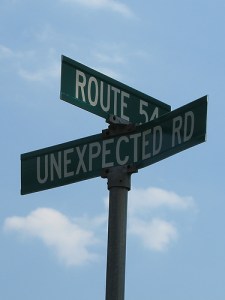
Đợi mong không gặp, không đợi mà gặp – Đầu mối của sóng gió

unexptectedroad
Chào các bạn,

Thường ta thấy nếu một người bị bệnh đã lâu ngày, khi mất đi, thân nhân của họ rất bình tĩnh và thản nhiên, dù là vẫn buồn. Nhưng nếu một người ra đi bất ngờ, như đụng xe chẳng hạn, thì thân nhân bạn bè rất đau đớn sầu khổ. Tương tự như vậy, trong một trường hợp nhẹ hơn, xảy ra hàng ngày: Ra đường bị anh chàng nào đó chạy ngang qua mắng, “Chạy quờ quạng, dzậy và cũng ra đường. Đồ ngu!” thì ta cũng bực một tí, nhưng có thể mỉm cười quên mất. Nhưng nếu đến sở, bị ai đó trong sở mắng là “Đồ ngu !” thì có thể sẽ thành chuyện lớn.

Vì sao vậy? Thưa vì, một bên là mong đợi, một bên là bất ngờ. “Mong đợi” đây là từ “expectation” trong tiếng Anh, nó có thể có nghĩa tích cực, thích thú mong đợi, như chờ đợi con mình mang sổ điểm tốt về nhà, hoặc có thể là bị động theo kiểu “đời là thế”–đời là ra đường có thể gặp mấy anh chàng du côn ăn nói bừa bãi, hơi đâu mà bực.

Chúng ta thường nói “tâm tĩnh lặng” là căn bản của tư duy tích cực. Tâm ta càng tĩnh lặng, cái nhìn của ta càng sâu thẳm, và hùng lực của ta càng mạnh. (Mấy người nhảy loi choi, cung tay cung chân la lối ồn ào, thường là người chạy đầu tiên khi bị áp lực. Những người nhỏ nhẹ dịu dàng thường là những người sẵn sàng bước qua biển lửa khi cần. Qui luật này thường đúng cho đa số trường hợp, ít có ngoại lệ).

Tuy nhiên, khi gặp các biến cố bất ngờ, ta thường bị sốc, bị đau, và tâm ta nổi sóng. Nghĩa là căn bản tư duy tích cực của ta nằm trong vòng nguy hiểm. Trong ngữ cảnh của bài này, lý do cho những ngọn sóng bấp bênh đó là “bất ngờ”, hay “không đợi mà đến,” hoặc nói đúng hơn là “đợi điều này mà gặp điều kia”—Đợi anh sống với em đến già, nhưng anh đụng xe mất đi quá sớm; đợi anh chung thủy với em cả đời, không ngờ anh có nhân tình và đòi lydị; đợi con học thành bác sĩ, không ngờ con bỏ học đi theo đám hút sách.

Tóm lại, “đợi mong không gặp” hay “không đợi mà gặp” là đầu mối của đau khổ, đầu mối của sóng gió, ta có thường nhất trong đời, thường hơn cả sinh lão bệnh tử. Sinh, lão, vả tử chỉ xảy ra một lần trong đời; bệnh thì cũng năm thì mười họa. Nhưng, “mong đợi” từ chính mình, từ bạn bè, từ vợ chồng con cái bố mẹ anh em, từ người yêu, từ thầy cô, từ học trò, từ người bán hàng hay người mua hàng, từ thời thế, từ nhà nước, từ mọi người và mọi chuyện trong cuộc đời này, mong đợi mà không gặp, thì mỗi ngày đếm chắc cũng phải vài chục chuyện một ngày. Vì vậy, mỗi ngày ta bị tấn công với hàng chục chuyện “đợi mong không gặp” hay “không đợi mà đến”. Tâm ta, do đó, bị rúng động hàng ngày, rất khó mà tĩnh lặng. Đó là một trong những ‎l‎y’ do chính tại sao chỉ số stress rất cao cho mỗi người chúng ta.

Vị khách không mời
Vị khách không mời

Vấn đề khó hơn nữa vì, do l‎ý do chủ quan, thông thường ta cứ đợi mong một cách rất xa thực tế cuộc đời. Biết là có ung thư, nhưng đó là chuyện người khác, mình vẫn mong đợi là mình không bao giờ có ung thư. Đụng xe cũng vậy, người khác đụng xe chết chứ đó không phải là chuyện nhà mình. Ngoại tình đòi ly dị là chuyện các ông chồng hư hỏng khác, chứ không phải chuyện nhà mình. Ảo tưởng an ninh đó đánh lừa ta làm cho ta mong đợi một hạnh phúc lâu bền, một cuộc sống thong thả hầu nnhư vĩnh viễn. Đó là cái mà nhà Phật gọi là “chấp” vào ảo tưởng “thường hằng”, ảo tưởng vào sự không thay đổi của đời sống, trong khi cuộc đời là thay đổi liên tục, là “vô thường.”

Nói đến đây có lẽ các bạn đã biết đến giải pháp. Quá rõ ràng. Muốn tránh bị bất ngờ, muốn không bị sốc vì mong đợi mà không gặp, vì không đợi mà gặp, thì ta phải chấp nhận thực tế là cuộc đời “vô thường”, cuộc đời hay thay đổi, hay có những điều ngoài dự liệu.

Nhưng từ “vô thường” nghe có vẻ bi quan quá, phải không các bạn? “Ôi cuộc đời vô thường, hơi đâu mà lo. Làm cho lắm rồi cũng hết. Làm chi cho mệt.” À, đây là tư duy tiêu cực, đã bị các tuồng cải lương Lan và Điệp tuyên truyền hơi nhiều. Người tiêu cực thì nhìn cái gì cũng tiêu cực, chứ nói chi đến “vô thường”–ngay cả nghe tin trúng số độc đắc, người tiêu cực sẽ phản hồi ngay, “Cho nó có tiền triệu rủng rỉnh để nó bỏ vợ con chạy theo mấy con nhỏ ngoài đường, chớ được gì.” Bạn mang Chúa bằng xương bằng thịt đến cho người tiêu cực, họ cũng sẽ sáng tạo ra được ngay vài phản hồi tiêu cực.

Thực ra, “vô thường” là sinh động, là sống. “Không thay đổi” là không nhúc nhích, là chết, phải không các bạn? Vô thường là thay đổi, là sự sống, là dòng chuyển hóa của cuộc đời, là sự lớn mạnh của tâm linh ta. Sống là thay đổi. Sống là sinh động. Sống là vô thường. Chúng ta cần nhìn sức mạnh và bản chất sinh động của vô thường, và dẹp các tiêu cực kiểu Lan và Điệp đi mới được.
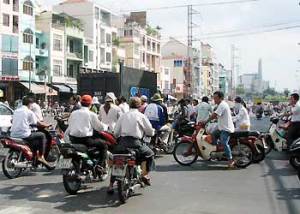
giaothong2

Dòng xe cộ trên đường luôn chuyển động, luôn vô thường Ta biết như vậy cho nên ta lái xe rất uyển chuyển, không phải cứ nhắm mắt đi một đường thẳng. Khi thì phải lách, khi thì phải thắng, khi thì phải quẹo. Đó là sống với vô thường.

Biết đuợc vô thường có nghĩa là biết uyển chuyển để phản ứng với mọi tình huống trên đời. Tướng đánh trận luôn luôn tính trước đường đi, nhưng luôn luôn biết là cách tính của mình có thể sai vì có nhiều yếu tố bất ngờ có thể xảy ra trong cuộc chiến. Khi gặp bất ngờ mình chỉ cần uyển chuyển đổi kế hoạch rất nhanh, như người lái xe phải thắng hay lạng trên đường thôi. Chẳng có gì đặc biệt cả.

Ngày xưa người ta đi bộ nên hay ví cuộc đời như một dòng sông. Ngày nay ta đi xe, tốt hơn là nên ví cuộc đời như một dòng xe. Khái niệm “dòng xe” cho ta rất rõ bản chất của cuộc đời và ta lái xe thế nào trong dòng đời đó.

Những vị khách không mời mà đến trong đời luôn luôn làm cho ta đau đớn, không ít thì nhiều. Nói gì thì nói, bị chồng ruồng bỏ bất ngờ, bị con cái đi hoang bất ngờ, chị mất công việc bất ngờ, luôn luôn gây sốc và đau đớn. Nhưng nếu ta đã biết trước là cuộc đời vô thường và chuyện gì cũng có thế xảy ra cho chính mình, thì khi gặp biến cố, dù ta có đau đớn, ta vẫn còn đủ nghị lực để gắng gượng và uyển chuyển điều chỉnh mọi việc để vượt qua, thay vì bị một cơn sốc đến mức tứ chi rũ liệt, đầu óc điên loạn, và điên vì giận hay vì đau, giận người làm mình đau, giận cả ông Trời, mà tai hại nhất là giận cả chính mình, cho “cái ngu” hay “cái thất bại” của mình.

Bạn chẳng ngu hay thất bại. Mà cũng không chắc là ai có lỗi. Chuyện đời là vậy đó. Lâu lâu trời mưa bị trượt chân té gãy tay. Chẳng phải ông trời, mà cũng chẳng phải bạn. Sống là vậy đó. Cứ phải vui vẻ băng bột chờ tay lành thôi.

Chúc các bạn một ngày tuơi lành.

Hoành

© copyright TDH, 2009
www.dotchuoinnon.com
Permission for non-commercial use

Học bổng và tài trợ

Jobs

Officially licensed as a community based not-for-profit organization, under VUSTA, the /LIN Center for Community Development/ seeks to promote community alliances and identify community resources that can improve access to opportunities for people living in and around HCMC. At the heart of LIN’s establishment was the belief that local people and local groups are best placed to recognize and respond to the needs of our community.

LIN offers donors, including individuals and businesses, a way in which to engage constructively and support local needs while providing a transparent mechanism through which their contributions can be tracked and monitored. Simultaneously, LIN supports grassroots not-for-profit organizations in their efforts to effectively manage resources and provide programs and services to disadvantaged groups in our community.

LIN’s core services include grantmaking, capacity building, research and information sharing.

POSITION DESCRIPTION

The /LIN// Center for Community Development/ is seeking a high caliber candidate for the position of Community Liaison. This person will serve as the link between local community leaders, including those representing for-profit, not-for-profit and public sector organizations.

LIN is a new organization, with a small team that is supported by part-time volunteers. As such, the Community Liaison will hold many varied responsibilities including the coordination of skilled volunteers and responding to general inquiries about LIN from the public. He/she will help to implement the communications strategy and ensure an ongoing positive profile for the organization.

RESPONSIBILITIES

The primary roles and responsibilities of the Community Liaison include:

* Build and maintain good relationships with the not-for-profit community in HCMC.
* Update existing information and prepare new reports for each of our not-for-profit partners, focusing specifically on their requests for technical and/or financial support.
* Supplement and update a list of organizations and associations operating in and around Ho Chi Minh City serving the community and/or disadvantaged groups through not-for-profit activities.
* Build and maintain good relationships with Volunteers recruited by LIN through regular contact and communication. Organize events and reach out to Volunteers on a regular basis.
* Monitor and evaluate the Volunteer-NPO relationship (via outcomesvand evaluation of satisfaction surveys completed by each partner).
* Manage and update a database of skilled Volunteers and local service providers.
* Review related news coverage and collect articles on community development, philanthropy and humanitarian programs run by local groups, organizations or civic associations.
* Develop relationships with local press and journalists covering philanthropic programs, charitable programs and/or corporate social responsibility.

Administrative Duties:

* Maintain clear records and submit reports on project work and expenditures.
* Contribute to the project pipeline on a monthly basis (including internal and external activities).
* Translate documents, as needed, or supervise translation by volunteers.
* Update the website with news, events and other information.
* Support with other tasks, as needed, such as day-to-day office management, answering phones, etc.

QUALIFICATIONS

* University degree in social work, community development, communications, journalism, marketing or a relevant field. An advanced degree is preferable.
* Some experience with public relations work.
* Project management experience (problem solving, analytical, planning and organization skills)
* Experience in working with not-for-profit organization, development organization and/or INGO
* Ability to network and communicate effectively with community leaders, including representatives of government, business and civil society.
* Good computer skills and experience with blogging and social networking a plus! (Yahoo Plus, Facebook, Caravat, Cyvee).
* Experience with and enthusiasm for community development and social work issues.
* Fluency in Vietnamese and good communication in English.
* Flexibility and ability to work independently and as part of a team.
* Honest, ethical, pro-active and results-oriented

OTHER

* Familiarity with HCMC – The successful candidate will have lived in Ho Chi Minh City for a minimum of four years.
* Availability – The applicant will be able to start working as early as the end of August.

CONTACT INFORMATION

Interested candidates should submit a letter of interest and resume/CV by email to:

LIN Center for Community Development
info@LINvn.org
Tel: 08-3824-6091

The closing date for applications is 14 August 2009.

Only applicants selected for an interview will be contacted. LIN is an Equal Opportunity Employer – we give an equal opportunity to every candidate, regardless of age, religion, race or gender. For more information about LIN, please visit our website: www.LINvn.org.

Daily English Discussion–Friday, June 12, 2009

englishchallenge

Hi everyone,

I have a news item for today. But before that, let me remind everyone that this Daily English section is for you to study English. Many folks have been telling me one way or another that you guys want English study. So you need to do your work. And reading is not doing your work; it is doing 1/10 of your work. Writing English is 10 times more effective than reading, as far as English study is concerned. So, if you want to take your study seriously, then write.

Just write something to comment on these news articles. Whatever you write doesn’t matter. If the news article talks about nuclear war and your comment is about coconut cake, so what? You’re writing, that’s important.

“Work smarter, not harder.” We all have only 24 hours a day. We cannot increase the hours. We can only increase the efficiency of each hour. So, trust me. Study smarter, not harder. Stop reading and start writing. Trust me.

And here is the news item for today.
.

Ministry announces HCMC megacity plan

Ho Chi Minh City will become a regional megacity with an area of more than 30,000 square kilometers, according to a 2020-2050 masterplan announced in Dong Nai Province Monday.

According to the Ministry of Construction’s plan, HCMC will be a key metropolis linking with other southern provinces including Binh Duong, Binh Phuoc and Dong Nai.

Vo Van Mot, chairman of the Dong Nai Province People’s Committee, said the plan would make the city the key economic zone in Vietnam and an economic hub of Asia.

The announcement was made at a meeting between the Dong Nai People’s Committee and the Southern Urban-Rural Zoning Sub-institute.

Reported by Hoang Tuan

This sounds good. But I wonder if the City will have a good water drainage plan or as the City gets bigger the inner-city water will rise higher on the streets.

How would citizens of Saigon be sure that city officials will have a good water drainage plan before the “megacity” plan is approved? Could someone introduce a law to that effect?

I have heard enough of flooding in HCMC city in the recent days, and I wonder if the City officials are working on the issue at all, or they are sitting on their rear waiting for the water to approach.
.

VOA SPECIAL ENGLISH

American History Series: The Story of the Lincoln-Douglas Debates of 1858
.

TODAY’S ENGLISH CHALLENGE

Chi Huệ has 4 Celine Dion songs today to translate into Vietnamese. And the above discussion article also. They all can be used to translate.

That’s it, everyone. Enjoy your day!

Hoanh

Làm thế nào để phê phán tích cực ?

criticism

Chào các bạn,

Phê phán hầu như luôn luôn có vẻ tiêu cực, dù là người phê phán có thái độ tích cực thì người “được” phê phán cũng vẫn cảm thấy tiêu cực, không ít thì nhiều. Đó là chưa nói đến, rất thông thường, chúng ta phê phán với thái độ tiêu cực. Nhưng không thể không phê phán được, phải không các bạn. Tư duy phê phán (critical thinking) là một phần quan trọng của tư duy, mà chúng ta đã đề cập trước đây trong bài Tư duy tích cực là gì? Nhưng làm thế nào để ta phê phán mà không có tư duy tiêu cực trong lòng, và người nghe cũng không cảm thấy tiêu cực?

Thái độ luôn luôn đi từ trong tâm ta đi ra, cho nên trong phần dưới đây ta sẽ khảo sát vấn đề từ trong tâm ra đến hành động bên ngoài.

I. Tâm tích cực khi phê phán

Điều quan trọng nhất là làm thế nào để ta tích cực ngay trong tâm ta khi phê phán, và ta biết rõ là ta phê phán tích cực, chứ không bị chỉ huy mù quáng bởi một tâm tiêu cực? Câu hỏi này nghe như thừa, vì ai trên thế giới cũng nói tôi phê phán tích cực. Vâng, có thể là ta muốn tích cực thật, nhưng không hẳn là tâm ta đang tích cực khi phê phán, phải không các bạn? Nếu tâm mình không sáng suốt thì chính nó lừa mình, mình cũng không biết đâu. Bị người khác lừa thì dễ thấy, chứ bị chính cái đầu của mình đánh lừa mình thì mù luôn. Chỉ có tự quán sát tâm mình chặt chẻ lâu ngày mình mới thắng được chuyện lừa lọc đó thôi.

Vậy thì ta phải quán sát tâm mình kỹ càng trước, trong khi, và sau khi phê phán.
criticism1
1. Trước khi phê phán. Nếu mình sắp mở miệng phê phán tự xét lại tâm mình là mình có tích cực không. Đây là chuyện trong lòng ta. Lòng ta chỉ ta biết. Cho nên mình phải thật là thành thật với chính mình thôi. Người tích cực có những dấu hiệu sau đây:

a. Phê phán việc làm của người nào đó, chứ không phê phán vể chính bản thân người đó.

b. Dù việc làm và bản thân có liên hệ mật thiết với nhau (như tham nhũng), thì cái ta quan tâm vẫn là việc làm.

c. Đối với cá nhân người bị ta phê phán, dù là bên ngoài ta có thể yêu cầu người đó phải bị trừng phạt, thì bên trong ta vẫn suy nghĩ như là một người bạn rất hiểu yếu kém rất con người của người đó: “Tội nghiệp, tội nghiệp. Cả đời lập nghiệp, chỉ vì một phút yếu lòng mà gây nên khổ.”

d. Nếu tâm bạn chỉ có hừng hực một lòng: “Đồ vô loại, đồ khốn nạn. Mày phải đổ xuống sông cho cá mập ăn mới được”, thì chính là bạn đang rất tiêu cực, đang bị chi phối bởi sân hận và kiêu căng (như là mình không làm quấy bao giờ), và phê phán của bạn có nền tảng tiêu cực.

e. Bạn có suy nghĩ theo kiểu lợi lộc: “Thằng này mà xuống, tôi (hay chúng tôi) lên thay, thì mới khá được”? Tự tin là một việc tốt. Nhưng, rất thông thường, ta thường hay lầm lẫn tự tin với tự kiêu hay tham lam trong lòng ta đó. Khi đã có ước mong quyền lợi trong đó, thì rất khó để mà không tham lam. Đó là chưa kể làm khán giả phê phán cầu thủ thì dễ, làm cầu thủ trên sân cỏ thì lại là một chuyện khác. Hãy suy xét tâm mình thật kỹ.
criticism4
2. Trong khi phê phán. Khi phê phán một người nào đó, bạn có kể ra cái tốt mà họ đã làm không, hay chỉ kể ra cái xấu mà thôi? Phê phán một chiều luôn luôn tiêu cực, vì đó là bất công và thiên vị. Lời phê phán của người thiên vị luôn luôn phải được đánh dấu hỏi.

3. Sau khi phê phán. Sau khi đã phê phán xong, dù là bạn có cảm xúc như thế nào, bạn có thấy, tận đáy tim bạn, một tí buồn, một tí xót xa, là bạn đã phải làm đau người kia không? Hay là bạn hả hê như vừa trúng số?

II. Hành động tích cực khi phê phán.

Đó là nói đến cái tâm của ta, chí có ta biết. Ngoài ra, trong khi ta hành động bên ngoài, có một vài phương thức để làm cách trình bày của ta tích cực hơn.

a. Khen trước, phê bình sau. Vi dụ: Em làm việc rất siêng năng chăm chỉ, và em làm việc một mình rất hay, nhưng em một mình hơi nhiều nên cả nhóm không có đủ thông tin từ em và không điều hợp tốt với em. Nếu em bỏ ra tí thời gian mỗi ngày, hàn huyên nói chuyện với các bạn thường hơn, thì cả nhóm sẽ làm việc hiệu quả hơn.

b. Thay vì chê “Em yếu, cần mạnh hơn” thì ta nên khen “Em tốt, và vẫn có thể tốt hơn.” Em làm việc này thật là hay, rất giỏi so với nhiều người,. Nhưng nhóm mình phải luôn luôn là số 1 và luôn luôn khá hơn mỗi ngày. Em rán trau chuốt thêm mỗi ngày một tí thì rất hay.

Nếu phê phán mà không khen, và phê phán với luận điệu xỉ vả, thì nhất định là tiêu cực. Ta phê phán môt người vì ta muốn người đó tốt hơn. Phê phán để hạ bệ là phê phán tiêu cực.
criticism5
c. Cách sử dụng ngôn ngữ. Cách này thì rất khoa học. Nhờ một người bạn của mình thâu băng lén khi mình đang mạnh miệng phê phán ai đó, rồi ngồi nghe lại một mình giữa đêm vắng lặng. Ngôn ngữ mình dùng nói đến yêu thương nhiều (không cần biết yêu thương ai) hay là ngôn ngữ thù hận, kiêu căng, tục tằn. Người tích cực luôn dùng ngôn ngữ yêu thương. Người tiêu cực dùng ngôn ngữ thù hận. Loại ngôn ngữ nào có nhiều trong cách phê phán của bạn?

Nếu đọc nhật k‎‎ý Đặng Thùy Trâm, các bạn sẽ thấy cuốn nhật ký toàn là ngôn ngữ yêu thương. Năm thì mười họa mới có môt vài chữ có vẻ căm phẫn Mỹ, đương nhiên là do đau khổ mà ra. Người tích cực là như thế, luôn luôn có tình yêu và dùng ngôn ngữ tình yêu, và tâm trí hướng về tình yêu, dù là đang xung trận một mất một còn. Họ không có thời giờ để suy tư thù hận.

* Và dù là ta nói đến hành động bên ngoài hay thái độ bên trong của tâm trí, chúng ta cần nhớ thường xuyên là tư duy tích cực là một thái độ của con tim. Và thái độ của con tim của ta thì chỉ có ta biết, cho nên ta phải rất thành thật với chính mình để có thể thấy con tim của mình, và phải rất tự kỹ luật để tự huấn luyện con tim của mình. Chẳng ai làm được các việc này cho mình cả.

Còn các hành động bên ngoài? Đương nhiên chúng phản ánh phần lớn con tim của mình. Phần nhỏ còn lại, có thể là người ngoài không thể nào hiểu hết con tim mình được; hiểu lầm là chuyện đương nhiên ở đời. Hoặc là chính mình đôi khi làm vài chuyện ngu si mà chính mình cũng không muốn làm. Đây lại cũng là chuyện đương nhiên ở đời. Cứ phải cố lên thôi.

Chúc các bạn một ngày vui vẻ.

Mến,

Hoành

© copyright TDH, 2009
www.dotchuoinnon.com
Permission for non-commercial use
Bản nhạc chủ đề của WCAG 2.0

blindperson
Chào các bạn,

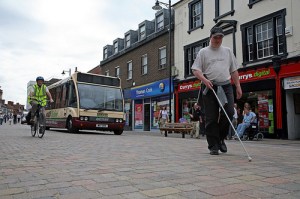
Trong chương trình Nhạc Xanh hôm nay, chúng ta có bản nhạc hiphop chủ đề của WCAG 2.0 rất hay. Nhưng ý nghĩa của nó thì còn hay hơn nhiều, vì bản nhạc này nhằm truyền bá Tiêu Chuẩn Tiếp Cận Nội Dung Mạng Toàn Cầu, là tiêu chuẩn đặc biệt cho computers và các loại máy có thể dùng trên Mạng (ví dụ, điện thoại di động), để những người khuyết tật có thể sử dụng. Hôm nay chúng ta hãy nghe bản nhạc này để cùng vui với các bạn khuyết tật.

Hãy dùng một phút để biết WCAG 2.0 là gì. Truớc hết ta có W3C. Đây là tên viết tắt của World Wide Web Consortium, là một tổ chức bất vụ lợi nhằm thiết lập tiêu chuẩn cho mạng Internet trên thế giới. W3C thành lập năm 1994 tại phòng thí nghiệm khoa vi tính của Đại Học MIT (Mỹ), với sự hỗ trợ của Ủy Ban Âu Châu (tiền thân của Liên Minh Âu Châu) và Dự Án Nghiên Cứu Quốc Phòng Cao Cấp (Defense Advanced Research Project Agency) của Mỹ, tổ chức cha đẻ của Internet ngày nay.

W3c có một cánh tay gọi là Web Accessibility Initiative, chuyên nghiên cứu và ban hành tiêu chuẩn máy móc để người khuyết tật có thể sử dụng Internet.
blindpersonatcomputer
Web Accessibility Initiative ban hành bộ tiêu chuẩn Web Content Accessibility Guidelines, viết tắt là WCAG. Cho đến nay đã có hai bộ. Bộ đầu tiên năm 2002 gọi là WCAG 1.0. Bộ mới năm 2005, thay thế bộ cũ, gọi là WCAG 2.0.

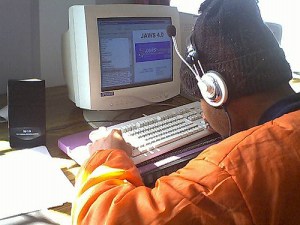
Bài nhạc hiphop ta có ở đây là bài nhạc chủ đề (theme song) của WCAG 2.0, nhằm phát động chiến dịch đưa WCAG 2.0 đến các nhà sản xuất máy móc. Trong video của bản nhạc này ta sẽ thấy computers và các máy móc người khuyết tật dùng, và nghe tiếng giọng nói computer, là giọng mà các ngưởi khiếm thị nghe khi dùng phần mềm cho người khiếm thị.

Cám ơn anh Trần Bá Thiện đã giới thiệu bản nhạc và link. Mình mong là tất cả chúng ta trên Đọt Chuối Non sẽ quan tâm hơn đến đời sống của các bạn khuyết tật. Mình cũng mong có sự đóng góp và hướng dẫn thường xuyên của các bạn khuyết tật, vì mình thì hơi sáng trong một số chuyện, nhưng thật là tù mù về các vấn đề liên hệ đến các bạn khuyết tật. Mình rất muốn được biết thêm về cảm xúc, nhu cầu, ước muốn, công việc, thử thách, và những giấc mơ của các bạn. Và mình nghĩ rằng đa số các bạn Đọt Chuối Non cũng suy nghĩ như mình. Cám ơn các bạn nhiều lắm.

Toàn văn, kể cả lời nhạc, có dưới video link. Các bạn có thể dịch như là một English Challenge hôm nay.

Chúc mọi người một ngày vui.

Mến,

Hoành
.

.

(The New) WCAG 2.0 Theme Song
“We want to show you the WCAG”
By David MacDonald

Intro by “Sharky” the ScreenReader: [Spoken]

Sharky: “W-C-A-G, WCAG, I’m a cool DJ, SHARKY, SH-SH-SH-SHARKY, Hey I’m going crazy with this cool beat, I have much better rythym since you installed that new quantizing program. Do you want to dance?

David: No Sharky, we’ve got to get going on this song, you can dance while I sing but don’t pull yourself out of the wall socket again.

[Singing]

we’re gonna to write a new specification
it’s gonna work with the tool of verification
gonna be accessible
gonna make it testable
WCAG, WCAG

gonna make the web understandable
make it perceivable write it tangible
when its interoperable
the web will be unstoppable
WCAG, WCAG

We’re gonna show you the WCAG
We’re going to show you what this world can be
We’re going to show you the WCAG
It’s not a heavy load
to open up your code
and write the WCAG, WCAG

[Spoken]

Sharky: Hey David, I heard a guy on TV say that he’s the fastest rapper in the world, but I blow him away, watch this…[Sharky raps at 250 words a minute, then back to normal speed]…I’m a cool DJ, Sharky, WCAG…How’s that David, am I a cool rapper now?

David: Sharky, I couldn’t understand a word you said.

Sharky: Most of my blind friends understand everything I speak at that speed, would … you… like… me…to…speak…really…slow…for…you…David?

David: Very funny, c’mon let’s do this verse.

[Singing]

We’re gonna make the web a better place
For every ability and every race
Even if you’re surfing from outer space
you’ve got the WCAG, WCAG

Repeat Chorus

David Raps (uhh sort of):
So let me tell you what the WCAG is and what the WCAG’s not
The WCAG is a set of tools
Comes with a set of rules
Helps your web site
Come to life
For people with other abilities
And sensabilities
So when they hit you online
They can have a good time
Don’t matter if they’re blind
Or if they have to sign
Or if their hands start to shake
With every move they make
They can easily figure out
What you are talking about
When you follow the principles that we’re gonna lay out

Sharky:
Principle 1: Content must be Perceivable
Principle 2: Content and controls must be Understandable
Principle 3: Interface elements in the content must by Operable
Principle 4: Content must be Robust, enough to work with current and future technologies

[spoken]

Sharky:Hey your music is much more funky since you moved out of the suburbs and started hanging out downtown on street corners. I like the other theme song but it sounded a bit too unplugged and I’ve never been crazy about an unplugged sound, I like techno geek music where computers do everything and humans don’t play any instruments. Ithink it is a lot more organic when music is played buy genuine computers. When humans play it sounds so unemotionable and fake.

David: We’ll that’s just because you’re a bunch of ones and zeros there big guy.

Sharky: David, that was very mean of you to say that, you know I’ve always been very sensitive out my binary genetic coding, it’s always been a source of great emotional insecurity for me.

David: Oh, c’mon Sharky, you know I love you man, and besides, you are an awesome rapper, man you should go into American Idol.

Sharky: I’m going to be a star, I can see the headlines now, Sharky wins American Idol for people with disabilities.

Daily English Discussion–Thursday, June 11, 2009

englishchallenge
Hi everyone,

Here are some news articles for our discussion today.

Internet growth corrupting the youth, say parents

The “information superhighway” is supposed to spread knowledge, but parents in poor rural communities find their children use it more for smut and video games.

It’s only 9 a.m., but groups of secondary school students between 12 and 15 years old are already huddled around computers at an Internet shop in the mostly-rural Dien Ban District, Quang Nam Province.

Some of them are watching pornography, others are chatting online.

A ninth-grader from Dung Si Dien Ngoc Secondary School, who is chatting with a local girl, tells his friend that he thinks the girl is “hot” and he’ll try to seduce her. He says he thinks she’s willing to go out with him. The subtext is that he thinks she’s willing to do much more than just go out with him.

After chatting with the girl, the boy accesses a forum of students from Da Nang. “Let’s see if the city kids have more interesting things going on than around here,” he says.

Another Internet shop nearby is packed with local students all morning. Some stand outside cursing harshly because there are no free computers. Obscenities mix with sounds of gun fire, screams and blood-splattering from the online games in the shop.

The establishment’s owner says he opened the shop nearly four years ago with 20 computers, and he often stays open until 10 p.m. He is about to buy more computers to meet higher demand during the summer.

With the province’s great outdoors – terraced rice fields, green mountains and cool swimming holes – just waiting to be explored by adventurous kids on their summer break, many youngsters will opt to sit in front of the screen and surf the net instead.

What do you say to that?
.

Students burdened by study fees
17:03′ 09/06/2009 (GMT+7)

VietNamNet Bridge – Fees for finals exams unexpectedly raised to 500,000, fines imposed if students pay tuition fees late – students are fed up with the spontaneous and high fees set by universities.

When returning to school to prepare for repeating the final exams, T and his friends at the HCM City Food Industry College were surprised when they read the college’s notice which stipulated a surprisingly high fee for the exams.

The notice said that the students of some training courses who failed the final exams last year have to pay the fee of 500,000 to repeat the final exams. Meanwhile, the fee for sitting for the final exams was 300,000 dong only in previous years.

The college stated that this would be the last exam it organised for the said students. If students do not register to sit for the exams, the college will not be responsible for any claims the students make later.

Explaining the sharp increase in the final exam fee, Doan Le Ngoc Phi Lan, who leads the training division of the college, said that the fee was set based on the regulation on internal spending which went into effect on March 1, 2009.

Lan said that the sum of money was set after the college calculated necessary expenses such as goods price increases and increases in pay of lecturers.

What do you think about the exam fees? Should school have exam fees to begin with? What is the logic for it? What if a student doesn’t have money for the exam? Is there any way for him to obtain a fee waiver from the school?

If the fee is legitimate (by common sense), then what should be a reasonable amount for the fee? How to calculate it reasonably? Is the way to calculate as described in the article good enough?
.

YESTERDAY’S CHALLENGE

Thanks, all, for translating the three Phil Collins songs. Chi Hue is a little busy but she will comment on your work when she get a chance.
.

TODAY’S CHALLENGE

We have two new articles for discussion up there, and the transcript of the WCAG 2.0 theme song video. These are good for translation exercise. Anyone wants to give it a shot?

That’s it for now. Have a great day, everyone.

Hoanh

Lao vào may rủi

takearisk
Cười là chấp nhận có thể bị xem như người điên.

Khóc là chấp nhận có thể bị xem như đa cảm.

Với tay đến người khác là chấp nhận có thể bị ràng buộc.

Tỏ bày cảm xúc là chấp nhận có thể cởi bày con người thật của mình.

Đưa ý tưởng và giấc mơ của mình cho đám đông là chấp nhận có thể mất mát.

Yêu là chấp nhận có thể không được yêu lại.

Sống là chấp nhận có thể chết.

Hy vọng là chấp nhận có thể tuyệt vọng.

Thử là chấp nhận có thể thua.

Người không chấp nhận rủi may,
không làm gì cả,
không có gì cả,
và không là gì cả.

Họ có thể tránh khổ đau và buồn rầu,
nhưng họ không thể học, không thể cảm xúc, không thể thay đổi,
không thể trưởng thành, không thể yêu, và không thể sống.

Phải chấp nhận may rủi, bởi vì
hiểm họa lớn nhất trên đời là không lao vào rủi may nào cả.

Chỉ người chấp nhận may rủi mới có tự do.

Trần Đình Hoành dịch

.
takearisk1
Take a Risk

“To laugh is to risk being a fool.
To weep is to risk appearing sentimental.
To reach out to another is to risk involvement.
To express feelings is to risk exposing your true self.
To place your ideas, your dreams, before the crowd is to risk their loss.
To love is to risk not being loved in return.
To live is to risk dying.
To hope is to risk despair.
To try is to risk failure.
The person who risks nothing,
does nothing,
has nothing,
and is nothing.
They may avoid suffering and sorrow,
but they simply cannot learn, feel, change,
grow, love or live.
Risks must be taken, because
the greatest hazard in life is to risk nothing.
Only a person who risks is free.

– Leo Buscalia

Daily English Discussion–Wednesday, June 10, 2009

englishchallenge
Hi everyone,

Here are some news items for today’s discussion.

Nation’s groundwater drained dry by out-of-control well drilling

Underground water levels have decreased remarkably over the last decade due to the reckless drilling of wells for agricultural, household and industrial use, experts warn.

A recent report by the Center for Water Resources Technology and Assessment, under the Ministry of Natural Resources and Environment, says groundwater levels are 10 meters lower in Ho Chi Minh City, and six meters lower in Hanoi than they were 10 years ago.

Professor Ngo Dinh Tuan from Hanoi Water Resources University warned that groundwater levels in the Central Highlands were sinking due to the over-irrigation of crops, mainly coffee.

A study done at the university also found that groundwater levels in the Mekong Delta had fallen to 10 meters over the last decade and could run completely dry over the next five years.

“Without proper planning, Ho Chi Minh City’s groundwater could be all used up in only 30 years,” said Huynh Le Khoa from city’s Department of Natural Resources and Environment.

Can Tho University professor Le Anh Tuan added that pollution could ruin the groundwater even before it dries out as local authorities have not kept a vigilant eye on open abandoned wells, which act as open veins through which pollution flows into groundwater.

I wonder why do people need to drill wells in the city. Does the article talk about farmers in the outskirts of the city using wells to grow vegetable, or city dwellers drilling wells for home use?

Shouldn’t we have some water management plans and regulations that also cover well drilling?
.

US, Vietnam discuss peacekeeping, counterterrorism

on Jun 8, 9:00 pm ET

WASHINGTON (AFP) – The United States and Vietnam held talks on cooperating in peacekeeping and other military affairs, taking another step to reconcile from their war, officials said.

Greg Delawie, acting assistant secretary of state for political-military affairs, and Pham Binh Minh, Vietnam’s vice minister of foreign affairs, took up a range of topics during annual talks, the State Department said.

The dialogue “confirmed the increasingly robust bilateral relationship between the United States and Vietnam,” a joint statement said.

.

I have always wanted to see Vietnam and the US cooperate on military matters, because that is the highest level of cooperation. This fits well in the improvement of the Vietnam-US relationship which I started to promote at the end of the 1980’s.
.

Return to the no-game world

VietNamNet Bridge – Nearly two months after the first 8-week computer game rehabilitation course closed, Pham Le Long, a 13-year-old game addict, and nearly 20 other gamers have escaped from their addiction to return to the real world.

“I only surf the web for around one hour a week to seek information and email my friends. I gave up games!” affirmed Long, who lived with computer games day and night before he attended the rehabilitation course held by the Southern Teenage Centre.

.

Wow! I am happy to see that they have a program to help game addicts!! Good. I love it. These kids should spend time reading Đọt Chuối Non instead.
.

YESTERDAY’S ENGLISH CHALLENGE

Thanks chi Kiêm Yến cho the good translation. You have a great way of using Vietnamese language!

Some minor notes:

“To enforce” a law means to execute the law, to arrest violators of the law; it means “thi hành”. “Ban hành” means to promulgate or to issue.

“He requested the Chinese side stop operations.” This is a good example of the use of subjunctive: “The Chinese side stop operations.” (“stop” has no S at the end).

Subjunctive is use to express a request, a wish, a hope… something that is not a fact yet.
.

TODAY’S CHALLENGE

Chị Huệ has the lyrics of three songs by Phil Collins in today’s Nhạc Xanh. Translating these lyrics into Vietnamese is a part of our daily challenge. So please feel free to translate and post them either in the page for the songs or in this English Challenge page. And chi Hue will take care of reviewing, commenting on, and doing whatever she wishes with, your comments.

Thank you everyone. Have a wonderful day.

Hoành

Học nghe

Chào các bạn,

Chỉ có hai việc chính xảy ra trong một cuộc nói chuyện hay thảo luận–đó là nói và nghe. Nhìn là phụ. Nghe quan trọng như nói. Đó là 50% của phần chính của cuộc nói chuyện. Nhưng mấy khi có lớp dạy nghe.

Sau đây là một PPS file rất hay về “Học nghe.” File này bằng tiếng Anh nhưng lại rất dễ theo dõi. Ai cũng đọc được.

Các bạn lick vào ảnh sau đây để xem và download
.

Daily English Discussion–Tuesday, June 9, 2009

Hi everyone,

Here is the news for today.
.

Government urges China to quit VN waters

Ha Noi — The foreign ministry has called the Chinese embassy in Ha Noi urging China to cease operations at sea that interfere with Vietnamese fishermen.

“The Chinese side has recently enforced an order to ban fishing in a number of areas, including some in the East Sea under Viet Nam’s sovereignty, and has increased patrols to seize fishing vessels operating in those areas,” ministry spokesman Le Dung told reporters in Ha Noi yesterday.

On Thursday, deputy foreign minister Ho Xuan Son contacted Chinese Ambassador to Viet Nam Sun Quoqiang about the situation which, he said, has been interfering with the normal activities of Vietnamese fishermen in their traditional fishing fields.

Dung said that Son told the Chinese ambassador that “this has caused indignation among the public, bringing no benefit to bilateral relations,” and he requested the Chinese side stop operations that prevent Vietnamese fishermen from going about their daily business in marine areas under Vietnamese sovereignty.

The Chinese ambassador promised to report Viet Nam’s concerns to his country’s leadership, Dung said. — VNS

What should we say to our big brother? Let’s talk? Let’s go to court?
.

Mekong residents donate land to build new schools

(08-06-2009)

CA MAU — More than 40 families in the Cuu Long (Mekong) Delta province of Ca Mau have donated nearly 100,000sq. m of land to build schools in Cai Nuoc District.

The donations will be used for schools and teacher housing.

Over the last 10 years, 49 families in the province’s U Minh District have donated about 82,000sq.m of land for the public service.

Local resident Cao Thuan Phong donated 12,000sq.m of his family farm to build Khanh Lam High School.

Nguyen Van Viet, a poor farmer in the Cuu Long Delta province of Vinh Long, has offered 303.8 sq. m of land to build a clean water supply station and the station’s 40 metre entrance road. — VNS

Wow! This is so wonderful. What do we say to that?
.

VOA SPECIAL ENGLISH DEVELOPMENT REPORT

Putting a Price on the Cost of Forced Labor

This report is in writing. To listen as you read, click on “MP3 – Stream (MP3)” on the right column.
.

FLASHCARDS FOR ENGLISH


.

TODAY’S CHALLENGE

Below is the news article we have above for our discussion. Please translate it into Vietnamese.

Government urges China to quit VN waters

Ha Noi — The foreign ministry has called the Chinese embassy in Ha Noi urging China to cease operations at sea that interfere with Vietnamese fishermen.

“The Chinese side has recently enforced an order to ban fishing in a number of areas, including some in the East Sea under Viet Nam’s sovereignty, and has increased patrols to seize fishing vessels operating in those areas,” ministry spokesman Le Dung told reporters in Ha Noi yesterday.

On Thursday, deputy foreign minister Ho Xuan Son contacted Chinese Ambassador to Viet Nam Sun Quoqiang about the situation which, he said, has been interfering with the normal activities of Vietnamese fishermen in their traditional fishing fields.

Dung said that Son told the Chinese ambassador that “this has caused indignation among the public, bringing no benefit to bilateral relations,” and he requested the Chinese side stop operations that prevent Vietnamese fishermen from going about their daily business in marine areas under Vietnamese sovereignty.

The Chinese ambassador promised to report Viet Nam’s concerns to his country’s leadership, Dung said. — VNS

.

That’s it, everyone. Let’s have fun together. No stress.

Have a great day!

Hoành

Kỷ niệm 65 năm ngày “D-day” quân Đồng minh đổ bộ Normandy

Chào các bạn thứ bảy (6/6/2009) là 65 năm kỷ niệm ngày quân đồng minh đổ bộ lên bờ biển Normandy của Pháp ngày 6/6/1944), bắt đầu cuộc phản công chống Phát-Xít Đức (và khối Trục), và cuối cùng là giải phóng Âu châu và toàn thể thế giới. Chấm dứt Thế Chiến II.

Các bạn có thể nhấn ảnh tầu chiến dưới đây để xem chùm ảnh cuộc đổ bộ đó.

Đồng thời, để có thể ôn lại (hay bắt đầu học), một cách thoải mái và thích thú, toàn cảnh Thế Chiến II xảy ra thế nào từ 11/1942 đến 5/1945, các bạn có thể click vào ảnh thứ hai dưới đây để xem PPS file. Rất tốt để ôn lại lich sử trong vài phút.

Chúc các bạn một ngày vui vẻ.

Hoành
.

Chùm ảnh D-day (Đổ bộ Normandy)

wwII
.

PPS file Toàn cảnh Thế Chiến II (Khi xem, click vào mũi tên để đổi trang)

Daily English Discussion–Monday, June 8, 2009

englishchallenge

Hi everyone,

As mentioned last week, today we have a new category called “Daily English Discussion” (Thảo luận bằng tiếng Anh) and our Daily English Challenge is still here, in the second half of this page. Let’s experiment with this for a while to see how things will go. We will refine our working process as we go along.

Let’s hope that everyone will jump in with enthusiasm and make this project full of fun.

Today there are a number of news items. Let’s read the news and then comment, argue or expand on it, or do whatever with it as we see fit 🙂

1). VN makes top 10 for outsourcing. HCM CITY — Viet Nam ranks as one of the 10 most attractive destinations in the offshoring industry, according to a report recently released by the global management consulting firm A.T. Kearney.

“Viet Nam is a country to watch as it has climbed the rankings nine spots into the 10th place since 2007,” according to the report The Geography of Offshoring is Shifting.

This was the biggest change in the Global Services Location Index rankings among Southeast Asian countries.

(Chị Loan Subaru must be proud about this. What do you say about this, Loan?)
.

2). HCMC drainage projects outdated before completion: experts

May 18, 2009

An unforeseen increase in rainfall and tide levels may reduce the effectiveness of major water drainage projects underway in Ho Chi Minh City, experts warn.

The projects are based on old hydrometeorology statistics and will likely fail to handle the actual amount of rain in the city, where flooding remains a major concern, said Ho Long Phi of the HCMC University of Technology.

Three water drainage projects are currently under construction in HCMC with a total investment of nearly US$800 million. The construction of the projects, including around 100 kilometers of street barriers erected for a new sewage system, has caused numerous gridlocks on HCMC roads.

Lately the folks in Saigon got constant problems with flooding on the streets. Obviously the HCMC does have enough water drainage capacity. Are we building too many structures too fast on the ground and not building enough water drainage system for it?

What should we say to the city leaders?

.

3). You are talking to your 12 year-old daughter/sister Hoa, and you tell her this: “Hoa, if there is only ONE thing in this life I would like you to remember, it is …..”

Please fill in the blank to continue your conversation, as long as you want.

.

TODAY’S ENGLISH CHALLENGE

Below is an excerpt from the speech “I’ve been to the mountaintop” by Martin Luther King. Please translate it into Vietnamese.

Something is happening in our world. The masses of people are rising up. And wherever they are assembled today, whether they are in Johannesburg, South Africa; Nairobi, Kenya; Accra, Ghana; New York City; Atlanta, Georgia; Jackson, Mississippi; or Memphis, Tennessee — the cry is always the same: “We want to be free.”

And another reason that I’m happy to live in this period is that we have been forced to a point where we are going to have to grapple with the problems that men have been trying to grapple with through history, but the demands didn’t force them to do it. Survival demands that we grapple with them. Men, for years now, have been talking about war and peace. But now, no longer can they just talk about it. It is no longer a choice between violence and nonviolence in this world; it’s nonviolence or nonexistence. That is where we are today.

Have fun and have a wonderful day, everyone.

Hoanh