A programmer works on computers in an IT office. Photo by Shutterstock/ProStockStudio
Having worked for a large foreign technology corporation in Hanoi for more than five years, data analysis expert Le Thai Ha was shocked to get suddenly fired recently.
“Because the tech market has fluctuated a lot, our corporation officially announced a mass layoff, mostly of senior positions, including mine,” she said.
Despite being aware of the difficulties of the market in general, and of the corporation in particular, its decision to cut back was still a big surprise to Ha.
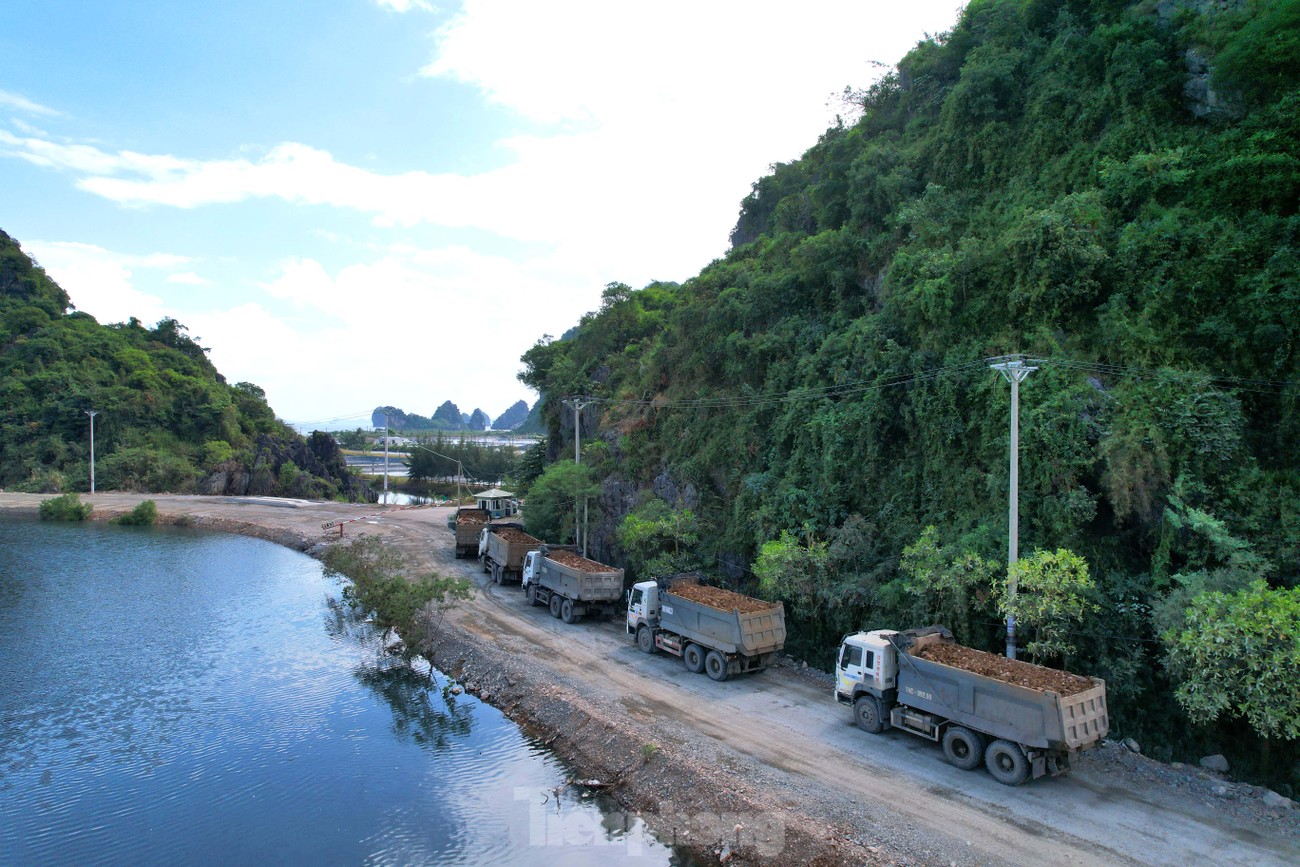
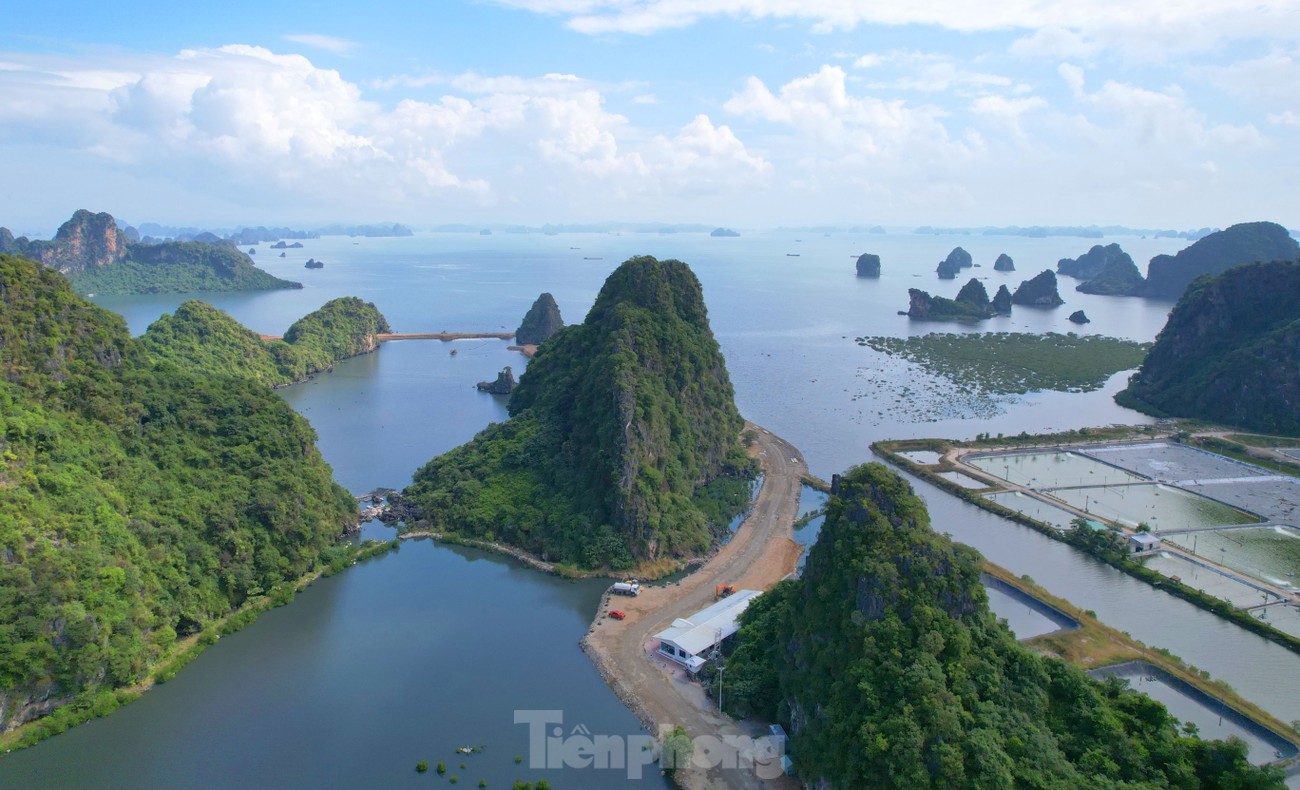
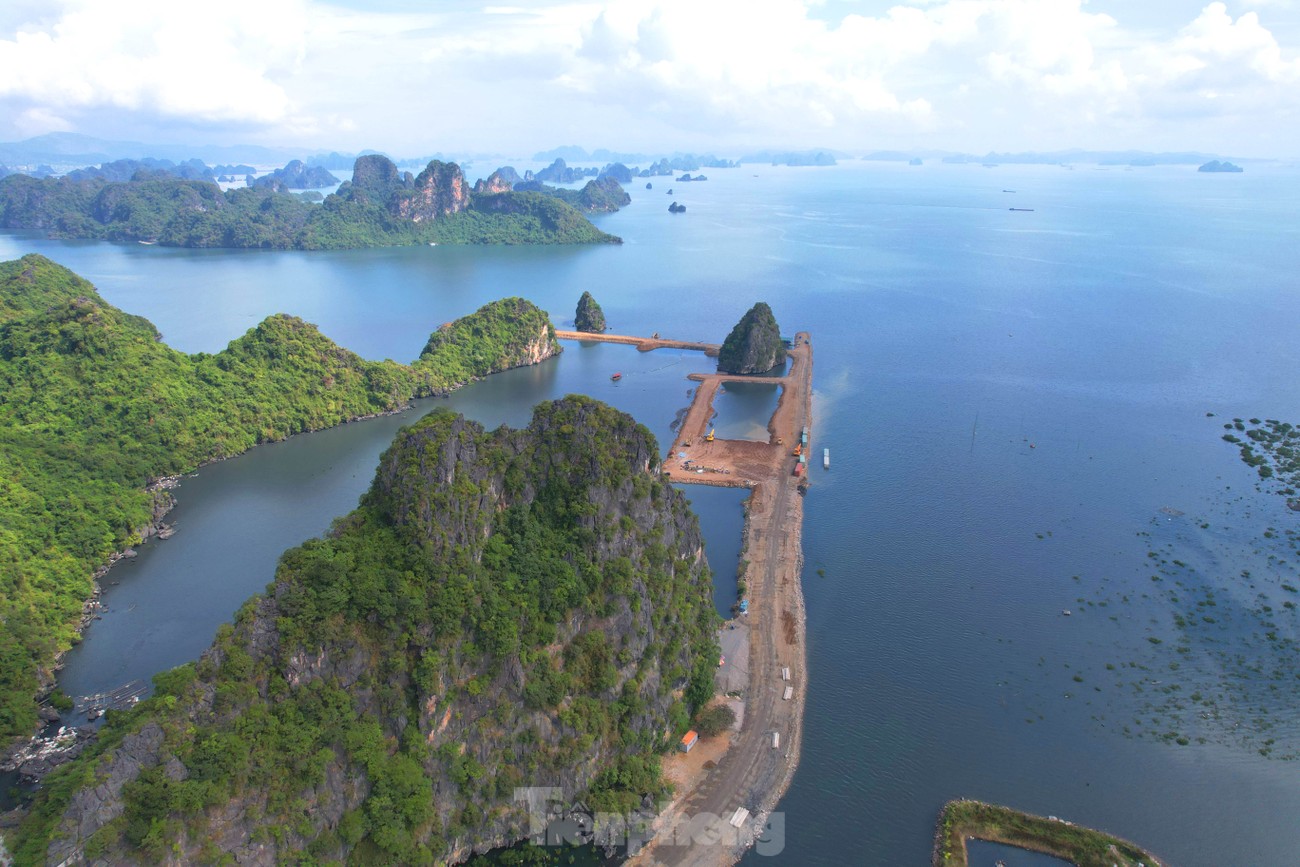
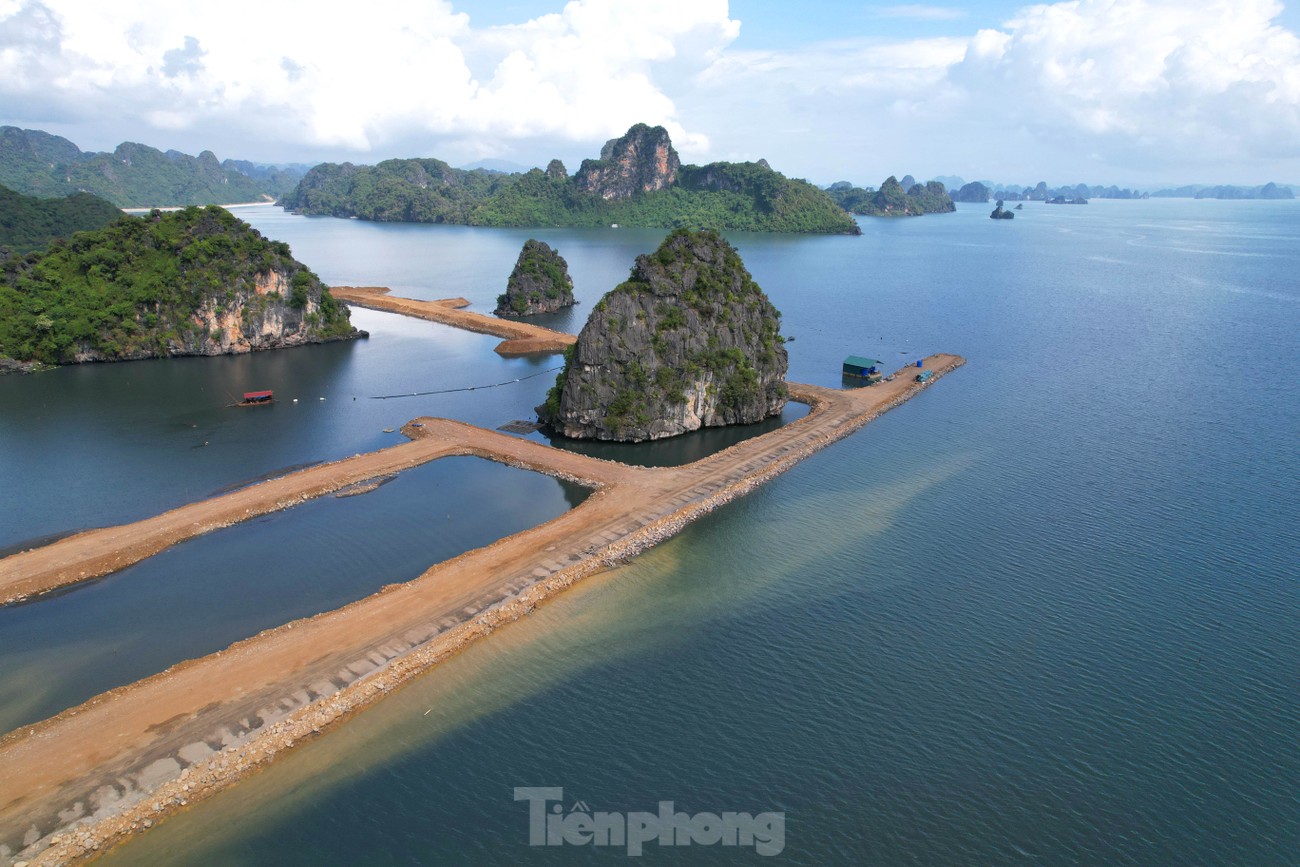
TPO – Hàng loạt núi đá di sản vịnh Hạ Long (Quảng Ninh) đang bị một dự án quy mô quây kín. Trao đổi với Tiền Phong, đại diện lãnh đạo Ban Quản lý vịnh Hạ Long khẳng định vị trí thực hiện dự án nằm trong vùng đệm của vịnh Hạ Long.
Nhiều ngày nay, khu vực phường Quang Hanh, TP Cẩm Phả (Quảng Ninh) xuất hiện hàng đoàn xe chở đất đá san lấp dự án. Đoàn xe ‘hổ vồ’ này không hề có bạt che phủ khi lưu thông trên đường và có dấu hiệu quá tải.
Theo tìm hiểu, đây là dự án Khu đô thị 10B, được UBND tỉnh Quảng Ninh phê duyệt năm 2021. Hiện dự án đang được triển khai thực hiện.
Điều đặc biệt, dự án này lấn ra vịnh Hạ Long cả cây số tính từ đường bao biển Hạ Long – Cẩm Phả.
FILE – Thousands of Moroccans take part in a protest in solidarity with Palestinians in Gaza and against normalisation with Israel, in Casablanca, Morocco, Sunday, Oct. 29, 2023. Countries in the Middle East that have normalized or are considering normalizing relations with Israel are coming under growing public pressure to cut those ties because of Israel’s war with Hamas. The protesters’ demands present an uncomfortable dilemma for governments that have enjoyed the benefits of closer military and economic ties with Israel in recent years. (AP Photo/Mosa’ab Elshamy, File)Read More
2 of 4 |
FILE – Thousands of Moroccans take part in a protest in solidarity with Palestinians in Gaza and against normalisation with Israel, in Casablanca, Morocco, Sunday, Oct. 29, 2023. Countries in the Middle East that have normalized or are considering normalizing relations with Israel are coming under growing public pressure to cut those ties because of Israel’s war with Hamas. The protesters’ demands present an uncomfortable dilemma for governments that have enjoyed the benefits of closer military and economic ties with Israel in recent years. (AP Photo/Mosa’ab Elshamy)Read More
3 of 4 |
FILE – Protesters shout anti-Israel slogans during a rally to show solidarity with the people of Gaza after Friday prayers at Azhar mosque, the Sunni Muslim world’s premier Islamic institution, in Cairo, Egypt, Friday, Oct. 20, 2023. Countries in the Middle East that have normalized or are considering normalizing relations with Israel are coming under growing public pressure to cut those ties because of Israel’s war with Hamas. The protesters’ demands present an uncomfortable dilemma for governments that have enjoyed the benefits of closer military and economic ties with Israel in recent years. (AP Photo/Amr Nabil, File)Read More
4 of 4 |
FILE – Protesters shout anti-Israel slogans during a rally to show solidarity with the people of Gaza after Friday prayers at Azhar mosque, the Sunni Muslim world’s premier Islamic institution, in Cairo, Egypt, Friday, Oct. 20, 2023. Countries in the Middle East that have normalized or are considering normalizing relations with Israel are coming under growing public pressure to cut those ties because of Israel’s war with Hamas. The protesters’ demands present an uncomfortable dilemma for governments that have enjoyed the benefits of closer military and economic ties with Israel in recent years. (AP Photo/Amr Nabil, File)Read More
BY SAM METZUpdated 4:49 AM GMT+7, November 2, 2023 AP
RABAT, Morocco (AP) — Arab nations that have normalized or are considering improving relations with Israel are coming under growing public pressure to cut those ties because of Israel’s war with Hamas.
Tens of thousands of people have taken to the streets of Rabat and other Moroccan cities in support of the Palestinians. In Bahrain — a country that almost never allows protest — police stood by as hundreds of people marched last month, waving flags and gathering in front of the Israeli Embassy in Manama.
The demonstrations, which mirror protests across the Middle East, present an uncomfortable dilemma for governments that have enjoyed the benefits of closer military and economic ties with Israel in recent years.
Some 70 countries are in or at risk of debt distress – a record number that has the World Bank sounding the alarm. Debt defaults by these emerging and developing countries could lead the world into a global financial crisis perhaps even on par with the Great Depression of 1929. The pattern is clear from three previous debt waves: the Latin American debt crisis of the 1980s, Asian financial crisis of the 1990s, and the global financial crisis triggered by the 2007 US subprime crisis.
00:00 Intro & three previous debt waves 01:16 The fourth debt wave 02:07 Countries in debt: Sri Lanka, Pakistan, Egypt, Lebanon, Laos 03:40 Impact on education, healthcare 04:21 How did the debt crisis start? 05:19 China’s Belt & Road Initiative 06:12 Climate change and debt
How Do Scammers Take Over Your Phone And Steal Your Money? – Part 1/2
Ever scroll through your social media and come across an advertisement for food or cleaning service? But an innocent ad could turn insidious when the seller asks you to download an app to place an order or booking. Since the start of this year, some 750 people have lost a combined total of over S$10 million to malware app scams. In this episode, host Steven Chia investigates how these scams work and attempts to bait a scammer himself.
President Joe Biden visited Hanoi in September and announced that the United States and Vietnam had upgraded relations from a “comprehensive partnership” to a “comprehensive strategic partnership.” Washington and Hanoi agreed to deepen cooperation in areas of diplomacy, trade, investment, and collaboration in the areas of artificial intelligence, R&D, governance, health and medical science, climate science, biotechnology, and conservation. Yet despite the pledges of cooperation and partnership, economic, security, and political factors limit full expression of the enhanced partnership.
China’s Belt And Road: Future Opportunities For Singapore? | Singapore & The BRI | Full Episode
CNA Insider -20-10-2023
2023 marks the 10th anniversary of China’s Belt and Road Initiative. As the BRI continues to evolve, opportunities for Singapore remain in the areas of infrastructure expertise and legal services and are emerging in green innovations, green financing sectors. In the next decade, how can Singapore continue to tap on its strengths as a global trading, innovation, financial and legal hub to forge its own paths in the BRI?
The figure was released at a meeting on works of foreign NGOs that took place in Ha Noi on August 23.
According to the 2022 report, 388 foreign NGOs have been operating in Viet Nam, including 148 from Europe, 118 from Asia-Pacific, and 122 from North America.
The value of foreign NGO aid disbursed to Viet Nam in 2022 reached more than US$223.7 million, down by nearly US$10 million compared to 2021 and equivalent to the level in 2020.
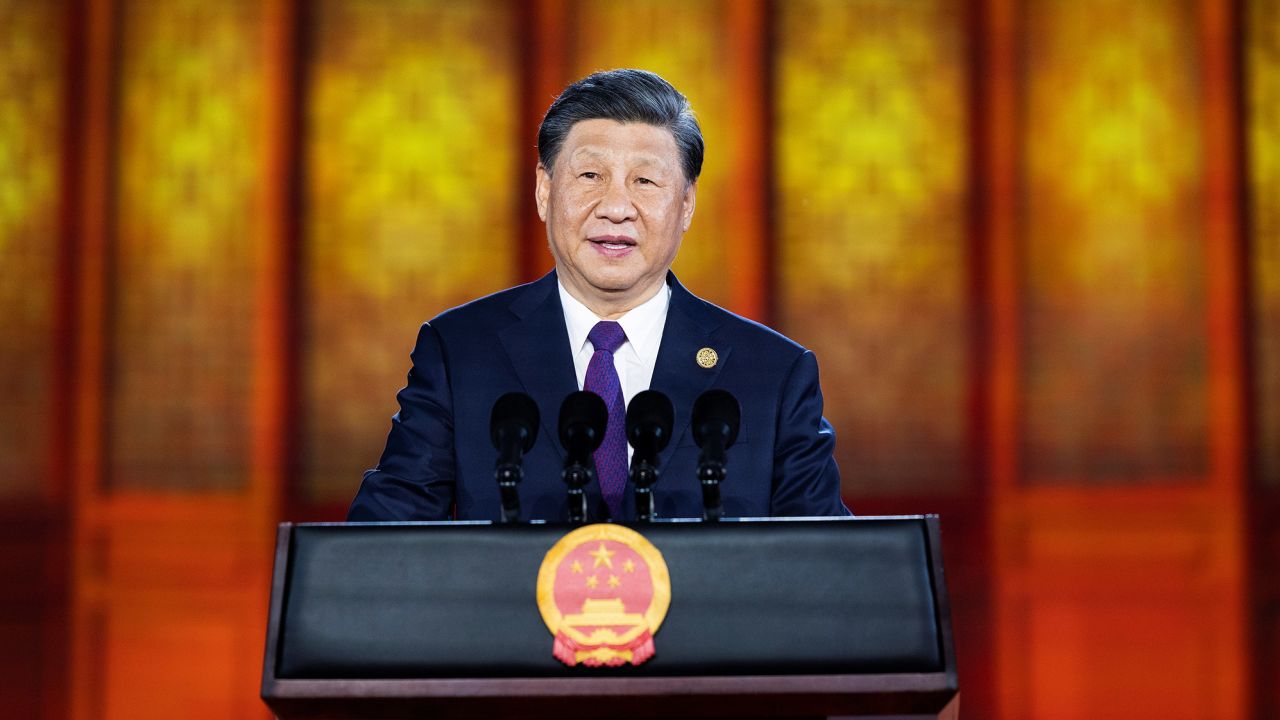
Chinese leader Xi Jinping speaks at the China-Central Asia Summit held this past May in Xi’an.Huang Jingwen/Xinhua/Getty Images
BeijingCNN — Chinese leader Xi Jinping is gathering world leaders in Beijing this week for a high profile forum with a clear set of goals: laud China’s role backing economic development over the past decade and project its expanding ambitions as an alternative global leader to the United States.
That bid takes on heightened significance as renewed conflict in Israel and Gaza threatens to trigger broader instability in the Middle East, a region where the US is the traditional power broker, but China has been growing its influence and efforts to play a role in peace.
A $6 billion Chinese-built railway in Laos is transforming a small town on the border of China, easing transportation and promising new products for export. The 262-mile rail line is a key part of China’s Belt and Road Initiative, aimed at upgrading trade and transport networks from Africa to the Pacific. China is looking to link its companies with new overseas markets while Laos has hopes of growing a robust export market. But what are the costs of developing this massive infrastructure? WSJ explores the ambition behind China’s envisioned rail network, the economic implications for Laos and challenges as other railways eye development.
Urgent action is needed to breath new life into Cửa Vạn and Vung Viêng fishing villages.
A view of conservation area of Vung Viêng fishing village in Hạ Long Bay. VNA/VNS Photo
QUẢNG NINH – Cửa Vạn and Vung Viêng, two renowned fishing villages located in Hạ Long Bay in northern Quảng Ninh Province, are facing severe deterioration, with some structures slowly sinking into the sea.
Phần lớn người khuyết tật Việt Nam sống ở vùng nông thôn, có cuộc sống rất khó khăn, đặc biệt là người khuyết tật bị ảnh hưởng bởi chất độc da cam/dioxin trong chiến tranh
Lễ kỷ niệm 30 năm Ngày Quốc tế về người khuyết tật (3/12). (Ảnh: Hoàng Hiếu/TTXVN)
Hiện nay Việt Nam có khoảng 7 triệu người khuyết tật, chiếm hơn 7,06% dân số từ 2 tuổi trở lên, trong đó người khuyết tật nặng và đặc biệt nặng chiếm khoảng 28,9%, khoảng 10% người khuyết tật thuộc hộ nghèo. Số liệu này cho thấy, Việt Nam là một trong những nước có tỷ lệ người khuyết tật khá cao so với tổng dân số trong khu vực châu Á-Thái Bình Dương.
An 87-year-old man came to the Bình Thạnh District Police in HCM City last Monday morning to report a fraud related to bonds allegedly committed by one of Việt Nam’s largest property developers.
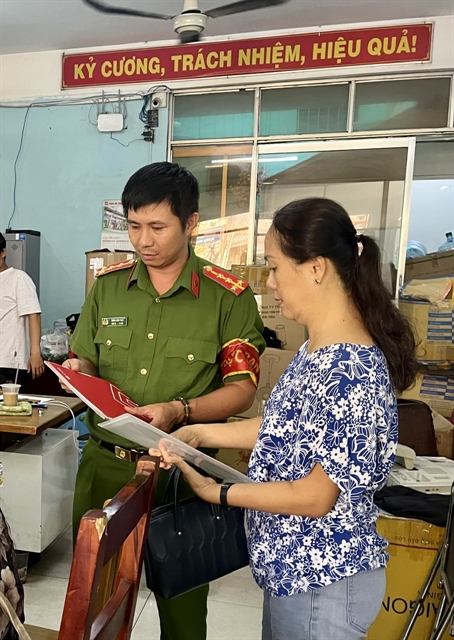
Trần Bữu Nữu, an officer belonging to the Bình Thạnh District police in HCM City, helps a victim make a complaint against Saigon Commercial Bank (SCB) where she had bought the bonds. VNS Photo Bồ Xuân Hiệp
VNE – By Minh Minh October 7, 2023 | 07:00 am GMT+7
Two children are on a bus with the elderly as they are evacuated from storm Noru in Vietnam’s central province of Quang Nam in September 2022. Photo by VnExpress/Dac Thanh
Around 930,000 children in Vietnam were displaced due to hazards such as floods, storms and drought between 2016 and 2021, among the 10 highest numbers of 44 countries surveyed by UNICEF.





.jpg)


 Đọt Chuối Non