Tag Archives: Biển Đông

Hai gọng kìm Quad và AUKUS có thực sự lợi hại trong kiềm chế Trung Quốc trên biển?

VOV –  28/09/2021 – 10:17

Dù không chính thức công khai mục tiêu chính, cả AUKUS và Quad đều liên hệ gắn bó với nhau và cùng nhắm tới kiềm chế sự trỗi dậy và các tham vọng của Trung Quốc trên biển. Hai khối này như 2 gọng kìm kết hợp sức mạnh quân sự và sức mạnh kinh tế ở khu vực Ấn Độ Dương, Thái Bình Dương.

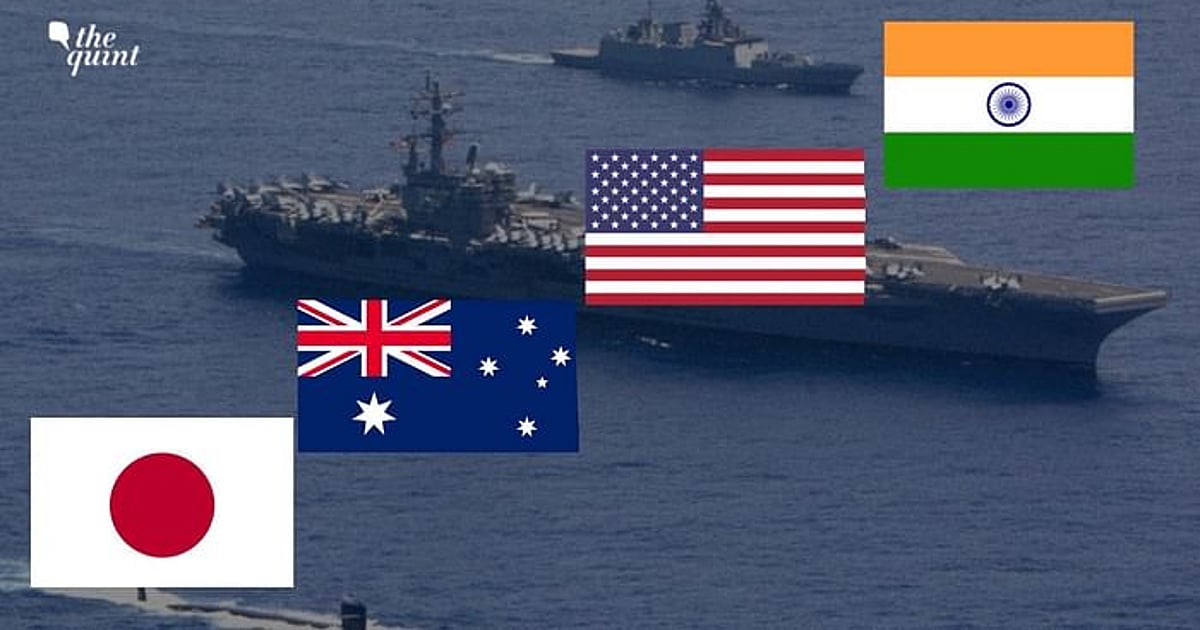
Ngay sau khi thành lập một liên minh chiến lược (AUKUS) bao gồm Australia, Anh, và Mỹ, Tổng thống Joe Biden đã có cuộc gặp trực tiếp đầu tiên tại Nhà Trắng với 3 vị thủ tướng: Scott Morrison (Australia), Suga Yoshihide (Nhật Bản), và Narendra Modi (Ấn Độ) – đây là các đồng minh của Mỹ trong nhóm Bộ Tứ (Đối thoại An ninh Bốn Bên Quad).

Căn cứ quân sự Diego Garcia của Mỹ nhìn từ trên không. Mỹ thuê đảo này của Anh ở Ấn Độ Dương. Ảnh: Facebook.

Tại cuộc họp trên, ông Biden khẳng định Quad hoàn toàn khác với AUKUS. Theo các thông cáo chính thức thì cuộc họp thượng đỉnh của Quad tại Nhà Trắng chủ yếu là về chuyện vaccine Covid-19, chất bán dẫn, và thúc đẩy “nhận thức về lĩnh vực hàng hải”.

Continue reading Hai gọng kìm Quad và AUKUS có thực sự lợi hại trong kiềm chế Trung Quốc trên biển?

Beijing more than just a ‘worse violator’ in S China Sea

Three Vietnamese academics take strong issue with a recent Asia Times op-ed

By TRAN HUU DUY MINHHOANG THI NGOC ANH And NGUYEN HAI DUYEN

SEPTEMBER 28, 2021

Chinese fishing vessels set sail for the Spratly Islands. Photo: AFP
In an article recently published by Asia Times, Mark Valencia claims that China is not the only wrongdoer in the South China Sea but Vietnam is as well. This view misinterprets the policy of China in the South China Sea.

China has not only violated the maritime rights of other states but also systemically rejects the United Nations Convention on the Law of the Sea.

China maintains maritime claims that are clearly inconsistent with UNCLOS. It denies the awards of the South China Sea Arbitration, which are final and binding. It utilizes the advantages of a more powerful country to realize aggressively its unlawful maritime claims in the South China Sea and to disturb the normal and lawful exploitation of other states’ resources in their maritime zones.

Continue reading Beijing more than just a ‘worse violator’ in S China Sea

The Quad’s Growing Unity in Rhetoric and Goals

Quad's Focus on Indo-Pacific & Taiwan Shows Growing Unity Against China |  OPINION

Pacific Forum

Over the past year, China has adopted an increasingly forward-looking defense posture. It has flown its fighter jets over Taiwan, built air bases in the territories bordering India and, most recently, voiced its opposition to Australia buying nuclear-powered submarines from the United States and United Kingdom.

Not so long ago, China’s Foreign Minister, Wang Yi, denigrated the Quadrilateral Security Dialogue (or “Quad”) grouping, saying it would “dissipate like sea foam” in the Indian Ocean, and called it nothing more than a “headline-grabbing” exercise.

It is worth pondering why a “dissipating sea foam” suddenly warrants such a proactive defense posture.

Following in Trump’s footsteps

For starters, Quad nations have begun to turn words into action. Australia cancelled port projects that were part of the Belt and Road Initiative (BRI), embarked on a mission to find alternative markets for its exports, and cemented ties with India and the United States, taking the initiative to diversify its supply chains. India went a step further and instituted Foreign Direct Investment rules that selectively kept Chinese investment out. This measure aided in fulfilling the Modi administration’s Atmanirbhar Bharat (“self-reliant India”) goals, while simultaneously reducing the Indian economy’s over-reliance on Chinese imports.

Continue reading The Quad’s Growing Unity in Rhetoric and Goals

Tiếng nói chung của thế giới về Biển Đông

Biên Phòng – Thanh Trúc 26/09/2021 – 14:13

Mới đây, Mỹ và Australia đã tiến hành cuộc tham vấn thường niên theo cơ chế “2+2” lần thứ 31, trong đó nhấn mạnh tới những quan ngại về Biển Đông, cũng như đề cao việc thượng tôn luật pháp quốc tế, bao gồm Công ước Liên hợp quốc về Luật Biển năm 1982 (UNCLOS).

(Từ trái qua phải) Bộ trưởng Quốc phòng Australia Peter Dutton, Ngoại trưởng Australia Marise Payne, Ngoại trưởng Mỹ Anthony Blinken, Bộ trưởng Quốc phòng Mỹ Lloyd Austin trong cuộc gặp tại Thủ đô Washington, Mỹ trong tuần trước. Ảnh: REUTERS

Continue reading Tiếng nói chung của thế giới về Biển Đông

‘Here to stay’: Indo-Pacific Quad leaders to meet at White House

First in-person leader meet of US, Japan, India and Australia grouping signals ‘durability’ despite differences.

The so-called 'Quad' grouping will hold its first in-person leaders meeting on Friday [File: Kiyoshi Ota/Reuters]
The so-called ‘Quad’ grouping will hold its first in-person leaders meeting on Friday [File: Kiyoshi Ota/Reuters]

By Joseph Stepansky 23 Sep 2021, Al Jazeera

The leaders of the United States, Japan, India and Australia will meet on Friday for their first in-person person summit of the Indo-Pacific Quadrilateral Security Dialogue, or so-called “Quad” grouping.

The informal arrangement, with the countries first working together in response to the 2004 Indian Ocean earthquake and tsunami, has increasingly solidified since 2017. It has been fuelled by consecutive US administration’s policies towards China, and aided in no small part by individual tensions between Tokyo, Canberra, New Delhi with Beijing.

Continue reading ‘Here to stay’: Indo-Pacific Quad leaders to meet at White House

Chiến lược cảng biển của Trung Quốc khiến Mỹ “ngồi trên đống lửa”: Mạng lưới trải rộng hơn 60 quốc gia

soha –  Lưu Bình – 19/09/2021 – 15:28

Trong những năm gần đây, Mỹ đã nhiều lần bày tỏ lo ngại về việc Trung Quốc tiếp quản các cảng biển quan trọng trên Biển Địa Trung Hải.

Chiến lược cảng biển của Trung Quốc khiến Mỹ "ngồi trên đống lửa": Mạng  lưới trải rộng hơn 60 quốc gia
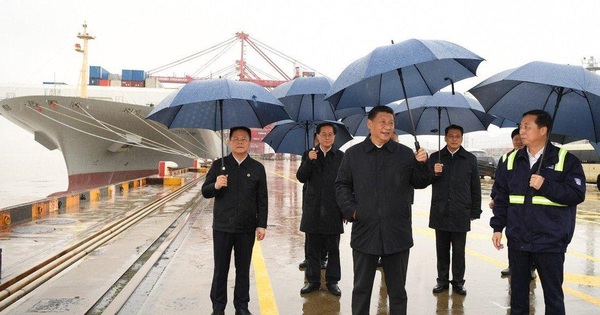
Chủ tịch Trung Quốc Tập Cận Bình thực hiện chuyến thăm tới cảng Châu Sơn Ninh Ba, tỉnh Chiết Giang, miền đông Trung Quốc. Ảnh: Xinhua

Đầu tháng 8/2021, một nhân viên của cảng Ninh Ba, Trung Quốc bị phát hiện nhiễm virus Covid-19, nhà chức trách đã từng đình chỉ hoạt động vận hành của cảng này, dẫn đến sự chấn động trong ngành vận tải biển toàn cầu. Sự cố này làm nổi bật sự mong manh của chuỗi cung ứng toàn cầu và tầm quan trọng của các cảng trong nền kinh tế thế giới ngày nay.

80% thương mại toàn cầu được hoàn thành bằng đường biển và các cảng là đầu mối của giao thông vận tải đường biển. Trung Quốc không chỉ có 7 trong số 10 cảng hàng đầu thế giới tại chính lãnh thổ của họ, Bắc Kinh còn thông qua các doanh nghiệp nhà nước tiến hành đầu tư xây dựng các cảng, hỗ trợ xây dựng hoặc cho thuê ở ít nhất 60 quốc gia.

Continue reading Chiến lược cảng biển của Trung Quốc khiến Mỹ “ngồi trên đống lửa”: Mạng lưới trải rộng hơn 60 quốc gia

EU Strategy for Cooperation in the Indo-Pacific


SOTEU Banner

Opinion – The Coming of Age of the European Union's Indo-Pacific Strategy

On 19 April 2021, the Council adopted conclusions on an EU Strategy for cooperation in the Indo-Pacific [1]. As a follow-up to the Council conclusions, the Commission and the High Representative presented a Joint Communication on the EU’s Indo-Pacific Strategy on 16 September 2021.

Why an EU Strategy for cooperation in the Indo-Pacific?

The Indo-Pacific region is increasingly becoming strategically important for the EU. The region’s growing economic, demographic, and political weight makes it a key player in shaping the international order and in addressing global challenges.

The EU and the Indo-Pacific are highly interconnected. The EU is already the top investor, the leading development cooperation partner and one of the biggest trading partners in the Indo-Pacific region. Together, the Indo-Pacific and Europe hold over 70% of the global trade in goods and services, as well as over 60% of foreign direct investment flows.

Continue reading EU Strategy for Cooperation in the Indo-Pacific

Why Aukus is welcome in the Indo-Pacific

America’s efforts to strengthen deterrence of China are gathering momentum
GIDEON RACHMAN

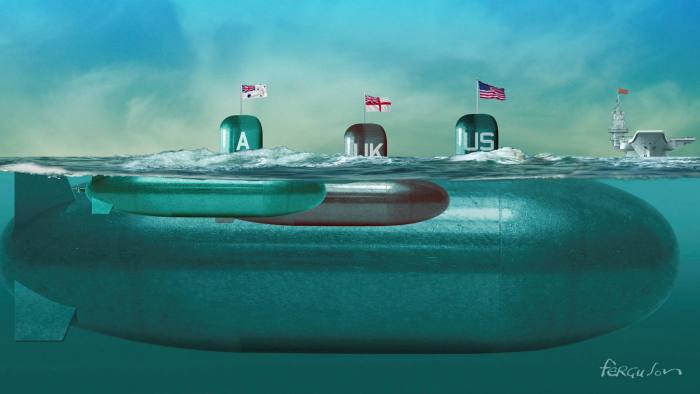
James Ferguson illustration of Gideon Rachman column ‘Why Aukus is welcome in the Indo-Pacific’

© James Ferguson

The Australia-UK-US security pact — Aukus — has been greeted with rage in China and France. But more significant than the flamboyant anger in Beijing and Paris are the countries that are quietly applauding the agreement.

The many Indo-Pacific nations that are worried by China’s increasing belligerence look to America, not France, to balance Chinese power. Japan and India, the two largest economies in the region outside China, have welcomed Aukus. Later this week, the White House will host a summit meeting of the leaders of the Quad — the US, India, Japan and Australia. Week by week, the US is visibly strengthening its network of security relationships across the Indo-Pacific.

Continue reading Why Aukus is welcome in the Indo-Pacific

What are the regional reactions to the new US-UK-Australia security pact?

By Mike Yeo Saturday, Sep 18 Defenseews

(fpm/Getty Images)

MELBOURNE, Australia — China has lashed out at plans by Australia to forge a closer alliance with the United States and the United Kingdom, which includes the sharing of nuclear-powered submarine technology. But other Indo-Pacific nations are reacting more cautiously.

Speaking during a news conference, Chinese Foreign Ministry spokesman Zhao Lijian said the nuclear-powered submarine cooperation “has seriously undermined regional peace and stability, intensified the arms race and undermined international nonproliferation efforts.”

Continue reading What are the regional reactions to the new US-UK-Australia security pact?

US, UK and Australia announce Indo-Pacific defense partnership

DW

AUSTRALIA | The Levant

The US and UK will share nuclear-powered submarine technology with Australia as part of the new three-way defensive alliance. The move comes amid tense relations with China.

The leaders of Australia, the UK, and the US announced the formation of a new Indo-Pacific security alliance on Wednesday, which will include the sharing of nuclear-powered submarine technology.

The partnership will see the three countries share technology to improve their defensive capabilities, including cyber security, artificial intelligence and underwater systems.

Continue reading US, UK and Australia announce Indo-Pacific defense partnership

Treasured maps show Paracels and Spratlys belong to Việt Nam

VNN –  September, 13/2021 – 08:30|

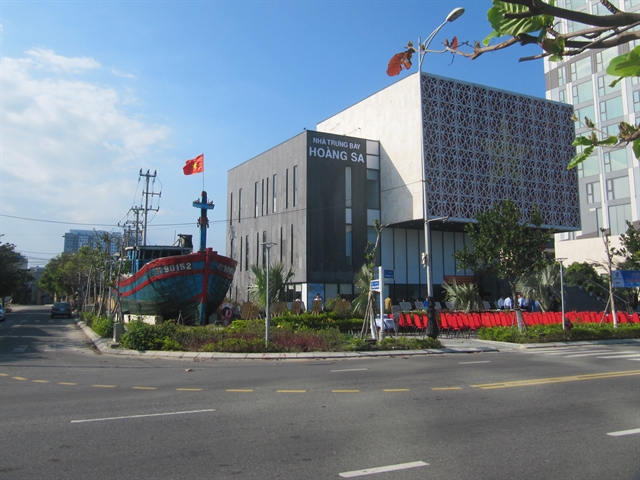
Hoàng Sa Museum in Đà Nẵng keeps and exhibits over 400 documents, photos and ancient maps of the Hoàng Sa Islands of Việt Nam. All the maps clearly show the southernmost point of China stops at Hainan Island. VNS Photo Công Thành 

The Hoàng Sa Museum, on the coast of Sơn Trà peninsula, Ðà Nẵng City, is a unique site preserving documents and other artefacts about Việt Nam’s sovereignty over the Hoàng Sa (Paracel) and Trường Sa (Spratly) archipelagos.

The museum displays over 400 maps, documents and photos, of which 150 are ancient maps showing the country’s sovereignty over the two archipelagos from the 16th to 19th century.

Continue reading Treasured maps show Paracels and Spratlys belong to Việt Nam

Ba điểm đáng chú ý trong Luật An toàn giao thông hàng hải mới của Trung Quốc

Nghiên cứu Biển Đông – 12/09/2021 – 16:51

Trong bối cảnh Luật Hải cảnh mới có hiệu lực đầu năm nay vẫn còn chưa hết gây tranh cãi, các quốc gia xung quanh lại nhanh chóng phải đặt tiếp câu hỏi: Luật 9/2021 có điểm gì mới? Bắc Kinh sẽ áp dụng Luật này như thế nào và ở đâu?

Ba điểm đáng chú ý trong Luật An toàn giao thông hàng hải mới của Trung Quốc

Tác giả: Hoàng Lan

Ngày 1/9/2021, Luật An toàn giao thông hàng hải của Trung Quốc chính thức có hiệu lực (sau đây gọi là Luật 9/2021). Từ 53 điều với 3.539 ký tự trong bản Luật năm 1983 (sửa đổi năm 2016), Luật 9/2021 có độ dài gấp gần 6 lần với 18.322 ký tự và 122 điều khoản quy định những nội dung chi tiết trong việc quản lý và giám sát tàu thuyền trong vùng biển mà Trung Quốc gọi là khu vực thuộc “quyền tài phán” của nước này. Trong bối cảnh Luật Hải cảnh mới có hiệu lực đầu năm nay vẫn còn chưa hết gây tranh cãi, các quốc gia xung quanh lại nhanh chóng phải đặt tiếp câu hỏi: Luật 9/2021 có điểm gì mới? Bắc Kinh sẽ áp dụng Luật này như thế nào và ở đâu?

Continue reading Ba điểm đáng chú ý trong Luật An toàn giao thông hàng hải mới của Trung Quốc

Cuộc xâm chiếm bằng tên gọi của Trung Quốc trên Biển Đông

THỜI ĐẠI 07/09/2021 – 10:30

Sau khi dùng vũ lực đánh chiếm quần đảo Hoàng Sa và một phần quần đảo Trường Sa, Trung Quốc dùng nhiều biện pháp trong đó có việc đặt, đổi tên các thực thể nhằm hợp thức hóa hành vi chiếm đóng trái luật pháp quốc tế của mình.

Cuộc xâm chiếm bằng tên gọi của Trung Quốc trên Biển Đông
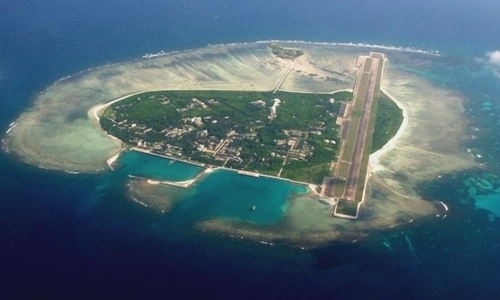
Đảo Phú Lâm thuộc quần đảo Hoàng Sa của Việt Nam đang bị Trung Quốc chiếm đóng trái phép

Tác giả: TS Trần Công Trục.

Theo Tân Hoa Xã dẫn thông tin từ Sở Quy hoạch và Phát triển đô thị nông thôn tỉnh Hải Nam, Trung Quốc thực hiện dự án gắn thẻ tên có quy mô bao trùm các loài thực vật trên hơn 10 đảo và rạn san hô trong quần đảo Hoàng Sa, bao gồm đảo Duy Mộng, đảo Cây, và đảo Hữu Nhật.

Việc đặt, sửa đổi, bổ sung các tên gọi cho các thực thể địa lý và các loài động thực vật đang tồn tại ở quần đảo Hoàng Sa và quần đảo Trường Sa là một việc làm được Trung Quốc tổ chức thực hiện nhiều lần kể từ khi họ sử dụng vũ lực để xâm chiếm quần đảo Hoàng Sa và một phần quần đảo Trường Sa vào những thời điểm khác nhau.

Cùng với nhiều hoạt động khác, đây là việc làm của Trung Quốc nhằm hiện thực hóa yêu sách chủ quyền đối với quần đảo Hoàng Sa và quần đảo Trường Sa của Việt Nam, cũng như đối với hầu hết Biển Đông theo yêu sách đường “lưỡi bò” phi lý. Đây cũng được coi là một trong những mũi tiến công xâm chiếm Biển Đông, thậm chí có người gọi đây là một cuộc “xâm lược bằng tên gọi” không kém phần nguy hiểm do Trung Quốc đã nhiều lần tổ chức thực hiện.

Continue reading Cuộc xâm chiếm bằng tên gọi của Trung Quốc trên Biển Đông

How Beijing’s new maritime rules in the South China Sea will affect India and others


China’s new maritime law – in which foreign vessels will have to submit details to Chinese authorities when transiting through its ‘territorial waters’ – has now come into force.

How Beijing’s New Maritime Rules in the South China Sea Will Affect India and Others

FILE PHOTO: Chinese dredging vessels are purportedly seen in the waters around Mischief Reef in the disputed Spratly Islands in the South China Sea in this still image from video taken by a P-8A Poseidon surveillance aircraft provided by the United States Navy May 21, 2015. U.S. Navy/Handout via Reuters/File Photo

Manoj Joshi

Manoj Joshi The Wire Powered by DIPLOMACYSOUTH ASIA 16 HOURS AGO

In a classic manoeuvre of what is called “lawfare”, China announced a new set of maritime regulations last week that require ships carrying certain types of cargo to provide detailed information to the Chinese authorities when transiting through Chinese “territorial waters”.

Though such demands by littoral states are not unusual, it does not take a genius to understand that this particular move is part of an ongoing Chinese project to establish its jurisdiction over the South China Sea by using Chinese laws and regulation. Neither is the use of “lawfare” to project a country’s goals. The US routinely uses what is called a “long-arm jurisdiction” to claim global authority of its laws and regulations as part of its exercise of projecting power.

Continue reading How Beijing’s new maritime rules in the South China Sea will affect India and others