A patient with depression is being treated at the National Institute of Mental Health in Hanoi. Photo by VnExpress/Thuy An
Around 15 million Vietnamese are afflicted with mental illnesses, with depression and anxiety taking the top spots, Deputy Health Minister Tran Van Thuan said.
At a Monday meeting to commemorate World Mental Health Day (Oct. 10), Thuan said around 14.9% of the Vietnamese population suffer mental illnesses. Most people in Vietnam associate mental illnesses with schizophrenia, while the condition actually only afflicts 0.47% of the population, he added.
Luật khám bệnh, chữa bệnh đang trong quá trình sửa đổi và trình lên Quốc Hội cho ý kiến và dự kiến xem xét thông qua tại Kỳ họp thứ 4, Quốc hội khóa XV vào tháng 10.
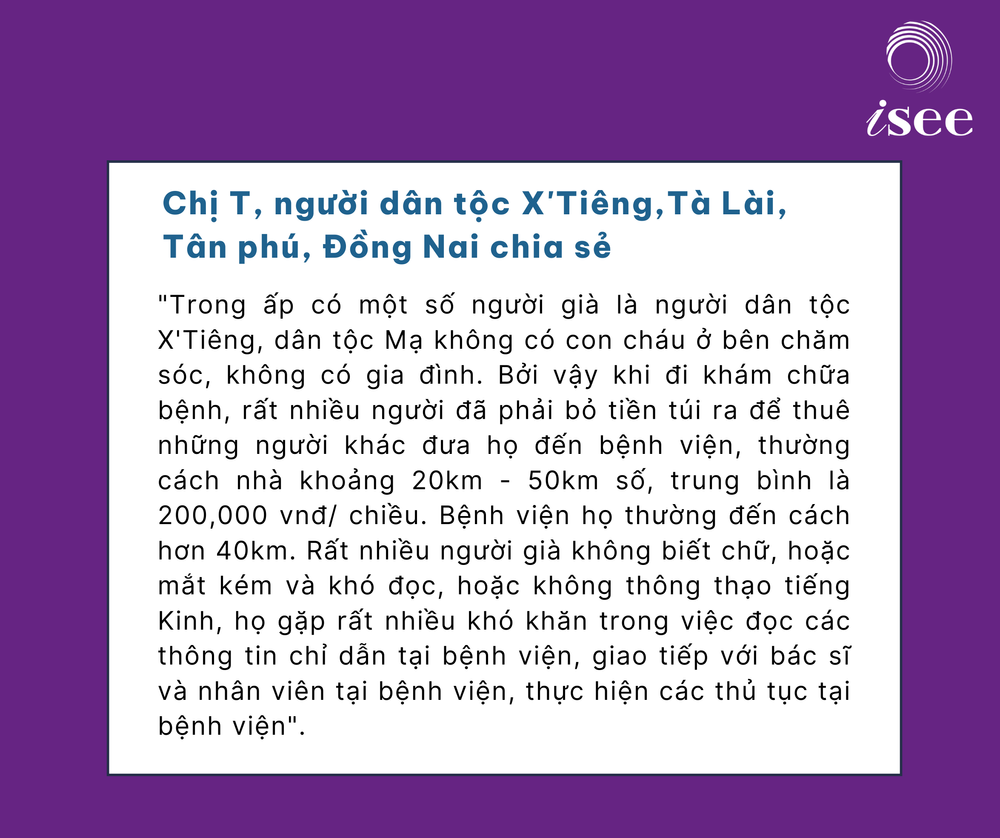
Luật khám bệnh, chữa bệnh có tác động rất lớn đến hệ thống ngành y tế cũng như vấn đề chăm sóc sức khỏe của người dân, trong đó có người Dân tộc thiểu số, Mạng lưới Tiên Phong Vì Tiếng Nói Người Dân Tộc Thiểu Số đã có một buổi trao đổi cùng chuyên gia trong lĩnh vực luật khám bệnh, chữa bệnh đồng thời thảo luận nội bộ để cùng đưa ra ý kiến đối với những vấn đề vẫn còn bỏ ngỏ trong luật.
Qua quá trình thảo luận, nhóm nhận ra rằng rào cản ngôn ngữ giữa bác sĩ và bệnh nhân là người dân tộc thiểu số ở tại địa phương và đặc biệt là cơ sở khám chữa bệnh tuyến Trung Ương là một vấn đề ảnh hưởng trực tiếp đến quyền và chất lượng sử dụng dịch vụ khám chữa bệnh của người dân tộc thiểu số. Dưới đây là những trải nghiệm cá nhân và quan sát của chính các thành viên Tiên Phong về vấn đề này:
Năm 2005, tôi được bổ nhiệm làm trưởng khoa trong bệnh viện lúc ngoài 40 tuổi.
Vị trí tôi giữ với đa số mọi người thường gần đến lúc nghỉ hưu mới được ngồi vào. Vì thế tôi cảm động lắm, lúc nào cũng sục sôi muốn đóng góp xây dựng bệnh viện.
Thời gian ấy, xã hội đang sôi nổi khí thế đổi mới nền kinh tế. Ngành y bao năm bị mang tiếng trì trệ, lương thấp, lạc hậu… cũng muốn hòa vào trào lưu đổi mới đó.
Ngành y tế TP HCM lúc bấy giờ có đề án cổ phần hóa Bệnh viện Bình Dân. Dư luận rất quan tâm. Giới y chúng tôi bàn tán sôi nổi. Nhiều người mong có luồng gió mới mẻ xua tan những trì trệ trong ngành.
Giữa lúc dịch bệnh căng thẳng, ngày càng có nhiều tiếng nói kêu gọi chú trọng phát triển y tế cơ sở. Nhưng y tế cơ sở là y tế nào, huyện hay xã?
Tôi đặt câu hỏi như vậy vì y tế Việt Nam phân thành ba cấp kỹ thuật: tuyến trung ương, tuyến tỉnh và tuyến y tế cơ sở. Tuy nhiên trong ngôn ngữ hàng ngày cũng như trong tư duy làm việc thì một cách không chính thức, hệ thống y tế được phân theo bốn cấp tương ứng với đơn vị hành chính: tuyến trung ương, tuyến tỉnh, tuyến huyện và tuyến xã. Vậy vai trò của y tế huyện nằm ở đâu?
TTCT – Mặc dù được đánh giá là quốc gia có tiềm năng về dược liệu, y học cổ truyền, sản xuất vắc xin và phát triển hóa dược, nhưng VN hiện vẫn phải nhập khẩu trên 90% nguyên liệu sản xuất thuốc. Đây là lý do ngành công nghiệp dược vẫn ở trong tình thế chông chênh.
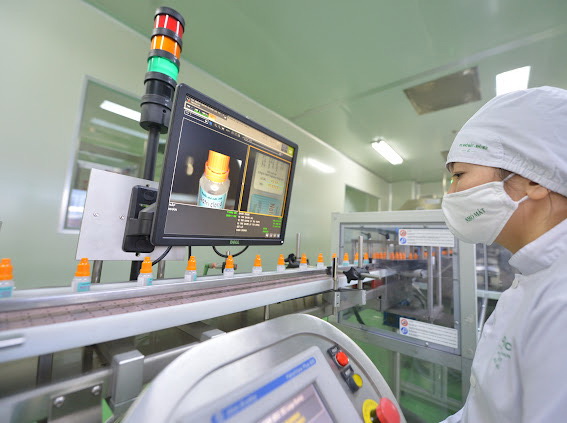
Dây chuyền sản xuất thuốc hiện đại tại Nhà máy Traphaco Hưng Yên. Ảnh: T.Trang
Theo phân loại của WHO, công nghiệp dược VN mới ở gần cấp độ 3, tức có công nghiệp dược nội địa, có sản xuất thuốc generic (thuốc sao chép) và xuất khẩu một số dược phẩm.
Còn theo phân loại 5 mức phát triển của Tổ chức Phát triển công nghiệp Liên Hiệp Quốc (UNIDO), công nghiệp dược VN mới ở mức 3 – “công nghiệp dược nội địa sản xuất đa số thành phẩm từ nguyên liệu nhập”.
A doctor checks the eyes of a 53-year-old woman in Vietnam after she received corneas from a brain-dead man at a hospital in HCMC. Photo by VnExpress/Thu AnhThe number of people registered to donate organs after brainstem death has kept increasing over the years to almost 50,000.
When the Vietnam National Coordinating Center for Human Organ Transplantation was established in 2014, it received just 200 registrations, most including center officials and staff while the rest comprised medical workers.
TTCT – Tình trạng thiếu thuốc, trang thiết bị y tế đang diễn ra ở nhiều nơi trong cả nước.
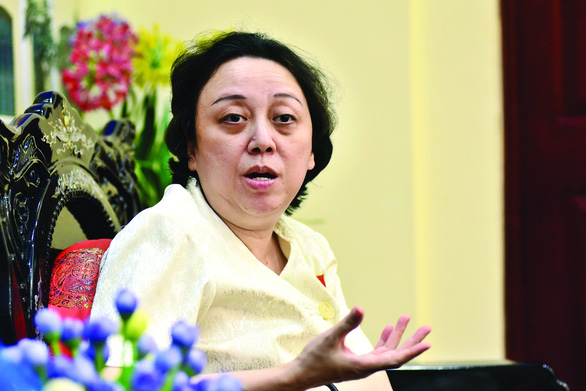
Tình trạng thiếu thuốc, trang thiết bị y tế đang diễn ra ở nhiều nơi trong cả nước. Các địa phương, bệnh viện (BV) vẫn loay hoay, hoạt động điều trị của các BV vốn đã khó càng thêm khó. Tuổi Trẻ Cuối Tuần trao đổi với phó giáo sư, dược sĩ Phạm Khánh Phong Lan, phó chủ tịch Hội Dược học Việt Nam, về việc đấu thầu, mua sắm thuốc, trang thiết bị y tế.
John F. Helliwell, Vancouver School of Economics, University of British Columbia
Haifang Huang, Professor, Department of Economics, University of Alberta
Shun Wang, Professor, KDI School of Public Policy and Management
Max Norton, Vancouver School of Economics, University of British Columbia
Acknowledgment: The authors are grateful for the financial support of the WHR sponsors, and especially for data from the Gallup World Poll, the Lloyd’s Register Foundation World Risk Poll, and the ICL/YouGov Data Portal. For much helpful assistance and advice we are grateful to Lara Aknin, Ragnhild Bang Nes, Chris Barrington-Leigh, Meike Bartels, Jan-Emmanuel De Neve, Liz Dunn, Martine Durand, Maja Eilertsen, Carrie Exton, Carol Graham, Jon Hall, David Halpern, Nancy Hey, Sarah Jones, Richard Layard, Sonja Lyubomirsky, Hannah Metzler, Tim Ng, Gus O’Donnell, Rachel Penrod, Julie Ray, Rajesh Srinivasan, Jeff Sachs, Grant Schellenberg, Ashley Whillans, and Meik Wiking
A large-scale study has highlighted the “triple burden” of child malnutrition in Southeast Asia – coexistence of undernutrition, micronutrient deficiencies and overweight/obesity.
The SEANUTS II study has emphasized an urgent need to improve food security and nutrition among children in Southeast Asia. Photo by FCV
These three burdens often coexist in the same country and can even occur in the same family.
The study of nearly 14,000 children aged six months to 12 years in Vietnam, Indonesia, Malaysia and Thailand was conducted between 2019 and 2021. The children were from urban and rural schools, community health centers and sub-district administrative organizations in the four countries.
A large-scale study has highlighted the “triple burden” of child malnutrition in Southeast Asia – coexistence of undernutrition, micronutrient deficiencies and overweight/obesity.
The SEANUTS II study has emphasized an urgent need to improve food security and nutrition among children in Southeast Asia. Photo by FCV
These three burdens often coexist in the same country and can even occur in the same family.
The study of nearly 14,000 children aged six months to 12 years in Vietnam, Indonesia, Malaysia and Thailand was conducted between 2019 and 2021. The children were from urban and rural schools, community health centers and sub-district administrative organizations in the four countries.
Các quận huyện Bình Tân, 12, Tân Phú, Bình Chánh và TP Thủ Đức nguy cơ bùng dịch sốt xuất huyết cũng như Covid-19, theo Giám đốc Sở Y tế Tăng Chí Thượng.
Thông tin được ông Tăng Chí Thượng nói tại cuộc họp về tình hình kinh tế – xã hội giữa năm của UBND TP HCM, sáng 29/6. Cảnh báo được đưa ra trong bối cảnh biến thể Covid-19 mới đã xuất hiện tại Việt Nam, song tỷ lệ tiêm nhắc vaccine còn rất thấp và dịch sốt xuất huyết cũng đang bùng phát ở địa phương này.
Về Covid-19, ông Thượng dẫn Tổ chức Y tế Thế giới (WHO) cho biết các biến thể mới như BA.4 và BA.5 đang có xu hướng thay thế chủng cũ (BA.2) trên toàn cầu. Theo nhận định của Cục Y tế Dự phòng, BA.5 cũng có khả năng trở thành biến thể chủ đạo ở Việt Nam trong thời gian tới.
Trong những ngày liên tục có các lãnh đạo, nhân viên ngành y bị bắt, tôi nhận được nhiều lời động viên, an ủi và cả câu hỏi rằng, chỗ chúng tôi “có xao động gì không”.
Tôi không xao động, không bối rối vì những sự việc ấy xảy ra dễ hiểu. Nhiều nguyên nhân dẫn đến hành vi phạm pháp trong ngành đã được nói đến từ lâu. Có thể kể đến: Mức đãi ngộ thấp dẫn tới tham nhũng vặt để “tự cứu lấy mình”; Bổ nhiệm lãnh đạo không đủ rõ ràng, thậm chí không căn cứ vào chuyên môn, mở đường cho “yếu tố” đồng tiền xuất hiện; Những kẽ hở của pháp luật như mời chào người ta phạm luật, không khác gì cái bẫy.
Giá thuốc là một cái bẫy, một nguyên nhân dẫn đến tham nhũng trong ngành y, điều mà những người lăn lộn trong ngành sẽ thấy rõ.
Skin-lightening products have exploded in their availability on major social media platforms where there are few rules about how they are promoted or sold. With some products containing potentially toxic ingredients, consumers could be at risk.
Written by:Jacqui Palumbo, CNN Editors: Meera Senthilingam, Eliza Anyangwe; Illustrations: Kathy Kim; Data journalist: Carlotta Dotta; Researchers: Elizabeth Yee, Jacqui Palumbo
Updated 20th June 2022
Editor’s note: This story is part of ‘White lies‘, a series by CNN’s As Equals investigating skin whitening practices worldwide to expose the underlying drivers of colorism, the industry that profits from it and the cost to individuals and communities. For information about how CNN As Equals is funded and more, check out our FAQs.
Once primarily sold in markets and beauty stores, skin-lightening products have exploded in their availability online and today, they are pervasive on every major social media platform.
On Facebook and Instagram, vendors hawk creams and serums that promise lighter skin yet offer scant information about the products themselves, while on YouTube and TikTok you can find thousands of tutorials by people promoting potent products or home remedies without qualifications that support their claims. On TikTok alone, the hashtag #skinwhitening has over 254 million views, while #skinlightening has another 62 million.
“Social media has become the most powerful tool right now for the sale of skin-lightening products,” says Dr. Anita Benson, Nigeria-based dermatologist and founder of the Embrace Melanin Initiative to combat colorism and harmful skin-lightening practices in Africa.
The annual meeting of the World Health Assembly (WHA) concluded on May 28. At the gathering, member states of the World Health Organization (WHO) made many decisions, some of which stood out as potential turning points for global health. The WHA did not ignore COVID-19, but member states primarily grappled with challenges that the pandemic created and that must be addressed beyond COVID-19. However, member states demonstrated as much caution as resolution in some of the most prominent decisions taken. This wariness creates uncertainty about the importance of these decisions as the WHO labors to put global health governance on more solid post-pandemic footing.
Hanoi (VNS/VNA) – Vietnam is in danger of missing the target of providing 93-95 percent of people in rural areas, and at least 95 percent in urban areas, access to clean water by 2025.
VNA Wednesday, April 27, 2022 10:18
Three members of a family get clean water from a tap in Bu Ren commune, in the southern province of Binh Phuoc. (Photo: VNA)
Data revealed at a conference in Hanoi on April 26 showed that only 84.2 percent of people in urban areas have access to clean water. That number is just 34.8 percent in rural areas.
The target was set under Resolution No. 16/2021/QH15, as part of the five-year socio-economic development plan for 2021-2025.
Nguyen Quang Dong, Director of the Institute for Policy Research and Media Development (IPS), already pointed out some reasons for the situation.