Category Archives: Thảo luận bằng tiếng Anh

Vietnam and China to strengthen relations despite territory dispute

Hanoi – The top diplomats of Vietnam and China on Wednesday pledged to strengthen relations despite territorial conflicts over the South China Sea.

As current chair of the Association of South-East Asian Nations (ASEAN), Vietnam would “do our best to strengthen strategic relations between ASEAN and China generally, and between Vietnam and China in particular,” Deputy Prime Minister Pham Gia Khiem told Chinese Foreign Minister Yang Jiechi.

Continue reading Vietnam and China to strengthen relations despite territory dispute

Asean Should Take Lead to Promote Peace, Vietnam Says

July 20 (Bloomberg) — Southeast Asian nations should take the lead in promoting regional peace, Vietnam Prime Minister Nguyen Tan Dung said ahead of a security forum this week involving the world’s biggest powers.

“Asean should further demonstrate its ability and role as a leading force for the promotion of dialogue and cooperation,” Dung said at the opening ceremony in Hanoi of a meeting of the group’s foreign ministers.

Continue reading Asean Should Take Lead to Promote Peace, Vietnam Says

Vietnam history overview

Vietnam is located in a region considered a cradle of mankind, one of the earliest agricultural centres practicing wet rice farming, where the stone and metallurgical revolutions took place.

On the basis of socio-economic development in the time of the Đong Son culture and given the struggle with nature and against aggression, Van Lang State, the first State in Vietnam was established in the 7th century B.C.

Continue reading Vietnam history overview

US lawmakers ask Secretary of State Clinton to raise human rights issues in Vietnam

WASHINGTON (AFP) – US lawmakers have asked Secretary of State Hillary Clinton to raise human rights when she visits Vietnam next week, saying that the issue should be at the heart of the nations’ growing relationship.

In a letter to Clinton sent Thursday, 19 members of the House of Representatives wrote that Vietnam “holds in its cells hundreds of prisoners whose only crime is to peacefully advocate for social justice.”

Clinton’s visit “represents a crucial opportunity not only to raise pressing concerns for imprisoned activists but to integrate human rights issues into the core of US-Vietnam bilateral policy,” they wrote.

Continue reading US lawmakers ask Secretary of State Clinton to raise human rights issues in Vietnam

Child-Abuse Case Reveals Vietnam’s Lax Social Services

By Martha Ann Overland / Ho Chi Minh City

For much of the past year, residents of a village in Vietnam’s southern Ca Mau province heard a child screaming in terror in a nearby house, but no one alerted the authorities. As 14-year-old Nguyen Hoang Anh was being branded with hot irons, had solvents poured in his wounds and had his teeth pulled out with pliers, those who heard him ignored his cries. Neighbors feared the couple that employed the boy on their shrimp farm might retaliate against them if they notified officials. Others, knowing police rarely interfere in domestic issues, did not know whom to call.

Continue reading Child-Abuse Case Reveals Vietnam’s Lax Social Services

Vietnam announces bold nuclear plans

Mike Ives

12 July 2010

The reactors in central Vietnam would generate 15,000 megawatts of power

coolingtower_Flickr_MichalBrcak.jpg

Vietnam has announced ambitious plans to develop a nuclear power industry, with the aim of having eight nuclear reactors up and running by 2030.

According to the official Vietnamese newspaper Thanh Nien officials announced last month (22 June) that the reactors would be located in five central provinces, and would generate 15,000 megawatts of power — enough to meet ten per cent of the country’s power demand.

The first reactor at the first plant, in Ninh Thuan province, will be operational by 2020, according to the plans, putting Vietnam on track to be the first country in South-East Asia to use nuclear power.

Continue reading Vietnam announces bold nuclear plans

Outsourcing To Vietnam

Oxford Analytica, 03.15.10, 06:00 AM EDT

Rising labor costs and tensions with China have sent companies looking for labor in Vietnam, but Hanoi has its own set of serious problems.

Vietnam is viewed as a viable alternative to China for foreign (particularly U.S.) companies seeking to establish or increase their lower-cost manufacturing capacity.

Continue reading Outsourcing To Vietnam

In Vietnam, a sign of the times

From French to anti-communist to communist, each regime has put its imprint on street names. Take Saigon — oops, Ho Chi Minh City — where nearly all 60 French-named streets have been renamed.

Ho Chi Minh CityA historic photo, from the early 1900s, of the Rue Catinat, which later became the Tu Do (Freedom) Street, and still later Dong Khoi (Uprising) Street. Believed to have been taken between 1900-1910Credit: Collection Philippe Chaplain – Fédération Nationale du Patrimoine] *** [] (Collection Philippe, Federation Nationale / July 4, 2010)

By Mark Magnier, Los Angeles Times July 5, 2010

Reporting from Ho Chi Minh City, Vietnam —

Literature lovers who come looking for Rue Catinat in this city once known as Saigon better hope they happen upon a Francophile octogenarian.

The street, made famous in Graham Greene’s “The Quiet American,” hasn’t been called that in more than half a century. These days, it’s called Dong Khoi (Uprising) Street. (And before that, it was called Freedom Street. But more about that later.)

Continue reading In Vietnam, a sign of the times

‘Virginity test’ helps free 3 in Vietnam rape case

AP

By TRAN VAN MINH,Associated Press WriterFriday, July 2

HANOI, Vietnam – An acupuncturist who claims she can detect a man’s virginity based on a small dot on the ear has become a minor celebrity in Vietnam, where she is credited with helping to free three convicted rapists from prison.

Traditional medicine practitioner Pham Thi Hong started lobbying for the men’s release, pleading their case all the way to the president, because she believes all three men are virgins and therefore could not be guilty of rape.

“They all had small red spots on the back of their ears,” said Hong, 54. “The spots should have disappeared if they had had sex. My many years of experience told me that these men did not have sex before.”

Continue reading ‘Virginity test’ helps free 3 in Vietnam rape case

Vietnam GDP Growth Quickens to 6.4% on Bank Lending

By Jason Folkmanis

July 1 (Bloomberg) — Vietnam’s economic growth accelerated in the second quarter as revived bank lending helped boost manufacturing and consumer spending.

Continue reading Vietnam GDP Growth Quickens to 6.4% on Bank Lending

Gender equality on national agenda

Vietnam News

Young volunteers promote gender equality in Dong Xuan Market in Ha Noi. Viet Nam is drafting two national programmes to promote gender equality and social development. — VNA/VNS Photo Duong Ngoc

HA NOI — In an effort to promote gender equality in Viet Nam, the country is creating a national strategy in order to eliminate gender discrimination.A 10-year national project on gender equality and a five-year national programme, which would encourage women to contribute to the development of the family, community and entire society, are being drafted.

Both projects have been discussed at a number of conferences and workshops held by the Ministry of Labour, Invalids and Social Affairs (MoLISA), with the participation of domestic and international experts and relevant organisations.

Continue reading Gender equality on national agenda

Tôi Đang Rất Buồn

Hôm nay chúng ta trở lại với Words and Their Stories ( Những Câu Chuyện về Từ ngữ) với link cho phần Nghe, của VOA.

Bài hôm nay có tựa đề I Feel Very Blue của tác giả Warren Scheer. Đọc tựa đề các bạn sẽ thấy nội dung câu chuyện xoay quanh các thành ngữ thông dụng về màu sắc

Bài dịch do bạn Lê Vĩnh Thanh, một cây dịch tuổi học trò, đã từng dịch một số truyện song ngữ và một bài về Word and Their Stories trên ĐCN. Cảm nhận về từ ngữ Tiếng Anh trong ngữ cảnh, khả năng đọc hiểu nhạy và cách dịch của Vĩnh Thanh khá gãy gọn và chính xác.

Mời các bạn đọc- vui học thành ngữ cũng như trau đồi kỹ năng nghe Tiếng Anh.

Các bạn vào link này để down load phần nghe

Huỳnh Huệ giới thiệu

.

TÔI ĐANG THẤY RẤT BUỒN

Mỗi dân tộc có một cách nói riêng, những đặc ngữ của riêng họ. Nhiều thành ngữ thông dụng của người Mỹ dựa trên màu sắc.

Màu đỏ là một màu nóng. Người Mỹ dùng nó để thể hiện sức nóng. Họ có thể nói họ đang nóng tiết/ nóng phừng phừng lên vì một chuyện bất công nào đó. Khi họ nóng tiết nghĩa là họ đang rất tức giận vì chuyện gì đó. Loài ớt nhỏ, cay được dùng trong nhiều món ăn Mêhicô thì gọi là ớt đỏ (red hots) vì màu và vị cay mạnh của chúng. Nhạc chơi nhanh và to đuợc nhiều người rất ưa thích. Họ có thể nói nhạc đó “ red hot”, đặc biệt là loại nhạc Jazz. Dixieland.

Màu hồng là một loại màu nhạt hơn của màu đỏ. Ngưòi ta hay nói họ đang tươi hồng khi họ khỏe. Thành ngữ này được sử dụng đầu tiên bởi ngưòi Mỹ đầu thế kỉ 20. Có thể nó bắt nguồn từ việc em bé sinh ra hồng hào cho thấy rằng chúng đang khỏe.

Xanh dương là một màu mát. Loại nhạc blues truyền thống ở Mỹ thì đối lập với nhạc red hot đỏ. Nhạc blue chậm, buồn và có hồn. Duke Ellington và ban nhạc của ông thu âm một bài hát nổi tiếng-Mood Indigo-về một màu xanh trầm, màu chàm. Trong lời bài hát có câu: “Bạn chưa biết buồn chừng nào mà bạn chưa từng trải qua cảm giác xanh Indigo đó”. Khi ai đó đang xanh blue thì nghĩa là họ đang rất buồn.

Màu xanh lá là màu tự nhiên của cỏ cây. Nhưng không tự nhiên đối với người. Một người mà bị đau bụng thì có thể nói cô ấy hơi xanh tái. Một hành khách trên thuyền bị say sóng thì trông xanh mét mặt mày.
Đôi khi ngưòi ta buồn vì không có một thứ gì đó tốt bằng bạn mình, như một chiếc xe mới chạy nhanh. Người đó có thể nói rằng anh ta xanh lên vì ghen tị. Một vài ngưòi ghen tị vì một người bạn có nhiều tiền hay giấy xanh. Tờ đô-la được gọi là giấy xanh vì mặt sau nó có màu xanh.

Màu đen rất hay đựơc sử dụng trong diễn đạt. Người ta tả một ngày mà mọi việc đều xui xẻo là một ngày đen tối. Một ngày mà có một thảm họa xảy ra thì được nhớ đến là một ngày đen tối. Bây giờ một danh sách đen là bất hợp pháp. Nhưng có một thời các ông chủ từ chối thuê những ngưòi trên danh sách đen vì họ thuộc những hội kín.

Ở một vài trường hợp, màu sắc thể hiện một tình huống. Một giảm điện/ tối nâu là một thành ngữ thể hiện sự giảm cường độ điện. Giảm địên xảy ra khi có quá nhiều nhu cầu về điện. Hệ thống điện không còn đủ khả năng để cung cấp điện cho toàn khu vực. Tối đen rất phổ biến thời Thế Chiến II. Các sĩ quan đã cho tắt hết điện trong thành phố để làm cho máy bay địch khó phát hiện mục tiêu trong đêm tối.

Lê Vĩnh Thanh

Lớp 10 CA Nguyễn Du BMT

I FEEL VERY BLUE

Every people has its own way of saying things, its own special expressions. Many everyday American expressions are based on colors.

Red is a hot color. Americans often use it to express heat. They may say they are red hot about something unfair. When they are red hot they are very angry about something. The small hot tasting peppers found in many Mexican foods are called red hots for their color and their fiery taste. Fast loud music is popular with many people. They may say the music is red hot, especially the kind called Dixieland jazz.

Pink is a lighter kind of red. People sometimes say they are in the pink when they are in good health. The expression was first used in America at the beginning of the twentieth century. It probably comes from the fact that many babies are born with a nice pink color that shows that they are in good health.

Blue is a cool color. The traditional blues music in the United States is the opposite of red hot music. Blues is slow, sad and soulful. Duke Ellington and his orchestra recorded a famous song – Mood Indigo – about the deep blue color, indigo. In the words of the song: “You ain’t been blue till you’ve had that Mood Indigo.” Someone who is blue is very sad.

The color green is natural for trees and grass. But it is an unnatural color for humans. A person who has a sick feeling stomach may say she feels a little green. A passenger on a boat who is feeling very sick from high waves may look very green.
Sometimes a person may be upset because he does not have something as nice as a friend has, like a fast new car. That person may say he is green with envy. Some people are green with envy because a friend has more dollars or greenbacks. Dollars are called greenbacks because that is the color of the back side of the paper money.

The color black is used often in expressions. People describe a day in which everything goes wrong as a black day. The date of a major tragedy is remembered as a black day. A blacklist is illegal now. But at one time, some businesses refused to employ people who were on a blacklist for belonging to unpopular organizations.

In some cases, colors describe a situation. A brown out is an expression for a reduction in electric power. Brown outs happen when there is too much demand for electricity. The electric system is unable to offer all the power needed in an area. Black outs were common during World War Two. Officials would order all lights in a city turned off to make it difficult for enemy planes to find a target in the dark of night.

~Warren Scheer

Về ngạn ngữ

Trên Đọt Chuối Non chúng ta thường đọc nhiều câu danh ngôn rất hay, là những câu ngắn gọn, nhưng chứa đựng triết lý sống và bài học làm người, cách ứng xử trong nhiều tình huống… tuy vậy, nhiều câu ngạn ngữ hay danh ngôn cũng có giá trị tương đối và phãi vận dụng đúng tình huống, hoàn cảnh, tùy đối tượng, chứ không thể máy móc tuyệt đối. Xin đơn cử một ví dụ:

Câu nói “Cha nào con nấy” không thể áp dụng trong mọi trường hợp để qui kết rằng cha làm chuyện xấu, tất nhiên con cũng sẽ làm điều xấu. Hay như câu “Đông tay vỗ nên kêu”, có khi dối nghịch với câu “Lắm thầy thối ma”, nếu trong trường hợp cả đám người xúm vào toàn là thầy rất đại ngôn, nói nhiều hơn làm và cứ “mười người mười ý” nên chuyện thành hỏng bét.

Hôm nay xin tiếp tục loạt bài trong VOA Special English Program, mời các bạn và các em nghe bài Những Câu Ngạn Ngữ Cổ và Đúng
gòm 13 thành ngữ
Bản Việt ngữ do Trần Hồng Hải dịch
Bản Anh ngữ do Shelley Gollust viết

Các bạn có thể download theo link sau để nghe file audio

http://www.voanews.com/specialenglish/archive/2009-08/2009-08-28-voa4.cfm

CÁC CÂU TỤC NGỮ XƯA MÀ ĐÚNG

Hôm nay chúng ta sẽ giải thích thêm về tục ngữ. Một câu tục ngữ là câu nói ngắn gọn,nổi tiếng thể hiện một sự thật phổ biến hay niềm tin.Tục ngữ có ở mọi nơi trên thế giới. Nhiều tục ngữ đưa lời khuyên về cách sống.Một số tục ngữ có từ hằng trăm năm trước,nhưng ngày nay vẫn được sử dụng .

Chẳng hạn,con trai tôi giống cha nó về nhiều mặt. Chúng ta thường nói cả hai chứng minh cho câu tục ngữ cha nào con nấy.
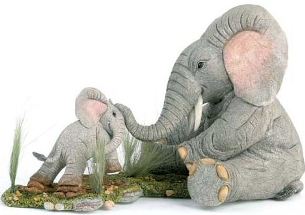
Con gái tôi rất thấp.Nó muốn cao hơn.Nhưng tôi nói điều tốt đẹp ẩn chứa bên trong.Kích thước không quan trọng. Một số vật giá trị rất nhỏ,giống như kim cương và những đồ nữ trang khác.Nhưng tôi cũng bảo lũ trẻ nhà tôi rằng đừng trông mặt đoán người.

Đừng để bị lừa bởi bề ngoài.Một thứ có thể nhìn có giá trị, nhưng có lẽ thật sự chẳng đáng giá.Hơn nữa,tôi bảo chúng đừng trông mặt mà bắt hình dong.Không nên đánh giá mọi thứ dựa vào hình thức.

Một câu tục ngữ khác nữa là Đừng cắn nhiều hơn sức mình có thể nhai.Có nghĩa là đừng cố gắng làm nhiều hơn những gì mình có thể.

Đôi khi tôi bảo bọn trẻ hợp sức giải quyết một vấn đề.Rốt cuộc, hai người hợp sức tốt hơn một.Hai người làm việc cùng nhau sẽ đạt kết quả tốt hơn.Nhưng một tục ngữ khác nói lắm thầy thối ma, nhiều người hỏng việc.Nếu quá nhiều người thử làm gì,thì công việc sẽ không hoàn thành tốt.

Tôi cũng bảo lũ trẻ rằng ác giả ác báo.Đừng làm điều xấu với người khác chỉ bởi vì một người khác làm như thế với mình.

Một số người rất bi quan:Họ luôn nghĩ đến những điều xấu đang đến hoặc sắp xảy ra.Những người khác lại rất lạc quan:Họ luôn hướng đến hướng tốt đẹp.Họ nghĩ rằng mọi việc rồi sẽ ổn.

Nhừng người lạc quan có lẽ nói trong cái rủi lại có cái may.Họ có thể tìm thấy mặt tốt trong tình huống xấu.Những người khác vừa lạc quan lẫn bi quan.Họ hi vọng điều tốt nhất và chuẩn bị cho cái xấu nhất.

Một số người thường lo họ sẽ làm gì trong một tình huống sắp sửa xảy ra.Chúng ta sẽ nói rằng lo bò trắng răng.

Thường thì ngăn chặn một vấn đề dễ hơn nhiều so với việc tìm những cách để giải quyết.Vậy nên chúng ta nói phòng bệnh hơn chữa bệnh.
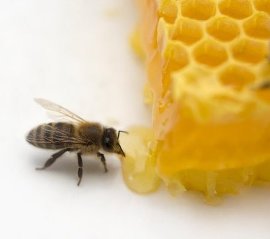
Cuối cùng,tôi đã từng thích câu tục ngữ này:Có thể bắt được nhiều ruồi với mật ong hơn giấm.Mật ong ngọt hơn giấm.Nói cách khác, bạn sẽ dễ kéo người khác về phe mình bằng lời thuyết phục mềm mỏng hơn là bằng những hành động thiếu thân thiện.

TRẦN HỒNG HẢI DỊCH
Lớp 10 chuyên Hóa

PROVERBS THAT ARE OLD AND TRUE

Proverbs are popular around the world.

Now, the VOA Special English program WORDS AND THEIR STORIES.
Today we explain more proverbs. A proverb is a short, well-known saying that expresses a common truth or belief. Proverbs are popular around the world. Many proverbs give advice about how to live. Some proverbs are hundreds of years old, but they are still used today.
For example, my son is just like his father in many ways. We often say the two of them prove the proverb that the apple does not fall far from the tree.

My daughter is very short. She would like to be taller. But I tell her that good things come in small packages. The size of something is not always important. Some valuable things are very small, like diamonds and other jewels.
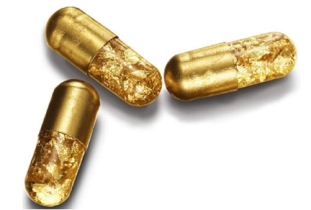
But I also tell my children that all that glitters is not gold. Do not be fooled by appearances. Something may look valuable, but may not really be valuable. Also, I tell them do not judge a book by its cover. You should not judge something only by its appearance.

Another proverb is, do not bite off more than you can chew. This means do not try to do more than you are able to do.
Some times I tell my children to cooperate to solve a problem. After all, two heads are better than one. Two people working together can get better results. But another proverb says too many cooks spoil the broth. If too many people try to do something, then the job will not be done well.

I also tell my children that two wrongs do not make a right.You should not do something bad just because someone did the same to you.
Some people are pessimists: they always think about how bad things are or will be. Other people are optimists: they always look on the bright side.They think things will be all right.
Optimists might say that every cloud has a silver lining. They can find something good even in a bad situation. Other people are both pessimists and optimists.They hope for the best and prepare for the worst.
Some people often worry about what they will do in a situation that might happen in the future. We could tell them do not cross that bridge until you come to it.

It is usually much better to prevent a problem from happening than it is to find ways to solve it. So we say an ounce of prevention is worth a pound of cure.

Finally, I always liked this proverb: You can catch more flies with honey than with vinegar. Honey is sweet while vinegar is not.In other words, you can win people to your side more easily with gentle persuasion than by hostile actions.

by Shelley Gollust

Về Tiền

Xin giới thiệu với các bạn và các em bài thứ hai trong loạt bài sử dụng các thành ngữ kết hợp với luyện nghe. Bài hôm nay có chủ đề về Tiền ( phần 1) có tựa đề Cần Gì Để Giàu ? (What Does It Take To Have A Rich Life?)

Mời các bạn nghiên cứu 26 thành ngữ về tiền. Để tiện cho mọi người đối chiếu, mình đã thêm phần chú thích nghĩa Tiếng Anh và Tiếng Việt sau bản Anh ngữ.

Bản Tiếng Anh : Jill Moss

Bản dịch Tiếng Việt: Vĩnh Thanh & Bảo Nguyên, Học sinh lớp 10

Và xin nhắc các bạn chớ quên download file audio của Voa Special English Program để luyện nghe qua link sau đây:

http://www.voanews.com/specialenglish/archive/2009-10/2009-10-01-voa2.cfm

TIỀN phần 1

Cần Gì Để Sống Giàu Tiền

Tôi nghĩ ở đâu mọi người cũng mơ ước mình có thật nhiều tiền. Tôi biết mình cũng thế. Tôi sẽ làm mọi chuyện để thu lợi kếch sù. Tôi muốn kiếm được thật nhiều tiền. Bạn có thể kiếm một khoản tiền lớn ở Mĩ bằng cách chơi xổ số. Người ta bỏ tiền mua vé số. Nếu số của bạn trúng, bạn sẽ nhận một số tiền rất lớn- thường là tiền triệu. Thắng xổ số là một vận may

Vài năm trước, Al bạn tôi thắng xổ số. Điều đó làm thay đổi cuộc sống anh ấy. Anh ta không có một gia đình giàu có. Anh ấy cũng không đẻ bọc điều bởi cha mẹ giàu có. Thay vì vậy, anh ta luôn thiếu tiền. Anh ấy không có nhiều tiền. Và anh ta chỉ kiếm tiền chút đỉnh– rất ít.

Đôi khi Al phải nhận trợ cấp, quà biếu từ gia đình và bạn bè anh ấy. Nhưng đừng hiểu lầm. Bạn tôi không phải là kẻ quịt nợ. Anh ta không phải loại người vay nợ không trả. Đơn giản là anh ấy chỉ hơi keo kiệt. Anh ta luôn cẩn thẩn với việc tiêu tiền. Thật ra, anh ta thường bủn xỉn. Anh ấy không thích tiêu xài. Tệ nhất là lúc anh ta khánh kiệt và không có đồng nào trong túi.

Một ngày nọ, Al gom góp lại vài đô để mua một tờ vé số. Anh ta nghĩ rằng mình sẽ không bao giờ trúng lớn Nhưng số seri của anh ấy khớp và anh ta thắng. Anh ta đã trúng lớn. Anh ấy trúng rất nhiều tiền.

Al rất phấn khởi. Điều đầu tiên anh ấy làm là mua một chiếc xe mới đắt tiền. Anh ấy phung phí vào một thứ mà bình thường không thể mua.Và anh ta bắt đầu tiêu tiền vào những thứ không cần thiết. Anh ta bắt đầu phung phí. Cứ như thể là anh ta thừa tiền lắm của. Anh ta có nhiều tiền hơn là anh ta cần và tiền chẳng bao giờ giữ được lâu trong túi nên anh ấy đã tiêu rất nhanh.
Khi chúng tôi tập trung ăn uống ở nhà hàng, Al đều trả tiền. Anh ấy luôn thanh toán và trả hoá đơn. Anh ta bảo tôi tiền làm anh ta hưng phấn. Anh ta rất hạnh phúc.

Nhưng, Al đã tiêu quá nhiều tiền. Chẳng bao lâu bạn tôi lại cháy túi. Anh ta không còn tiền. Anh ta trở lại cảnh nghèo kiết xác. Anh ta đã tiêu đến đồng cuối cùng của mình. Anh ta thậm chí không để dành tiền dự trữ.Anh ta chẳng tiết kiệm tí tiền nào.

Tôi thừa nhận tôi thương hại bạn mình.Anh ta có đủ tiền để sống như một vị vua.Thay vì vậy, anh ta trở lại cuộc sống nghèo nàn –có rất ít tiền.Vài người sẽ nói anh ta tiêu ít thì chi ly, tiêu nhiều vung tay quá trán. Anh ta rất chi li trong chi tiêu những chuyện nhỏ mà vung tay cho các chuyện lớn quan trọng.

I think people everywhere dream about having lots of money. I know I do. I would give anything to make money hand over fist. I would like to earn large amounts of money. You could win a large amount of money in the United States through lotteries. People pay money for tickets with numbers. If your combination of numbers is chosen, you win a huge amount of money – often in the millions. Winning the lottery is a windfall.

A few years ago, my friend Al won the lottery. It changed his life. He did not have a rich family. He was not born with a silver spoon in his mouth. Instead, my friend was always hard up for cash. He did not have much money. And the money he did earn was chicken feed – very little.

Sometimes Al even had to accept hand-outs, gifts from his family and friends. But do not get me wrong. My friend was not a deadbeat. He was not the kind of person who never paid the money he owed. He simply pinched pennies. He was always very careful with the money he spent. In fact, he was often a cheapskate. He did not like to spend money. The worst times were when he was flat broke and had no money at all.

One day, Al scraped together a few dollars for a lottery ticket. He thought he would never strike it rich or gain lots of money unexpectedly. But his combination of numbers was chosen and he won the lottery. He hit the jackpot. He won a great deal of money.

Al was so excited. The first thing he did was buy a costly new car. He splurged on the one thing that he normally would not buy. Then he started spending money on unnecessary things. He started to waste it. It was like he had money to burn. He had more money than he needed and it was burning a hole in his pocket so he spent it quickly.
When we got together for a meal at a restaurant, Al paid every time. He would always foot the bill, and pick up the tab. He told me the money made him feel like a million dollars. He was very happy.

But, Al spent too much money. Soon my friend was down and out again. He had no money left. He was back to being strapped for cash. He had spent his bottom dollar, his very last amount. He did not even build up a nest egg. He had not saved any of the money.
I admit I do feel sorry for my friend. He had enough money to live like a king. Instead, he is back to living on a shoestring — a very low budget. Some might say he is penny wise and pound foolish. He was wise about small things, but not about important things.

WORDS AND THEIR STORIES, in VOA Special English, by Jill Moss

NOTES

1. make money hand over fist: make big profits vớ bở, thu lợi kếch sù, kiếm thực nhiều tiền
2. lotteries: xổ số
3. a windfall: a large amount of money you get when you are not expecting it: của trời cho, của trên trời rơi xuống; vận may bất ngờ
4. born with a silver spoon in his mouth: to have advantages because you come from a rich family: giàu từ trong trứng giàu ra, sinh ra có của ăn của để
5. hard up: not having enough of something: thiếu hụt, cạn túi, hết tiền
6. chicken – feed: an amount of money that is too small to be satisfactory: món tiền nhỏ.
7. hand-outs: food, money or clothes given free to a needy person: của biếu, của bố thí.
8. deadbeat: someone who tries to avoid paying money that they owe: kẻ quịt nợ
9. pinched pennies: unwilling to spend money, mean, misery : keo kiệt,
10. cheapskate : someone who does not like to spend money: người bủn xỉn
11. flat broke: having no money at all: khánh kiệt
12. scraped together: succeed in getting enough of something, especially money, by making a lot of effort: gom góp, góp nhặt từng đồng
13. strike it rich: suddenly become rich: trúng mánh,
14. hit the jackpot: win the most important prize in a competition: trúng độc đắc
15. splurged: spent money freely: tiêu xài thoải mái
16. have money to burn: have sp much money that one can spend it freely: lắm tiền của.
17. burning a hole in his pocket: spending money quickly and extravagantly: tiêu rất nhanh.
18. foot the bill: be responsible for paying the cost of something: thanh toán hóa đơn, chi trả tiền.
19. pick up the tab: pay for something: thanh toán, trả tiền
20. feel like a million dollars: feel very good: cảm thấy hạnh phúc
21. down and out again very poor: lại túng tiền
22. strapped for cash: thiếu một ít tiền mặt
23. bottom dollar; the very last dollar: đồng bạc cuối cùng
24. nest egg: an amount of money saved over a long period to use in the future: tiền dành dụm
25. on a shoestring: using or having a very small amount of money: có rất ít tiền, nghèo kiết xác.
26. penny wise and pound foolish: not willing to spend small amounts of money, but likely to spend large amounts in a stupid way: chuyện nhỏ thì chi ly, chuyện lớn vung tay quá trán