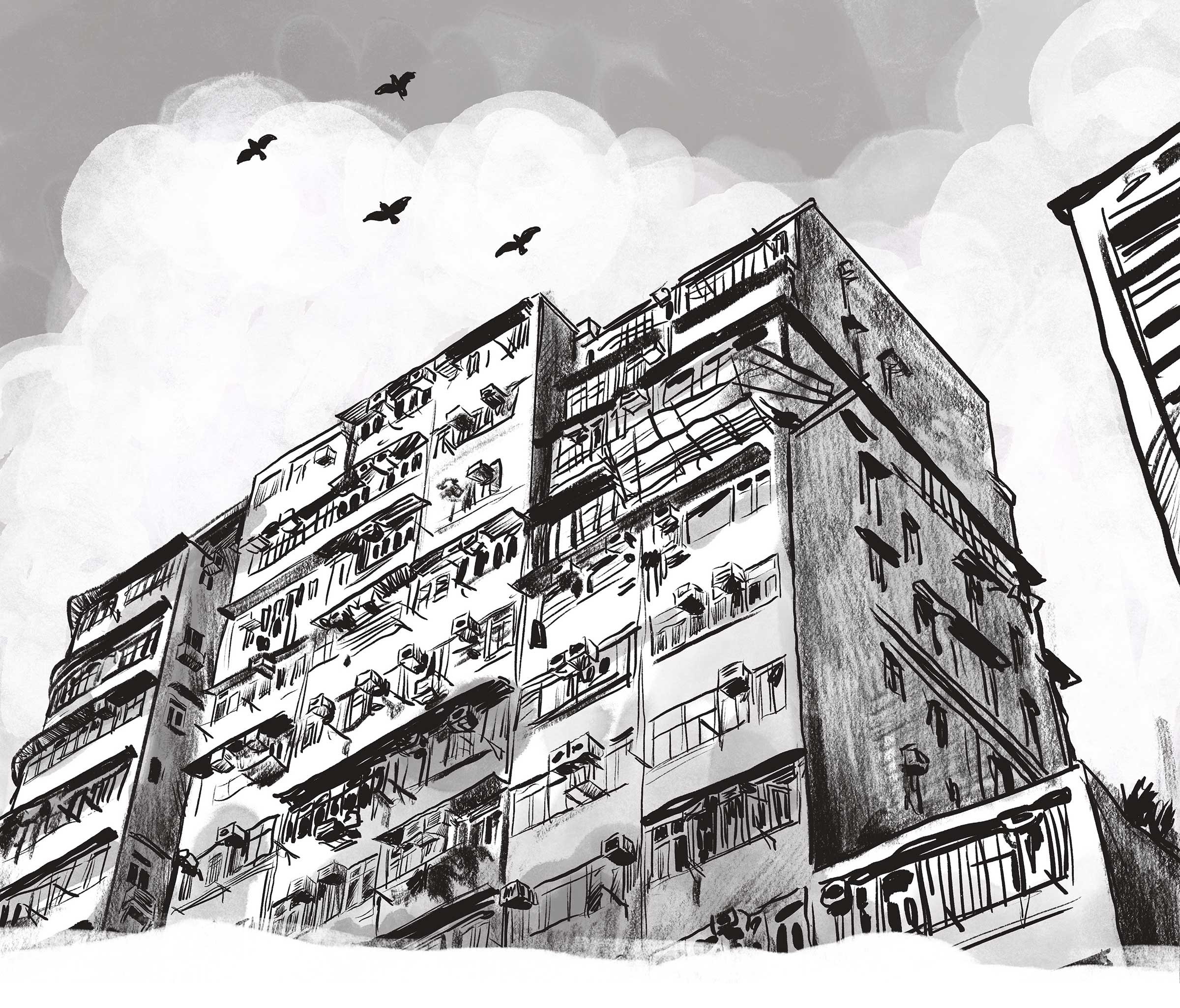
Me? Me? Me?... Yeah yeah yeah amigo... What can me say about me-self?... me-self...me-self... Ole ole ole... me me me... I'm a young banana shoot... My dad is Banana Pa... My mom is Banana Ma... I am happy happy happy... I run around... oops... I can't run... I sing aloud... all day long... I sing in the rain... I sing in the shine... I sing day and night... I sing all the time...
I watch the butterflies and the bees... and the cranes and the geese...
Aha aha aha... here we go again... this little swallow circling on my head... the little swallow on my head... is about to poop on me... Hey, little fella, don't cha know where to unload ya poopa?... But, that's alright... I can swallow my pride to befriend a swallow... Yup yup yup... swallow my pride to befriend a swallow...
The United States is principally responsible for creating the crisis in Ukraine, according to University of Chicago political science professor John Mearsheimer, and it has no current interest in reaching a negotiated settlement now.
Mearsheimer sees US sanctions against Moscow as an attempt to knock Russia out of the ranks of the great powers.
The way he sees it, the US has declared war against Russia, in effect, but the Ukrainian people are doing the fighting.
Join host Steve Clemons for this wide-ranging conversation about how both sides consider themselves locked in an existential threat, with no way out.
TTCT – Với giá thành ngày càng cao, sự thiếu hụt tay nghề chuyên môn chưa khắc phục được, điện hạt nhân khó lòng một sớm một chiều hồi sinh như mong muốn.
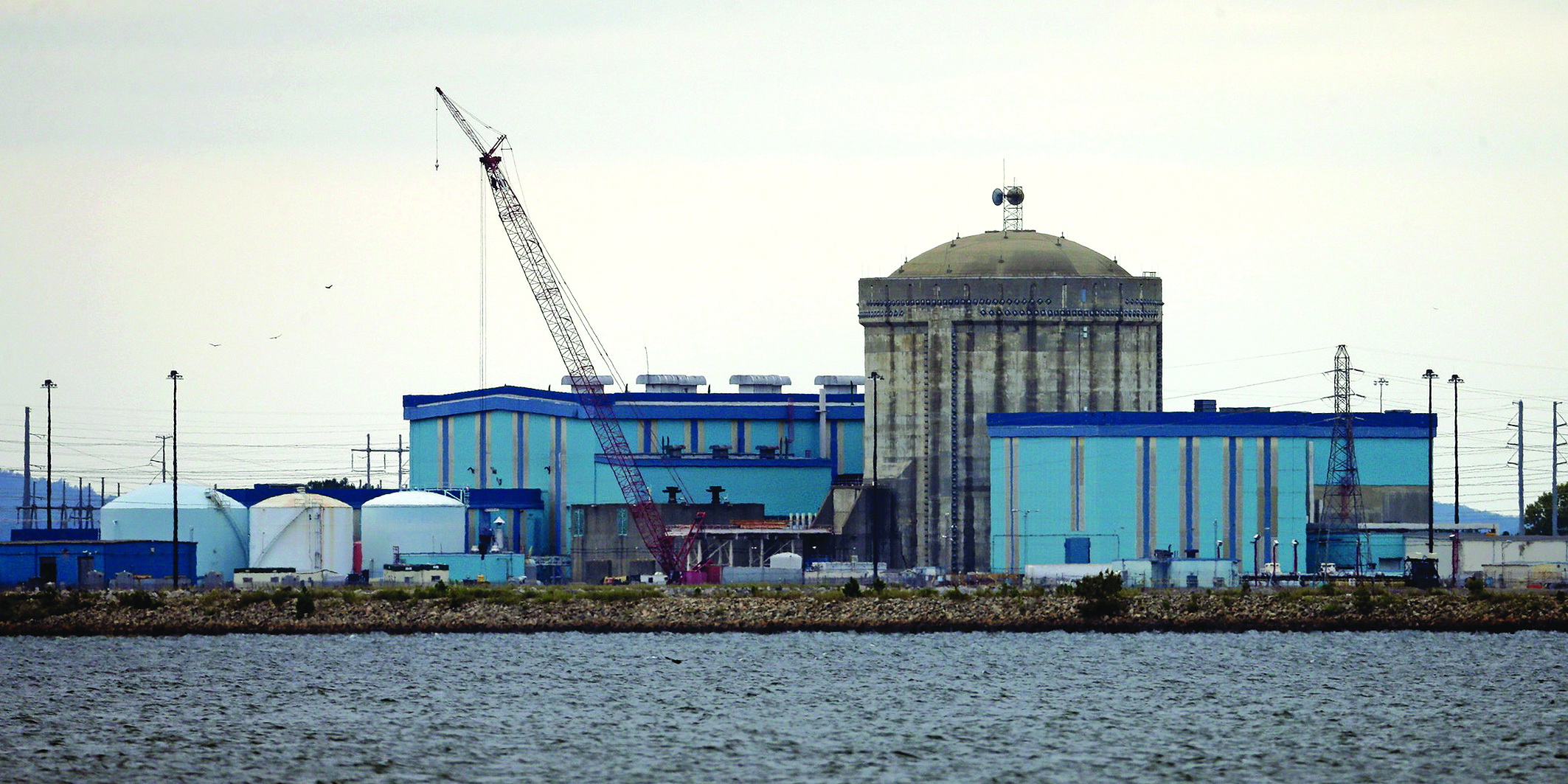
Nhà máy hạt nhân V.C. Summer ở South Carolia, nơi kế hoạch xây lò phản ứng hạt nhân để thay thế nhà máy điện chạy than năm 2008 đã thất bại. Ảnh chụp tháng 9-2016 của AP
Sau nhiều năm dài bị đóng băng, các nước phương Tây đang khởi động lại nhiều dự án điện hạt nhân trong bối cảnh nhiên liệu hóa thạch đắt đỏ, gây ô nhiễm, là thủ phạm làm trầm trọng hơn tình trạng biến đổi khí hậu toàn cầu. Tuy nhiên, các dự án này đang gặp nhiều trở ngại, trong số đó việc thiếu nhân lực có chuyên môn là trở ngại có nhiều tiền bạc cũng không giải quyết được.
Điện hạt nhân từng được xem là giải pháp lý tưởng của loài người nhằm chấm dứt sự phụ thuộc vào dầu mỏ; hàng loạt nhà máy điện hạt nhân được xây dựng từ thập niên 1950 đến 1970 ở Mỹ và châu Âu. Nguồn nguyên liệu cho các nhà máy này là uranium được làm giàu ở mức độ thấp, nhằm tạo ra phản ứng dây chuyền có kiểm soát và sản sinh ra nhiệt. Nhiệt được dùng để đun nóng nước biến thành hơi nước chạy các turbine khí để phát điện. Mấu chốt của công nghệ là làm sao kiểm soát được phản ứng dây chuyền không để lò hạt nhân quá nóng gây sự cố có thể dẫn tới thảm họa.
Ukraine is usually one of the world’s biggest exporters of grain, but the war has changed that. What’s going on? And why has it got the UN warning about famine? #AJStartHere with Sandra Gathmann explains.
Before we get to our regularly scheduled programming, if you haven’t done so already, take a few minutes to marvel at the new high-definition imagery coming out of deep space, courtesy of the James Webb telescope.Alright, back to more earthly matters, here’s what’s on tap for the day: How South Korea is becoming a top global arms exporter, a new report warns of laggard U.S. missile defense capabilities, and Congress sours on F-16 sales to Turkey.
The Business of Booms Is Booming in South Korea
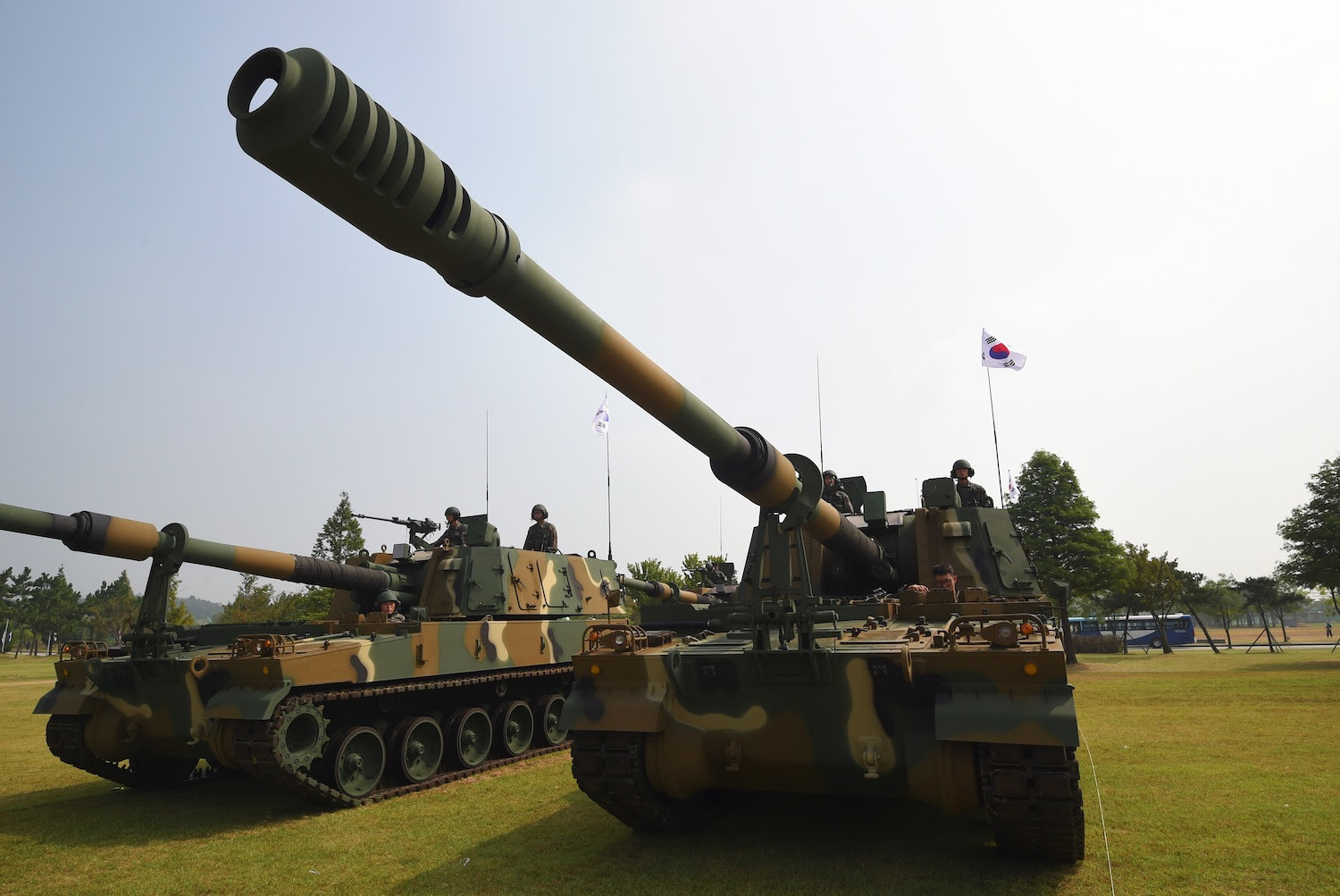
There’s been a not-so-quiet revolution taking place in South Korea in recent years, and it’s all about the defense industry.Since former President Moon Jae-in first took power in 2017, South Korea has turbocharged its arms sales abroad, positioning the country to become one of the world’s leading arms exporters and vastly outpacing the rest of the world in increasing the volume of its arms exports. Under the new conservative government, led by Yoon Suk-yeol, that trend shows no signs of slowing down. Continue reading How South Korea is transforming into a top global arms exporter→
The most advanced category of mass-produced semiconductors — used in smartphones, military technology and much more — is known as 5 nm. A single company in Taiwan, known as TSMC, makes about 90 percent of them. U.S. factories make none.
The U.S.’s struggles to keep pace in semiconductor manufacturing have already had economic downsides: Many jobs in the industry pay more than $100,000 a year, and the U.S. has lost out on them. Longer term, the situation also has the potential to cause a national security crisis: If China were to invade Taiwan and cut off exports of semiconductors, the American military would be at risk of being overmatched by its main rival for global supremacy.
NRC just completed their Phase 1 review of NuScale’s Small Modular Nuclear Reactor. The small size… [+]
NUSCALE
NuScale Power is on track to build the first small modular nuclear reactor in America faster than expected.
Two weeks ago, NuScale’s small modular nuclear reactor design completed the Phase 1 review of its design certification application (DCA) by the U.S. Nuclear Regulatory Commission. That’s a huge deal because Phase 1 is the most intensive phase of the review, taking more hours and effort than the remaining five phases combined.
TTCT – Quan sát Tamara Kriukova trò chuyện với các độc giả của mình tại hội sách quốc tế Matxcơva tháng 9-2017, khó tưởng tượng nữ nhà văn đã ngoài lục tuần.
Tamara Kriukova với chú mèo (nhưng không phải là Barsik) của mình.-Ảnh: P.X.L.
Trẻ trung, hóm hỉnh khiến các khán giả nhí cười vang, Tamara Kriukova cùng các nhân vật của mình đã chiếm một góc ấm áp và tin cậy trong tim những người đọc trẻ. Bà đã dành cho TTCT cuộc trò chuyện nhân cuốn sách đầu tiên của bà, Nhật ký mèo khôn, ra mắt độc giả Việt Nam.
Sinh nhật ngày cá tháng tư
Chị nổi tiếng ở Nga là nhà văn thiếu nhi với đủ các thể loại chinh phục, từ cổ tích, truyện tranh, nhật ký các chú mèo… tới những truyện dài về rung động đầu đời của tuổi thiếu niên… Vì sao chị chọn độc giả trẻ?
Shinzo Abe could sometimes look like yet another one of the world’s modern breed of nationalist leaders, alongside Viktor Orban in Hungary, Vladimir Putin in Russia, Xi Jinping in China and Donald Trump in the U.S.
Abe came from a family of Japanese nationalist politicians, including a grandfather whom the U.S. accused of war crimes during World War II. Abe himself downplayed Japan’s wartime atrocities and spoke of the importance of patriotism and “traditional values.” Above all, he pushed his country to shed its post-1945 pacifism and become more militaristic.
VNE – Trên con đường cõng chữ lên non, có thầy giáo xa vợ con 17 năm, cắm bản ở điểm trường ngã ba biên giới, có cô giáo phải sau 10 năm mới được ăn cơm chung với chồng, con cái chia đôi.
Đêm 28/11/2013, mưa lạnh lắc rắc rơi trên đất Chiềng Ngàm, huyện Thuận Châu, Sơn La. Trong căn phòng công vụ quây ván gỗ của mấy giáo viên trường tiểu học, vợ chồng cô Quàng Thị Sỏm nằm đợi gà gáy để đèo nhau vượt 30 km xuống huyện, nhập viện chờ sinh.
Nhưng cô bé trong bụng Sỏm không muốn theo kế hoạch bố mẹ. Nửa đêm, thai phụ thức giấc vì những cơn đau bụng. Sỏm lay chồng, thở nhọc: “Em sinh”.
Thầy Thiệu chưa kịp dụi mắt, hốt hoảng chạy sang đập cửa phòng vợ chồng đồng nghiệp, nhưng cả bốn người họ đều bối rối vì không ai biết đỡ đẻ, bệnh viện quá xa.
We are raiding the Audio Long Read archives to bring you some classic pieces from years past, with new introductions from the authors.
This week, from 2018: the credibility of establishment figures has been demolished by technological change and political upheavals. But it’s too late to turn back the clock
TTCT – Một khảo sát do Cơ quan Liên Hiệp Quốc về bình đẳng giới và trao quyền cho phụ nữ tại Việt Nam (UN Women) thực hiện từ tháng 2 đến tháng 6-2022 tại 3 trường đại học vừa công bố tuần trước cho thấy 90% nạn nhân không/không thể tìm đến trợ giúp pháp lý.
Ảnh: pinterest.co.uk
Cách đây hơn một tháng, vụ việc nhà thơ Dạ Thảo Phương tố cáo bị cưỡng hiếp từ hơn 20 năm trước khiến truyền thông và mạng xã hội dậy sóng, nay gần như không còn ai nhắc tới. Tương tự, các vụ tố cáo xâm hại tình dục từng là tâm điểm dư luận… đều dần trôi vào im ắng.
Nhìn chung, khi còn ồn ào, các cuộc thảo luận về những vụ việc này đều lục lọi các chi tiết bề mặt mà quên mất căn nguyên: vì sao nhiều vụ việc tố cáo dần chìm vào im lặng, tại sao nhiều nạn nhân chịu đựng suốt một thời gian dài mà không tố cáo. Nếu không tìm được căn nguyên, không thể tìm được cách hỗ trợ và giành lại công lý cho các nạn nhân.
The need for peacebuiliding in post-conflict societies grew out of the realization that true and enduring peace requires more than just signing agreements to stop the fighting. But while many of peacebuilding’s objectives seem self-evident, it is often laborious and expensive—and easily undone. Learn more when you subscribe to World Politics Review (WPR).
NATO’s Strategic Concept defines the security challenges facing the Alliance and outlines the political and military tasks that NATO will carry out to address them.
NATO’s
STRATEGIC CONCEPT
The 2022 Strategic Concept was adopted at the Madrid Summit, 29-30 June 2022. Learn more about NATO’s enduring purpose and its fundamental security tasks.
° The Alliance’s key purpose and greatest responsibility is to ensure the collective defence of Allies. Article 5 of the North Atlantic Treaty remains the bedrock of Allied collective defence.
° NATO’s three core tasks are deterrence and defence; crisis prevention and management; and cooperative security.
‘Like a caged animal’: why Hongkongers in city’s notorious subdivided flats say they have no choice
By Fiona SunPublished June 8, 2022
Hong Kong’s poor and destitute have long been unable to afford anything but subdivided living spaces. Now Beijing wants the local government to rid the city of these tiny units and “cage homes” by 2049. John Lee Ka-chiu, who will be sworn in as the city’s next leader on the 25th anniversary of Hong Kong’s return to Chinese rule on July 1, has pledged to resolve housing woes. In the first of a three-part series, Fiona Sun looks at the city’s worst homes and speaks to the people living in them. Read Part 2 here and Part 3 here.
After a long night shift, security guard Leung returns to the tiny space he calls home in an old residential building in Sham Shui Po.
Cho đến thời điểm hiện tại, đa số các nước lớn, có trình độ khoa học kỹ thuật phát triển, nền kinh tế tăng trưởng cao trên thế giới đều đã và đang sử dụng điện hạt nhân. Có nhiều nước đang phát triển chưa đủ điều kiện phát triển điện hạt nhân nhưng vẫn xây dựng chiến lược phát triển điện hạt nhân trong tương lai.
Vào đầu tháng 4/2022, Bộ trưởng Bộ Công nghiệp và Thương mại Singapore đã đề xuất trước Quốc hội nước này về việc phát triển điện hạt nhân.
Trước đó, đầu tháng 3/2022, Tổng thống Philippines đã ký sắc lệnh đưa điện hạt nhân vào cơ cấu năng lượng của nước này với mục tiêu giảm nhiệt điện than và giảm phát thải khí carbon.



![NRC just completed their Phase 1 review of NuScale’s Small Modular Nuclear Reactor. The small size... [+] of its Power Module means it can be factory-built and shipped by truck, deceasing construction costs enormously.](https://imageio.forbes.com/blogs-images/jamesconca/files/2018/05/TruckTransportGraphic.jpg?format=jpg&width=960)