

Dear Brothers and Sisters,
If you have some Vietnamese blood in you, using the Vietnamese cultural niceties in your communication at times may mean you have expanded your communication arsenal greatly. These cultural niceties are super-effective in diplomatic meetings between government officials from various countries. Usually, you add these niceties to your international handshake used normally around the world – a nice gesture may be added before or after your handshake, but after the handshake is probably better, because that means your “last word.”
1. Hand covering fist. One hand closes into a fist, and the other hand covers the fist. Hold both at the chest. This is a gesture of gratitude and humility. For men, the left hand covers the right fist; for women, the right hand covers the left fist.
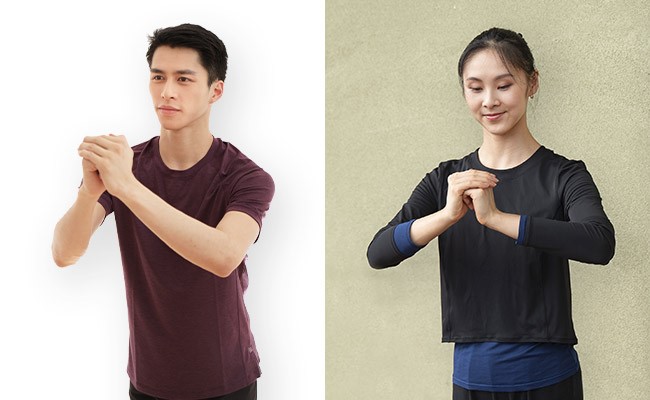
2. If you keep both hands on your chest, as mentioned above, and bend your head down down a bit, just like a nod, or better yet, bend your body 15 degees, in the Japanese Eshaku style, the effect would be more powerful.
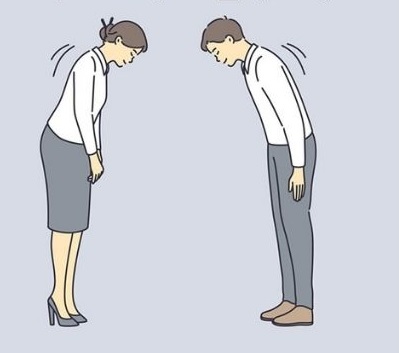 Eshaku
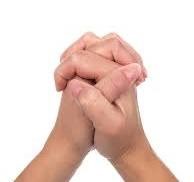
3. Interlacing hands: Instead of hand covering fist, you can interlace the fingers of both hands and keep them by the chest, almost like praying. And do a head-bending nod, or bend your body in Japanese Eshaku style.
4. Putting the two palms together in front of your chest, in the Buddhist (or Thai) style. That is a gesture of ultimate respect and gratitude. And do a head-bending nod, or bend your body in Japanese Eshaku style.
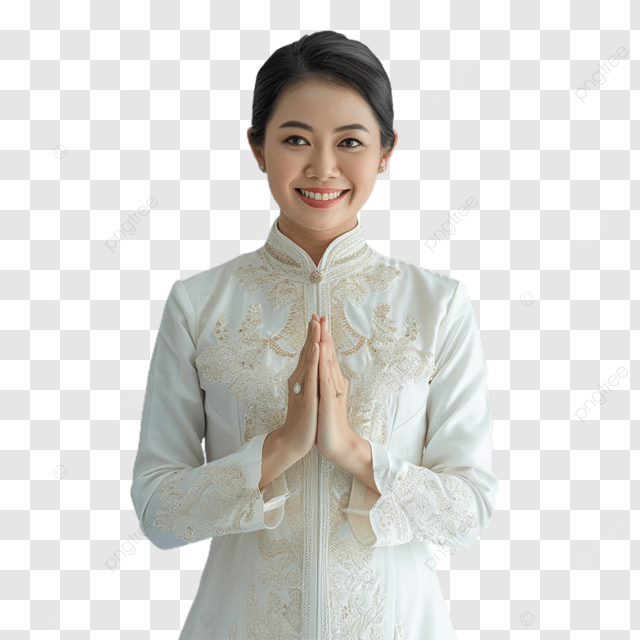
Note: You can use hand gesture without nodding or body bending Eshaku style.
However, the additional nod, or better yet the Eshaku body bend, would bring your entire gesturing system to its ultimate communication effects.
5. You can shake hand normally with someone (right hand), but place you left hand on top of both shaking hands, to show warmth and friendship.

6. When coming into a meeting table, wait for some other persons, especially the person with highest ranking, to sit first, before you sit down, to show humility and respect.
7. If that is an eating table, wait for someone, especially some high-ranking person, to start first, then you may follow.
In summary, Vietnamese culture, as well as other Asian cultures, focuses on humility, respect, and gratitude. Use those cultural traits to do your international work, especially diplomatic work.
And you shall win.
With compassion,
Hoành
© copyright 2024
Trần Đình Hoành
Permitted for non-commercial use
www.dotchuoinon.com
 Đọt Chuối Non