
International Institute for Security Studies (Shangri-La Dialogue)
As Delivered by Secretary of Defense Robert M. Gates, Shangri-La Hotel, Singapore, Saturday, June 04, 2011
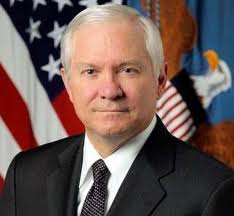 Thank you, John, for that kind introduction.
And congratulations to the International Institute for Strategic Studies on reaching this important milestone with the tenth Shangri-La Security Dialogue. This conference, in that relatively short span of time, has become a vital forum for encouraging dialogue and understanding among the participant countries.
I’d also like to extend my thanks to the government of Singapore for hosting us once again, and to the Shangri-La hotel staff for all their hard work as well. Although the mix of weighty topics and senior governmental officials is clearly the main draw for attendees, I’ve long suspected that one of the key reasons people keep coming back to this event is the wonderful hospitality of this hotel and this city.
Indeed, this is the fifth consecutive year I’ve participated in this dialogue as Secretary of Defense, and as you know, it will be my last. The opportunity to lead the United States Department of Defense for four and a half years has been an extraordinary honor, for which I thank both President Bush and President Obama. It has also given me perspective on the principal subject I want to discuss today: the enduring and consistent nature of America’s commitments in Asia, even in times of transition and change.
As someone who will leave government having served eight presidents, I know something about the uncertainty that transitions can cause. In fact, I’ve touched on this subject in my remarks here before. At the 2008 session, not knowing what the outcome of the United States presidential election would be – and certainly not thinking that I would be a member of the new administration – I said that the next American president would be almost certain to sustain our engagement and our presence in this region. As the record shows, and my speech I hope will make clear, under President Obama that engagement has not only been sustained, it has been broadened and enhanced in a variety of ways. And I believe the same will hold true with respect to U.S. defense policy under Leon Panetta, the distinguished statesman nominated as my successor.
Nonetheless, we meet today at a time when the United States faces a daunting set of challenges at home and abroad. When questions are being raised about the sustainability and credibility of our commitments around the world. These questions are serious and legitimate.
No doubt, fighting two protracted and costly wars in Iraq and Afghanistan has strained the U.S. military’s ground forces, and worn out the patience and appetite of the American people for similar interventions in the future. On the domestic front, the United States is emerging slowly from a serious recession with huge budget deficits and growing debt that is putting new scrutiny and downward pressure on the U.S. defense budget.
These are some of the stark realities we face, to be sure. But at the same time, it is important, in this place, before this audience, to recognize an equally compelling set of facts with respect to America’s position in Asia. A record demonstrating that, irrespective of the tough times the U.S. faces today, or the tough budget choices we confront in the years to come, that America’s interests as a Pacific nation – as a country that conducts much of its trade in the region – will endure. And the United States and Asia will only become more inextricably linked over the course of this Century. As I hope my presentation today will show, these realities, and this understanding – shared by U.S. leaders and policy makers across the political spectrum – argue strongly for sustaining our commitments to allies while maintaining a robust military engagement and deterrence posture across the Pacific Rim.
This statement is underscored by the significant growth in the breadth and intensity of U.S. engagement in Asia in recent years – even at a time of economic distress at home and two major military campaigns ongoing in Iraq and Afghanistan. Three years ago, I spoke at this gathering and touted the fact that I was on my fourth major trip to Asia-Pacific in the previous 18 months. Now, I can report that this is my fourteenth Asia trip over the last four and a half years. Next month, Secretary of State Clinton will embark on her eighth trip to Asia, and President Obama has made a major Asia trip each year he has been in office.
Indeed, one of the most striking – and surprising – changes I’ve observed during my travels to Asia is the widespread desire across the region for stronger military-to-military relationships with the United States – much more so than during my last time in government 20 years ago.
Our engagement in Asia has been guided by a set of enduring principles that have fostered the economic growth and stability of the region. I spoke about these principles last year, but I think it is worth reiterating our commitment to them once more today:
- Free and open commerce;
- A just international order that emphasizes rights and responsibilities of nations and fidelity to the rule of law;
- Open access by all to the global commons of sea, air, space, and now, cyberspace; and
- The principle of resolving conflict without the use of force.
The commitment and presence of the United States as a Pacific nation has been one of relatively few constants amidst the furious changes in this region over the past half-century. But as this region has changed, America has always shown the flexibility not only maintain our presence in the Asia-Pacific, but to enhance it – by updating relationships, developing new capabilities, and transforming our defense posture to meet the challenges of the day.
For example, after fighting a devastating war, the United States and Japan built an alliance that has weathered innumerable tests and proven to be a cornerstone of stability in the region. The most recent and compelling display of the value of our alliance was the sight of the U.S. and Japanese troops working together to bring aid and sustenance to the survivors of the horrific earthquake and tsunami in March.
Consider that within 24 hours of the earthquake, the United States initiated Operation TOMODACHI to deliver assistance to the affected areas in support of the Japanese Self-Defense Forces – more than 100,000 of whom had been mobilized by the Japanese government. At the peak of these closely coordinated joint relief efforts, the United States had more than 24,000 personnel, 190 aircraft, and 24 ships supporting Japan’s response. The U.S. military and Japanese Self-Defense Forces delivered relief supplies to affected communities, repaired transportation infrastructure, and searched for survivors along the affected coast line. This effort demonstrated the high-level of interoperability between the U.S and Japanese defense forces and served to validate years of investments by both nations in combined training and capabilities. Today it is clear that the alliance not only has survived this tragedy, but emerged even stronger and even more vital.
The U.S. alliance with the Republic of Korea remains another pillar of our Asia-Pacific security strategy – one that has emerged out of its Cold War origins to confront a new array of security challenges in the region and globally as well. Our two militaries continue to develop our combined capabilities to deter and defeat, if necessary, North Korean aggression. But the U.S.-ROK alliance is not designed to simply stand against another nation. It must also stand for something, in order to be meaningful and to endure. In this respect, our efforts to build a truly “global” alliance and to work with others in response to crisis situations around the world, such as in Haiti or Afghanistan, demonstrate our collective commitment to promote stability and prosperity beyond Korea’s shores as well.
Not only in Korea, but in nations across Asia, Cold War turbulence has given way to new partnerships and cooperation. Out of an era of conflict that left an indelible imprint on both our peoples, the United States and Vietnam have forged ahead and built a strong and vibrant bilateral relationship. Together, the United States and Vietnam have demonstrated how to build upon the past without being bound to repeat it. This commitment to overcome seemingly insurmountable obstacles led us to where we are today: partnership on a range of issues including trade and investment, education and health, and security and defense.
We are also now working together with China to build a positive, cooperative, and comprehensive relationship. In that effort, we are seeing the fruits of bold decisions by three American presidents in the 1970s, Republicans and Democrats, to build a rapport between the two nations that ultimately resulted in the normalization of relations in 1979. It was one of the highlights of my professional career to serve as a young staff assistant in the White House when that process unfolded.
Thirty years later, as Secretary of Defense, I have made it a priority to build military-to-military ties with China, which have steadily improved in recent months. Last January, I had a very positive visit to China, and just a few weeks ago our Chairman of the Joint Chiefs of Staff, Admiral Mullen, hosted General Chen, Chief of the PLA General Staff, for a week-long visit to the United States, where General Chen was shown a number of different U.S. military installations. It’s always my pleasure to meet again with pleasure dialogue, and we are very pleased to see him here at the Shangri-La dialogue.
Also remarkable is the transformation in the U.S.-India relationship over the past decade – from an uneasy coexistence during the Cold War to a partnership based on shared democratic values and vital economic and security interests. A partnership that will be an indispensable pillar of stability in South Asia and beyond. Whether countering piracy, increasing participation in multilateral venues, or aiding the development of Afghanistan, our partnership is playing a vital role.
Although bolstering our bilateral relationships in the region has been a key priority in the Asia-Pacific area, the United States has also made a major commitment to help foster new multilateral cooperation. One of the critical challenges of the Asian security environment has long been the lack of strong mechanisms for cooperation between nations in the region. Over the past few years, I have made it a personal priority to support efforts underway to remedy this problem. This is the reason that last year the United States was the first non-ASEAN nation to accept the invitation to join the ASEAN Defense Ministers Plus forum. It was an honor to attend the inaugural meeting of the ADMM-Plus in Hanoi last October, and I am optimistic that it will be a key body for making progress on a number of issues of shared interest – including maritime security, humanitarian assistance and disaster relief, and peacekeeping operations.
Maritime security remains an issue of particular importance for the region, with questions about territorial claims and the appropriate use of the maritime domain presenting on-going challenges to regional stability and prosperity. The U.S. position on maritime security remains clear: we have a national interest in freedom of navigation; in unimpeded economic development and commerce; and in respect for international law. We also believe that customary international law, as reflected in the UN Convention on the Law of the Sea, provides clear guidance on the appropriate use of the maritime domain, and rights of access to it. By working together in appropriate regional and multilateral fora, and adhering to principles that we believe are of benefit to all in the region, we can ensure that all share equal and open access to international waterways.
Experience consistently shows that pursuing our common interests together increases our common security. As I have stated before, providing for security and upholding the principles I mentioned earlier is not the task of any one nation alone, but the shared responsibility of all nations. This is the one reason we have placed a premium on building the partner capacity of friends in the region and enhancing the role of multilateral cooperation and organizations in Asia-Pacific security affairs.
Even so, we recognize that the American defense engagement – from our forward deployed forces to exercises with regional partners – will continue to play an indispensable role in the stability of the region. Although much of the press in both the United States and the region has been focused in recent years on our efforts to modernize our basing arrangements with traditional allies in Northeast Asia – and our commitment to those efforts is absolute – we’ve taken a number of steps towards establishing a defense posture across the Asia Pacific that is more geographically distributed, operationally resilient, and politically sustainable. A posture that maintains our presence in Northeast Asia while enhancing our presence in Southeast Asia and into the Indian Ocean.
For example, this past November, the U.S. and Australia established a force posture working group tasked with expanding opportunities for our two militaries to train and operate together – to include alliance arrangements that would allow for more combined defense activities and shared use of facilities.
Together, we are evaluating a range of options, including:
- Increasing our combined naval presence and capabilities to respond more readily to humanitarian disasters;
- Improving Indian Ocean facilities – a region of growing international importance; and
- Expanding training exercises for amphibious and land operations, activities that could involve other partners in the region.
In Singapore, we are strengthening our bi-lateral defense relationship within the context of the Strategic Framework Agreement and pursuing more operational engagement – most notably, by deploying U.S. Littoral Combat Ships to Singapore. We are examining other ways to increase opportunities for our two militaries to train and operate together, to include:
- Prepositioning supplies to improve disaster response;
- Improving command and control capabilities; and
- Expanding training opportunities to help prepare our forces for the challenges both militaries face operating in the Pacific.
Although we will continue to maintain and enhance our traditional presence in the Asia-Pacific region through efforts such as these, we believe that U.S. presence, and the associated impact and influences should not solely be measured in terms of conventional metrics, or “boots on the ground.” In the coming years, the U.S. military is going to be increasing its port calls, naval engagements, and multilateral training efforts with multiple countries throughout the region. These types of activities not only broaden and deepen our relationships with friends and allies, they help build partner capacity to address regional challenges.
Taken together, all of these developments demonstrate the commitment of the United States to sustaining a robust military presence in Asia – one that underwrites stability by supporting and reassuring allies while deterring, and if necessary defeating, potential adversaries.
No doubt, sustaining this forward military presence and commitments is costly, and cannot be disentangled from the wider discussions of the U.S. fiscal predicament in general, and the pressures on our defense budget in particular. I know this topic is top of the mind at this conference and around the region.
As I noted at the beginning of my remarks, the U.S. faces some serious fiscal challenges at home, and the defense budget – even if not the cause of America’s fiscal woes – must be at least part of the solution. Anticipating this scenario, I have spent that last two years carving out as much budget space as possible by cancelling troubled or unneeded weapons programs and culling excess overhead.
As I said at a speech last week, having removed the most troubled and questionable weapons programs from the budget, we are left with modernization efforts that our defense leaders have deemed absolutely critical to the future – relating to air superiority and mobility, long-range strike, nuclear deterrence, maritime access, space and cyber, and intelligence, surveillance and reconnaissance. Though the review is not complete, I am confident that these key remaining modernization programs – systems that are of particular importance to our military strategy in Asia – will rank at or near the top of our defense budget priorities in the future.
Many of those key modernization programs would address one of the principal security challenges we see growing over the horizon: The prospect that new and disruptive technologies and weapons could be employed to deny U.S. forces access to key sea routes and lines of communication.
The U.S. Navy and Air Force have been concerned about anti-access and area denial scenarios for some time. These two military services are working together to develop a new concept of operations – called “Air-Sea Battle” – to ensure that America’s military will continue to be able to deploy, move, and strike over great distances in defense of our allies and vital interests.
The record of growing U.S. engagement in Asia, combined with the investments being made in capabilities most relevant to preserving the security, sovereignty, and freedom of our allies and partners in the region, show that America is, as the expression goes, putting “our money where our mouth is” with respect to this part of the world – and will continue to do so. These programs are on track to grow and evolve further into the future, even in the face of new threats abroad and fiscal challenges at home, ensuring that that we will continue to meet our commitments as a 21st century Asia-Pacific nation – with appropriate forces, posture, and presence.
Now, I acknowledge that are still some myopic souls who will argue that we cannot sustain our role in Asia-Pacific. That there are some voices of gloom and doom who would also argue that the best days of the United States are behind it. No doubt the challenges America faces as a nation are daunting. But as I end my career in government, I remain completely optimistic about the prospects of the United States because I have seen first-hand the staying power and adaptability of America over the course of my life. Indeed, history’s dustbin is littered with dictators and aggressors who underestimated America’s resilience, will, and underlying power.
It was forty-five years ago this summer that I first went to Washington to begin my career at the height of the U.S. buildup in Vietnam. What lay ahead during my first decade in government were:
- Two assassinations at home of historic consequence, with violent domestic turmoil;
- The resignation of a president in disgrace;
- A costly and hasty withdrawal of U.S. forces from Vietnam; and
- An economy battered by high inflation and high interest rates.
As I ended my first decade in government in the mid 1970s, the United States faced even more pointed questions about its place in the world, its place in Asia, and its ultimate prospects for success than it does today. But it was during that discouraging period that the groundwork was being laid – through policies pursued by administrations of both American political parties – for the remarkable turn of events of the following decades: victory in the Cold War and the dissolution of the Soviet Union, the liberation of hundreds of millions of people behind the iron curtain and around the world, and a period of renewed global prosperity – with Asia leading the way. And despite predictions to the contrary, America’s setback in Vietnam did not spell the end of our engagement in Asia – in fact, as I mentioned earlier, we pursued a new relationship in China and have been expanding our defense partnerships in the region, including Vietnam, ever since.
There is no way we can predict the future, nor can we predict the effect that decisions made today will have a decade or two from now. But I believe our work in Asia is laying the groundwork for continued prosperity and security for the United States and for all in the region. It has been enormously gratifying through the course of my career to see the profound good that has come about from American engagement in Asia. And as I leave the United States government, I have no doubt that future generations will have a similar story to tell about the benefits of American power, presence and commitment in this region.
For when America is willing to lead the way; when we meet our commitments and stand with our allies, even in troubling times; when we prepare for threats that are on the ground and on the horizon, and even beyond the horizon; and when we make the necessary sacrifices and take the necessary risks to defend our values and our interests – then great things are possible, and even probable for our country, this region, and the world.
Chính sách an ninh của Mỹ ở châu Á Thái Bình dương
Tại hội nghị an ninh châu Á, Bộ trưởng quốc phòng Mỹ Robert Gates nhấn mạnh tầm quan trọng ngày càng tăng của khu vực này, tái khẳng định cam kết hiện diện lâu dài ở Đông Á.
Bài phát biểu hôm qua của ông đề cao mối quan hệ đồng minh giữa Mỹ với Nhật Bản, Hàn Quốc; ca ngợi những bước phát triển trong quan hệ quân sự với Việt Nam; nhấn mạnh nhu cầu tiếp tục đối thoại và hiểu biết lẫn nhau hơn nữa giữa Mỹ với Trung Quốc; tái khẳng định cam kết với các bạn bè của Mỹ ở Đông Nam Á như Singapore, Philippines cũng như ở Nam Thái Bình dương và Ấn Độ Dương.
Phát biểu được đưa ra trước sự hiện diện của các phái đoàn chính phủ và quân sự cấp cao của 28 nước, cũng đề cập các nguy cơ an ninh mới, trong đó có tranh chấp chủ quyền và an ninh hàng hải trong khu vực. Ông Gates đánh giá an ninh hàng hải là một trong các chủ đề đặc biệt quan trọng trong khu vực
 |
| Tàu sân bay USS George Washington – ngôi sao của hạm đội 7 của Mỹ. Ảnh: US Navy. |
Dưới đây là trích phát biểu của ông:
…Đây là lần thứ 5 liên tiếp tôi được tham gia đối thoại quốc phòng ở diễn đàn này, và đây là lần cuối cùng. Những cơ hội đó cho tôi một góc nhìn về chủ đề chính mà tôi sẽ nói hôm nay: Cam kết lâu dài và vững chắc của Mỹ ở châu Á trong một bối cảnh đang thay đổi.
Là một người sắp rời chính phủ sau khi đã phục vụ 8 đời tổng thống, tôi hiểu phần nào sự bất định mà thời đổi thay mang đến. Trên thực tế, tôi đã đề cập chủ đề này cách đây hai năm, năm 2008, khi chúng ta chưa biết được kết quả bầu cử tổng thống Mỹ. Khi đó tôi nói rằng bất cứ tổng thống Mỹ mới nào lên cũng sẽ duy trì cam kết và sự hiện diện của Mỹ ở khu vực này.
Với những gì đã qua và với bài phát biểu của mình, tôi hy vọng có thể nói rõ rằng, dưới thời Tổng thống Barack Obama, cam kết kể trên không những được duy trì, mà còn được mở rộng và tăng cường bằng nhiều cách khác nhau. Và tôi tin tưởng rằng điều này sẽ vẫn đúng với chính sách quốc phòng Mỹ dưới thời ông Leon Panetta, một chính khách xuất sắc được bổ nhiệm là người tiếp quản vị trí của tôi.
Tuy nhiên, chúng ta gặp nhau hôm nay vào thời điểm mà nước Mỹ phải đối mặt với nhiều thách thức cả trong và ngoài nước. Khi những câu hỏi về tính bền vững và sự đáng tin cậy trong những cam kết của chúng tôi đang được đặt ra trên khắp thế giới. Đây là những câu hỏi nghiêm túc và chính đáng.
Rõ ràng, việc tham gia vào hai cuộc chiến kéo dài và tốn kém tại Iraq cũng như Afghanistan đã ảnh hưởng nhiều tới các lực lượng mặt đất của quân đội Mỹ, tác động tới sự kiên nhẫn và chờ đợi của nhân dân Mỹ đối với những sự can thiệp tương tự trong tương lai. Ở trong nước, Mỹ đang hồi phục dần sau sự suy thoái nghiêm trọng với thâm hụt ngân sách lớn và nợ gia tăng, và điều này đang khiến cho ngân sách quốc phòng của Mỹ được xét một cách kỹ lưỡng hơn và dưới sức ép hơn.
Rõ ràng là chúng tôi đang phải đối mặt với thực tế khó khăn. Nhưng vào thời điểm này, tại nơi đây và trước tất cả các vị, việc nhìn nhận một cách thực tế và công bằng vai trò của Mỹ tại châu Á là rất quan trọng. Lịch sử chỉ ra rằng, cho dù trong bất kỳ giai đoạn khó khăn hay những lựa chọn nào về ngân sách mà chúng tôi phải đương đầu, sự quan tâm của Mỹ với tư cách là một quốc gia Thái Bình Dương, một quốc gia có nhiều trao đổi thương mại tại khu vực này, vẫn sẽ được duy trì dài lâu. Mỹ cùng với châu Á sẽ tiếp tục duy trì mối quan hệ gắn bó chặt chẽ trong thế kỷ này.
Vì thế, tôi hy vọng bài thuyết trình của tôi hôm nay sẽ cho thấy những thực tế này cũng như sự nhận thức chung, được chia sẻ bởi các nhà lãnh đạo Mỹ và những người làm chính sách trong toàn chính giới, là minh chứng mạnh mẽ cho cam kết lâu bền của chúng tôi đối với các đồng minh, cũng như duy trì sự can dự mạnh mẽ và thế răn đe trong toàn vành đai Thái Bình dương.
Tuyên bố này được minh chứng bởi sự tăng trưởng đáng kể về quy mô và cường độ trong những cam kết của Mỹ tại châu Á những năm gần đây, thậm chí ngay ở thời điểm nền kinh tế Mỹ đi xuống và hai chiến dịch quân sự lớn đang diễn ra tại Iraq và Afghanistan. Ba năm trước, tôi đã nói rằng cam kết của Mỹ được thể hiện bằng thực tế là tôi đã có bốn chuyến công du quan trọng tại châu Á – Thái Bình Dương trong vòng 18 tháng. Giờ đây, tôi có thể thông báo rằng đây là chuyến đi thứ 14 của tôi tới châu Á trong vòng 4 năm rưỡi vừa qua. Tháng tới, Ngoại trưởng Mỹ Hillary Clinton sẽ có chuyến công du thứ 8 tại châu Á. Còn Tổng thống Obama sẽ có một chuyến thăm châu Á quan trọng trong năm nay, nghĩa là mỗi năm một lần kể từ khi ông lên nắm quyền.
Quả thực, một trong những thay đổi nổi bật và bất ngờ mà tôi thấy trong những chuyến thăm châu Á là mong muốn ngày một lớn tại khu vực này về mối quan hệ quân sự chặt chẽ hơn với Mỹ, lớn hơn rất nhiều so với 20 năm trước đây.
Cam kết của chúng tôi tại châu Á được dẫn dắt bởi những nguyên tắc lâu dài, điều khiến duy trì sự phát triển kinh tế và bền vững ở khu vực này. Tôi đã nói về những nguyên tắc này năm ngoái, nhưng tôi cho rằng vẫn cần phải nhắc lại một lần nữa hôm nay để tái khẳng định cam kết của chúng tôi:
– Thương mại tự do và công khai
– Địa vị quốc tế ngang bằng, đề cao quyền và trách nhiệm của các quốc gia, cũng như sự tuân thủ đối với nguyên tắc luật pháp
– Việc tiếp cận không hạn chế trên toàn cầu đối với biển, không gian, khoảng không và giờ đây là cả không gian ảo trên mạng Internet
– Nguyên tắc giải quyết mâu thuẫn không dùng tới vũ lực.
Mỹ luôn thể hiện sự linh hoạt không chỉ ở việc duy trì sự hiện diện ở châu Á-Thái Bình Dương, mà còn ở việc tăng cường sự hiện diện này, bằng cách làm mới các mối quan hệ, phát triển những khả năng mới, và thay đổi quan điểm quân sự của chúng tôi để đối phó với những thách thức.
Ví dụ, sau một cuộc chiến với nhiều thương đau, Mỹ và Nhật Bản đã trở thành đồng minh, một mối quan hệ đã trải qua nhiều thử thách và được minh chứng là nền móng cho sự ổn định tại khu vực này. Ví dụ mới nhất và thuyết phục nhất cho mối quan hệ đồng minh của chúng tôi là sự sát cánh của binh sĩ hai nước trong việc cứu trợ và giúp đỡ những người sống sót sau thảm họa động đất sóng thần hồi tháng 3 vừa qua.
Mối quan hệ đồng minh giữa Mỹ và Hàn Quốc là một cột trụ khác trong chiến lược an ninh châu Á – Thái Bình Dương của chúng tôi. Quân đội hai nước tiếp tục phát triển những khả năng phối hợp để ngăn chặn và đánh bại đối phương. Nhưng mối quan hệ đồng minh Mỹ – Hàn không chỉ được thiết lập vì điều đó, nó còn được duy trì vì những điều khác có ý nghĩa và lâu dài.
Thoát ra khỏi một thời kỳ vốn gây nhiều ảnh hưởng sâu đậm tới người dân hai nước, Mỹ và Việt Nam đã tiến lên và xây dựng một mối quan hệ song phương vững chắc và sống động. Cùng với nhau, Mỹ và Việt Nam đã tìm ra cách để xây dựng mối quan hệ trên một quá khứ nhưng không để bị quá khứ ảnh hưởng. Cam kết giữa hai nước nhằm vượt qua những trở ngại tưởng chừng như không thể hóa giải đã đưa chúng tôi tới mối quan hệ như ngày hôm nay: đối tác trong nhiều lĩnh vực, bao gồm thương mại và đầu tư, giáo dục và y tế, an ninh và quốc phòng.
Chúng tôi giờ đây cũng hợp tác với Trung Quốc để xây dựng một mối quan hệ toàn diện, hợp tác và tích cực. Với nỗ lực ấy, chúng tôi đang được thấy những kết quả từ những quyết định táo bạo của ba tổng thống Mỹ trong những năm 1970, những người thuộc đảng Dân chủ và đảng Cộng hòa, để xây dựng một mối quan hệ hòa hợp giữa hai quốc gia mà cuối cùng dẫn tới việc bình thường hóa quan hệ vào năm 1979.
Sự chuyển hóa trong mối quan hệ Mỹ – Ấn Độ cũng là một điểm nhấn đáng chú ý trong vòng một thập kỷ qua, từ chỗ là còn nhiều bất đồng tới việc trở thành đối tác dự trên việc chia sẻ những giá trị dân chủ và những lợi ích an ninh, kinh tế sống còn. Một sự hợp tác được coi là một cột trụ không thể thiếu được đối với sự ổn định của khu vực Nam Á và hơn thế nữa.
Dù việc thúc đẩy các mối quan hệ song phương trong khu vực này là một ưu tiên hàng đầu tại châu Á – Thái Bình Dương, Mỹ cũng cam kết mạnh mẽ trong việc giúp phát triển những mối hợp tác đa phương. Một trong những thách thức nghiêm trọng của môi trường an ninh châu Á là việc thiếu cơ chế chặt chẽ trong việc hợp tác giữa các quốc gia trong khu vực này. Trong vài năm qua, tôi đã ưu tiên hỗ trợ những nỗ lực nhằm giải quyết vấn đề này. Đó là lý do vì sao Mỹ năm ngoái là thành viên không thuộc ASEAN đầu tiên chấp nhận lời mời tham dự Hội nghị Bộ trưởng Quốc phòng ASEAN mở rộng (ADMM+). Tôi đã rất vinh dự được tham dự lễ khai mạc của hội nghị này tại Hà Nội tháng 10/2010, và tôi lạc quan rằng đó sẽ là một cơ chế quan trọng để mang lại nhiều tiến triển đối với những vấn đề cùng được quan tâm, bao gồm an ninh hàng hải, viện trợ nhân đạo và giảm nhẹ thiên tai, cũng như các hoạt động gìn giữ hòa bình.
An ninh hàng hải là một vấn đề đặc biệt quan trọng đối với khu vực này, bởi các tuyên bố về chủ quyền lãnh thổ và việc sử dụng các vùng nước sao cho thích hợp đang đặt ra những thách thức hàng ngày cho an ninh và thịnh vượng của khu vực.
Quan điểm của Mỹ về an ninh hàng hải là rất rõ ràng: chúng tôi có lợi ích quốc gia trong việc duy trì tự do lưu thông; tự do phát triển kinh tế và thương mại; tôn trọng luật lệ quốc tế. Chúng tôi cũng tin rằng các thông lệ quốc tế được phản ánh trong Công ước về luật biển năm 1982, đã hướng dẫn rõ ràng để (các bên) có thể sử dụng thích hợp các vùng nước cũng như quyền tiếp cận các vùng nước. Bằng việc hợp tác cùng nhau trong các diễn đàn khu vực và đa phương, tuân thủ các nguyên tắc cùng có lợi cho tất cả các bên trong khu vwch, chúng ta có thể đảm bảo rằng tất cả các bên đều có được quyền tiếp cận bình đẳng và cởi mở đối với các tuyến giao thông thủy quốc tế.
Phan Lê
 Đọt Chuối Non