(Dân trí) – Chủ đầu tư đang tiến hành lấp gần 50ha mặt nước biển ở vịnh trung tâm Cát Bà, thuộc thị trấn Cát Bà, huyện đảo Cát Hải (TP Hải Phòng) để xây dựng dự án khu du lịch, dịch vụ thương mại.
Vịnh trung tâm Thị trấn Cát Bà trước và sau khi lấn biển
Thị trấn Cát Bà là trung tâm hành chính, kinh tế, xã hội của huyện Cát Hải, TP Hải Phòng. Diện tích tự nhiên của thị trấn Cát Bà khoảng 336ha.
Ngoài ra, thị trấn Cát Bà còn là trung tâm du lịch, dịch vụ hậu cần nghề cá của huyện Cát Hải và TP Hải Phòng. Cát Bà là trung tâm du lịch của huyện Cát Hải và TP Hải Phòng.
Trong ảnh là khu vực trung tâm thị trấn Cát Bà nhìn ra vịnh Cát Bà
China has set its sights on the Global South, and on ASEAN – the Association of Southeast Asia Nations – one of the fastest growing regions in the world.
ASEAN’s fastest growing economy is now facing serious headwinds from Trump tariffs. As Vietnam sent a team to Washington to negotiate, China stepped up its diplomatic efforts here. Trade and investment between the 2 countries had been steadily growing despite differences in the South China Sea. Is this a new chapter in complex Vietnam-China relations? Continue reading Will Vietnam deepen ties with China because of Trump tariffs?→
(Chinhphu.vn) – Thay mặt Bộ Chính trị, Tổng Bí thư Tô Lâm vừa ký Nghị quyết số 68-NQ/TW ngày 4/5/2025 của Bộ Chính trị về phát triển kinh tế tư nhân. Cổng Thông tin điện tử Chính phủ trân trọng giới thiệu toàn văn Nghị quyết này.
Nghị quyết số 68-NQ/TW của Bộ Chính trị về phát triển kinh tế tư nhân
Enforced disappearances, torture, extrajudicial killings: The human rights abuses allegedly committed by former Prime Minister Sheikh Hasina’s regime have left scores of Bangladeshis scarred and traumatised.
After a student-led movement overthrew the government in 2024, the full extent of the suffering is finally coming to light as an interim government, led by 84-year-old Nobel Peace Prize winner Muhammad Yunus, tries to rebuild a shattered nation.
From repairing the demoralised police force to seeking justice for victims and presiding over unstable relations with India, it’s a daunting task. How will Bangladesh rise from the rubble of a dictator’s rule? 101 East investigates.
Đà Lạt, Vinh, Nam Định, Nha Trang, Việt Trì, Mỹ Tho… cùng hàng chục đô thị hiện nay sẽ chuyển từ mô hình thành phố thuộc tỉnh sang quản lý trực tiếp theo cấp xã, phường.
Phố cổ Hội An. Ảnh: Đắc Thành
Đề án sắp xếp đơn vị hành chính và xây dựng mô hình chính quyền địa phương hai cấp do Thủ tướng Phạm Minh Chính ký ngày 14/4 quyết định bãi bỏ cấp huyện. Điều này đồng nghĩa với việc các mô hình quen thuộc như thành phố thuộc tỉnh, thành phố thuộc thành phố, quận, huyện và thị xã sẽ chấm dứt mô hình hoạt động.
Nền tảng cho sự thay đổi mang tính đột phá này bắt nguồn từ chủ trương đã được Bộ Chính trị, Ban Bí thư và Trung ương thống nhất thông qua tại hội nghị lần thứ 11 (Trung ương 13) với mục tiêu tối thượng là xây dựng một bộ máy nhà nước tinh gọn, hiệu lực và hiệu quả hơn.
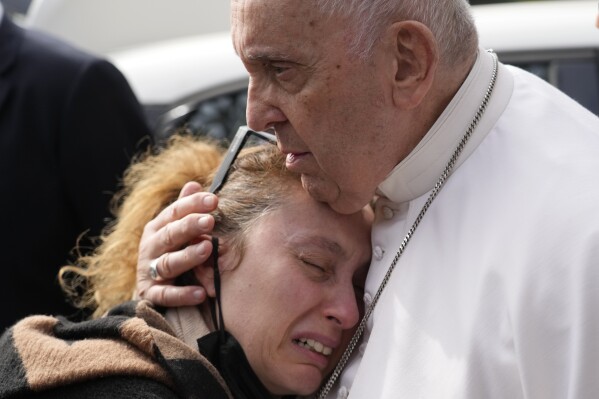
The Argentine-born Jorge Mario Bergoglio brought a breath of fresh air into a 2,000-year-old institution that had seen its influence wane during the troubled tenure of Pope Benedict XVI, whose surprise resignation led to Francis’ election.
Linggong Kong does not work for, consult, own shares in or receive funding from any company or organisation that would benefit from this article, and has disclosed no relevant affiliations beyond their academic appointment.
Partners
Auburn University provides funding as a member of The Conversation US.
The move, in Trump’s telling, was prompted by Beijing’s “lack of respect for global markets.” But the U.S. president may well have been smarting from Beijing’s apparent willingness to confront U.S. tariffs head on.
Theo Nghị quyết 60, Việt Nam sẽ còn 28 tỉnh, 6 thành phố trực thuộc Trung ương sau khi 52 địa phương sáp nhập thành 23 và 11 tỉnh, thành giữ nguyên trạng.
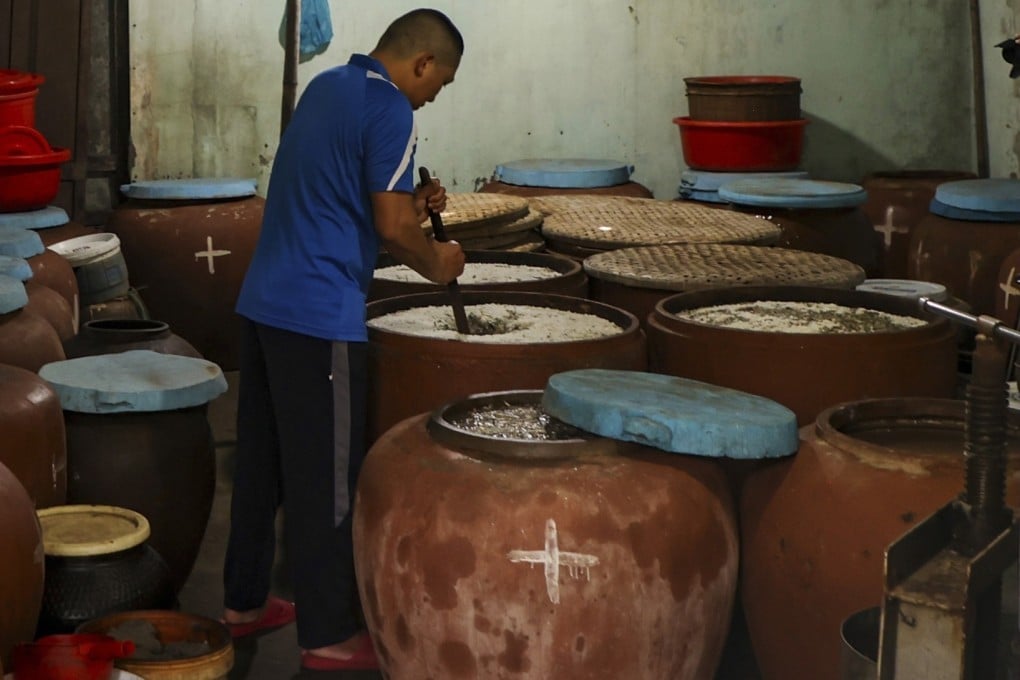
Bui Van Phong faced a choice when the Vietnam war ended 50 years ago: stay in his small village and help his parents carry on the family’s centuries-old tradition of making fish sauce, or join the hundreds of thousands of people fleeing his country for a better life.
Phong chose to stay behind and nurtured a business making the beloved condiment, known as nuoc mam in Vietnam, that is now in its fourth generation with his son, Bui Van Phu, 41, at the helm.
Tổng Bí thư, Chủ tịch nước Trung Quốc Tập Cận Bình thăm cấp Nhà nước tới Việt Nam từ ngày 14/4
11/04/2025 | 09:22
TPO – Nhận lời mời của Tổng Bí thư Tô Lâm, Chủ tịch nước Lương Cường, Tổng Bí thư, Chủ tịch nước Trung Quốc Tập Cận Bình sẽ thăm cấp Nhà nước tới Việt Nam từ ngày 14 đến 15/4, Bộ Ngoại giao thông báo.
Chuyến thăm diễn ra vào thời điểm Việt Nam và Trung Quốc kỷ niệm 75 năm thiết lập quan hệ ngoại giao (18/1/1950 – 18/1/2025).
Trung Quốc hôm nay cho biết nước này sẵn sàng đàm phán với Mỹ, nhưng cũng không sợ hãi nếu Mỹ tiếp tục đe dọa áp thuế.
Cờ Mỹ và Trung Quốc. Ảnh: Reuters
Ngày 10/4, khi được hỏi về việc liệu Mỹ và Trung Quốc đã bắt đầu đàm phán thuế nhập khẩu hay chưa, người phát ngôn Bộ Thương mại Trung Quốc He Yongqian cho biết nước này sẵn sàng đàm phán với Mỹ, nhưng phải trên cơ sở bình đẳng và tôn trọng lẫn nhau. Ông khẳng định “việc gây sức ép, đe dọa, bắt nạt” không phải là cách hành xử đúng với Trung Quốc.
The reaction of the markets came amid mounting criticism against the tariff hikes, with increasing numbers of economists and analysts offering insights into why Trump’s obsession with trade deficits is wrong.
The purported logic of the tariffs is that they’re designed to reduce the trade deficits America has with its trading partners. But, as Professor of Economics at Boston University Tarek Alexander Hassan explains,Trump’s frenzied attacks on the trade deficit show he’s misreading a sign of American economic strength as a weakness. If he really wants to eliminate the trade deficit, he should turn his attention to reining in the federal budget deficit.
What about the formula the Trump administration used to calculate what tariffs to impose? Peter Draper and Vutha Hing at Adelaide University argue that it’s detached from the rigours of trade economics. The formula assumes every trade deficit is a result of other countries’ unfair trade practices. And that’s simply not the case.
Tarek Alexander Hassan does not work for, consult, own shares in or receive funding from any company or organisation that would benefit from this article, and has disclosed no relevant affiliations beyond their academic appointment.
Partners
Boston University provides funding as a founding partner of The Conversation US.
Republish our articles for free, online or in print, under Creative Commons licence.
When U.S. President Donald Trump imposed sweeping new tariffs on imported goods on April 2, 2025 – upending global trade and sending markets into a tailspin – he presented the move as a response to a crisis. In an executive order released the same day, the White House said the move was necessary to address “the national emergency posed by the large and persistent trade deficit.”
A trade deficit – when a country imports more than it exports – is often viewed as a problem. And yes, the U.S. trade deficit is both large and persistent. Yet, as an economist who has taught international finance at Boston University, the University of Chicago and Harvard, I maintain that far from a national emergency, this persistent deficit is actually a sign of America’s financial and technological dominance.
Peter DraperProfessor, and Executive Director: Institute for International Trade, and Jean Monnet Chair of Trade and Environment, University of Adelaide
Vutha HingLecturer in International Trade, University of Adelaide
Disclosure statement
Peter Draper receives funding from the European External Action Service and Australian Department of Foreign Affairs and Trade, for project-specific work connected to trade policies. He is affiliated with the Australian Services Roundtable (Board Member); the International Chamber of Commerce (Research Foundation Director); European Centre for International Political Economy (non-resident Fellow); German Institute for Development and Sustainability (non-resident Research Fellow); and Friends of Multilateralism Group (member).
Vutha Hing receives funding from Economic Research Institute for ASEAN and East Asia. He is affiliated with Trade Policy Advisory Board, Royal Government of Cambodia.



 Phố cổ Hội An. Ảnh: Đắc Thành



 Cờ Mỹ và Trung Quốc. Ảnh: Reuters


 Đọt Chuối Non