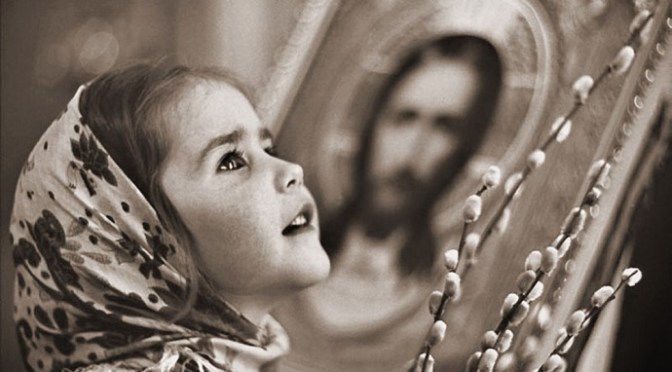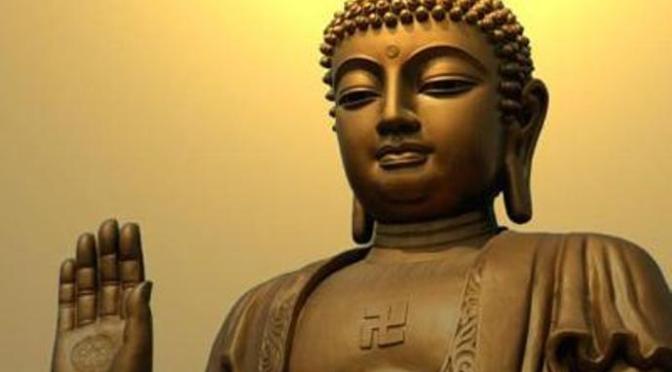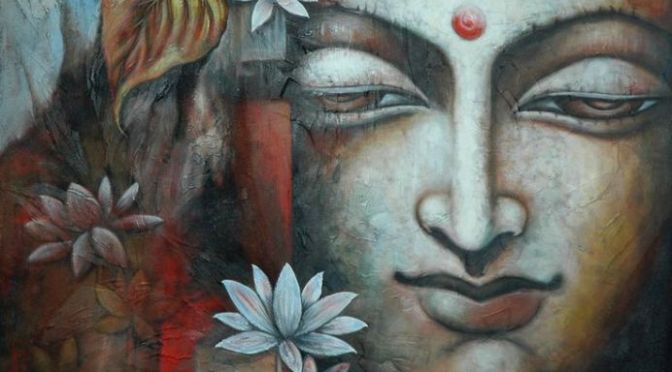
Many religions around the world (Christianity, Islam, Judaism, Hinduism, Buddhism, Sikhism…) have fasting practices, because religions understand that fasting is good for human health, both physical and mental health.
Fasting in these religions is often linked to self-control, repentance, and spiritual growth.
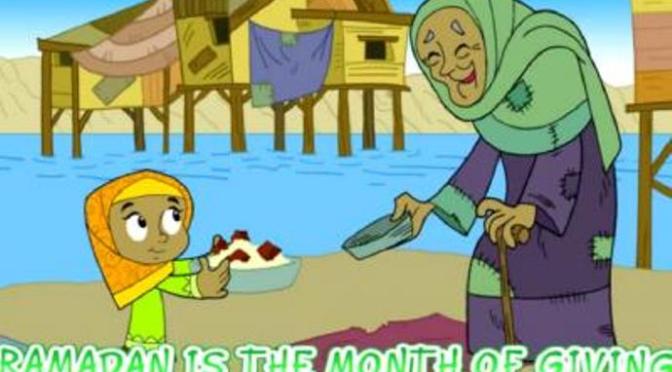
Following Jesus and Buddha, I have been a mostly fruitarian for 4 years. I feel healthier and understand Jesus and Buddha more. Continue reading Ramadan song→
Cô Đôi Thượng Ngàn, or Second Mistress of Mountain, is a female deity in Đạo Mẫu.
Đạo Mẫu, or Mother Goddess worship, has been a source of strength, inspiration and spirituality – particularly among working-class families for many centuries in Vietnam. Caring about Đạo Mẫu is to care about the heart of many Vietnamese people. And one in the first simple steps of caring is to listen to a song in Đạo Mẫu, example the praise song “Cô Đôi Thượng Ngàn”.
This is a children’s song. Below is an article about the song’s author.
There are many singers with good voices who sing this song, but I feel moved with Chan La Ca although he isn’t a singer.
The mountainous scenery and the ethnic minority children often give me many emotions. Wish our brothers and sisters here go to university. Continue reading Niềm vui của em→
When there is a problem, some people pray to ask God and Buddha for help. Good. However, they do not fast and repent. So is that prayer effective? Continue reading Sám nguyện→
Why do both God and Buddha teach to love everyone?
Because when we love everyone, we have peace. We cannot have peace when we love only ourselves, our children, our spouses, our parents and our close friends. When we love everyone – especially those who hurt us – our heart have peace.
Yes, when we love persons those who hurt us, our heart have peace. True peace. Continue reading Tâm→
This song reminds me of the time before I came to DCN – often lonely but not knowing who to rely on. Perhaps more exactly, I was often suffering and wanted to stop suffering but not knowing how.
I started feeling lonely since I was 7 years old. I started dying from then on. I died. However now I live.
I send my wish to the stars, so that the lonely people on the earth can feel that there is a star in the sky praying for them and is making itself a light for them to look up to and hope. Continue reading Sài Gòn yếu đuối biết dựa vào ai?→
Do you know how happy it feels to be born and raised by the sea?
That is, you can watch the sunrise. You can go to the sea early in the morning, when the sun has not risen yet. A bit chilly, even in the summer, and it is so dark that you may not see each other clearly. You can sit on the beach, cover yourself with sand to keep warm and watch the first red, organ and pink rays of the sun, then run down to the sea to bathe. Even if it’s winter or rainy, the sea water is always warm. So great. Continue reading A town with an ocean view→
Thanh Duy is a multi-talented artist. I like his voice. I am happy when Thanh Duy sings Zen songs. His voice makes the songs better. I like the songs he sings, but maybe I like this one a little more “Ai bảo đi tu là khổ”.
I like this song – “Lý do nào để yêu em”. Bùi Công Nam composed and performed it, released in Octorber, 2021.
To Bùi Công Nam’s version, I feel the guy in the song is cute. He likes a girl but is shy, maybe more exactly, afraid of her, because she is too high up, he can’t reach, so he doesn’t dare to approach her. However, he is still cheerful and dreamy. His feelings is pure and lovely. Continue reading Lý do nào để yêu em→
This is an emotional film. You can watch the film’s introduction below. I’ll just share my feelings about the film and the score.
Right from the first minutes of the film, I saw images of vast rice fields and low mountains that looked quite familiar to me. I thought of the fields in Ngu Hanh Son mountains, across the Han River, in my hometown Da Nang, although until I visited this place when I was in high school, there weren’t many rice fields left. And it’s true that the film was set in Ngu Hanh Son because the main character was born and raised here. Coincidentally, the main actress was also from Da Nang. Continue reading Heaven & Earth (1993)→
Hôm nay mình giới thiệu đến các bạn bộ môn “Hát Chèo” miền Bắc.
Vào thế kỷ 15, vua Lê Thánh Tông đã không cho phép biểu diễn Chèo trong cung đình, do chịu ảnh hưởng của đạo Khổng. Chèo trở về với nông dân, kịch bản lấy từ truyện viết bằng chữ Nôm.
Đây là bài hát nổi tiếng với lời và nhạc của diễn viên kiêm nhà viết kịch Noël Coward, phát hành năm 1932, nói về tình yêu không được đáp lại dành cho một ngôi sao điện ảnh.
60 năm sau, vào năm 1992, bài hát này lại trở nên nổi tiếng khi phiên bản của Dinah Washington được dùng trong quảng cáo truyền hình “Swimmer” của Levi, do Tarsem Singh đạo diễn.
Because I love this song, I have introduced it several times. Each time with my different feeling. This time is the same.
This time the song shows me children playing in the sunny and windy summer. They jump, they laugh, they run… They are so happy. They make me happy too. Continue reading Summer – Joe Hisaishi→
Tiếp theo “Hát Chèo”, hôm nay mình giới thiệu đến các bạn bộ môn “Ca Trù”, một bộ môn dân ca cổ truyền độc đáo. Tháng 10. 2009 cùng với “Hát Quan Họ”, “Ca Trù” được UNESCO công nhận là “Di sản văn hóa phi vật thể đại diện của nhân loại”.
Lịch sử lớp 10 – Di sản văn hóa Việt Nam – Ca trù
Ca Trù, còn được gọi là: Hát Ả Đào, Hát Cô Đầu, Hát Nhà Trò, Hát Cửa Đình, Hát Cửa Quyền, Hát Nhà Tơ, là bộ môn nghệ thuật mang tính hàn lâm, được nuôi dưỡng giữ gìn trong dân gian suốt 10 thế kỷ qua. Nhiều làng quê ở các tỉnh, thành thuộc đồng bằng Bắc bộ như Hà Nội (Phường Thái Hà), Hà Tây, Bắc Ninh, Vĩnh Phúc… là những cái nôi của các làn điệu Ca Trù. Làng Lỗ Khê (Đông Anh – Hà Nội) dân cả làng làm nghề hát Ca Trù, kể cả khu vực Bắc miền Trung là làng Cổ Đạm – Hà Tỉnh.
Ca trù – Tống biệt – thơ Tản Đà – Trích phim Mê Thảo thời vang bóng” – NS thể hiện: NSND Thanh Hoài, Nhà hát chèo Viêt Nam -Văn Hóa oficial
Tiếp theo “Hát Ru Con Huế”, mình giới thiệu đến các bạn bộ môn “Ca Huế” truyền thống của vùng đất thần kinh.
Giới thiệu Ca Huế
Ca Huế hình thành từ dòng ca nhạc dân gian và dòng ca nhạc cung đình, nhã nhạc trang trọng uy nghi nên có thần thái của ca nhạc thính phòng, thể hiện theo hai dòng lớn điệu Bắc (Khách) và điệu Nam, với trên 60 tác phẩm thanh nhạc và khí nhạc.