Me? Me? Me?... Yeah yeah yeah amigo... What can me say about me-self?... me-self...me-self... Ole ole ole... me me me... I'm a young banana shoot... My dad is Banana Pa... My mom is Banana Ma... I am happy happy happy... I run around... oops... I can't run... I sing aloud... all day long... I sing in the rain... I sing in the shine... I sing day and night... I sing all the time...
I watch the butterflies and the bees... and the cranes and the geese...
Aha aha aha... here we go again... this little swallow circling on my head... the little swallow on my head... is about to poop on me... Hey, little fella, don't cha know where to unload ya poopa?... But, that's alright... I can swallow my pride to befriend a swallow... Yup yup yup... swallow my pride to befriend a swallow...
The annual meeting of the World Health Assembly (WHA) concluded on May 28. At the gathering, member states of the World Health Organization (WHO) made many decisions, some of which stood out as potential turning points for global health. The WHA did not ignore COVID-19, but member states primarily grappled with challenges that the pandemic created and that must be addressed beyond COVID-19. However, member states demonstrated as much caution as resolution in some of the most prominent decisions taken. This wariness creates uncertainty about the importance of these decisions as the WHO labors to put global health governance on more solid post-pandemic footing.
June 4, the anniversary of the 1989 Tiananmen Square massacre—in which People’s Liberation Army (PLA) forces killed hundreds and perhaps thousands of protesters as well as crushing demonstrations across the country—is a fraught moment in China. In Hong Kong, the public once freely memorialized the massacre. This year, authorities again used the national security law passed in 2020 to block gatherings; six people were arrested.
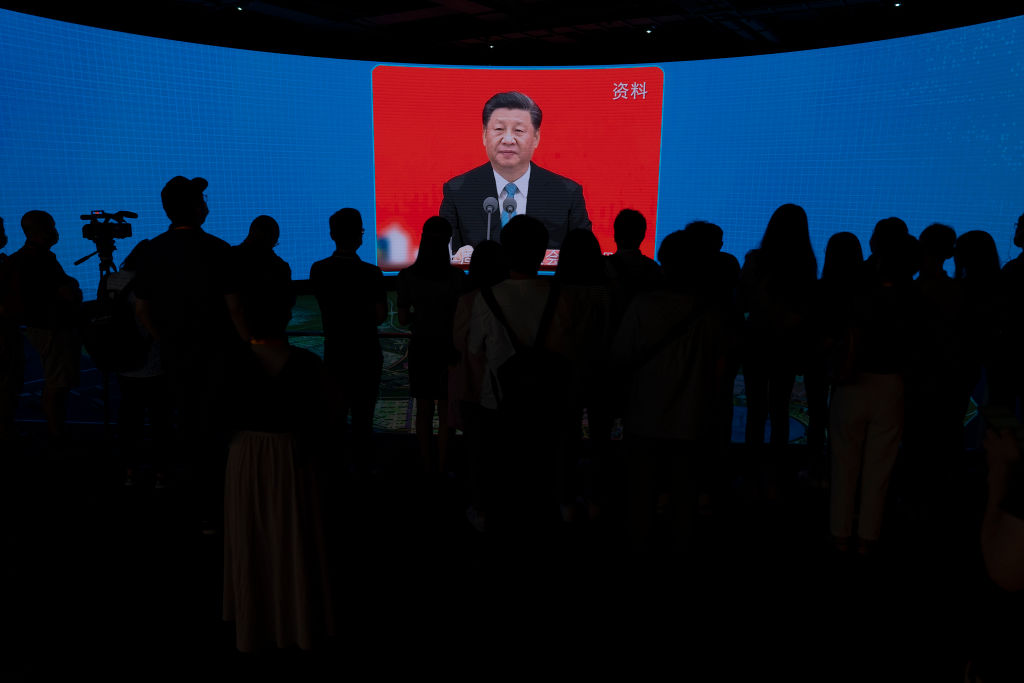
In mainland China, the anniversary claimed an unexpected victim: e-commerce influencer Li Jiaqi, widely known as the “Lipstick Brother” or “Lipstick King.” During a livestream on June 3, Li was presented with a cake that resembled a tank. Censors promptly pulled the show offline, and it hasn’t returned, with Li’s team citing “technical difficulties.” Early June is a prime time for online shopping ahead of June 18, China’s second-biggest day for online sales. But Li’s name now returns blank results on search platforms, even on e-commerce sites.
If there was one common challenge to unite the Asia Pacific region, it would be corruption. From campaign pledges to media coverage to civil society forums, corruption dominates discussion. Yet despite all this talk, there’s little sign of action. Between Australia’s slipping scores and North Korea’s predictably disastrous performance, the 2015 index shows no significant improvement. Has Asia Pacific stalled in its efforts to fight corruption?
This year’s poor results demand that leaders revisit the genuineness of their efforts and propel the region beyond stagnation.
The public desire for change is huge. In India, Sri Lanka and elsewhere, we’ve seen a host of governments coming to power on anti-corruption platforms. As corruption continues to dominate media coverage across and beyond the region, increasing interest in the issue has sparked a raft of new research into both public and private sector corruption.
The bad
So why this picture of zero progress? Despite boastful efforts on petty corruption, Malaysia’s 1MBD scandal brought the crux of the challenge into sharp focus: is political leadership genuinely committed to fighting corruption throughout society? The Malaysian prime minister’s inability to answer questions on the US$700 million that made its way into his personal bank account is only the tip of the iceberg.
In India and Sri Lanka leaders are falling short of their bold promises, while governments in Bangladesh and Cambodia are exacerbating corruption by clamping down on civil society. In Afghanistan and Pakistan a failure to tackle corruption is feeding ongoing vicious conflicts, while China’s prosecutorial approach isn’t bringing sustainable remedy to the menace. This inability to tackle root causes holds true across the region – witness, for example, Australia’s dwindling score in recent years.
Malaysia’s 1MBD scandal brought the challenge into sharp focus: is political leadership genuinely committed to fighting corruption throughout society?
Reversing corruption is clearly not solely down to governments, but they’re the ones with the largest role and the power to create enabling environments for others. This year’s poor results demand that leaders revisit the genuineness of their efforts and propel the region beyond stagnation. They must fulfil promises, and ensure efforts aren’t undermined in practice. Anti-corruption commissions are a prime example here: while their creation across the region is commendable, ongoing political interference and inadequate resources has meant many are unable to fulfil their mandate. This has to be addressed.
A scene in historical animation Nữ Tướng Mê Linh (The Heroines). Photo courtesy of the Việt Nam Cartoon Company
By Lương Thu Hương
Though 2021 posed a year of challenges due to the COVID-19 pandemic, the nation’s animation industry went from strength to strength, receiving an abundance of awards and millions of hits on YouTube.
Việt Nam Cartoon Studio (the Việt Nam Cartoon Joint Stock Company) last year completed its production plan, having 16 films approved by the Cinema Department under the culture ministry for distribution.
The films produced by the company were diverse, rich in forms of expression and contained many unique features.
Across Asia, the use of personal connections to get ahead is a common practice.
In addition to paying bribes for the services they need, people use their family or social contacts to skip the line or gain quicker and better access to schools and hospitals, and “speed up” government paperwork such as driver’s licenses or birth certificates..
How much you can increase the speed and quality of your service often depends on how much you can pay or who you know.
In the Global Corruption Barometer — Asia, we asked people about how and why they paid bribes or used personal connections when accessing public services across Asia.
Hannah J. Dawson, Senior Researcher, Southern Centre for Inequality Studies, University of the Witwatersrand
Disclosure statement
The authors do not work for, consult, own shares in or receive funding from any company or organisation that would benefit from this article, and have disclosed no relevant affiliations beyond their academic appointment.
Republish our articles for free, online or in print, under Creative Commons licence.
Technological innovation can indeed be beneficial for the working class. Photo by JNS/Gamma-Rapho via Getty Images
Narrative frames are fundamental to unifying ideologies. They frame what is possible and impossible, which ideas can be accepted and which must be rejected. In her book, Digital Democracy, Analogue Politics, storyteller and political analyst Nanjala Nyabola examines the framing of the Fourth Industrial Revolution narrative in this light.
In the wake of Russia’s attack on Ukraine, the international community is scrambling to deter President Vladimir Putin and his cronies – and to help end the military aggression as soon as possible.
Among other measures, European Union member countries, Canada, United Kingdom and the United States have all announced targeted sanctions against Kremlin-linked individuals and businesses – many of whom are suspected of large-scale corruption.
In a kleptocratic system such as today’s Russia, going after the elites can be meaningful. The vast wealth that Russian kleptocrats have amassed – and continue to enjoy – has helped President Putin tighten his grip on power, exert illicit influence over the affairs of other nations and embolden his geopolitical ambitions.
nikkei – Nearly 50 years after Ferdinand Marcos Sr. declared brutal martial law, the Philippines is poised to elect his son. Has history been forgotten?
Nikkei staff writersMay 7, 2022 03:26 JST
NEW YORK — Welcome to Nikkei Asia’s podcast: Asia Stream.
Every week, Asia Stream tracks and analyzes the Indo-Pacific with a mix of expert interviews and original reporting by our correspondents from across the globe.
This week, we focus on one of Asia’s most dynamic but flawed democracies: the Philippines. With the election just days away, we get under the hood of the electoral system and investigate the powerful role that dynasties play in the country, with a special focus on Ferdinand Marcos Jr., the front-runner on the cusp of taking power. We then take into account that other essential, if dangerous, tenet of modern Philippine democracy: disinformation, and how it is being used to gain support among the country’s most vulnerable populations.
Rising prices are hurting wallets across the world. The crisis is particularly bad in Sri Lanka and Turkey, and in Japan, people are facing inflation for the first time in decades.
Nikkei staff writersMay 20, 2022 07:38 JST
NEW YORK — Welcome to Nikkei Asia’s podcast: Asia Stream.
Every episode, Asia Stream tracks and analyzes the Indo-Pacific with a mix of expert interviews and original reporting by our correspondents from across the globe.
A century ago, the colonial government was active in inoculating Vietnamese citizens against a variety of diseases.
While Vietnam’s recent massive COVID-19 vaccine efforts have proven a great success in reducing deaths and returning the country to some semblance of normalcy, it is hardly the first time a government here has stepped in to inoculate the population against dangerous contagions. About 100 years ago, the French managed a vigorous campaign to inoculate indigenous Vietnamese against a variety of diseases such as smallpox, cholera and tuberculosis as part of larger health and sanitation initiatives.
Credit: Courtesy of Chelsea Ryoko Wong, Jessica Silverman, San Francisco, and Jeffrey Deitch, New York
Tired of being ‘fetishized and invisible,’ Asian artists are changing the narrative
SHARE
Written byAnn Binlot, CNN
In much of Western art, Asian women have often appeared as one-dimensional characters — sometimes seen as meek and docile, and at other times hypersexualized and exoticized. But such portrayals fail to show individuals coming from a myriad of cultural backgrounds, their identities rooted in distinctly different countries and histories.
“Wonder Women,” a new exhibition at the Jeffrey Deitch gallery in New York, seeks to counter stereotypical representations made by outsiders, presenting works by Asian American and diasporic women and non-binary artists “portraying themselves or their family members as heroes in their own ways,” explained show curator Kathy Huang.
“I had always grappled with ideas of being both fetishized and invisible in pop culture and visual culture,” said Huang, adding that she drew inspiration from the 1981 poem “Wonder Woman” by Genny Lim.
“In the poem, the narrator is observing the different lives of Asian women,” she explained. “That’s something that I had wondered myself … because I have my individual experience as a Chinese American woman, but there were so many other experiences that I don’t know about.”
The Chinese Communist Party has a problem with women of Asian descent who have public platforms, opinions and expertise on China.
In an effort to counter the views and work of these women, the CCP has been busy pivoting its growing information operation capabilities to target women, with a focus on journalists working at major Western media outlets.
Right now, and often going back weeks or months, some of the world’s leading China journalists and human rights activists are on the receiving end of an ongoing, coordinated and large-scale online information campaign. These women are high-profile journalists at media outlets including the New Yorker, The Economist, the New York Times, The Guardian, Quartz and others. The most malicious and sophisticated aspects of this information campaign are focused on women of Asian descent.
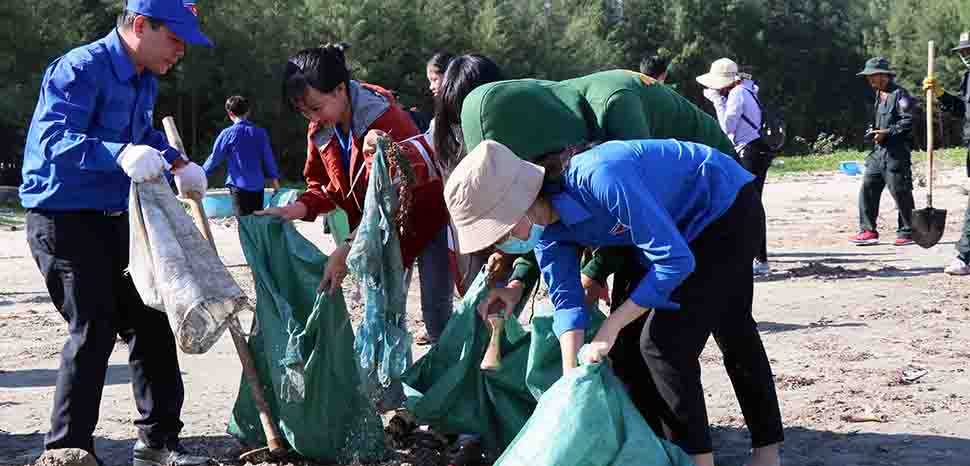
17-year-old Hoang Mai is a proud contributor to Vietnam’s Youth Union volunteer campaign. In a run-up to World Environment Day and its global theme, “Only One Earth” on June 5, she will connect with millions of other young citizens who are taking action to clean up the environment. The Youth Union has focused increasing attention on environmental protection through tree planting and eco-campaigns like “for a green Vietnam,” “let’s clean up the seas,” and “anti-plastic waste,” and recently marked the start of its ‘Green Summer’ campaign.
Vietnam’s rapid development from one of the five poorest countries in the world in 1985 to one of the world’s fastest growing economies has resulted in dramatic environmental consequences from polluted rivers, biodiversity loss, and air quality depletion.
Military helicopters carrying large Taiwan flags do a flyby rehearsal on October 5, 2021, ahead of National Day celebrations amid escalating tensions between Taipei and Beijing. Photo: AFP / Ceng Shou Yi / NurPhoto
A recent Democracy Perception Index survey of worldwide public opinion found that a majority of Southeast Asians would not support their governments cutting economic ties with China if Beijing launched an invasion of Taiwan.
The same report found that only Singaporeans, from the six Southeast Asian countries surveyed, favored cutting economic ties with Russia because of its invasion of Ukraine in February. Indonesians and Vietnamese were two of the three nationalities who believed most strongly that ties with Russia should be maintained.
The Democracy Perception Index 2022 survey, published this month by Latana and the Alliance of Democracies Foundation, asked respondents: “If China started a military invasion of Taiwan, do you think your country should cut economic ties with China?”





 We believe in the free flow of information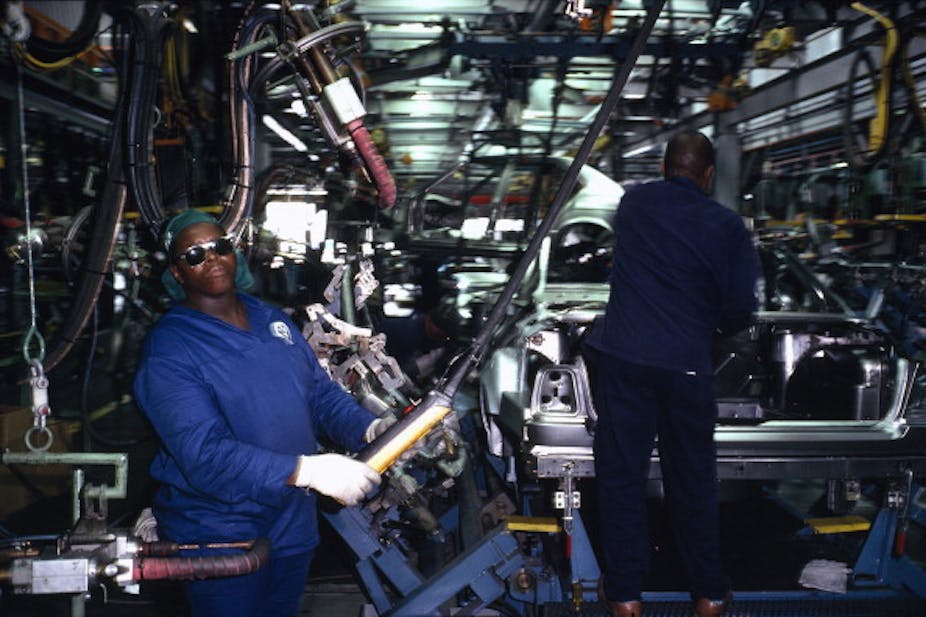





 Đọt Chuối Non