
Chào anh chị em,
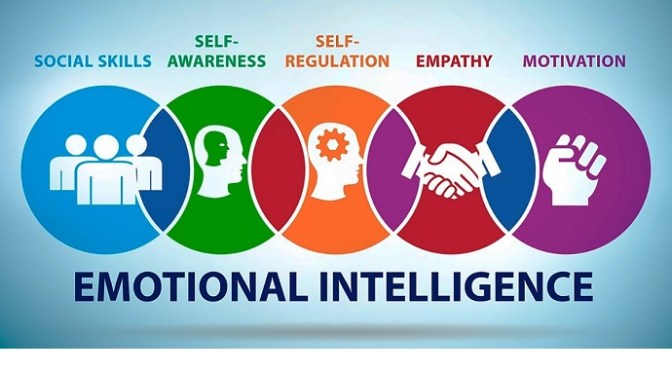
Trí tuệ cảm xúc (Emotional intelligence, hay Emotional quotient – EQ) là mức độ cảm nhận và hiểu biết cảm xúc của chính ta và của người khác, do đó có thể kiểm soát và quản lý tình cảm của chính mình, sử dụng hiểu biết cảm xúc vào xây dựng các mối liên hệ với người khác, cũng như vào công việc quản lý và lãnh đạo trong các tập thể, từ gia đình và công ty, đến xã hội rộng hơn, như là đất nước.
Thuật ngữ “emotional intelligence” lần đầu tiên xuất hiện vào năm 1964 trong một bài báo của Michael Beldoch, mô tả cách mọi người nhận thức và hiểu cảm xúc. Tuy nhiên, khái niệm này không được chú ý rộng rãi cho đến năm 1990, hai nhà tâm lý học Peter Salovey và John D. Mayer đã chính thức định nghĩa emotional intelligence là một loại trí tuệ xã hội liên quan đến khả năng theo dõi cảm xúc của chính mình và của người khác, phân biệt được cảm xúc của mỗi người, và sử dụng thông tin này để định hướng suy nghĩ và hành vi. Ý tưởng này trở nên rất phổ thông sau cuốn sách bán chạy nhất năm 1995 của Daniel Goleman Emotional Intelligence phổ biến thuật ngữ này trong giới kinh doanh và tâm lý học.
Trước kia người ta chỉ biết đến IQ (Intelligent Quotient) là chỉ số thông minh về tư duy luận lý, kỹ thuật, và vận tốc cũng như độ nhạy bén của suy tưởng. EQ giới thiệu một chiều kích hiểu biết lớn và mới về con người – chiều kích liên kết cảm xúc với mọi người, đặc biệt quan trọng cho quản lý và lãnh đạo.
Hơn 25 thế kỷ trước Phật Thích Ca đã dạy Lục Thông (Six Super-Powers) trong đó có Tha tâm thông (Telepathy), tức là đọc được và hiểu biết trái tim, tư duy, và cảm xúc của người khác. Khi chúng ta thực sự yêu người, từ bi hỷ xả với mọi người, ta trở nên nhạy cảm với mọi người và hiểu được mọi người dễ dàng. Nghĩa là Tha tâm thông là một kỹ năng có thể do tu luyện trái tim mình mà thành.
Ngày nay người ta cũng nói đến vài nguyên tắc tự huấn luyện để phát triển EQ, rất giống vài nguyên tắc tu tập của Phật Pháp:
1. Luôn nhận thức rõ mình đang làm gì. Đó y như là chánh niệm (mindfullness) trong Bát Chánh Đạo. Làm gì cũng tập trung vào điều mình đang làm, không để tâm trí đi lang thang không kiểm soát – cho nên khi mình bực bội hay nổi giận, mình sẽ biết mình bực bội hay nổi giận. Trong Phật pháp, ta thường nói đến Thiền ăn, Thiền rửa bát, Thiền đi…
2. Chậm lại khi gặp stress – hít sâu và thở ra từ từ; xoay các tư duy tiêu cực của mình thành tích cực. Ví dụ: Chuyển “Nó ganh tị với mình” thành “Có lẽ nó muốn chỉ ra cho mình cái mà nó nghĩ là mình sai.”
3. Tập trung vào “nghe” với thiện cảm – chỉ lắng nghe mà không phán đoán.
Đại khái là như thế. Nhưng đương nhiên tập Thiền của Phật pháp (Thiền định Samadhi và Thiền quán Vipassana) thì tốt và sâu sắc hơn các cách tập luyện hời hợt của người không rành Phật pháp.
Anyway, EQ tốt cho tất cả mọi người để xây dựng gia đình, mở rộng bạn bè, phát triển teamwork… EQ đặc biệt cần thiết cho kỹ năng lãnh đạo. Đa số các lãnh đạo thường không giỏi kỹ thuật bằng những tùy viên dưới trướng họ, nhưng họ lãnh đạo giỏi vì họ giỏi “trí tuệ cảm xúc.”
Các bạn cứ thế mà luyện tập.
Với yêu thương,
Hoành
o0o
Emotional intelligence
Dear Brothers and Sisters,
Emotional intelligence (or Emotional quotient – EQ) is the level of awareness and understanding of one’s own emotions and emotions of others, enabling control and management of one’s own feelings, as well as using emotional understanding to build relationships with others, and to manage and lead in groups, from one’s family and company to the broader society such as one’s country.
The term “emotional intelligence” first appeared in 1964 in a paper by Michael Beldoch, who used it in the context of describing how people perceive and understand emotions. However, the concept didn’t gain widespread attention until 1990, psychologists Peter Salovey and John D. Mayer formally defined emotional intelligence as a type of social intelligence involving the ability to monitor one’s own and others’ emotions, discriminate among them, and use this information to guide thinking and behavior. The idea became mainstream after Daniel Goleman’s 1995 bestseller Emotional Intelligence, which popularized the term in business and psychology circles.
Previously, people only know IQ (Intelligent Quotient), an indicator of intelligence in logical thinking, technical skills, and the speed and sharpness of thought. EQ introduces a larger and new dimension of understanding human beings – the dimension of emotional connection with others, especially important for management and leadership.
More than 25 centuries ago, Buddha taught the Six Superpowers, including Telepathy, which is the ability to read and understand the hearts, thoughts, and emotions of others. When we truly love people, showing loving-kindness, compassion, sympathetic joy, and equanimity towards everyone, we become sensitive to others and understand them easily. This means that Telepathy is a skill that can be developed through cultivating one’s own heart.
Today, people also talk about several principles of self-training to develop EQ, very similar to some principles of Buddhist practice:
1. Always be aware of what you are doing. That’s similar to mindfulness in the Noble Eightfold Path. Focus on what you’re doing, don’t let your mind wander uncontrollably – so when you’re annoyed or angry, you’ll know you’re annoyed or angry. In Buddhism, we often talk about mindful eating (Eating Zen), mindful washing dishes (Dish-washing Zen), mindful walking (Walking Zen)…
2. Slow down when stressed – breathe deeply and exhale slowly; transform your negative thoughts into positive ones. For example: Change “He’s jealous of me” to “Maybe he wants to point out what he thinks I’m wrong about.”
3. Focus on “listening” with empathy – just listen without judgment.
That’s the general idea. But of course, practicing Buddhist meditation (Samadhi and Vipassana) is better and more profound than the superficial practices of those unfamiliar with Buddhism.
Anyway, EQ is good for everyone to build families, expand friendships, develop teamwork… EQ is especially necessary for leadership skills. Most leaders are not as technically skilled as their subordinates, but they are good leaders because they are good at “emotional intelligence.”
Keep practicing.
With compassion,
Hoành
o0o
© copyright 2026
Trần Đình Hoành
Permitted for non-commercial use
www.dotchuoinon.com
 Đọt Chuối Non