
Chào anh chị em,
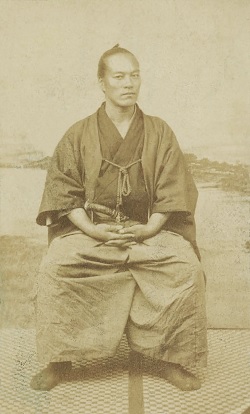
Yamaoka Tesshu là thầy của Thiên hoàng. Yamaoka còn là một kiếm sư và là một thiền sư thâm hậu.
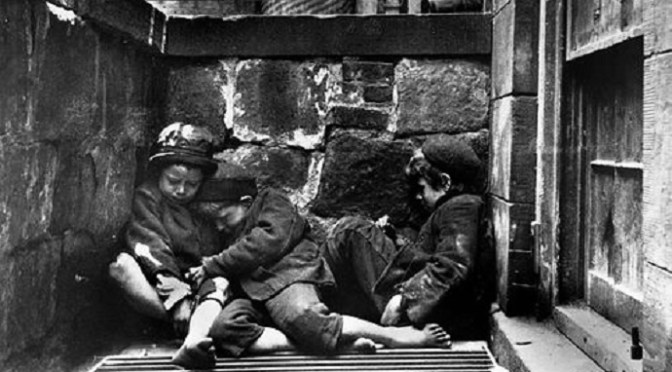
Nhà của thiền sư là nơi ở của những người lang thang. Thiền sư chỉ có một bộ đồ, vì những người này làm thiền sư nghèo mãi.
Thiên hoàng, thấy áo thiền sư đã sờn rách quá, cho thiền sư tiền để mua áo mới. Lần tới thiền sư đến, ông lại mang cái áo cũ.
“Vậy bộ áo mới đâu rồi, Yamaoka?” Thiên hoàng hỏi.
“Tôi mua áo quần cho đám con của bệ hạ rồi,” Yamaoka giải thích.
Bình:
• Yamaoka Tesshū ( 山岡 鉄舟 ; 10 tháng 6 năm 1836 – 19 tháng 7 năm 1888), còn được gọi là Ono Tetsutarō hay Yamaoka Tetsutarō, là một samurai nổi tiếng thời kỳ Bakumatsu, người đóng vai trò quan trọng trong cuộc Minh Trị Duy tân. Ông cũng được ghi nhận là người sáng lập trường kiếm thuật Itto Shoden Muto-ryu. Cùng với Katsu Kaishū và Takahashi Deishū họ được gọi là “Ba chiếc thuyền của Bakumatsu (幕末の三舟)”. (Nguồn)
• Thời kỳ Bakumatsu (Mạc mạt) là giai đoạn cuối thời Edo của Nhật Bản, đánh dấu sự sụp đổ của Mạc phủ Tokugawa và sự chuyển giao sang chính phủ Minh Trị Thiên hoàng, xảy ra từ năm 1853 đến năm 1867. Thời kỳ này chứng kiến sự kết thúc chính sách “Bế quan tỏa cảng” của Nhật Bản do Mạc phủ Tokugawa nắm quyền, sự xuất hiện của Hạm đội Hắc thuyền của Phó đề đốc Mỹ Matthew C. Perry, và sự trỗi dậy của phong trào Minh Trị Duy tân (Tôn hoàng, Nhương di – Tôn vua, chống rợ) chống lại Mạc phủ Tokugawa. (Nguồn)
• Tất cả thần dân trong nước đều được xem là con cái của Thiên hoàng. Đó là chuyện đương nhiên trong chế độ quân chủ: Vua là Thiên tử – con Trời – thay Trời cai trị mọi con cái Trời.
• Thiền sư nghèo vì nuôi người nghèo là chuyện thường. Chuyện thú vị ở đây là Yamaoka là gạch nối thường trực giữa người cao nhất nước và những người nghèo nhất nước, một gạch nối rất chắc — sống với người nghèo hàng ngày, và dạy vua thường xuyên. Thế gian có bao nhiêu người làm được gạch nối đó?
• Và thế gian có bao nhiêu vua, bao nhiêu lãnh đạo, thông thái đủ để giữ được những gạch nối như vậy với mình?
(Trần Đình Hoành dịch và bình)
Với yêu thương,
Hoành
o0o
Bầy con của Thiên hoàng – Children of His Majesty
Dear Brothers and Sisters,
Yamaoka Tesshu was a tutor of the emperor. He was also a master of fencing and a profound student of Zen.
His home was the abode of vagabonds. He has but one suit of clothes, for they kept him always poor.
The emperor, observing how worn his garments were, gave Yamaoka some money to buy new ones. The next time Yamaoka appeared he wore the same old outfit.
“What became of the new clothes, Yamaoka?” asked the emperor.
“I provided clothes for the children of Your Majesty,” explained Yamaoka.
Annotation:
• Yamaoka Tesshū (山岡 鉄舟; June 10, 1836 – July 19, 1888), also known as Ono Tetsutarō or Yamaoka Tetsutarō, was a famous samurai of the Bakumatsu period, who played an important role in the Meiji Restoration. He is also noted as the founder of the Itto Shoden Muto-ryu school of swordsmanship. Along with Katsu Kaishū and Takahashi Deishū they were called “The Three Boats of the Bakumatsu (幕末の三舟)”. (Source)
• The Bakumatsu period is the late Edo period of Japan, marking the fall of the Tokugawa shogunate and the transition to Emperor Meiji’s government, occurring from 1853 to 1867. This period saw the end of Japan’s “isolation” policy under the Tokugawa shogunate, the appearance of the Black Fleet of American Vice Admiral Matthew C. Perry, and the rise of the Meiji Restoration movement against the Tokugawa shogunate. (Source)
• All subjects in the country are considered children of the Emperor. That is natural in a monarchy: the King is the Son of Heaven who rules over all the children of Heaven.
• It is common for Zen masters to be poor because they feed the poor. The interesting thing here is that Yamaoka is a permanent link between the highest person in the country and the poorest people in the country, a very strong link – living with the poor every day, and teaching the king regularly. How many people in the world can be that link?
• And how many kings, how many leaders, are wise enough to maintain such links with themselves?
(Translated and annotated by Tran Dinh Hoanh)
With compassion,
Hoành
o0o
© copyright 2025
Trần Đình Hoành
Permitted for non-commercial use
http://www.dotchuoinon.com
# 66
 Đọt Chuối Non