

Chào anh chị em,
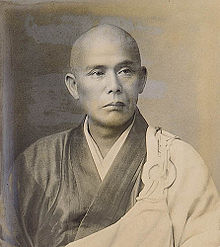
Soyen Shaku, thiền sư đầu tiên đến Mỹ, nói: “Tim tôi cháy như lửa nhưng mắt tôi lạnh như tro chết.” Thiền sư có những quy luật thực hành mỗi ngày trong đời, như sau:
• Mỗi buổi sáng trước khi thay áo quần, đốt nhang và ngồi thiền.
• Đi ngủ đúng giờ mỗi ngày. Ăn đúng giờ. Ăn vừa đủ, không bao giờ đến mức thỏa mãn.
• Tiếp khách với thái độ y như lúc chỉ một mình. Lúc một mình, giữ thái độ y như lúc tiếp khách.
• Cẩn trọng trong lời nói, và nói điều gì thì thực hành điều ấy.
• Khi cơ hội đến, đừng để nó vuột mất, nhưng luôn luôn suy nghĩ hai lần trước khi hành động.
• Đừng ân hận về dĩ vãng. Nhìn về tương lai.
• Có thái độ không biết sợ của một anh hùng và trái tim yêu ái của một em bé.
• Khi đi ngủ, ngủ như là giấc ngủ cuối trong đời. Khi thức dậy, rời khỏi giường tức thì như là vất đi một đôi giày cũ.
Bình:
• Soyen Shaku (釈 宗演, 1859 – 29.10.1919, sinh ở Kamakura, Japan, là thiền sư đầu tiên giảng thuyết ở Mỹ. Thiền sư là Lão Sư (Roshi) của dòng thiền Lâm Tế (Rinzai) và là sư trưởng của cả hai chùa Kencho và Engaky ở Kamakura. Shaku là đệ tử của Imakita Kosen và có một đệ tử rất nổi tiếng trong việc mang Phật học và Thiền học đến phương Tây – Thiền sư D.T. Suzuki.
Các bài giảng của Soyen Shaku ở Mỹ được Thiền sư Suzuki dịch sang Anh ngữ trong quyển Sermons of a Buddhist abbot: addresses on religious subjects.
• “Tim tôi cháy như lửa nhưng mắt tôi lạnh như tro chết.”
Tình cảm nồng nàn bên trong, nhưng ngoài mặt thì sắc diện lạnh lùng. Mình biết lòng mình được rồi, không cần thiết phải cho cả thiên hạ biết.
Dù sao đi nữa thì, nói rằng “tim tôi cháy như lửa” nghe cũng hơi xa lạ với Phật gia, vì Niết Bàn (Nirvana) có nghĩa là “lửa đã tắt.”
Nhưng, lại nhưng, Tâm Bồ Đề – Boddhicitta – của Bồ-tát thì lại cực kì nồng nàn – các Bồ tát đều phát nguyện Tâm Bồ Đề: độ mình để độ mọi chúng sinh, và sẽ không lên quả vị Phật cho đến khi mọi chúng sinh đều trở thành Bồ-tát. Đó là trái tim rực lửa Từ Bi, nhưng Bồ-tát luôn tĩnh lặng, bên trong lẫn bên ngoài.
• Tám qui luật sống hàng ngày của Shaku.
1. “Mỗi buổi sáng trước khi thay đồ, đốt nhang và ngồi thiền.”
Vài phút tĩnh lặng hoặc cầu nguyện đầu ngày sẽ giúp mở đầu một ngày tĩnh lặng cho mình.
Đó là Nguyên lý “Ấn tượng Đầu tiên” (Principle of “First Impression”) – ấn tượng đầu tiên mình có cho ngày của mình là tĩnh lặng, thì mình sẽ ứng xử với ngày của mình một cách tĩnh lặng cả ngày.
Đó cũng là Luật Hấp Dẫn: Năng lượng tĩnh lặng đầu ngày sẽ hấp dẫn thêm năng lượng tĩnh lặng và tích cực trong ngày.
2. “Đi ngủ đúng giờ mỗi ngày. Ăn đúng giờ. Ăn vừa đủ, không bao giờ đến mức thỏa mãn.”
Làm gì đúng thời khóa biểu mỗi ngày cũng giúp cho cơ thể và đầu óc hoạt động dễ dàng hơn, vì quen nhịp điệu như thế mỗi ngày. Thói quen thường ngày giúp ta sinh hoạt dễ dàng và hiệu quả hơn.
Ăn đúng giờ và vừa đủ để cơ thể thoải mái làm việc. Ăn nhiều quá thì lâu ngày cơ thể phì béo nặng nề, và trong ngày cũng hông làm việc hiệu quả, vì ăn no quá cơ thể chỉ muốn nằm ngủ.
3. “Tiếp khách với thái độ y như lúc chỉ một mình. Lúc một mình, giữ thái độ y như lúc tiếp khách.”
Thành thật với khách, như thành thật với chính mình; nghiêm chỉnh với chính mình, như nghiêm chỉnh với khách.
4. “Cẩn trọng trong lời nói, và nói điều gì thì thực hành điều ấy.”
Để lời nói đáng tin, nói là làm. Đó là chữ Tín, chữ cuối cúng của đạo làm người.
Ngũ Thường (năm đức hạnh không thay đổi) của đạo làm người gồm: Nhân, Lễ, Nghĩa, Trí, Tín. Mất Nhân thì còn Lễ, mất Lễ còn Nghĩa, mất Nghĩa còn Trí, mất Trí còn Tín.
Mất Tín là đã tuột xuống bên dưới mức tối thiểu của đạo làm người.
5. “Khi cơ hội đến, đừng để nó vuột mất, nhưng luôn luôn suy nghĩ hai lần trước khi hành động.”
Cờ tới tay thì phất – đừng để cơ hội vuột mất; nhưng đừng hấp tấp – suy nghĩ kỹ trước khi hành động.
Trong thời lừa lọc gian dối ngày nay, nhất là trên Internet, thiên hạ quảng cáo cơ hội bằng vàng cho bạn, thì đa phần đó là cơ hội để lừa bạn. Hãy thông minh và cẩn thận một chút.
What too good to be true is too good to be true. Cái gì quá tốt để là sự thật thì quá tốt để là sự thật.
6. “Đừng ân hận về dĩ vãng. Nhìn về tương lai.”
Đã làm điều gì lầm lỗi, thì đừng ủ rũ. Chấp nhận lỗi lầm của mình, rồi đứng dậy và hăng hái đi về hướng mặt trời.
Mỗi sáng sớm, rũ bỏ ngày hôm qua và những ngày trước – làm lại ngày hôm nay với tấm bảng sạch.
7. “Có thái độ không biết sợ của một anh hùng và trái tim yêu ái của một em bé.”
Anh hùng là Bồ-tát Bất Thối Chuyển, không lùi, No-fear.
Trái tim yêu ái của một em bé luôn mang thơ ngây và yêu thương đến cho đời.
8. “Khi đi ngủ, ngủ như là giấc ngủ cuối trong đời. Khi thức dậy, rời khỏi giường tức thì như là vất đi một đôi giày cũ.”
Đưng suy nghĩ nhiều trước khi ngủ. Ngồi Thiền (hay nằm Thiền) để tâm trí tĩnh lặng trống rỗng, thì sẽ ngủ sâu và không mộng mị.
Nằm trên giường mà còn lo chuyện này, chuyện kia, thì thường có mộng xấu trong khi ngủ, vì đầu óc mình vẫn làm việc với những mối lo trong đầu.
Thức dậy là thức và bắt đầu sinh hoạt cho ngày mới tức thì. Giấc ngủ của ngày cũ đã xong, đừng luyến tiếc và vương vấn nó.
Sống mỗi phút “ở đây lúc này.”
(Trần Đình Hoành dịch và bình)
Với yêu thương,
Hoành
o0o
Trái tim tôi cháy như lửa – My heart burns like fire
Dear Brothers and sisters,
Soyen Shaku, the first Zen teacher to come to America, said: “My heart burns like fire but my eyes are as cold as dead ashes.” He made the following rules which he practiced every day of his life.
* In the morning before dressing, light incense and meditate.
* Retire at a regular hour. Partake of food at regular intervals. Eat with moderation and never to the point of satisfaction.
* Receive a guest with the same attitude you have when alone. When alone, maintain the same attitude you have in receiving guests.
* Watch what you say, and whatever you say, practice it.
* When an opportunity comes do not let it pass you by, yet always think twice before acting.
* Do not regret the past. Look to the future.
* Have the fearless attitude of a hero and the loving heart of a child.
* Upon retiring, sleep as if you had entered your last sleep. Upon awakening, leave your bed behind you instantly as if you had cast away a pair of old shoes.
Annotation:
• Soyen Shaku (1859-1010), born in Kamakura, Japan, was the first Zen master to preach in USA. He was a Roshi of the Zinzai line and the abbot of both temples Kencho and Engaky in Kamakura. Shaky was the student of Imakita Kosen and had a student well-known for introducing Buddhism and Zen to the West, Zen master T. D. Suzuki.
Soyen Shaky’s sermons in the US were translated by Zen master Suzuki into English in Sermons of a Buddhist abbot: addresses on religious subjects.
• “My Heart Burns Like Fire.”
Warm feelings inside, but cold expression on the outside. We know our heart, no need to let the whole world know.
Anyway, saying “my heart burns like fire” sounds a bit strange to Buddhism, because Nirvana means “the fire is extinguished.”
But, but, the Bodhicitta of Bodhisattvas is extremely passionate – All Bodhisattvas make the Bodhicitta Vow: They save themselves to save all sentient beings, and they will not attain Buddhahood until all sentient beings become Bodhisattvas. It is a heart burning with loving-kindness and compassion, but Bodhisattvas are always calm, inside and outside.
• Soyen Shaky’s eight daily rules:
1. “In the morning before dressing, light incense and meditate”.
A few minutes of silence or prayer at the beginning of the day will help start a quiet day for you.
That is the Principle of “First Impression” – the first impression you have of your day is quiet, then you will behave with your day in a quiet way all day.
That is also the Law of Attraction: Quiet energy at the beginning of the day will attract more quiet and positive energy during the day.
2. “Retire at a regular hour. Partake of food at regular intervals. Eat with moderation and never to the point of satisfaction.”
Doing things on a daily schedule helps the body and mind function more easily, because they are used to the same rhythm every day. Daily habits help us live more easily and effectively.
Eat on time and just enough for the body to work comfortably. Eating too much will make the body obese over time, and during the day the body will not work effectively, because when you are too full, the body just wants to lie down and sleep.
3. “Receive a guest with the same attitude you have when alone. When alone, maintain the same attitude you have in receiving guests.”
Be honest with guests, as you are honest with yourself; be serious with yourself, as you are serious with guests.
4. “Watch what you say, and whatever you say, practice it.”
To make your words trustworthy, do what you say. That is the word “Trust”, the last word of human morality.
The Five Constants (five unchanging virtues) of human morality include: Humanity, Propriety, Loyalty, Wisdom, and Trust. If you lose Humanity, you still have Propriety; if you lose Propriety, you still have Loyalty; if you lose Loyalty, you still have Wisdom; if you lose Wisdom, you still have Trust;
If you lose Trust, you have fallen below the minimum level of human morality.
5. “When an opportunity comes do not let it pass you by, yet always think twice before acting.”
Wave the flag when it comes to you – don’t let the opportunity slip away; but don’t be hasty – think carefully before you act.
In today’s deceitful and lying times, especially on the Internet, when people advertise golden opportunities to you, most of them are opportunities to deceive you. Be smart an, at least, be careful.
What is too good to be true is too good to be true.
6. “Do not regret the past. Look to the future.”
If you have done something wrong, don’t be depressed. Accept your mistakes, then get up and walk enthusiastically towards the sun.
Every morning, shake off yesterday and the days before – start today with a clean slate.
7. “Have the fearless attitude of a hero and the loving heart of a child.”
A hero is Bodhisattva Avaivartika – fearlessnes, non-retrogression, no-fear.
The loving heart of a baby always brings innocence and love to life.
8. “Upon retiring, sleep as if you had entered your last sleep. Upon awakening, leave your bed behind you instantly as if you had cast away a pair of old shoes.”
Don’t think too much before going to sleep. Sit in meditation (or lie down in meditation) to keep your mind quiet and empty, then you will sleep deeply and without dreams.
Lying in bed and still worrying about this and that, you often have bad dreams while sleeping, because your mind is still working with worries in your head.
Waking up means waking up and starting the activities for the new day immediately. The sleep of the old day is over, don’t regret and linger over it.
Live every minute “here and now.”
(Translated and annotateaf by Tran Dinh Hoanh)
o0o
© copyright 2025
Trần Đình Hoành
Permitted for non-commercial use
http://www.dotchuoinon.com
#22
 Đọt Chuối Non