
Chào anh chị em,
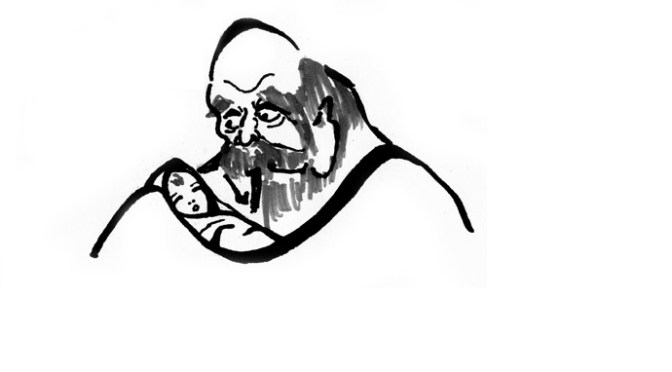
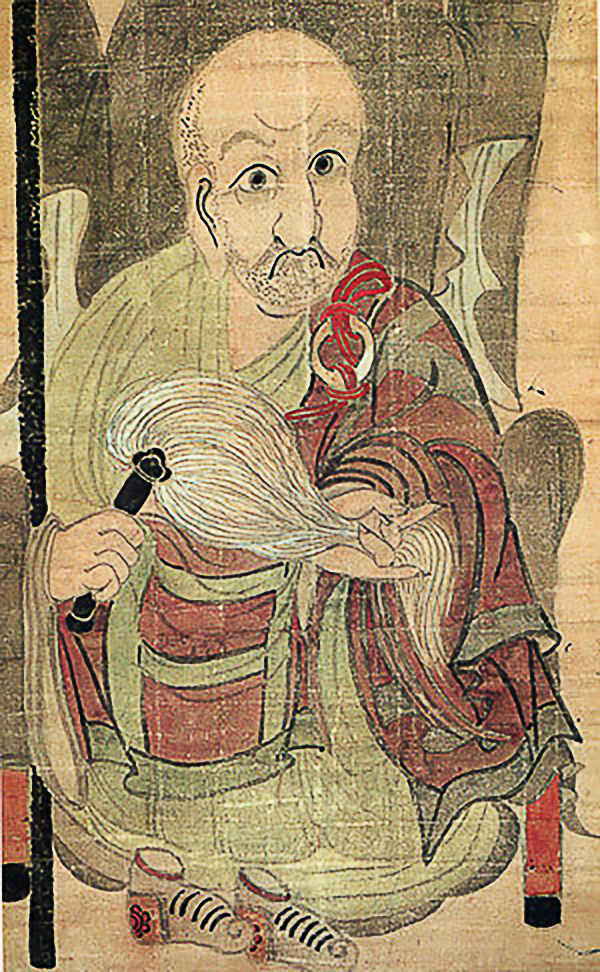
Thiền sư Hakuin được láng giềng ca tụng là sống một cuộc đời tinh khiết.
Gần nơi thiền sư ở có một cô gái đẹp con của ông bà chủ tiệm thực phẩm. Đột nhiên bố mẹ cô gái khám phá là cô đang có thai.
Bố mẹ cô rất giận. Cô chẳng thú nhận ai là bố đứa bé, nhưng sau nhiều áp lực, cuối cùng cô khai tên thiền sư Hakuin.
Cực kỳ giận dữ, bố mẹ cô đến gặp thiền sư. “Vậy à.” thiền sư chỉ nói vậy.
Sau khi đứa bé chào đời, nó được mang đến cho Hakuin. Đến giờ này thiền sư đã hoàn toàn mất hết tăm tiếng, nhưng ngài chẳng thấy phiền toái gì, và ngài lo cho đứa bé rất tốt. Thiền sư xin hàng xóm sữa và các thứ mà đứa bé cần.

Bố mẹ cô gái đi gặp Hakuin ngay và xin lỗi, năn nỉ kể lể dài dòng, và xin đứa bé lại.
Hakuin bằng lòng. Và khi giao đứa bé lại, thiền sư chỉ nói “Vậy à.”
Bình:
• Hakuin Ekaku (白隠 慧鶴; 19 tháng 1 năm 1686 – 18 tháng 1 năm 1769) là một trong những nhân vật có ảnh hưởng nhất trong Thiền tông Nhật Bản, người coi bồ đề tâm, làm việc vì lợi ích của người khác, là mối quan tâm tối thượng của việc tu tập Thiền tông. Mặc dù chưa bao giờ nhận được sự truyền dạy giáo pháp chính thức, ông được coi là người phục hồi trường phái Lâm Tế của Nhật Bản sau thời kỳ trì trệ, tập trung vào các phương pháp tu tập nghiêm ngặt kết hợp thiền định và thực hành công án. (Source).
• Tâm tĩnh lặng. Có tăm tiếng, không vui. Mất tăm tiếng, không buồn . Gặp bất công, không sân hận. Hết bất công, không mừng rỡ.
• Sống tùy duyên. Duyên mang bé đến thì nuôi. Duyên đưa bé đi thì thôi. Chẳng có gì phải thắc mắc.
• “Tâm không” như bầu trời trong xanh. Mây đến tự nhiên và mây đi tự nhiên.
• Nhưng tại sao thiền sư không giải thích tối thiểu là một câu “tôi không phải là cha đứa bé?”
Có thể vì đính chính cũng vô ích–chẳng qua cũng chỉ là lời người này chọi lời người kia. Bé đã có duyên đến với ta thì ta nuôi nấng và vui chơi với bé.
• Một năm sau mẹ em bé tự nhiên đổi ý, khai sự thật, hay cô ta đã được sự tĩnh lặng của Hakuin chuyển hóa?
Tĩnh lặng có sức mạnh hay không?
Tĩnh lặng có lời nói hay không?
(Trần Đình Hoành dịch và bình)
Với yêu thương,
Hoành
o0o
Vậy à – Is That So
Dear brothers and Sisters,
The Zen master Hakuin was praised by his neighbors as one living a pure life.
A beautiful Japanese girl whose parents owned a food store lived near him. Suddenly, without any warning, her parents discovered she was with child.
This made her parents very angry. She would not confess who the man was, but after much harassment at last named Hakuin.
In great anger the parents went to the master. “Is that so?” was all he would say.
After the child was born it was brought to Hakuin. By this time he had lost his reputation, which did not trouble him, but he took very good care of the child. He obtained milk from his neighbors and everything else the little one needed.
A year later the girl-mother could stand it no longer. She told her parents the truth – that the real father of the child was a young man who worked in the fishmarket.
The mother and father of the girl at once went to Hakuin to ask his forgiveness, to apologize at length, and to get the child back again.
Hakuin was willing. In yielding the child, all he said was: “Is that so?”
Annotation:
• Hakuin Ekaku (白隠 慧鶴; January 19, 1686 – January 18, 1769) was one of the most influential figures in Japanese Zen Buddhism, who regarded bodhicitta, working for the benefit of others, as the ultimate concern of Zen-training. While never having received formal dharma transmission, he is regarded as the reviver of the Japanese Rinzai school from a period of stagnation, focusing on rigorous training methods integrating meditation and koan practice. (Source).
• The quiet mind. Gaining good reputation, no joy. Loosing good reputation, no sorrow. Meeting injustice, no anger. Injustice gone, no jubilation.
• Going with the causation flow. Life hands over the baby, then raise the baby. Life takes away the baby, then stop raising the baby. Nothing to be concerned about.
• The empty mind. It is like a clear blue sky. The sky is empty and quiet. Clouds come and clouds go.
• But why didn’t the Zen master explain something, at least a clarification such as “I am not the baby’s father”?
Probably any attempt to explain would be futile—it would be a no-win case of one person’s words against another’s. Life caused the baby to come to the master, then the master took care of and enjoyed the baby.
• A year later the baby’s mother changed her mind and told the truth. Or was that because she was moved by Hakuin’s silence?
Does silence have strength?
Does silence have words?
(Trần Đình Hoành annotated)
With compassion,
Hoành
o0o
© copyright 2025
Trần Đình Hoành
Permitted for non-commercial use
http://www.dotchuoinon.com
#3
 Đọt Chuối Non