
Anti-globalism sentiment is on the rise.
Blog Post by Michelle Kurilla
November 30, 2023 3:17 pm (EST) CFR
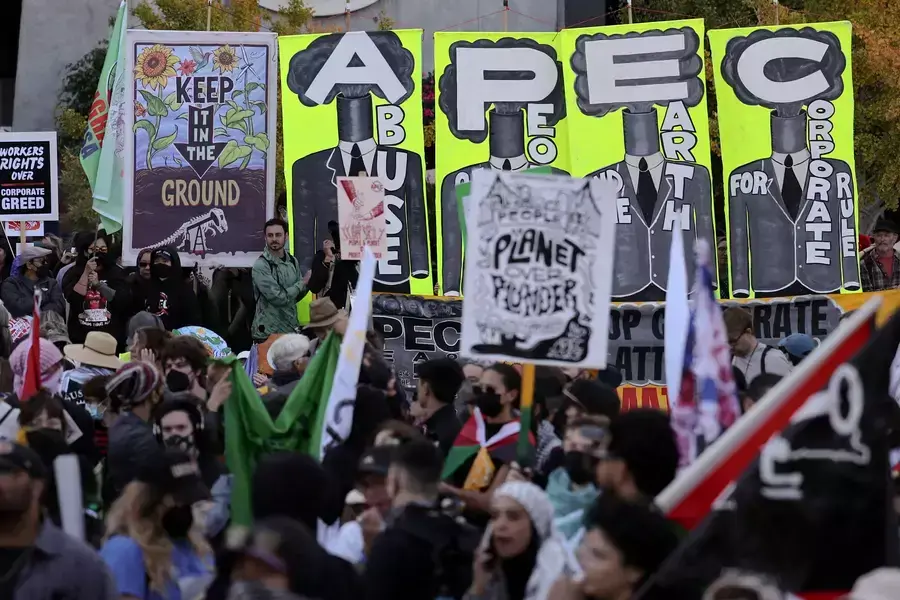
The latest episode of The President’s Inbox is live! Last week, Jim sat down with Peter Trubowitz, a professor of international relations and director of the Phelan U.S. Center at the London School of Economics. They discussed the rise of anti-globalization in the West and what it means for world order.The President’s Inbox
The Anti-Globalization Backlash, With Peter Trubowitz
Peter Trubowitz, a professor of international relations and director of the Phelan U.S. Center at the London School of Economics and an associate fellow at Chatham House, sits down with James M. Lindsay to discuss the reasons for the rise of anti-globalism in Western countries and its consequences for world order.
November 20, 2023 — 33:25 min
Here are three highlights from their conversation:
1.) The liberal international order—which took form in the early 1950s—is inherently linked to domestic politics. Peter noted that it “rested on assumptions and domestic institutional arrangements that helped ensure support for policies like free trade and institutionalized cooperation in the form of things like NATO or the IMF and the World Bank in Western democracies.” In short, domestic policies provided social and economic protections for workers, which in turn shored up political support for multilateralism.
Continue reading The anti-globalization backlash Đọt Chuối Non