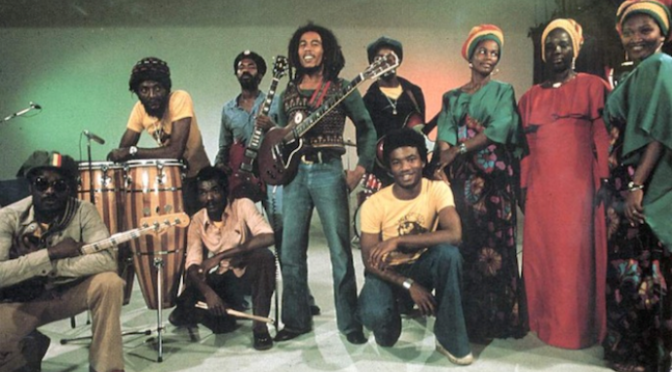
Bài hát được Bob Marley sáng tác, thuộc thể loại nhạc reggae, phát hành tháng 10-1973, được ban nhạc Bob Marley và the Wailers thể hiện. Đây là ban nhạc nhạc reggae người Jamaica có leader là Bob Marley.
Sông có khúc, người có lúc. Sống trong đời, đôi khi ta thong thả thoải mái, mọi sự đều trôi chảy và tốt đẹp. Nhưng rồi sẽ có những lúc ta gặp khó khăn, tinh thần hay vật chất, như dòng sông êm dịu bỗng có thác gềnh. Chính những thác gềnh đó là những thử thách để ta chứng minh cho chính mình là mình đang mạnh mẽ tới đâu. Continue reading Lửa thử vàng, gian nan thử sức→
In May, the Philippines and China took turns installing buoys in the disputed Spratly Islands. The deployment of buoys and other sovereignty markers in the South China Sea has a long history. But amid a flurry of new activity by the Philippines, including publicized patrols and surveillance missions, it is noteworthy that the buoy deployment triggered an almost immediate reaction from China, which installed its own. And with the Philippines planning to install more buoys by the end of 2023, this trend will remain a point of contention between Manila and Beijing for the foreseeable future.
On May 15, the Philippine Coast Guard installed 30-foot navigational buoys at five features in the Spratly Islands: Philippine-occupied Flat Island, Loaita Island, and Loaita Cay, and unoccupied Irving Reef and Whitsun Reef. The buoys are of the same type as five installed in May of 2022 at four Philippine-occupied features: Nanshan Island, West York Island, Northeast Cay, and Thitu Island.
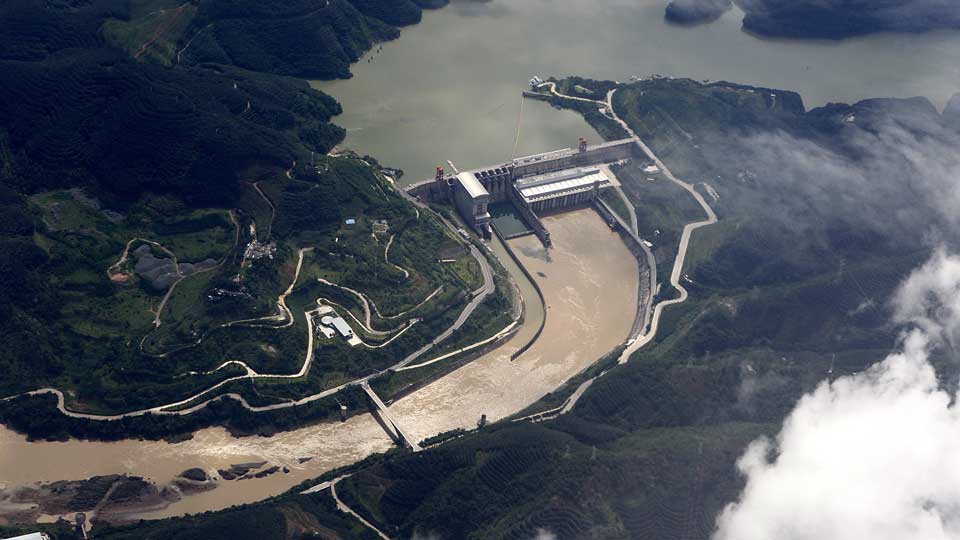
File image of the aerial view of the Jinghong Hydropower Station on the Lancang River, the Chinese part of the Mekong River, in Jinghong city, Xishuangbanna Dai Autonomous Prefecture, southwest China’s Yunnan province. Imaginechina Limited / Alamy Stock Photo
The rainy season would usually start in May, but this was late June and it was still not raining much. Niwat Roykaew, who grew up on the bank of the Mekong River in Thailand’s northern Chiang Rai province, noticed.
Born and raised in the Chiang Khong district, Roykaew, 63, was taught to observe the Mekong River to tell the season. But, in the past two decades, the river has become unpredictable like it has “pulsated out of tune”.
Niwat Roykaew is a Thai activist who campaigns for China to share data about water restrictions by its dams upstream.
“The water would get high for two days, then on the third day it would suddenly drop, even during the rainy season,” said Roykaew.
Local residents like him knew that this delay could mean another year of drought. Since at least 2019, that’s what has happened: the monsoon rain is late, and when it comes, it departs early.
The Mekong River’s water levels in the lower basin, including in Thailand, are now very unstable, being heavily affected both by climate change and hydropower dams upstream that are mostly powered by China, according to local residents, activists, and experts.




 Đọt Chuối Non