

A woman tends her boat in the fishing village of Vung Tau, southeast of Ho Chi Minh City. (Darren Soh)
The effect of Hanoi is cerebral. What the Vietnamese capital catches in freeze-frame is the process of history itself—not merely as some fatalistic, geographically determined drumroll of dynasties and depredations but as the summation of brave individual acts and nerve-racking calculations. In the city’s History Museum, maps, dioramas, and massive gray stelae commemorate anxious Vietnamese resistances against the Chinese Song, Ming, and Qing empires in the 11th, 15th, and 18th centuries. Although Vietnam was integrated into China until the 10th century, its political identity separate from the Middle Kingdom ever since has been something of a miracle—one that no theory of the past can adequately explain.
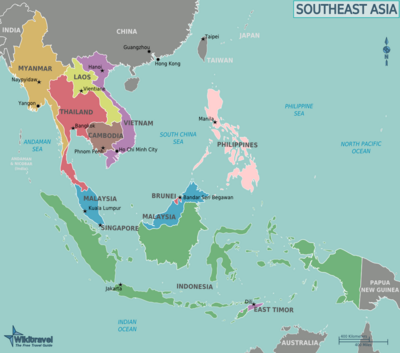




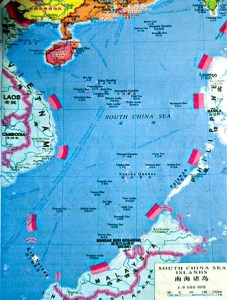 I have read many articles on the politics and law of the South China Sea, some short and pithy and others long and complex. I now have read what I think of as the best introduction to the issue of conflict, politics and international law in the South China Sea. It is an article titled “Three Disputes and Tree Objectives: China and the South China Sea.” by Peter Dutton, director of the China Maritime Studies Institute at the US Naval War College. Peter has written knowledgeably and well on maritime issues of southeast Asia before. In this article he provides a structure through which he lays out separate strands of the issues and then examines each on its own. While not a short article, I doubt there is a better one from which to gain an understanding of one of the ocean hot spots in which the Law of the Sea Convention plays a critical role in protecting interests of the US and our allies and in providing the mechanisms for avoiding direct maritime conflict. If you want to engage in informed debate on the maritime issues in the South China Sea (SCS), this is a great starting point.



 Đọt Chuối Non